



Free Shipping All Orders Over $95
So, what does it really mean when you see the term '420 friendly'? In short, it’s a modern-day code signaling that cannabis is accepted in a particular space or social circle.
Think of it as a heads-up. It lets you know that being open about cannabis use won’t be met with judgment or awkward silence.
At its heart, "420 friendly" signals tolerance and acceptance of cannabis. But the real meaning shifts depending on where you see it. What it implies on a dating profile is completely different from what it means in a rental agreement.
For instance, seeing this in a roommate ad suggests a chill household where someone lighting up isn’t going to cause a problem. On a dating app, it’s a quick way to find people with a similar lifestyle or, at the very least, an open mind. It gets the topic out of the way upfront.
The real challenge isn’t just knowing the definition—it's understanding the unwritten rules that come with it. The term is an invitation to a conversation, not a free pass to do whatever you want.
Misreading the situation can lead to anything from awkward moments to losing your security deposit. A "420 friendly" Airbnb host might be totally cool with edibles but draw a hard line at smoking indoors because of the smell.
To help you navigate these nuances, it’s helpful to break down what the term typically implies—and what it doesn’t—in a few common scenarios.
This table breaks down how the term is used and what to expect in common personal and social situations.
| Context | What It Usually Means | What It Does Not Mean |
|---|---|---|
| Roommate Ad | The household is tolerant of cannabis use, likely within private rooms or on a balcony. | A guarantee you can smoke anywhere inside without rules or consideration for others. |
| Dating Profile | The person either uses cannabis themselves or is open to dating someone who does. | An invitation to show up high on the first date or an indicator of heavy, daily use. |
| Vacation Rental | The property owner permits cannabis use, but likely with strict rules about smoking indoors. | Permission to ignore building policies, smoke in shared common areas, or leave a strong smell behind. |
| Workplace | A very rare term indicating a relaxed company culture, often in creative or cannabis-related industries. | That it’s okay to consume at your desk, be impaired on the job, or ignore safety protocols. |
Ultimately, '420 friendly' is a starting point. It opens the door for a quick, respectful conversation about what's okay. When in doubt, just ask.
You’ve probably heard the myths about 420—that it was a police code for cannabis or tied to a famous musician's birthday. The real story, though, is much more grounded and, frankly, a lot cooler. It didn't start with authority figures or celebrities. It started with five regular high school students in San Rafael, California, back in the early 1970s.
This group, who nicknamed themselves the "Waldos," got a wild tip: a U.S. Coast Guard member had supposedly abandoned a cannabis crop somewhere on the Point Reyes Peninsula. They even had a treasure map to guide them. To start their search without parents or teachers knowing, they decided to meet up right after school. Their chosen time? 4:20 PM.
"420" quickly became their secret code. It was a simple, discreet way to remind each other about their after-school adventure. The phrase started within their small circle, but its journey into the national consciousness was about to get a major boost from one of America's most iconic bands.
So how did an inside joke between a few teenagers go viral before the internet even existed? Simple: The Grateful Dead.
One of the Waldos, Dave Reddix, eventually started working as a roadie for the band. As the Grateful Dead toured the country, their huge and fiercely loyal fanbase—the "Deadheads"—picked up on the term. The code that began as a whispered plan in a high school hallway started spreading like wildfire through concert parking lots and fan communities nationwide.
This grassroots adoption gave "420" an authenticity that you just can't buy. It wasn't cooked up in a boardroom; it was born from community and shared experience. Its leap into the mainstream was cemented in 1991 when High Times magazine published a flyer detailing the term's history, solidifying its meaning for a new generation. You can read more about its journey into a cultural touchstone.
The timeline below shows just how far the term has come, evolving from a private code to a public signal of acceptance.

This evolution shows how a term once used for secrecy became a filter for finding your people, though it still carries important distinctions in legal and public settings.
The influence of "420" goes way beyond a time of day or a date on the calendar. It became so ingrained in the culture that it actually started shaping official policy.
California's Senate Bill 420, the legislation that established the state's medical marijuana program, was named as a direct nod to the term. This is a perfect example of how a piece of counterculture slang grew to influence the very laws governing cannabis itself.
From a high school secret to a legislative title, the legacy of "420" is incredible. What started as a code between friends is now a universally understood signal, helping people find community, navigate social circles, and even shape the legal frameworks we have today.

The term “420 friendly” isn’t some secret handshake anymore. It’s become a seriously practical tool for getting by in modern social circles. Whether you're looking for a partner or just a peaceful place to live, this simple phrase does a lot of the heavy lifting.
Think of it as a social shortcut. It helps you connect with people on your wavelength and sidestep awkward conversations before they even happen, especially online where first impressions are everything.
On dating apps, seeing “420 friendly” is all about lifestyle alignment. Putting it in your profile is a quick way to show you either enjoy cannabis or are cool with a partner who does. It instantly weeds out matches with strong anti-cannabis views, saving everyone a lot of time and potential drama.
Of course, the term can mean different things to different people:
This is why the tag is just a conversation starter. It opens the door to talk specifics—like how often, where, and what the boundaries are—so you're both on the same page before you even think about meeting up.
The phrase is just as critical when you’re hunting for a new apartment or roommate. On rental sites, “420 friendly” is a keyword for household harmony. It implies that responsible cannabis use won’t be a point of conflict with your roommates or landlord.
Seeing “420 friendly” on a listing is a great sign, but it’s not a free-for-all. It usually means the landlord is tolerant, but you still need to know the specific rules on smoking indoors, odor control, and guest policies. Always get the details in writing to protect your security deposit.
Being upfront from the start prevents the kind of tension that ruins a living situation. It makes sure everyone’s expectations are clear from day one.
“420 friendly” also pops up in travel and even professional life, but the rules get a lot trickier. When you're booking a vacation rental, the filter helps you find hosts who allow cannabis use on their property—though usually with some specific house rules.
The workplace, however, is a different beast entirely. While some companies in creative fields might have a relaxed, “420 friendly” vibe, that culture almost never overrules official company policy. Many employers, especially those with federal contracts or in safety-focused jobs, enforce strict zero-tolerance drug testing policies, no matter what your state’s laws say.
It’s crucial to know the difference between a laid-back atmosphere with your coworkers and what’s written in the employee handbook. A cool boss can't save you from HR policy. Understanding that line is key to enjoying a cannabis-positive lifestyle without risking your career.
The term “420 friendly” is more than just slang—it’s an economic powerhouse that drives billions in sales. What started as a niche codeword has exploded into a full-blown commercial phenomenon, turning April 20th (4/20) into the cannabis industry’s version of Black Friday. On this single day, businesses consistently see their biggest revenue spikes of the year.
This commercial strength didn't just appear overnight. It traces back to the term's early days, spreading like wildfire through Grateful Dead concert tours. This movement didn't just build a culture; it created an early, dedicated consumer market. Fans following the band formed a mobile network that shared not just values, but spending habits, laying the foundation for the industry we see today.
The real economic boom kicked in as cannabis legalization swept across the country. Today, regulated markets see their highest sales days of the year clustered around April 20th, all thanks to the culture built around this number. The Grateful Dead’s role was pivotal; after one of the original "Waldos" became a roadie for the band, Deadheads helped carry the term "420" nationwide, creating the very base that modern brands now market to. You can find more on the history of 420 and how it became a cultural staple.
Modern brands now lean into 420 culture to connect with customers and drive sales. It’s not about just slapping "420" on a label; it’s about speaking an authentic language that resonates with a smart, experienced consumer base. When a brand offers a "4/20 special" or launches a product with a nod to the culture, it's tapping into decades of shared history and identity.
This approach creates a powerful sense of belonging, turning casual buyers into loyal fans. Brands that show they understand and respect the origins of the term are rewarded with a dedicated following. It’s marketing that feels less like an ad and more like a genuine connection with people who value the history behind their lifestyle.
By embracing the culture, companies signal that they are part of the community, not just profiting from it. This authenticity is a key differentiator in a crowded market, building trust and encouraging repeat business from consumers who feel seen and understood.
The 420 ecosystem has grown even bigger with the rise of federally legal hemp. Products derived from hemp, like THCA flower and high-potency edibles, fit seamlessly into this world. They give consumers a compliant way to participate in the culture, even in states that haven't legalized recreational cannabis. You can explore our guide on upcoming cannabis trends like THCA to see how these products are shaping the market.
For anyone who identifies as 420 friendly, these legal options aren't just substitutes—they're a key part of the modern landscape. Reputable brands offering lab-tested, high-quality hemp products provide a safe and accessible way for more people than ever to connect with the culture and history that "420" represents.

When you see a space described as “420 friendly,” it’s an invitation, not a free-for-all. It means you’re in a place of acceptance, but it doesn't mean the rules go out the window. Good cannabis etiquette is all about respect, and it’s what keeps the experience positive for everyone.
Think of it this way: just because a friend says "make yourself at home" doesn't mean you'd start rearranging their furniture. The same vibe applies here. Being a good guest in a 420-friendly environment means reading the room and respecting the house rules—both spoken and unspoken.
The golden rule is simple: always ask first. Before you spark a joint, take a pull from your vape, or break out an edible, just check in with the host and anyone else around. It’s a small gesture that shows a huge amount of respect for everyone's comfort levels.
Your method of consumption matters, too. A lit joint has a powerful smell that sticks around, which might not fly even in a welcoming space. Vaping is often a better move, but it’s still polite to ask. For more tips on being discreet, check out our guide on how to vape weed properly. Edibles are stealthy, but they come with their own set of considerations.
Another classic bit of etiquette is “BYOW” (Bring Your Own Weed). Don’t just show up expecting to dip into the host’s stash. It’s always best to arrive with your own product. That said, sharing is a huge part of the culture, so be ready to contribute to the circle if the moment feels right. It keeps the good vibes rolling.
Etiquette isn’t a stuffy set of rules. It’s about being considerate and self-aware. The goal is to make sure everyone—whether they're partaking or just hanging out—feels comfortable and respected.
Beyond just being polite, safety should always be your top priority. The first step is knowing your own limits. If you’re new to cannabis or trying something for the first time, start with a small dose and take it slow. This is especially true with edibles.
Edibles can take anywhere from 30 minutes to two hours to kick in, a delay that often catches people off guard. It's a classic rookie mistake to think "it's not working" and take more too soon. That’s a fast track to an uncomfortably intense experience, so patience is key.
Finally, the most important safety rule is non-negotiable: never, ever drive under the influence. Cannabis impairs your judgment, coordination, and reaction time, making it incredibly dangerous to get behind the wheel. It doesn’t matter how “fine” you feel—it’s not worth the risk to yourself or others. Line up a designated driver, call a rideshare, or just wait until you’re completely sober. Responsible use means making sure everyone gets home safe.
The whole world of cannabis changed with the 2018 Farm Bill. This landmark law officially separated hemp from marijuana based on one key detail: its Delta-9 THC content. This single move blew the doors open for a massive market of federally legal cannabinoids.
Suddenly, compounds like CBD, Delta-8, and especially THCA (tetrahydrocannabinolic acid) went from niche to mainstream. These hemp-derived products have become a huge part of what it means to be "420 friendly" today, giving people all over the country a compliant way to enjoy the plant.
THCA is where things get really interesting. In its raw form, it's a non-psychoactive acid in the cannabis plant. But when you apply heat—through a lighter, a vape, or in the oven—it undergoes decarboxylation and converts into good old THC.
This scientific quirk means federally compliant THCA flower can offer an experience that’s practically identical to traditional cannabis, all without breaking federal law. You can dive deeper into the legal details by reading up on THCA and its legal status.
What this does is create amazing new options for everyone. If you live in a state where recreational cannabis isn't legal, you can now purchase products that fit the 420 lifestyle without having to worry about tricky state laws. It’s a way to be part of the culture, legally and openly.
This newfound accessibility puts more power—and responsibility—in your hands. Being 420 friendly in 2026 isn't just about being cool with cannabis; it's about being smart and safe with your choices. Since parts of the hemp market are still a bit of a wild west, a brand's reputation is everything.
Choosing products from reputable brands that provide comprehensive, third-party lab testing is the only way to ensure what you’re consuming is safe, potent, and compliant. These lab reports, often called Certificates of Analysis (COAs), verify cannabinoid content and screen for harmful contaminants.
Focusing on safety and quality lets you navigate the market with confidence. When you stick to lab-tested products from companies you can trust, you can kick back and enjoy all the benefits of legal hemp with total peace of mind.
The world of cannabis comes with its own language, and figuring out what "420 friendly" really means can feel a little tricky. Let's clear up some of the most common questions.
Not at all. Think of "420 friendly" as a signal of acceptance within a private setting, like someone's home or a specific event. It is not a green light to consume in public, which is often illegal.
Even in a private space, it doesn’t mean you have a pass to light up without asking. Always check with your host about their house rules and be mindful of local laws.
This really depends on the platform and your personal situation. On dating or roommate-finder apps, it’s a great way to connect with like-minded people.
On the other hand, putting it on a professional site like LinkedIn could be risky. Stigma still exists in many industries, so it’s best to use your judgment based on your career and who might be looking at your profile.
Key Takeaway: "420 friendly" is a social cue for compatibility, not a legal shield. Context is everything.
Absolutely. The term "420 friendly" embraces the whole cannabis culture, and that definitely includes its legal forms.
Federally compliant hemp products like THCA flower—which offer an experience very similar to traditional cannabis—are a huge part of the modern 420 lifestyle. They're enjoyed by enthusiasts across the community.
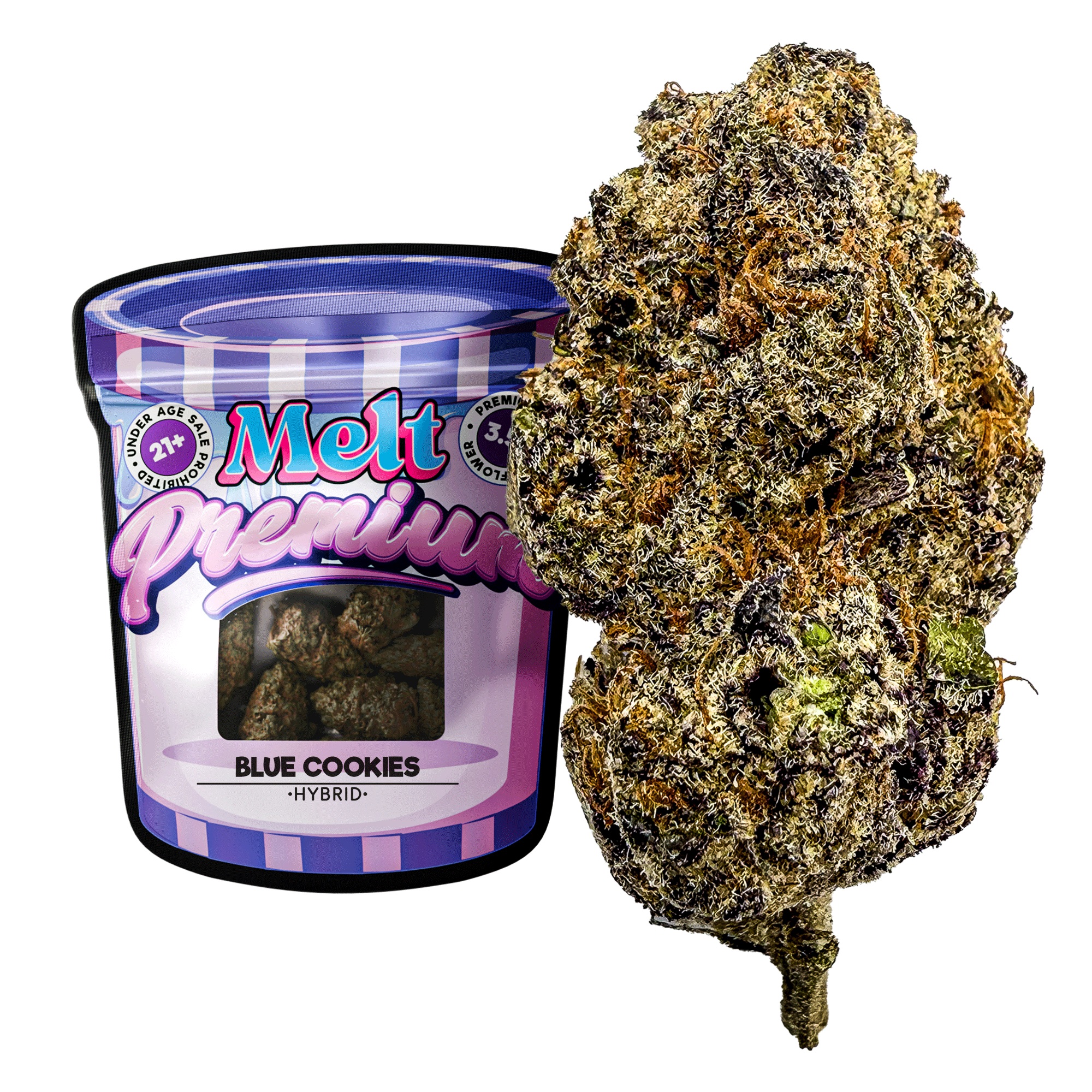
At Melt, we believe in giving you a safe and transparent way to enjoy this culture. Take a look at our collection of premium, lab-tested THCA flower and high-potency edibles, all made in California and shipped discreetly to you. Find your new favorite at https://meltofficial.com.
Your cart is currently empty.