



Free Shipping All Orders Over $95
The absolute best smell-proof containers all have a few things in common. They’re built with airtight seals, made from non-porous materials like glass or stainless steel, and often include an activated carbon lining to actively soak up odors. It’s this combination that creates a fortress for your flower, guaranteeing total discretion and freshness.
If you care about freshness, potency, and privacy, this is for you. Storing premium goods like THCA flower or high-potency edibles isn’t just about hiding the smell—it's about protecting the vibrant flavors and complex terpenes you paid for. A simple Ziploc bag or a random jar from your kitchen just isn't going to cut it.
Most basic containers are porous. That means they have microscopic holes that let delicate aromas leak out while allowing damaging air and moisture to creep in. This exposure wrecks the quality of your products fast, weakening their potency and messing with their taste.
Think of the terpenes in top-shelf flower like the delicate notes in a high-end perfume. Storing it in a cheap container is like leaving the bottle uncapped—the best parts evaporate first, leaving behind a dull, muted version of what you started with. A quality smell-proof container protects your investment by creating a stable, controlled environment.
This goes way beyond just keeping things fresh. Proper storage ensures:
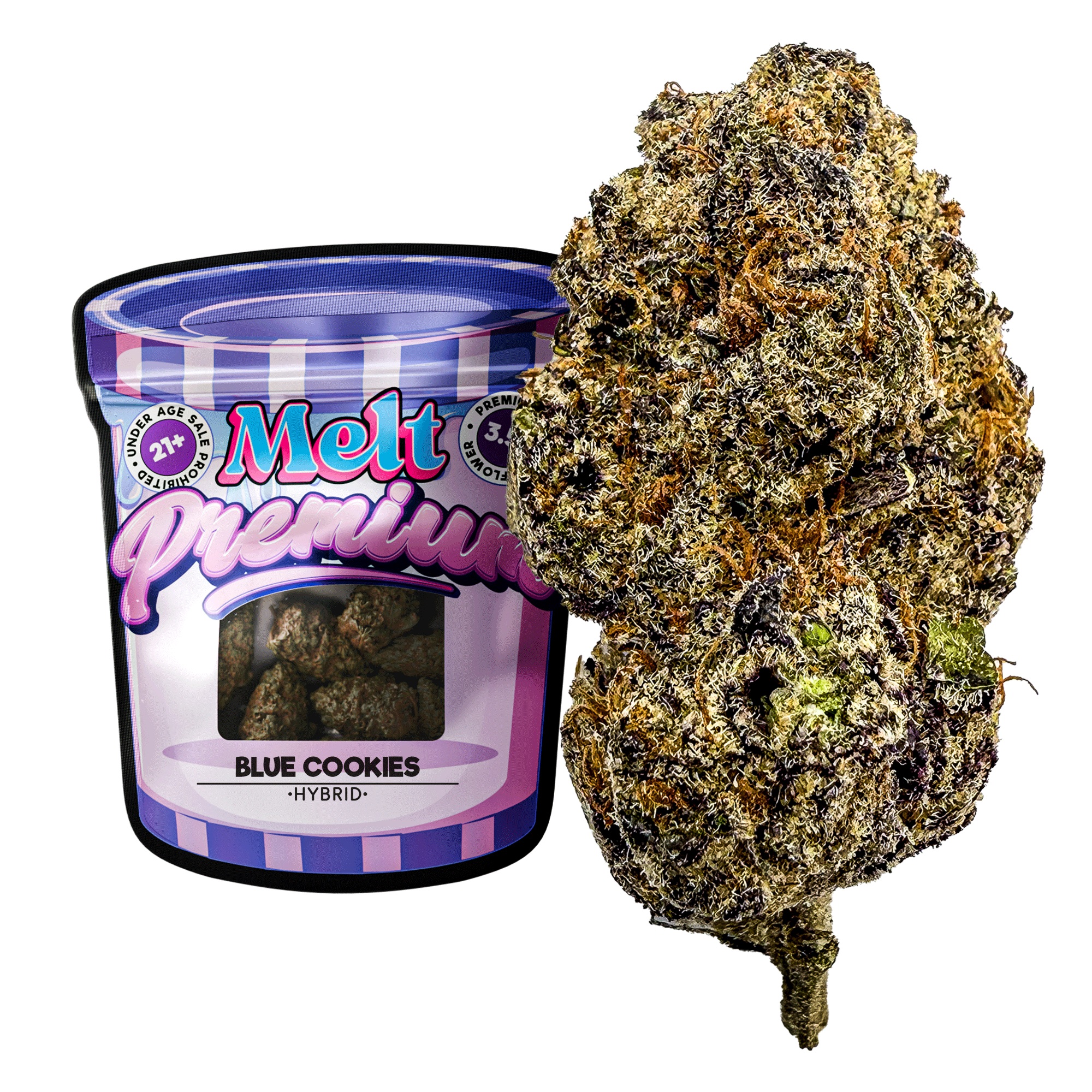
The demand for better storage solutions is no surprise. In the booming cannabis accessories market, smell-proof bags have become essential for brands like Melt that specialize in premium THCA flower and potent edibles. Recent market analysis shows the global smell-proof bag market is taking off, largely thanks to legalization in major markets. North America is leading the charge, with states like Melt's home base of California seeing massive growth in both recreational and medicinal use.
Ultimately, choosing the right container is a core part of the whole experience. It makes sure the quality you paid for is the quality you actually get to enjoy, from day one to the very last bud. Storing your products the right way isn't an afterthought; it’s a non-negotiable for any real connoisseur. For more specific tips, check out our guide on how to properly store THCA products.
Ever wondered what really makes a good smell-proof container work? It’s not magic—it's a smart combination of the right materials and clever engineering designed to trap even the most stubborn aromas. Once you understand the basics, you can easily spot a high-quality container that actually does its job.
The first line of defense is always the material itself. The best containers rely on non-porous materials like glass, stainless steel, or specific high-grade polymers. Think of a porous material like a kitchen sponge; it's full of tiny holes that absorb and hang onto smells, slowly letting them out over time. A non-porous material is the opposite—it's like a solid sheet of glass with nowhere for scents to get trapped.
This is exactly why that cheap plastic Tupperware still smells like last week's spaghetti, but a glass jar washes completely clean. When you're storing something with a complex terpene profile, like the premium THCA flower from Melt, using a non-porous material is non-negotiable to keep scents from clinging to the container.
Even the best material is useless without a perfect seal. This is where most everyday containers fail, leaving tiny, invisible gaps for air and odors to sneak out. The best smell-proof containers create a truly airtight barrier, almost like the hatch on a submarine.
Just as a submarine needs heavy-duty rubber gaskets to keep water out under extreme pressure, these containers use silicone or rubber gaskets to form a complete, unbroken seal. When you close the lid, the gasket compresses to fill every possible micro-gap, locking everything inside. Without that, you have a smell-resistant container at best, not a truly smell-proof one.
This infographic breaks down why proper storage is about so much more than just keeping things discreet.

As you can see, effective storage directly protects the potency and freshness of your product, preserving the experience you paid for.
The most advanced containers don't just block smells; they actively neutralize them. The secret ingredient here is activated carbon.
Imagine activated carbon as a molecular sponge covered in millions of microscopic pores. These pores create an enormous surface area—a single gram of activated carbon can have a surface area bigger than a football field. When odor molecules like terpenes float by, they get trapped in these pores in a process called adsorption.
This brings us to the key difference between passive and active odor control:
This technology is a huge deal for cannabis consumers and is constantly improving. The market for odor-scavenging masterbatches—the core component in these products—was valued at USD 778.9 million in 2026 and is projected to hit USD 1,489.8 million by 2036. When these compounds are embedded in bags and jars, they neutralize volatile terpenes from THCA flower, which is crucial for preserving Melt’s strain-specific profiles that deliver those 'bright, juicy California flavors.' You can read more about the growth of odor-scavenging technologies from Future Market Insights.
To help you compare, here's a quick breakdown of how the different odor-control technologies stack up.
| Technology | How It Works | Best For | Effectiveness |
|---|---|---|---|
| Non-Porous Materials | Provides a solid surface with no pores for odor molecules to cling to. | Glass jars, stainless steel containers for long-term storage. | Good (Prevents odor absorption) |
| Airtight Seals | Uses silicone or rubber gaskets to create a complete barrier, preventing air/odor exchange. | Daily use containers, travel cases, and home storage. | Better (Physically traps odors) |
| Activated Carbon | Adsorbs and traps odor molecules in millions of microscopic pores. | Lined bags, pouches, and high-end storage boxes for total discretion. | Best (Actively neutralizes odors) |
A truly effective smell-proof system combines all three elements: a non-porous body, an airtight seal, and for the ultimate performance, an active carbon filter. This trifecta ensures that what’s inside stays inside, protecting both your product and your privacy.
Not all products are created equal, and neither are the containers designed to store them. Picking the best smell-proof container isn’t a one-size-fits-all decision; it’s about matching the container’s design to what you’re putting inside. Thinking about your specific needs first is the key to preserving quality and keeping things discreet.
You wouldn’t store ice cream in a paper bag, right? The same logic applies here. Each product—from terpene-rich flower to sticky edibles and delicate pre-rolls—has its own weak spots. The right storage acts like a personal vault, protecting against the specific elements that threaten it most.

This goes beyond just asking, "is it smell-proof?" and gets to the real question: "is it the right kind of smell-proof for me?" Let's break down the ideal solutions for the most common product types.
When it comes to high-quality THCA flower, preservation is everything. The two biggest enemies are physical damage and terpene loss. Terpenes are the fragile aromatic compounds behind a flower's flavor and smell, and they degrade fast when exposed to air.
For that reason, glass jars with vacuum seals are the gold standard.
Think of it like fine wine. You wouldn't keep a vintage bottle in a plastic jug. The glass protects its purity, and the airtight seal protects it from the elements that would ruin its character.
Edibles come with a different set of challenges. Freshness and texture are key, and the wrong container can turn a great treat into a sticky, stale mess. The main goals here are locking in the right moisture level and stopping the product from sticking to the walls.
Often, the best bet is a food-grade silicone container or a quality plastic jar with an airtight seal. Silicone is naturally non-stick, which is perfect for gummies that can get tacky over time. It’s also flexible and tough, making it great for travel.
For baked goods or chocolates, an airtight plastic or glass container that blocks UV light will keep them from drying out or melting. The secret is a seal that locks moisture in and air out, keeping your edibles as fresh as the day they were made.
Concentrates and prerolls need protection from physical damage more than anything else. Concentrates are usually kept in small, non-stick silicone or glass dab jars to keep the material from sticking. These are often placed inside a larger, hard-shell case for an extra layer of odor control and crush-proof security.
Prerolls are notoriously fragile. A simple plastic tube might seem okay, but it rarely has a truly airtight seal, letting smells escape and air get in to make the roll stale. The best smell-proof containers for prerolls are durable, compact cases that offer a few key features:
When you tailor your container to the product, you’re not just storing it—you’re creating a dedicated preservation system. This approach ensures you’re not just hiding the smell, but actively protecting the quality, potency, and flavor of your investment.
Choosing the best smell-proof containers isn't just about keeping your products fresh. It's about privacy and peace of mind, whether you're relaxing at home or heading out on a trip. A good storage solution should be as smart as it is effective, blending into your environment without drawing any extra attention.
For day-to-day use at home, the name of the game is discretion. You want containers that don't scream "stash box." Think minimalist jars that look like they belong in your pantry or stylish boxes that could easily pass for home decor. The idea is to find something that can sit out in the open without giving away what’s inside.

This approach makes quality storage a seamless part of your life, not something you have to constantly hide away.
At home, you have more flexibility with sizes and materials. The key is picking a container that matches your lifestyle and aesthetic while still delivering top-notch odor control.
Here are a few popular home storage styles that work well:
The most effective home storage is often a two-layer system. Start by putting your product in its main container (like a small jar for flower), then place that inside a larger smell-proof box or bag. This double barrier is a game-changer for odor containment.
This two-layer approach is especially useful for more delicate and aromatic items like pre-rolls. For more on that, check out our tips for storing THCA pre-rolls to keep them fresh and secure.
Traveling with your products changes the priorities a bit. Discretion is still important, but now durability and portability are king. You need a container that can handle being tossed around in a bag while staying completely odor-proof and locked down.
Look for these key features in a travel-friendly container:
Ultimately, whether you're at home or on the move, the right smell-proof container helps you manage your products responsibly. Always be sure to know and respect all local laws about transportation and consumption. The right gear helps you stay compliant, avoid unwanted attention, and enjoy your products with confidence.
Grabbing a quality smell-proof container is a smart move to protect your products, but that's only half the battle. Think of it like a high-performance car—it needs a little maintenance to keep running perfectly. A bit of regular care ensures your container does its job and keeps providing maximum odor control for years.
If you just toss it in a drawer and forget about it, even the best container will start to fail. Residue builds up, seals get weak, and filters get clogged, undermining the very features you paid for. Proper care isn't just about being clean; it's about preserving the function you need.
The good news? It’s pretty simple to keep your gear in prime condition. A few basic steps tailored to the material will guarantee lasting performance and help you get the most out of your investment.
The right way to clean your container really depends on what it's made of. Using the wrong method can cause more harm than good, potentially scratching surfaces or damaging the seals. Always start with the gentlest approach first.
For glass and stainless steel, which are non-porous, a simple wash with warm, soapy water is usually all you need to get rid of any residue. For a deeper clean or to knock out stubborn odors, let it soak in a mix of isopropyl alcohol and coarse salt. Just give it a thorough rinse afterward, and it'll be sanitized without any damage.
Plastic and silicone containers need a slightly different touch, as they can sometimes hold onto faint smells or a sticky film.
The seal is easily the most critical part of any smell-proof container. If the gasket is shot, it's no longer airtight, and your odor control is gone. That's why checking it regularly is so important.
A container's seal is like the weather stripping on a door. If it’s cracked, dirty, or warped, it lets air—and smells—leak right through. Keeping it clean and supple is the key to an airtight lock.
To take care of your seals, just wipe them down with a damp cloth after each cleaning to get rid of any debris. Keep an eye out for signs of wear and tear, like cracks or stiffness. If a silicone gasket feels dry, a tiny dab of food-grade silicone grease can bring back its flexibility and ensure a tight fit.
If your container has a carbon filter, it needs some love too. Activated carbon traps odor molecules, but its pores eventually get full. To "recharge" it, just place the carbon liner in direct sunlight for a few hours. The warmth and UV rays help release the trapped molecules, restoring its odor-trapping power. You can find more tips on preserving the delicate terpenes in your products in our guide on how to properly store THCA flower.
This level of detail is a big deal in the wider storage market. The global food storage sector is expected to hit US$199.9 billion by 2033, with airtight models dominating the market with a 43.8% share thanks to their superior odor control. As this research from Persistence Market Research shows, consumers consistently pay more for odor-resistant options and show higher brand loyalty—a trend that directly applies to those of us storing terpene-rich products like flower and prerolls.
Picking the right smell-proof container isn't just about hiding odors—it’s about protecting the quality and potency of your products. It’s the difference between a great experience and a disappointing one. Forget glorified Tupperware; let's talk about what actually works.
It all starts with the material. You want non-porous surfaces like glass, stainless steel, or certain high-grade polymers. Think about it: porous materials are like a sponge, slowly absorbing and leaking smells over time. A non-porous surface is a solid wall that scents can't stick to, keeping your product's flavor profile pure.
Next up is the seal. A container is only as strong as its weakest link, and that’s almost always the closure. A genuine airtight seal, usually made from silicone or rubber, is non-negotiable. It works like a submarine hatch, creating a total barrier so nothing gets in or out. Without it, you’ve got a smell-resistant container at best.
For those who want zero compromises, an active odor-control system is the way to go.
An activated carbon lining is a game-changer. It acts like a molecular sponge, using a process called adsorption to grab and neutralize any stray odor molecules. This doesn't just contain the smell—it actively scrubs it from the air inside, giving you total peace of mind.
This combination creates a fortress for your goods.
To make the right call every time, keep a few final things in mind. Match the container to what you're storing—glass jars for delicate flower, non-stick containers for edibles, and crush-proof cases for prerolls. And don't forget maintenance. A quick clean of the seals and recharging the carbon liner now and then keeps your gear working perfectly.
When you follow these guidelines, you're not just storing your products; you're actively preserving them. You get the confidence that every session will be fresh and potent, protecting your investment and your privacy. It’s all about making smarter choices to get the most out of every purchase.
Even after breaking down all the tech, you probably still have a few questions floating around. That’s totally normal. Think of this as the final check-in, where we tackle the common questions we hear all the time to make sure you’re 100% confident in your choice.
Getting these last few details straight is what separates a good storage setup from a great one.
Nope, and this is a big one. They get thrown around interchangeably, but they mean two completely different things. It’s like the difference between a water-resistant windbreaker and a full-on waterproof rain jacket—one handles a light drizzle, the other keeps you dry in a storm.
A "smell resistant" product might just use a slightly less smelly material or have a tight-fitting lid. It reduces odor, but it won’t eliminate it. A true "smell proof" container is built differently—it uses non-porous materials and an airtight gasket seal to lock everything in. For anything with a strong aroma, only a genuinely smell proof solution will give you 100% odor containment.
You don't need any special gear for this. There are a couple of dead-simple home tests that will tell you right away if you've got a truly airtight seal or just a lid that closes nicely.
The go-to method is the "water test."
If you see even a single drop leak out, it's not airtight. And if water can get out, smells definitely will. For bags or cases you can't see through, try the "light test." Pop a small, bright flashlight inside, seal it, and go into a dark room. Any light peeking through means your seal isn't perfect.
Yes, and it’s one of the best parts about using a carbon-lined bag or case. Over time, all the little pores in the carbon get clogged with the odor molecules they’ve trapped, and the filter stops working as well. But you can easily "recharge" it.
Just take the carbon liner out and leave it in direct sunlight for a few hours. The heat and UV rays work together to release the trapped molecules, clearing out the pores so they can get back to work. Always check the manufacturer’s guide, though—some might suggest using an oven on a low setting instead.
Glass is the gold standard for flower storage for a few key reasons. It creates the perfect little bubble for preserving those delicate terpenes and cannabinoids that make your flower special.
At Melt, we know that top-tier products deserve to be stored properly. It’s all about protecting the bright, juicy California flavors of our THCA flower and edibles. Explore our collection and find the perfect match for your new storage solution at meltofficial.com.
Your cart is currently empty.