



Free Shipping All Orders Over $95
A joint rolling machine automatic is a device that takes the entire process of rolling a joint—from grinding and filling to rolling and sealing—and automates it. It removes all the manual effort to deliver a perfectly consistent result, every single time.
Think about the leap from washing clothes by hand to using a modern washing machine. The job is the same, but the process becomes faster, easier, and way more consistent. That’s exactly the kind of upgrade a joint rolling machine automatic offers to cannabis users and producers.
It's a purpose-built device designed to take all the guesswork and inconsistency out of rolling. Instead of relying on nimble fingers and practice, these machines use calibrated mechanics to get a perfect roll. They answer a growing demand in the cannabis market for convenience, precision, and quality you can count on. For personal use, that means no more loose, tight, or poorly rolled joints.
Hand-rolling is a classic skill, but it’s rarely perfect. Even the most seasoned rollers will produce joints that vary in density, shape, and how they burn. Automatic rollers turn this craft into a science.
By taking over the whole process—from grinding the flower to the right consistency to tamping it down with ideal density—these machines create a standardized, top-tier product. This isn't just a perk; it's the key to a reliable experience.
This shift is a game-changer for individuals and large-scale producers alike. Consumers get a dependable product they can trust, while producers can scale up their operations without letting quality slip. An automatic joint rolling machine removes human error, making sure the tenth joint is just as flawless as the first.
The difference between rolling by hand and letting a machine do the work becomes crystal clear when you compare them side-by-side. While hand-rolling has its traditional appeal, automation is unbeatable when it comes to speed and consistency.
Here’s a quick look at how they stack up.
| Feature | Manual Hand-Rolling | Automatic Rolling Machine |
|---|---|---|
| Consistency | Varies with skill and attention | High, with uniform shape and density |
| Speed | Slow, dependent on individual skill | Fast, producing hundreds or thousands per hour |
| Labor | Requires skilled labor and focus | Minimal operator oversight needed |
| Waste | Higher potential for material spillage | Low, with precise material handling |
| Scalability | Difficult and expensive to scale | Designed for high-volume production |
Ultimately, choosing between the two comes down to your priorities. If you value tradition and the ritual of rolling, the manual approach still holds a special place. But for anyone focused on speed, perfect uniformity, and effortless production, a joint rolling machine automatic is the obvious choice.
Ever wondered what’s going on inside an automatic joint rolling machine? It’s less magic and more like a tiny, hyper-focused assembly line. Think of it as turning the art of rolling into a precise, repeatable science.
At its core, the machine follows a simple three-stage process: grind, fill, and roll. You add your flower, and the internal mechanics take it from there, methodically guiding the material through each step to produce a perfect joint every single time. It’s a level of consistency that’s tough to match by hand.
The journey starts with the grind. Once you load your flower into the chamber, a built-in grinder gets to work, breaking it down to the ideal texture—not too fine that it turns to dust, but not so chunky that it burns unevenly. For more tips on getting it just right, check out our guide to grinding flower.
Right after grinding, internal sensors measure out the perfect amount of flower for one joint. This completely removes the guesswork, ensuring every joint has the same fill weight for a predictable burn. These machines are smart enough to adjust for different flower types, whether it's sticky and dense or light and fluffy.
This infographic breaks down that core automated process.
 As you can see, this simple sequence is what allows an automatic joint rolling machine to deliver such reliable quality.
With the flower ground and measured, it's time to fill the cone. A small funnel directs the ground cannabis into a pre-loaded rolling paper, which the machine holds securely in place. Instead of just dumping it in, the machine uses gentle vibrations or a tamping tool to pack the flower evenly.
This step is critical for a smooth, even burn. A well-packed joint is your best defense against common issues like "canoeing," where one side of the joint burns faster than the other.
One of the biggest advantages here is the machine's ability to compact the flower with consistent pressure. This creates the ideal density for perfect airflow—something even experienced rollers struggle with.
By automating the compaction, the machine eliminates air pockets and dense clumps. What you get is a firm, perfectly shaped cylinder, ready for the final step.
This is where the magic seems to happen. Once filled and tamped, the machine uses a set of rollers to tightly wrap the paper around the cannabis, flawlessly mimicking the thumb-and-finger motion of an expert.
During the roll, the machine also makes sure the filter or crutch is locked in place. To seal the deal, a mechanism applies a tiny, precise line of moisture along the gumline, closing the joint cleanly and securely.
More advanced models even eject the finished product into a collection tray. The entire process—grind, fill, pack, and roll—takes just seconds and requires zero manual effort, giving you a flawless joint every single time.
Not all automatic rollers are built the same. When you start looking for a joint rolling machine automatic, you’ll find everything from tiny personal gadgets to massive industrial systems. Figuring out which category fits you is the first step to getting the right machine for the job.
It’s a bit like buying a vehicle. You wouldn’t use a scooter to haul freight across the country, and you wouldn't buy a semi-truck for a quick trip to the corner store. The best roller for a casual smoker is completely different from what a commercial cannabis producer needs.
At the smaller end of the spectrum, you have compact, often handheld, electric rollers. These are made for the individual who wants perfectly rolled joints without the fuss of doing it by hand. Think of them as the “scooters” of the rolling world—small, simple, and great for personal stashes.
Most of these machines handle one joint at a time, but they do it with incredible precision. You just load your ground flower and a cone, press a button, and the device fills, packs, and seals a flawless joint in seconds.
Key features of personal rollers usually include:
They're perfect for anyone who wants to skip the hassle of hand-rolling and enjoy a consistent, high-quality joint every time.

On the complete other end are the industrial-grade machines—the “commercial trucks” of the pre-roll industry. These are large, powerful systems designed for licensed producers who need to produce thousands of pre-rolls every hour. For them, these machines are the engine of their entire operation.
These workhorses automate the whole process, from grinding the flower to filling, weighing, packing, and sealing hundreds of joints in one go. They’re built for one thing: maximum output while maintaining perfect consistency.
For commercial producers, a joint rolling machine automatic isn't just a cool gadget—it's a core business asset. It allows them to scale production, cut labor costs by up to 40%, and ensure every pre-roll meets strict quality and weight standards.
This level of automation is how a brand builds a reputation for reliability. When a customer buys a pack of pre-rolls, they expect the same experience every single time. These machines deliver on that promise at scale. We see similar trends in related industries, too. For instance, the cigarette injector machine market, which uses similar tech, is expected to hit USD 185.6 million by 2034, driven by the demand for efficiency. You can read more about the market's expansion and the tech driving it.
So, how do you choose? It really comes down to one thing: volume.
| Machine Type | Ideal User | Production Capacity | Key Benefit |
|---|---|---|---|
| Personal Roller | Individual consumers | 1-5 joints per session | Convenience and perfection |
| Commercial Machine | Licensed producers | 1,000+ joints per hour | Scalability and consistency |
Whether you’re a connoisseur who just wants a perfect joint or a business owner looking to supply an entire market, there’s a joint rolling machine automatic out there for you. The trick is to match the machine’s power to your needs.
Switching to a joint rolling machine automatic isn't just a tech upgrade—it's a game-changer for everyone from the casual smoker to large-scale cannabis producers. The move to automation brings real, measurable improvements in quality, consistency, and cost.
For anyone who’s ever fumbled with rolling papers, the main appeal is simple: perfection on demand. Hand-rolling is an art, but it often ends in frustration. One joint might be too loose and burn in seconds, while the next is packed so tight you can barely get a draw.
An automatic roller takes the guesswork out of the equation. It delivers a perfectly shaped, evenly packed joint every single time. That means you get a smooth, reliable burn without the hassle.
Think of it like having a pro bartender in your kitchen. Instead of struggling to mix the perfect cocktail, you get a flawless drink every time you want one. An automatic joint roller does the same for your flower.
This level of consistency is a huge plus for medical users who need reliable dosing, but it’s just as valuable for anyone who just wants to enjoy a great joint without the work. The perks are straightforward:
Ultimately, automation makes a high-end smoking experience accessible to everyone. It removes the barrier of skill, letting anyone enjoy a perfectly rolled joint at home.
For commercial cannabis and THCA producers, the benefits of a joint rolling machine automatic are even more significant. In today’s crowded market, efficiency isn't just a goal—it’s essential for survival.
The biggest win is the incredible boost in production speed. A single machine can easily outpace a whole team of hand-rollers, producing hundreds or even thousands of pre-rolls an hour. This lets producers keep up with demand without creating production bottlenecks.
It's not just about moving faster. It's about working smarter and saving money. By automating the process, producers can slash labor costs by up to 40% and reduce material waste by 20-30% because every joint is filled with precision.
Those savings go straight to the bottom line, making the entire operation more profitable. The consistency also means every pre-roll is packed to last, which is crucial for shelf life. You can learn more about how long pre-rolls last and see why a quality roll is so important.
In the cannabis world, customers stick with brands they can trust. That trust is built on a consistent experience—the tenth pre-roll in a pack needs to be just as good as the first. At scale, automation is the only way to deliver that promise.
A joint rolling machine automatic guarantees every single product meets exact standards for weight, density, and structure. This kind of standardization is also key for passing strict regulatory audits.
The industry numbers tell the story. By 2026, top-tier automated systems had already cranked out over 140 million joints in the U.S. and Canada. These machines have helped drop the cost per joint to as low as $0.03 while maintaining perfect quality. You can discover more insights about these production metrics and their impact on the market. This is how brands create loyal customers—by delivering a reliable, top-notch product every single time.
So you're ready to pull the trigger on a joint rolling machine automatic? It’s a smart move, but choosing the right one goes way beyond just the price. You need a machine that actually fits your workflow, whether you’re a daily smoker or a growing business.
Think of it like buying a car. You wouldn't get a two-seater sports car for a family of five. It's all about matching the machine's power and purpose to what you really need.
First things first: how many joints are you trying to make, and how fast? Answering this one question will instantly cut your options in half, separating the personal gadgets from the commercial powerhouses.
And don't just think about today. If you're running a business, where do you see yourself in a year or two? Buying a machine that can scale with your growth is a much better long-term investment.
Not every machine can handle every type of flower or paper. Before you commit, make sure the machine is compatible with your go-to materials. Some rollers get jammed up with super sticky or fluffy flower, and others aren't adjustable for different paper or cone sizes.
A machine built with food-grade stainless steel parts isn't just a nice-to-have. It's more durable, way easier to clean, and essential for any commercial producer needing to meet strict health and safety standards.
Pay attention to the overall build quality, too. A solid machine runs more reliably and needs less maintenance, saving you headaches down the road. For higher-end models, a strong warranty and good customer support are great signs that the manufacturer believes in their product. If you're just starting out, check out our guide on how to properly use a weed roller for some foundational tips.
Finally, let's talk about cost. A personal joint rolling machine automatic is pretty affordable, but a commercial system is a serious investment. For producers, it’s all about calculating the return on investment (ROI). Add up the money you'll save on labor, the flower you'll save from waste, and the extra product you can sell. You’ll quickly see how fast the machine can pay for itself.
The demand for pre-rolls is only getting bigger. The rolling papers market alone was valued at USD 2.6 billion in 2025 and is expected to hit USD 4.5 billion by 2036, thanks in large part to the convenience of pre-rolls and automation. Read the full research on joint rolling machine market trends. If you choose wisely, you'll have a machine that pumps out quality and value for years.
The evolution of the joint rolling machine automatic is just getting started. If today’s machines are like a tiny assembly line, tomorrow’s will be like having a personal cannabis sommelier on your countertop. The next wave is all about smart tech and deep personalization.
We're heading into an era of "smart" rollers that connect right to your phone. Imagine an app that lets you fine-tune every part of your joint—adjusting the pack density for a slow, even burn or loosening it for a quicker session.

This kind of control goes way beyond convenience. It’s about creating a truly customized experience. The future isn't just about making rolling easier; it's about making it better and perfectly matched to what you want.
Future models will almost certainly integrate more advanced sensors and controls. These upgrades will allow for automatic weight adjustments, making sure every joint has the exact dose you want without you ever touching a scale.
This is a huge deal for medical cannabis patients who need precise dosing for consistent effects. For everyone else, it’s about crafting a joint that perfectly fits the mood or occasion.
Some concepts being floated even include features like:
Beyond your coffee table, the future of the joint rolling machine automatic will be a game-changer for commercial producers, especially with compliance. As regulations get stricter, brands need tools that guarantee accuracy and traceability.
The next generation of industrial machines will likely plug directly into seed-to-sale tracking systems. This would create a seamless, automated log for every joint, detailing its weight, batch number, and production time, making audits simpler and far more transparent.
This level of automation helps producers meet legal standards with much greater accuracy while cutting down on human error in labeling and paperwork. By providing verifiable data at every step, these machines are becoming essential for staying compliant and ensuring product safety for everyone.
Even after seeing the benefits, you probably have some practical questions about how a joint rolling machine automatic would actually fit into your daily routine or business. Let's tackle the most common ones so you can feel confident about your next move.
We’ll cover everything from daily output to upkeep and how these machines stack up against good old-fashioned pre-rolled cones.
This all comes down to the model. A small, personal roller is built for convenience, not mass production, and it’ll pop out one perfect joint at a time in just seconds. It’s ideal for someone who just wants a few flawless rolls a day without the fuss.
On the other end of the spectrum, commercial-grade machines are absolute workhorses. These systems can crank out anywhere from 800 to over 2,000 joints per hour. For large-scale producers, that kind of speed turns days of manual labor into just a few hours of automated work, making it possible to keep up with market demand.
Like any piece of quality gear, a joint rolling machine automatic needs a little TLC to keep running perfectly. The good news is that most modern machines are designed to make this easy.
Think of it like cleaning your coffee grinder—a quick brush after each use makes all the difference.
Using pre-rolled cones is definitely faster than rolling by hand, but you’re still stuck manually grinding, filling, and tamping each one. An automatic joint rolling machine automates that entire workflow.
While filling cones is quicker than rolling from scratch, it doesn’t fix the problem of inconsistent packing. An automatic roller ensures every joint has the perfect density for a smooth, even burn—a level of precision that’s almost impossible to hit by hand.
For your personal stash, it's about convenience. For commercial producers, it's about speed and uniformity that manual cone-filling can’t touch at scale. Most operators see a return on their investment in as little as 6 to 12 months because the efficiency gains are just that massive. It’s the difference between assembling something yourself and having a factory do it for you.
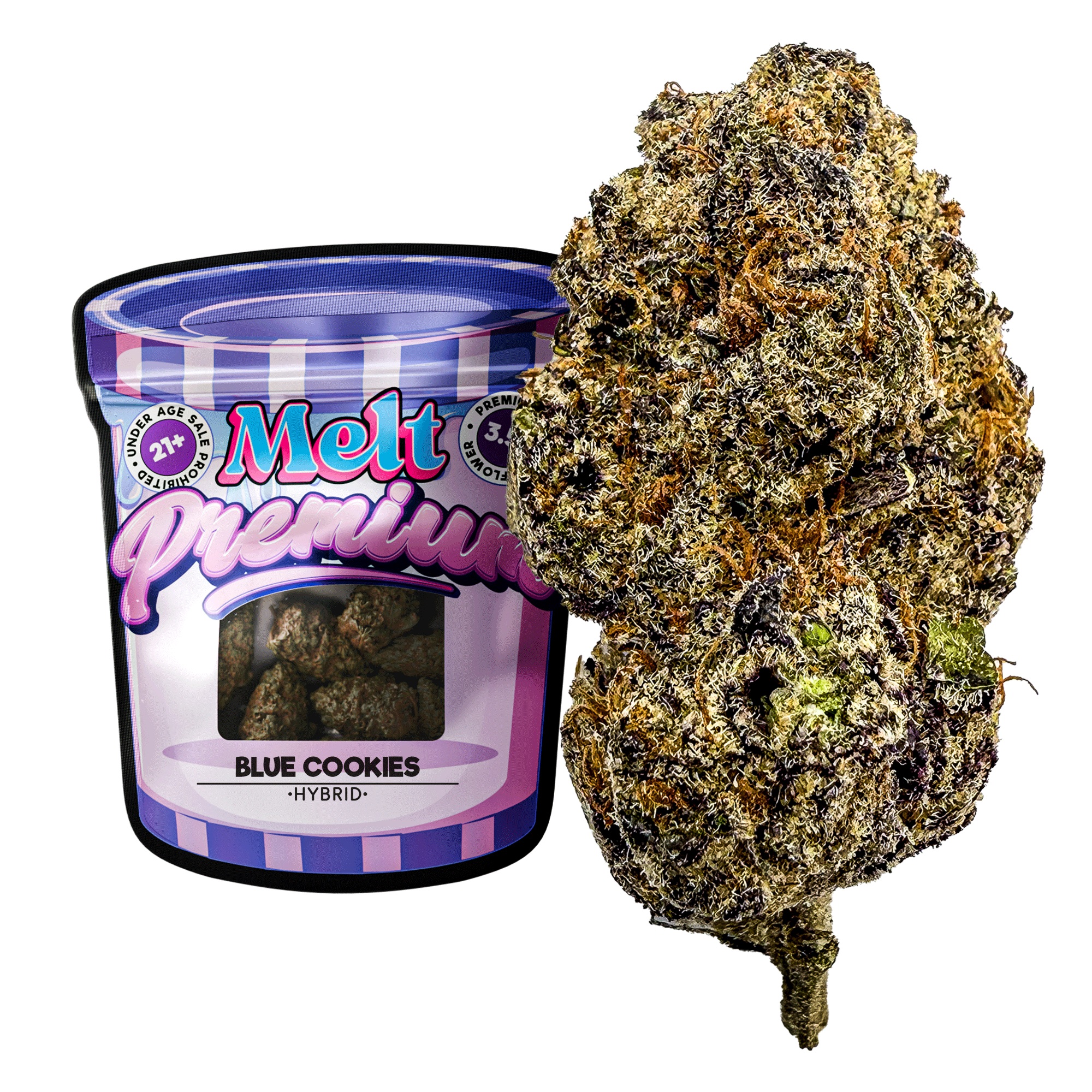
Ready to experience the pinnacle of consistency and flavor? Melt offers a curated selection of premium THCA flower and pre-rolls, all crafted with California passion and precision. Explore our collection and elevate your session today.
Your cart is currently empty.