



Free Shipping All Orders Over $95
You’re probably here because you’ve smelled it before.
Not just “weed,” but that sharp, funky, unmistakable skunk note that seems to hit your nose before the jar is fully open. It’s the kind of aroma that old-school smokers recognize instantly and newer consumers usually remember after a single encounter. A good local skunk strain doesn’t just smell loud. It smells like cannabis history.
That’s why Skunk still matters. It isn’t hype built on a flashy name or limited drop culture. It’s one of the genetic backbones that helped shape modern cannabis, and its influence still shows up in legal THCA flower sold today. If you buy carefully, you can still find that broad-shouldered structure, that penetrating aroma, and that balanced mix of vigor and resin in products made for the current hemp market.
For newer buyers, the phrase local skunk strain can be confusing. Is it just Skunk #1 with a different label? Is “local” a marketing term? Or does it tell you something useful about how the flower was grown, adapted, and expressed?
It does tell you something useful. But only if you know what to look for.
Later, a friend pulls out a jar. Before you even see the buds, the room changes. There’s a musky punch, a sour edge, maybe something earthy underneath it. You laugh because the smell is almost cartoonishly “skunky,” but in a good way. Not dirty. Not stale. Just bold and impossible to ignore.
That first impression is why Skunk became a legend.
A local skunk strain starts with that classic aromatic identity, then layers in whatever expression the grow environment and cultivation style bring out. Two growers can work with closely related Skunk-based genetics and still end up with noticeably different flowers. One might lean sharper and greener. Another might feel deeper, sweeter, or more fuel-tinged.
“Local” doesn’t mean random. It usually points to a version of Skunk that has been grown, selected, and passed along within a region long enough to develop a recognizable local expression.
Consider it similar to bread starter. The base culture matters, but so does the kitchen, the flour, the handling, and the habits of the person maintaining it. Cannabis works the same way. The core genetics set the range. The environment shapes the final voice.
That matters for consumers because aroma isn’t a side detail. Aroma gives you one of the best clues about terpenes, the compounds that help shape flavor and can influence how a strain feels in actual use. If you want a quick primer on that connection, this breakdown of what terpenes in weed are is worth reading before you shop.
A strong skunk aroma isn’t just nostalgia. It’s often a sign that the flower kept the traits people have valued in this family for decades.
When people get confused about Skunk, they usually make one of two mistakes. They either reduce it to a generic “old weed” category, or they assume every skunky flower is basically the same. Neither is right. Real Skunk lineage has a story, and local adaptation gives that story regional accents.
Skunk didn’t become famous by accident. Breeders built it for a reason.
The core lineage behind the local skunk strain traces back to Skunk #1, a foundational hybrid developed in the late 1970s by Sacred Seeds in California. It combined 75% Sativa genetics from Colombian Gold and Acapulco Gold landraces with 25% Afghani Indica for structure and resin, then breeders stabilized it through outdoor selections for traits like early flowering, dense resinous buds, and a pungent aroma, as outlined in this Skunk lineage guide.

Before stable hybrids became common, growers often dealt with more variation from plant to plant. Some were excellent. Some were weak. Some stretched too much. Some took too long to finish. Great cannabis existed, but consistency was harder to lock down.
Skunk #1 helped solve that.
Breeders took broad tropical energy from the Sativa side and paired it with the denser structure and resin production of Afghani Indica. That’s like building a work truck with a race-tuned engine and reliable suspension. You’re not just chasing one trait. You’re trying to make the whole machine perform better.
Skunk became a breeder’s favorite because it offered a rare mix of traits that usually don’t line up neatly.
The same lineage guide notes that selections from this family could produce yields exceeding 450 g/m² under 600–1000 µmol/m²/s lighting, while also showing mold resistance and tolerance for variable nutrient conditions in practical cultivation settings.
Practical rule: Foundational genetics matter more than trendy naming. If a strain family has stayed relevant for decades, it usually solved real cultivation problems.
Skunk’s rise wasn’t just about plant performance in one region. Seeds moved from California to the Netherlands by the early 1980s through breeders including Sam the Skunkman, and Skunk-type plants became central to the indoor cultivation boom of the 1980s and 1990s.
That migration matters because it turned Skunk from a successful breeding project into a global genetic engine. Once breeders had a stable, vigorous, high-performing hybrid to work with, they could build countless new combinations around it. That’s why calling Skunk the “mother” of hybrids isn’t just poetic. It reflects how often this line appears behind the scenes.
If cannabis genetics were a garage full of custom builds, Skunk #1 would be the dependable engine platform everyone keeps using because it starts, runs hard, and responds well to tuning.
Some modern strains are flashy body kits. Some are aggressive turbos. Some are all paint and no torque. Skunk was the engine block people trusted.
That reliability also made it memorable to consumers. It wasn’t just easy to grow. It produced flower with a distinct identity.
Skunk lineage left a long shadow, and not only in classic markets. A notable branch from this family is the 1988 UK Cheese phenotype from Sensi Seeds Skunk #1, which became a global classic for its smell. That one detail tells you how expressive this gene pool can be. A stable foundation can still produce standout phenotypes that become icons in their own right.
For modern buyers, the lesson is simple. When you see a local skunk strain on a legal THCA menu, you’re not looking at an invented concept. You’re looking at a descendant of one of cannabis’s most important breeding achievements.
A local skunk strain isn’t just “Skunk grown nearby.” It’s usually a regional expression of Skunk-based genetics that has been kept, selected, and refined in a specific place long enough for growers to recognize its habits.
That’s where newer shoppers often get tripped up. They hear “local” and assume the genetics changed completely. Usually, the base genetics are still recognizable. What changes is the expression.

Wine people use the word terroir to talk about how place affects the final product. Same grape. Different hillside, weather, handling, and soil feel. Different wine.
Coffee works the same way. A bean grown in one region can taste bright and citrusy, while a similar variety from somewhere else comes out more chocolatey or earthy.
Cannabis isn’t identical to wine or coffee, but the idea helps. A Skunk line grown and maintained in one region can drift toward a local expression because growers keep selecting for what performs best there.
Some local adaptation is straightforward. Growers keep clones because they like a specific cut. That preserves key traits and reduces genetic drift.
Some adaptation is subtler. The lineage guide notes that community growers perpetuated Local Skunk through clones while also allowing regional stressors such as latitude, pests, and IPM routines to shape expression over time. In plain language, the plant learns the neighborhood.
That doesn’t mean the DNA suddenly rewrites itself into a new species. It means the same family line can express itself differently under repeated local conditions.
Here, people often confuse “same strain” with “same result.”
That’s why one local skunk strain can feel tightly dialed in, while another looks more variable from jar to jar. The difference may reflect propagation style, not dishonesty.
Consumers usually care about one thing most. What does “local” do to the smoking experience?
The answer is mostly about terpene expression and overall flower character. Growers often report that acclimated local cuts show more terpene “pop” after settling into a region. That can translate into a more vivid nose, a clearer flavor break on inhale and exhale, or a more distinct identity compared with a generic commercial Skunk label.
Consider this simple breakdown:
| Terpene | Aroma Profile | Potential Effects |
|---|---|---|
| Myrcene | Earthy, musky, herbal | Often associated with a heavier, more settled feel |
| Caryophyllene | Peppery, warm, spicy | Often linked with a grounded body feel |
| Limonene | Bright, citrusy, lifted | Often associated with a more upbeat tone |
| Pinene | Fresh, sharp, green | Often described as clearer or more alert-feeling |
Those are common terpene directions people encounter in Skunk-adjacent flower, though the exact mix will vary by cut, grow, and cure.
Local expression doesn’t erase the old-school Skunk signature. It acts more like seasoning on a familiar recipe.
In legal THCA flower, “local” can be useful shorthand for buyers who want more than raw potency. You’re looking for a flower that carries history but still feels specific to where and how it was grown.
That’s especially relevant when brands position flower around clean, tested, strain-specific profiles. A local skunk strain can offer the recognizable backbone of Skunk genetics with a modern presentation that feels more polished and place-driven.
A lot of buyers make the same mistake. They look at one potency number, decide that’s the whole story, and miss the flower right in front of them.
A strong local skunk strain should be judged the way a cultivator judges a harvest. Start with your eyes. Then your nose. Then the paperwork.

Skunk family plants usually tell on themselves if they were rushed or handled poorly.
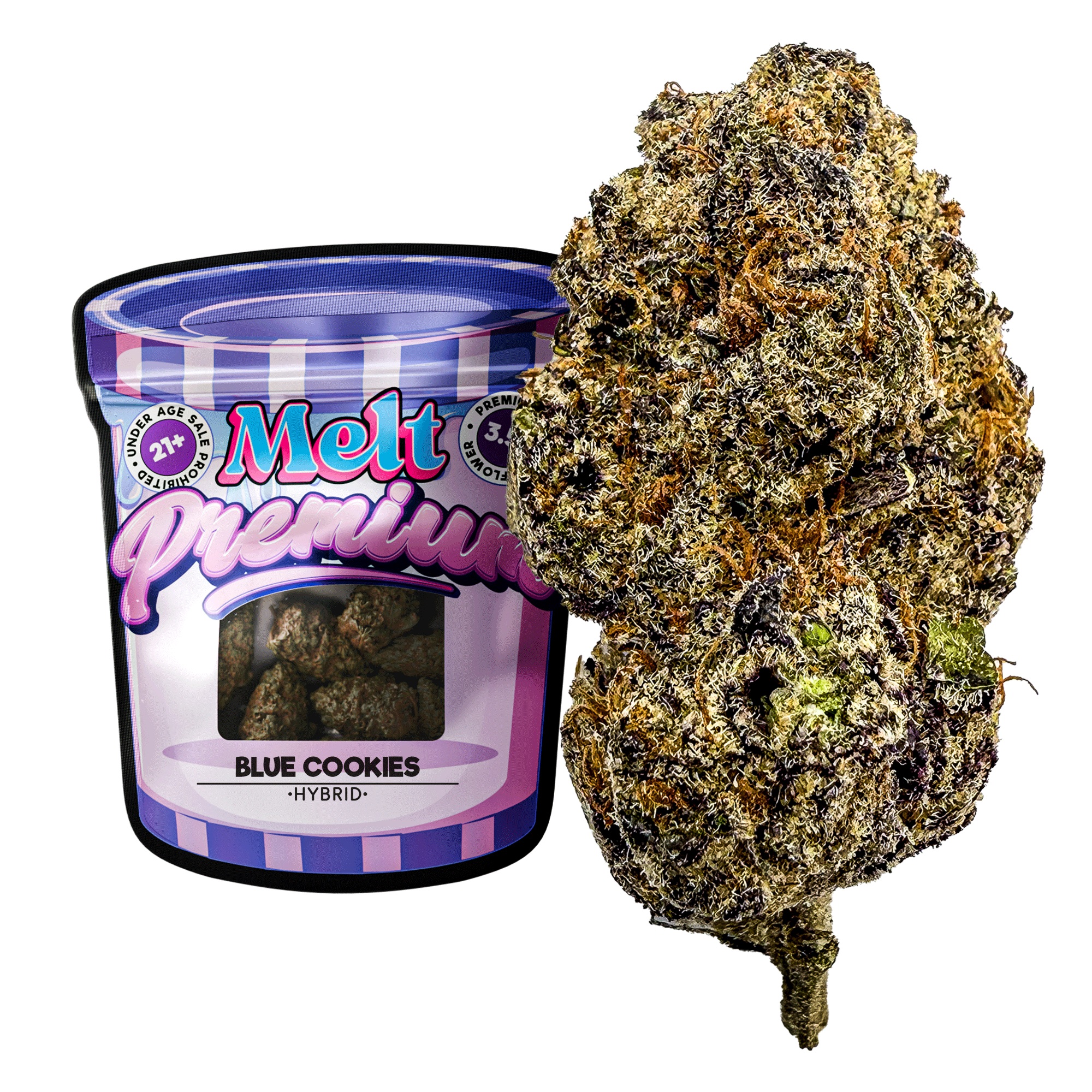
Look for buds that feel well formed rather than puffy and empty. Good local skunk flower often shows solid calyx development, visible resin, and a trim that leaves the flower intact rather than overworked. You don’t want it shaved into a pebble, and you don’t want it leafy enough to hide weak bud formation.
A few practical checks help:
Skunk should smell like it has something to say. Even if the profile leans sweet, earthy, or fuel-forward, the aroma should feel present and layered.
The simplest method is the jar-open test, followed by a gentle break of a small nug if legally and practically possible. The outside aroma can be quieter than the inside. Breaking flower often releases the full profile.
If all you get is dry hay, flat grass, or generic sweetness, something likely went wrong during drying, curing, or storage.
The nose usually reveals more than the label. Labels can be copied. Proper cure can’t.
Public cultivation notes for this family add useful context. According to this Local Skunk cultivation profile, the plant shows a 61-day flowering time, a 2:1-2.5:1 stretch, and a median feed regimen that works well for SCROG setups. The same source notes that while Local Skunk suits both novice and expert growers because of its disease resistance and structure, optimizing terpene profile still takes skill, and public data tying nutrient tweaks directly to terpene retention in legal THCA versions remains limited.
That last point matters more than it sounds like. It means if a brand claims beautiful flavor retention, the best way to verify that claim is not to trust the ad copy. It’s to inspect the flower and review the lab work.
A Certificate of Analysis, or COA, is where consumers either become sharp or stay easy to fool.
You don’t need a chemistry degree. You just need to know what questions the document should answer.
In legal hemp-derived THCA flower, you’re usually checking how the product distinguishes THCA from Delta-9 THC. The listing should be clear, not vague.
A terpene panel helps confirm whether the aroma story makes sense. If the product smells vivid but the report looks strangely thin, ask questions.
You want testing that addresses contamination concerns. A polished brand should make this easy to find.
The lot or batch on the product should line up with the report. If it doesn’t, that’s a red flag.
Here’s a useful visual explainer before you compare reports from different vendors:
Newer consumers often assume disease-resistant structure means “easy” flower and therefore average flower. That’s backward.
A cultivar can be forgiving in the garden and still be outstanding in the jar. In fact, reliable structure often gives a skilled grower more room to focus on dry, cure, and preservation of aroma. Those final handling steps often separate a memorable local skunk strain from one that just checks the box.
| Checkpoint | What you want | What to avoid |
|---|---|---|
| Aroma | Distinct, layered, skunky or clearly expressive | Flat, hay-like, stale |
| Texture | Slightly springy, not dusty dry | Crispy, brittle, crumbly |
| Appearance | Resin presence, healthy finish, solid trim | Dead-looking flower, excessive leaf |
| COA clarity | Clear cannabinoid and terpene data | Missing, outdated, hard-to-match reports |
If you treat quality like a full-sensory inspection instead of a single-number contest, Skunk starts making a lot more sense.
Buying legal THCA flower online is convenient, but convenience can make people sloppy. A local skunk strain worth your money should come from a seller that acts like it expects scrutiny.
The legal opening for this market comes from hemp rules tied to products that meet the required Delta-9 THC threshold. That’s why you’ll see flower sold as hemp even when the cannabinoid content clearly appeals to traditional cannabis consumers. But “legal to sell under a certain framework” doesn’t mean “buy from anyone with a website.”
A reliable online seller should make a few things obvious without forcing you to dig.
If you want a practical benchmark for what that shopping process should look like, this guide on how to buy THCA flower online gives a useful consumer checklist.
If a vendor uses lots of attitude and very little information, slow down.
A good local skunk strain listing should tell you something concrete about the flower’s profile, testing, and handling. Even when the seller keeps the copy short, the details should feel anchored in reality. You want language that helps you evaluate the product, not language that tries to rush you into a cart.
This part is simple. Even if a product is presented as federally compliant hemp, state and local rules can still affect whether it’s allowed where you live.
That means the burden isn’t only on the seller. It’s also on the buyer to check whether ordering that product makes sense in their location. Good brands usually help by restricting shipments where prohibited, but smart consumers still verify for themselves.
Buying online gets easier when the seller behaves like a lab-tested business, not a pop-up hustle.
Skunk lineage has enough history that poor examples stand out fast. If the flower is weak, overhandled, or vague in presentation, the problem usually shows. A true local skunk strain should arrive with enough identity that you can tell someone cared about the plant and the process.
A local skunk strain isn’t one-note. The same flower can feel social, grounding, loud, or surprisingly nuanced depending on how you use it and what kind of session you build around it.
That’s the part people often skip. They buy the flower, consume it however they always do, and then decide the strain itself is the whole story. But method changes experience.

If your ideal session is simple and familiar, flower still gives the clearest picture of what a local skunk strain is about.
You grind a little, notice the aroma opening up, and light just enough to get a read on flavor. This is the route for people who want the full shape of the cultivar, including the way the smell shifts from jar to grind to smoke.
A quiet evening, a record, maybe tea on the table. Skunk works well here because it tends to bring a sense of personality. It doesn’t disappear into the background.
Vapor is often the better tool if you care most about aromatic detail.
Combustion can be satisfying, but it also bulldozes some of the subtle notes. With a good vapor setup, you can often separate the greener top notes from the deeper musky body of the flower. It’s a bit like hearing the full mix of a song instead of blasting it through one old speaker.
If you’ve ever thought, “I know this strain smells more complex than it tastes when I smoke it,” vaping is usually where that missing detail shows up.
Some nights you don’t want to break out a grinder, papers, or tools. That’s where pre-rolls make sense.
A Skunk-leaning pre-roll is best when you want the old-school feel without the ritual work. You still get the directness of flower, but with less friction. That makes it useful for low-effort social settings, a walk, or the end of a long day when you’d rather not turn the session into a project.
Different settings can pull out different sides of the same flower.
Good cannabis sessions are designed, not stumbled into. The strain matters, but the setting is part of the chemistry too.
Skunk has a reputation for being approachable because the lineage is familiar and balanced. That doesn’t mean every modern expression lands softly.
A tested THCA version may feel stronger than the old stories in your head suggest. If you’re trying a new local skunk strain, take a small read first. Especially if the nose is loud and the resin looks serious. Strong aroma often hints at a flower with a lot going on.
The best cannabis experiences usually involve tiny acts of care.
Use clean glass. Don’t torch the bowl into charcoal on the first hit. Let the flower breathe for a minute after grinding. Store your session jar properly between uses. Notice whether the flavor changes halfway through. These details sound minor, but they’re how you stop treating premium flower like a disposable commodity.
Skunk rewards that attention because it has a recognizable voice. When the flower is good, it gives you enough feedback to notice the difference between rushed consumption and a well-built session.
By the time you’re ready to buy, the goal is simple. Get a local skunk strain that’s properly tested, properly handled, and still lively when it reaches you.
That means buying discipline matters just as much as strain choice.
Use a short filter before you spend money:
Even excellent flower can go flat if you store it badly. Light, heat, and excess air all work against the traits you paid for.
Keep your flower in a sealed container, away from direct sunlight, and away from hot spots like cars, windowsills, or electronics. Open it when you need it, then close it again. Repeated exposure dries flower out and weakens the aroma.
If you want a straightforward guide, this article on how to store THCA flower covers the basics clearly.
A few common mistakes ruin flower faster than people expect.
Skunk remains a cornerstone of cannabis culture because it combines history, function, and identity. A good local skunk strain carries all three. Buy carefully, store it well, and you’ll understand why this family still earns respect.
If you want legal, lab-tested hemp-derived cannabinoids from a California-focused brand, Melt offers THCA flower, disposables, prerolls, and edibles backed by transparent testing, clean strain-specific terpene profiles, and discreet shipping where permitted.
Your cart is currently empty.