



Free Shipping All Orders Over $95
You’re probably here because your situation feels contradictory.
You’re using a legal hemp-derived product. You’re checking labels. You’re buying from brands that publish lab reports. Then an employer, school, court program, or athletic organization asks for a drug test, and suddenly “legal” doesn’t feel very protective.
That tension is real. A thca drug test question isn’t just about chemistry. It’s about whether a responsible adult can understand their risk before they make a choice.
A lot of the confusion comes from the way these products are discussed. People hear that THCA is different from THC, which is true. Then they hear that THCA can still lead to a positive result, which is also true in many situations. Both statements can exist at once. The missing piece is understanding when, why, and how that happens.
This guide is built for that exact gap. Not fear, not shortcuts, not internet myths. Just a clear explanation of what standard tests look for, how heating changes the equation, how to read a lab report, and what habits lower risk for consumers who want to stay informed.
A common version of this story looks like this.
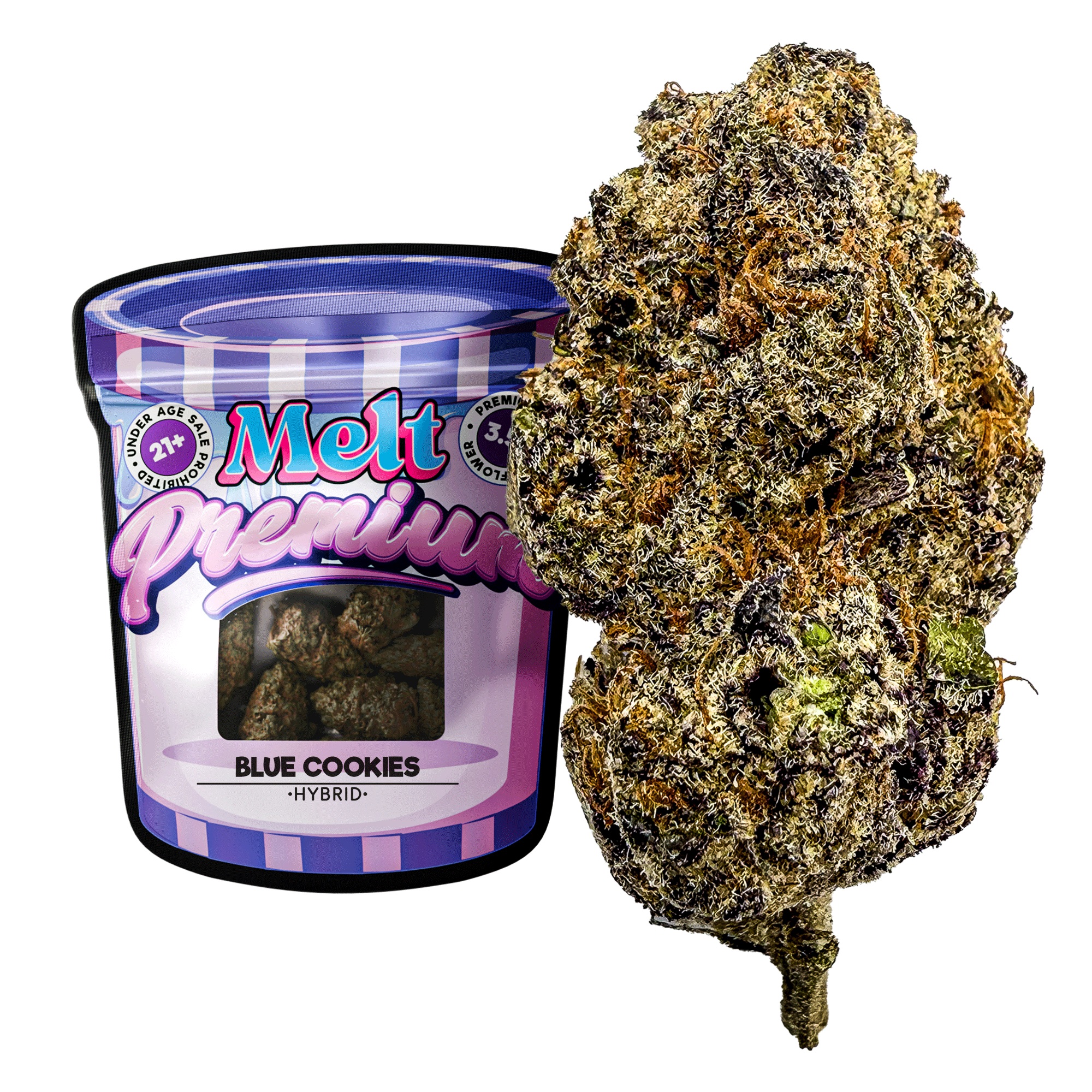
Someone buys premium THCA flower because they want a well-grown, terpene-rich hemp product that stays within hemp compliance on paper. They aren’t sneaking around. They’re reading package details, checking potency, and treating cannabis the same way a wine drinker treats a bottle list. Then a new job opportunity appears, or a routine workplace screening gets scheduled, and the first thought is immediate: Will this show up?
That question gets harder because the internet gives two extreme answers.
One side says legal THCA is basically safe because it isn’t Delta-9 THC on the front label. The other side says any contact with THCA means automatic failure. Neither answer is useful on its own.
The truth sits in the mechanics. Standard tests usually aren’t hunting for “THCA” by name. They’re looking for the byproducts your body creates after THC enters your system. That means the form you use, the way you use it, and the amount you use matter more than the marketing language on the jar.
Three things create most of the confusion:
Practical rule: If your livelihood depends on passing, treat product legality and drug-testing safety as two separate questions.
That’s the modern dilemma. You can be careful, informed, and fully adult about your choices, and still need a much better map than “yes” or “no.”
THCA stands for tetrahydrocannabinolic acid. It is the raw cannabinoid present in cannabis and hemp before heat changes its chemistry.
That first distinction matters because consumers often read a label that says “THCA” and assume it behaves completely differently from THC in every context. Inside the body, the more useful question is narrower. Was the THCA kept raw, or was it heated and converted into THC?
If you want a broader primer on the compound itself, this breakdown on what THCA is and how it works is a useful companion.
THCA works like a precursor. A simple way to understand it is to view THCA as a key that has not been cut yet. In its raw form, it has a different shape and does not follow the same metabolic path that drug tests commonly flag.
Heat changes that. Smoking, vaping, dabbing, or baking can trigger decarboxylation, the process that converts THCA into THC. Once that conversion happens, your body starts processing THC and forming metabolites such as THC-COOH, which is the compound standard cannabis tests are usually designed to detect.
The truth lies in the mechanics. A product can start as legal, compliant THCA and still create the same testing concern after heated use.
Once THCA becomes THC, the body handles it much like THC from other cannabis products.
Here is the simple chain of events:
This is the part many shoppers miss when they rely only on front-label language. The jar tells you what was sold. Metabolism determines what may be detected.
Raw THCA sits in a different category because the conversion step is limited or absent. That is why raw juicing, unheated tinctures, or carefully handled non-decarbed products are often discussed separately from smoked flower or vape oil.
Still, “different” does not mean “safe.” Small amounts of Delta-9 THC may already be present in a product. Accidental heating during processing, storage, or preparation can also change the equation. Here, brand transparency matters. A clear COA helps you see how much THCA is present, how much Delta-9 THC is already there, and whether the product gives you a wider or narrower margin for testing risk.
The practical takeaway is straightforward. THCA itself is not usually the main target. Conversion is the pivot point. If your use method applies heat, your body is much more likely to create the same metabolites a standard cannabis test is built to find.
Most workplace cannabis testing follows a two-step model. That’s important because many people think a single quick screen decides everything. In reality, standard programs often use an initial broad screen and then a more precise confirmation if needed.
According to a 2017 NIH-reviewed analysis of workplace testing protocols, standard workplace urine testing uses an initial immunoassay screen with a cutoff of 50 ng/mL for marijuana metabolites, followed by GC-MS confirmatory testing at 15 ng/mL. That dual-threshold system is designed to improve specificity and reduce false positives.
The first stage is the immunoassay.
It’s fast and widely used. Think of it as a sorting tool. The lab uses it to identify samples that may contain marijuana metabolites above the screening threshold.
What matters here is that the test is not trying to tell the whole story with perfect precision. It’s answering a narrower question: Does this sample deserve a closer look?
If the initial screen comes back positive, the sample can move to Gas Chromatography-Mass Spectrometry, usually shortened to GC-MS.
GC-MS is much more specific. It identifies the metabolite with far greater confidence. That’s why people shouldn't assume every “positive” starts and ends with a cheap strip test. In a formal workplace setting, the confirmation stage is the part that gives the result its weight.
A lot of consumers hear “drug test” and imagine a yes-or-no alarm. Labs don’t operate that way.
They work with cutoff levels. If the metabolite concentration is below the screening threshold, the result may not move forward as a positive. If it exceeds the threshold, the sample can be confirmed using a more sensitive method.
That’s why concentration matters so much. The issue isn’t just whether THC-COOH exists at all. The issue is whether it appears at or above the relevant testing threshold.
For a THCA consumer, the practical lesson is direct:
That also explains why a compliant hemp label doesn’t settle the testing question. A package can legally show low Delta-9 THC in its raw pre-use form, while still containing enough THCA to produce meaningful THC after heating.
Lab reality: Drug testing programs are built around metabolite detection, not around consumer intent or product marketing.
Urine remains the dominant workplace format. The same NIH-reviewed source notes that urine accounts for over 90% of workplace screenings because it’s non-invasive and cost-effective. For most adults worried about employment screening, urine is the first scenario to understand.
That doesn’t mean blood, saliva, and hair are irrelevant. They just answer different timing questions, and they’re often used in different settings.
A good way to think about the system is this:
| Test stage | What it does | Why it matters |
|---|---|---|
| Initial immunoassay | Broad screen for marijuana metabolites | Fast first pass |
| Confirmatory GC-MS | Verifies the metabolite more precisely | Reduces mistaken positives |
If you’re trying to assess your thca drug test risk, this is the core point. The test is not asking whether you bought legal hemp. It’s asking whether your body produced the metabolite pattern associated with THC exposure.
Once you know what the tests are looking for, the next question is timing. People often overgeneralize about it.
Different test types answer different questions. A urine test is usually used for recent to moderate history. A hair test is designed to capture a much longer view. A saliva test is more tied to recent exposure. Blood is usually closer to immediate or short-term use.
Hair follicle testing can detect cannabis metabolites for up to 90 days, while blood generally detects use for 1 to 3 days, saliva for 24 to 72 hours, and urine for 3 to 30+ days, according to this detection-window summary.

For a deeper look at the broader timeline question, see this guide on how long THCA stays in your system.
Here’s the clearest way to compare common formats.
| Test Type | Occasional User (1-2x/week) | Moderate User (3-4x/week) | Chronic User (Daily) |
|---|---|---|---|
| Urine | 3-7 days | 1-2 weeks | 30+ days |
| Blood | Short window, generally within 1-3 days | Short window, generally within 1-3 days | Short window, generally within 1-3 days |
| Saliva | Usually within 24-72 hours | Usually within 24-72 hours | Usually within 24-72 hours |
| Hair | Can register within the broader up to 90 days window | Can register within the broader up to 90 days window | Can register within the broader up to 90 days window |
For most readers, urine is the one that matters most because it’s the format most often used in workplace screening.
The reported window depends heavily on frequency. Occasional users often clear faster. Chronic users can remain detectable much longer, especially because THC-COOH is fat-soluble and can persist.
That’s why a person who uses once in a while should not assume the same timeline as someone who uses every evening.
Hair isn’t about what happened yesterday.
It’s used when organizations want a longer pattern of exposure. That’s why it can create a very different risk calculation. Someone who stops using and feels fully clear may still have a problem if the screening method is hair rather than urine.
Hair testing is less about immediate impairment and more about historical use patterns.
Blood and saliva usually matter when the question is recent use.
That’s why they show up more often in roadside, post-incident, or immediate-check settings than in standard employer pre-employment workflows. Their shorter windows make them less useful for detecting older use and more useful for recent exposure.
People often ask, “How long does THCA stay in your system?” as if there’s one universal answer.
There isn’t. The better question is: Which biological sample is being tested, how often do you use heated products, and how much time has passed since your last use?
That framing gives you a real risk estimate. The one-size-fits-all version doesn’t.
A third-party lab report, often called a Certificate of Analysis or COA, is one of the most useful documents a cannabis consumer can read. It won’t guarantee a passing drug test, but it will tell you what you’re buying before you consume it.
That matters because marketing language can be vague. A COA is where the chemistry gets specific.

If you want to practice with real examples, browse a brand’s published lab reports and compare how different products list cannabinoids.
When you open a COA for THCA flower, focus on these fields first:
The point isn’t just legal compliance. It’s understanding what the flower can become after heat is applied.
To estimate potency after decarboxylation, consumers often use this formula:
Total Potential THC = (THCA % × 0.877) + Δ9-THC %
That calculation helps translate a raw cannabinoid label into a more realistic “what happens if I smoke this?” number.
For example, if a flower has a high THCA percentage and a compliant Delta-9 THC percentage, it may still produce strong THC exposure after heating. That’s the exact disconnect that confuses many consumers who assume “legal hemp” means “low test risk.”
A COA doesn’t just tell you whether a product is compliant. It tells you whether your assumptions are.
Once you’ve checked the core cannabinoid panel, look for quality basics:
A quick visual walkthrough can help if COAs still feel dense at first.
A COA doesn’t tell you how fast your body metabolizes cannabinoids. It doesn’t predict your exact detection window either.
What it does do is remove one major unknown: product strength.
If you can read the THCA field, the Delta-9 THC field, and the potential THC calculation, you’re no longer guessing from a strain name or flavor description. You’re making decisions from actual lab data, which is the smartest place to start when a thca drug test is part of your reality.
You buy a legal THCA product, check the lab report, and still have a test on the calendar. That is the core dilemma for compliant consumers. The question is not just whether the product is legal. The question is how much testing risk your specific product and your specific habits create.
If you need a guaranteed outcome, the only dependable option is enough time without use. For everyone else, the goal is to reduce avoidable risk by controlling the variables you can control.
The first variable is heat.
Raw THCA and heated THCA should not be treated as the same exposure category. Once you smoke, vape, dab, or cook THCA at high heat, you convert much of it into delta-9 THC. Your body then processes that THC into the metabolites many drug tests are designed to find.
Raw use is different chemistry. Heated use is different chemistry.
That distinction matters because many consumers still hear "hemp-derived" or "federally compliant" and assume the testing risk is similar across every format. It is not. A raw tincture, a THCA flower pre-roll, and a high-potency concentrate may all fit under a compliant label, but they can create very different outcomes once use begins.
One strong session and a repeated routine do not leave the same metabolic footprint.
A simple way to think about it is a sink with a slow drain. If small amounts are added occasionally, the sink may clear faster. If more is added day after day, the level stays higher for longer. That is why someone using only on weekends can still carry more risk than they expect, especially if those sessions involve potent flower or concentrates.
Consumers who want a realistic view of test exposure should track three things together:
Earlier, the COA helped answer a product question. Here, it helps answer a behavior question.
If you are comparing two compliant products, the better question is not "Which one is legal?" Both may be. The better question is "Which one gives me less cannabinoid exposure for my intended use?" That is where brand transparency becomes more than a marketing promise. It becomes practical protection against bad assumptions.
A clear third-party COA lets you estimate whether a product is likely to be a lighter or heavier exposure choice. If you plan to heat the product, a high THCA percentage should be read as a higher-risk signal. If the labeling is vague, the batch number is missing, or the report looks generic, you are no longer making a careful decision. You are guessing.
Two adults can use the same product in the same way and still clear metabolites at different rates.
Body composition, metabolism, total dose, and repeat use all shape the result. None of those factors cancel out the product itself, but they do explain why one person's timeline should never be copied as your own. Drug-test risk works more like weather than a train schedule. You can identify patterns, but you cannot promise the exact minute conditions will change.
Consumers who want to stay compliant-aware should keep their approach simple and disciplined:
The strongest risk-reduction strategy is not a trick. It is clarity. Know what is in the product, know what heat changes, and know how often you are adding to your total exposure. That is how compliant consumers make informed choices without assuming that "legal" automatically means "low risk."
Some questions don’t need a long article. They need a direct answer.
A helpful frame comes from this overview of THCA metabolite persistence, which notes that urine testing commonly spans 3 to 7 days for occasional users and over 30 days for chronic consumers, while saliva tests are mainly limited to 1 to 24 hours and focus on recent oral exposure.
Yes, you can, especially if you smoke or vape it.
The legal status of the product doesn’t change the core testing issue once heat converts THCA into THC and your body forms metabolites.
No. Raw, non-heated use appears to carry a lower risk profile than heated use.
But lower risk doesn’t mean zero risk in every scenario. Product composition, handling, trace cannabinoids, and your specific test circumstances still matter.
There’s no honest basis to promise that.
People often want a hack because the uncertainty is stressful. But if the metabolite is present above the testing threshold, quick-fix products don’t offer dependable certainty. Time and non-use are the variables people can count on most.
In ordinary real-world settings, that’s generally considered unlikely.
Still, if someone is in a tightly enclosed space with heavy smoke exposure, that’s not a situation to casually dismiss. If a test is high-stakes, minimizing any unnecessary exposure is the sensible move.
Because drug tests usually aren’t legal-compliance tests.
They don’t ask whether the product was sold lawfully. They ask whether your body contains the targeted metabolite pattern. Those are different systems with different rules.
Drug-testing policy often lags behind product innovation. Consumers end up managing that mismatch themselves.
That depends on the context.
Urine is the most common workplace concern. Hair is the long-history concern. Saliva and blood are more relevant when someone is being checked for recent use.
Keep it simple:
That won’t satisfy people looking for a magic answer. It will satisfy people who want the honest one.
The most important point is this. THCA itself is not usually what standard drug tests are targeting. The problem begins when heat converts THCA into THC, and your body then creates the metabolites that testing programs flag.
That’s why a thca drug test question can’t be answered by legality alone. You need to think about form of use, test type, frequency, and product strength.
The strongest habit an informed consumer can build is reading the COA before buying. If you understand THCA percentage, Delta-9 THC percentage, and total potential THC, you stop relying on packaging language and start making decisions from chemistry.
That version of cannabis education informs consumers. Know what’s in the product. Know what your method of use changes. Know what the test is looking for.
If a screening matters, don’t leave your risk assessment to internet folklore.
If you want premium hemp-derived products backed by transparent testing, explore Melt. Their California-crafted lineup includes THCA flower, disposables, prerolls, and edibles, with published lab reports that make it easier to shop with your eyes open.
Your cart is currently empty.