



Free Shipping All Orders Over $95
You've got an audience that trusts your take on THCA flower, disposables, or edibles. People ask what you're smoking, what's worth the money, and what you'd buy again. That's usually the point where affiliate marketing starts to look attractive.
Then the confusion hits.
Generic guides tell you to “sign up for a network,” post links, and collect commissions. That advice falls apart fast in hemp. In this category, affiliate program requirements aren't just about traffic, content, and payout details. They're also about age-gated access, state shipping restrictions, platform rules, lab transparency, and whether your content creates legal risk for the brand.
A creator can have a loyal audience and still get rejected because their site looks thin, their disclosures are sloppy, or their content doesn't show any understanding of hemp compliance. That happens more often than people expect.
If you're trying to turn cannabis content into real affiliate revenue, you need a cleaner standard than the usual blogging advice. You need to know what brands in a high-risk category screen for, what gets applicants approved, and what gets them removed later even after they're accepted. If you want to see what a dedicated cannabis affiliate portal looks like, review a live example like this affiliate home page.
A common scenario looks like this. You've built a niche page around strain reviews, legal hemp education, or product roundups. Your engagement is solid. People save your videos, reply to your stories, and ask for links. You're already influencing buying decisions, but you're not getting paid for it yet.
That's where many creators make the wrong assumption. They think approval depends mostly on follower count.
In practice, cannabis affiliate programs look at risk first. A brand wants to know whether you can drive sales without creating compliance problems. In THCA, that means your content, your audience geography, your tone, and your disclosures matter as much as your reach.
A good applicant usually looks less like a casual influencer and more like a reliable media partner. Their pages are consistent. Their recommendations fit the niche. Their posts don't drift into medical claims. Their audience isn't random. They've got enough structure that a brand can trust them with live tracking links and promotional assets.
Most rejections in this space don't happen because a creator is “too small.” They happen because the application makes the creator look unpredictable.
That's the fundamental shift. You're not asking for free samples or a coupon code. You're applying for a business relationship in a category that gets extra scrutiny from payment providers, ad platforms, and regulators.
The creators who do well understand that early. They show they can sell without cutting corners, and they treat affiliate program requirements like operating standards, not paperwork.
Affiliate applications work a lot like job applications, except the brand is hiring for trust as much as reach. They want evidence that you can represent the product well, follow the rules, and bring the right audience.
The opportunity is large enough that brands can be selective. The global affiliate marketing industry is valued at $27.8 billion and is projected to reach $48 billion by 2027, and more than 80% of brands now use affiliate programs, according to affiliate marketing industry statistics compiled by Afftank. That scale creates room for serious creators, but it also means weak applications are easy to pass on.

A strong application tells a clear story about who follows you and why they listen. “Cannabis audience” is too broad. “Adults who buy legal hemp online, care about terpene profile, and ask for product comparisons” is useful.
Brands also look for signs that your audience is active rather than inflated. Comments, repeat visitors, return viewers, time spent with your content, and realistic engagement patterns all help. If your traffic spikes randomly with no niche consistency, that creates more questions than confidence.
A creator can be talented and still be a poor fit. If your content leans heavily into memes, shock clips, or recycled news, a premium hemp brand may assume your audience clicks but doesn't buy. If your content already includes product education, usage context, compliance-aware language, and a polished presentation, the fit is much better.
What works well:
What doesn't work well:
Most affiliate managers notice the basics first. Does the site have working pages? Is the contact information real? Are your brand mentions thoughtful? Do you answer application questions clearly?
Practical rule: A strong application reduces uncertainty. A weak one creates extra work for the affiliate manager.
That's the simplest way to think about affiliate program requirements. You're proving that approving you is low risk and commercially worthwhile.
Before a program can approve you, track you, or pay you, it needs clean onboarding information. This is the part many applicants rush through, and it's where avoidable delays start.
In hemp, the baseline standard is straightforward. You need to be of legal age for the category, located where the program can legally work with you, and able to provide accurate identity and payment details. If any of that is unclear, approval usually stalls.
Have this information organized before you apply:
This isn't just administrative cleanup. It tells the brand that you treat affiliate income like business income.
If you're promoting regulated hemp products, compliance literacy should show up in your application materials too. That includes understanding product testing, labeling, and how brands substantiate what they sell. One easy way to sharpen that knowledge is to review a practical breakdown of how to read a Certificate of Analysis, because COAs are part of how serious hemp brands validate product claims.
A creator who understands third-party lab reports is usually easier to onboard than one who only knows how to post discount codes.
Some brands will also review whether your setup is capable of supporting a legitimate affiliate relationship. For cannabis-adjacent products, a compliant program needs a dedicated, age-gated digital point of sale, a live storefront, and reliable tracking infrastructure, as outlined in these affiliate program setup requirements from Post Affiliate Pro. That matters to affiliates because it affects whether sales can be tracked correctly and whether links can be restricted in prohibited jurisdictions.
If a brand doesn't have clean tracking and compliance controls, affiliates end up arguing over attribution, reversals, and blocked orders. Good programs solve that before recruiting partners.
The practical takeaway is simple. Bring your paperwork, bring your real operating details, and apply like someone who expects to get paid properly.
Your site, channel, or profile answers the most important unspoken question in the application review. If a brand sends traffic and trust through you, what happens next?
That's why your digital presence matters so much. The affiliate manager isn't just checking whether you exist. They're checking whether your platform can carry commercial intent without looking reckless.

Mid-tier affiliate networks such as CJ Affiliate, Rakuten Advertising, and Impact generally expect publishers to have an established audience presence with around 1,000 to 10,000 monthly unique visitors as a guideline, according to Post Affiliate Pro's overview of traffic expectations for affiliate network acceptance. The same source notes that a publisher with 5,000 monthly visitors can still gain approval by showing strong engagement, including a 35% bounce rate and a 40% return visitor rate. Premium programs can raise the bar to 10,000 to 50,000+ monthly visitors, but they still prioritize audience quality over raw volume.
That tells you what affiliate managers are doing. They're screening for fit and engagement, not just size.
A good hemp affiliate platform usually has a few obvious traits:
The standard is higher for premium products. If your site looks disposable, the brand assumes your traffic is disposable too.
Here's a quick review lens many managers use:
| Platform signal | What it suggests |
|---|---|
| Original reviews with product context | You can influence actual purchase decisions |
| Returning audience behavior | People trust your recommendations |
| Clean navigation and working pages | You're maintaining the property |
| Generic AI-style posts with no point of view | Low conversion value and brand risk |
| Mismatched audience and product niche | Poor fit, even if traffic is real |
THCA and hemp buyers tend to ask more questions before purchasing. They care about sourcing, potency format, legality, and test transparency. Your content should reflect that.
A quick “fire review” with no context may work in casual lifestyle categories. It usually doesn't carry enough weight here. Better-performing content explains who a product is for, how it differs from another format, what an informed buyer should verify, and what not to expect.
The best affiliate content in hemp doesn't sound like an ad. It sounds like a competent recommendation from someone who understands the product and the constraints around it.
If your platform already does that, the application is easier. If it doesn't, fix the platform before you apply. That's usually faster than trying to explain weak content in an email.
A lot of new affiliates focus on getting approved and barely read the payout terms. That's a mistake. Commission structure tells you whether the program is built to last and whether your content style fits the way you'll earn.
Most hemp affiliate programs for physical products run on a pay-per-sale model. You send the buyer through your tracked link, the buyer places a qualifying order, and the platform attributes that order to your account if it falls within the program's rules.
For physical goods like high-potency edibles and THCA flower, commission rates typically trend toward 10 to 15%, according to Tapfiliate's guidance on building an affiliate program. The same source notes that brands often wait until they reach at least $1M in annual revenue before launching, so they can sustain affiliate payouts without damaging margins.
That explains a real trade-off in this niche. Strong products often carry heavier costs tied to testing, fulfillment, and compliance. Brands can't promise aggressive commissions if the economics don't support them.
Before you accept any program, look at these details:
These terms matter more than promotional copy. A program can advertise attractive percentages and still pay poorly if reversals are common or if the attribution rules are narrow.
Affiliate payouts are taxable income. If you're an independent contractor, you should expect to handle your own records, reporting, and tax planning. Many U.S. affiliates will receive year-end tax documentation from the program, often after submitting a W-9 during onboarding.
Treat affiliate income like business revenue from day one. Track payouts, keep copies of agreements, and don't wait until tax season to reconstruct your records.
That habit saves a lot of pain later, especially if affiliate revenue turns into a meaningful part of your income.
General affiliate advice typically falters.
In most categories, bad affiliate content is just ineffective. In THCA and hemp, bad affiliate content can get links shut off, orders blocked, or relationships terminated. Compliance isn't side paperwork here. It's part of the sales process.

A major issue is geographic clarity. A 2025 industry analysis noted that 68% of cannabis affiliate applications were rejected due to “unclear geographic compliance strategies,” according to Right Side Up's analysis of affiliate program prerequisites in cannabis. For THCA affiliates, that means you can't treat legality as a footnote. You need to know where your audience is and whether your promotional reach crosses into restricted states.
If your audience is national but product availability isn't, your content can't pretend every viewer is eligible to buy. Strong affiliates acknowledge restrictions plainly. Weak affiliates post broad promotional language and hope the checkout page catches the problem.
That's backward.
A better approach is to build content that reflects actual shipping boundaries and restricted jurisdictions. If you need a baseline on how brands in this category think about regulated marketing, review a practical compliance overview like this cannabis industry compliance resource.
Some mistakes lead to fast rejection or removal:
These aren't cosmetic issues. A brand that ignores them exposes itself and its affiliates to unnecessary risk.
Compliance-focused affiliates tend to last longer because they know when not to publish.
A buried note on a profile page isn't enough. If you're posting a product review, story sequence, video description, or blog post with affiliate links, the disclosure should appear where a normal user will see it.
That means clear language, not legal camouflage. “I may earn a commission from qualifying purchases” works better than trying to hide the relationship behind jargon or abbreviations that most users won't understand.
A short explainer can help if you're building a team workflow or content process:
The highest-risk affiliates usually make the same set of errors. They overpromise, oversimplify legality, and treat every platform the same. That can create a short burst of clicks, but it doesn't build a durable business.
The better model is slower and more disciplined. You publish for adults. You disclose clearly. You avoid medical framing. You respect state limits. You send traffic that's likely to convert cleanly rather than traffic that creates refunds, blocks, and compliance review.
That's what separates a temporary affiliate account from a long-term revenue channel.
Before you apply, make sure the fundamentals are in place. Most affiliate managers can spot a rushed application in a minute or two.

| Question | Answer |
|---|---|
| Can I apply if I mostly use social media? | Yes, if your account is original, niche-relevant, and professionally maintained. But a standalone site or newsletter often makes you look more stable and easier to evaluate. |
| Do I need a website to get approved? | Not always. Some programs accept creators with strong social channels. A website still helps because it gives you a controlled place for disclosures, evergreen content, and compliant link placement. |
| How should I disclose affiliate links on Instagram or TikTok? | Put the disclosure where users will see it with the promotion itself. Don't hide it on a profile page and assume that covers every post. |
| What if state rules change? | Update or pause affected content fast. In THCA, old posts can become a liability if they keep sending traffic from restricted jurisdictions. |
| Can I mention effects? | Be careful. Product description is one thing. Medical or therapeutic claims are another. If your wording sounds like a health promise, rewrite it. |
A strong hemp affiliate application is usually less about hype and more about evidence. Show that your audience is real, your content is useful, and your promotional habits won't create avoidable risk.
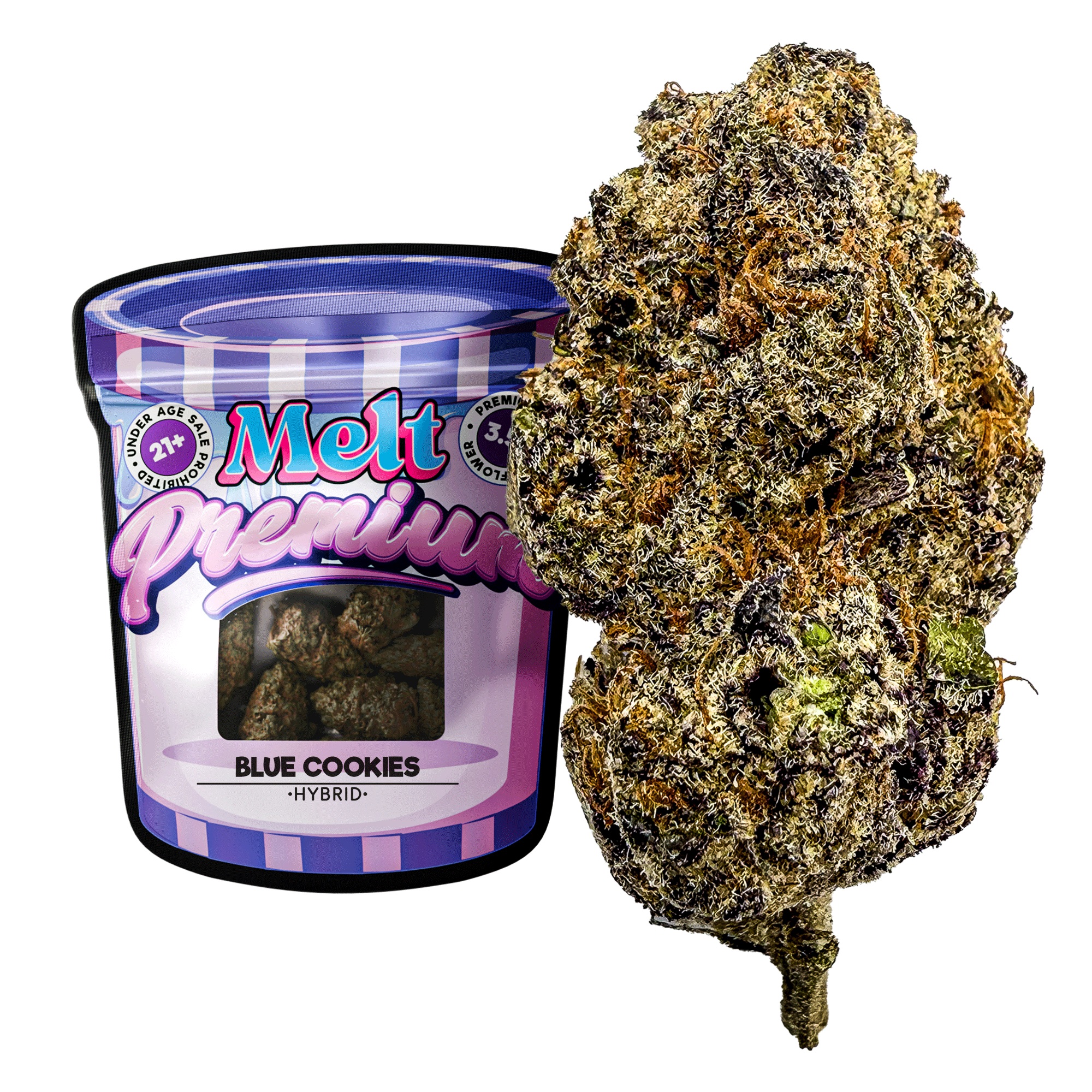
If you want to work with a brand that takes legal hemp, product quality, and partner support seriously, explore the affiliate opportunity at Melt. Their lineup spans THCA flower, prerolls, disposables, and edibles, with an age-gated shopping experience, third-party testing, and shipping restrictions that reflect the realities of this category. That kind of operational discipline makes a big difference when you're building affiliate revenue that you want to keep.
Your cart is currently empty.