



Free Shipping All Orders Over $95
You're probably seeing the same thing a lot of adults see right now. You search for gummies, vapes, or flower online, and the label says hemp-derived. The product looks potent. The packaging looks polished. It may even resemble products you'd expect to find only in a licensed cannabis shop. Yet it's being sold online and shipped in places where that seems surprising.
That confusion makes sense.
Reading “hemp-derived” can lead to the assumption that it means one of two things. Either it must be weak, like old-school CBD, or it must be a legal trick hiding regular THC in plain sight. In reality, both assumptions can miss the mark. Some hemp-derived products are mild. Some are intoxicating. Some are close to the plant. Others are made through a conversion process that most labels barely explain.
If you've been asking what does hemp derived mean, the short answer is this: it's a legal classification first, not a complete description of how a product was made, how it feels, or how natural it is. That gap is where most of the confusion lives.
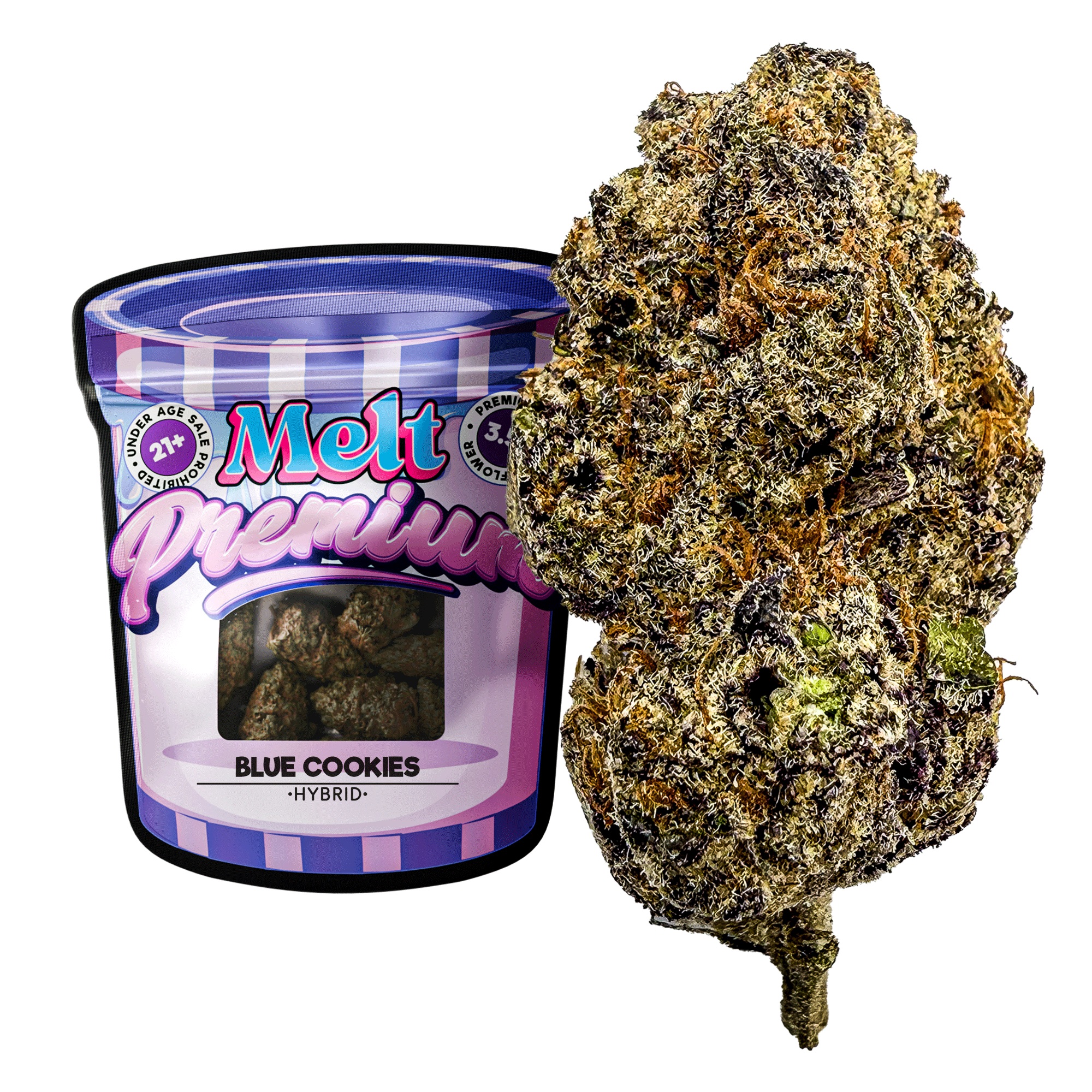
A common buying moment goes like this. You open a product page for THCA flower, Delta-8 gummies, or a vape. The site says the item is federally legal because it's hemp-derived. Then you look at the photo and think, this looks just like cannabis. Maybe you've even seen the same strain names, terpene language, and product formats you'd expect from a dispensary menu.
That's where people start asking the right questions.
Is it legal everywhere? Is it intoxicating? Does hemp-derived mean it came straight from the plant, or was it made in a lab? If two products both say hemp-derived, why does one feel like a wellness supplement while another clearly aims at a recreational high?
Part of the problem is that “hemp-derived” sounds more descriptive than it really is. It sounds like a full explanation. It isn't. The phrase tells you something important about the source material under federal law, but it doesn't tell you the whole story about the finished product.
A cautious consumer usually wants answers to at least four things:
Those are separate questions. A lot of product marketing treats them like the same question.
Practical rule: If a label only says “hemp-derived,” you still need to find out what cannabinoid is inside and how that cannabinoid was made.
CBD oil, THCA flower, and Delta-8 vapes can all sit under the hemp-derived umbrella. That doesn't make them interchangeable. One may be chosen for calm and routine use. Another may be intended for a strong psychoactive effect. Another may be non-intoxicating until heat changes it.
That's why smart shopping starts with a mindset shift. Don't treat hemp-derived as a promise that the product is gentle, natural, or legal in every state. Treat it as the start of your research.
A shopper can stand in front of two products that both say hemp-derived and still be looking at very different legal situations. The reason goes back to one line in federal law.
Under the 2018 Farm Bill, hemp is defined by its delta-9 THC concentration. If the plant and its derivatives stay at or below 0.3% delta-9 THC on a dry-weight basis, they fall into the federal hemp category. If they go above that limit, they fall outside it.

The rule works like a measuring line. Federal law is not judging the plant by appearance, smell, or the broad fact that it belongs to the cannabis species. It is asking a narrower question: how much delta-9 THC is present, measured on a dry-weight basis?
That sounds straightforward, but it leaves room for confusion.
A product can fit the hemp definition at one stage and still raise real questions later about effects, processing, or state legality. That is one reason the phrase hemp-derived often feels more reassuring than informative.
Once federal law separated hemp from marijuana by that THC threshold, companies had a legal route to sell a much wider range of hemp products. Oils, gummies, vapes, and flower all grew out of that opening.
But the legal line did not answer every practical question a buyer has. It answered one question about classification under federal law. It did not tell you whether a cannabinoid was pressed or extracted directly from the plant, or whether it was made later through chemical conversion.
That distinction matters. A naturally extracted cannabinoid is closer to squeezing juice from fruit. A converted cannabinoid is closer to taking one ingredient and changing it into another in a lab process. Both may be sold under the hemp umbrella, but they are not the same thing from a consumer safety and transparency standpoint.
THCA is a good example of how this gets messy in real life. A product may be sold as hemp under the federal definition and still leave buyers wondering how it will be treated once heated or how state law views it. If that is the question on your mind, this guide on whether THCA is illegal explains the issue in more detail.
Hemp-derived is a legal category. It is not a full explanation of how a product was made or how it may affect you.
What it tells you:
What it does not tell you:
That missing manufacturing detail is where careful shoppers should slow down. The legal line created the market. It did not create equal quality, equal safety, or equal clarity.
Once you understand the legal label, the next question is practical. What's in these products?
Most adult shoppers repeatedly run into three names: CBD, Delta-8 THC, and THCA. They don't behave the same way, and the buying experience changes a lot depending on which one you choose.
CBD is a widely recognized cannabinoid. Shoppers usually choose it when they want a cannabis-adjacent product without a classic intoxicating effect.
Delta-8 THC is generally sold as a psychoactive option. People often describe it as a different kind of THC experience than traditional Delta-9 products, but the key point for beginners is simple: if you buy Delta-8, you should expect intoxication.
THCA causes some of the most confusion. In its raw form, people often describe it as the precursor to THC. In flower form, it can look almost identical to what many consumers think of as traditional cannabis flower, which is why the category raises so many legal and practical questions.
| Cannabinoid | Primary Effect | Psychoactive? | Common Use Case |
|---|---|---|---|
| CBD | Often chosen for non-intoxicating everyday use | Generally no | Oils, gummies, capsules, wellness-focused products |
| Delta-8 THC | Intoxicating effect | Yes | Gummies, vapes, edibles for adults seeking a psychoactive experience |
| THCA | Raw cannabinoid that draws interest in flower products | Context matters, especially with heat | Flower, prerolls, concentrates |
The packaging language often overlaps. A product page may emphasize terpenes, flavor, strain names, or “premium hemp,” which can make very different cannabinoids seem similar. But the user experience can be completely different.
A few buying questions help sort it out:
If you only read the front label, you can miss the most important difference. The cannabinoid name matters more than the word “hemp.”
When you're scanning a menu or online store, ignore the flavor names for a minute. Start with the active cannabinoid. Then ask how that cannabinoid is usually produced, what kind of effect it's associated with, and whether your state treats it as restricted.
That approach cuts through a lot of modern hemp marketing fast.
This is the part many articles skip, and it's the part cautious buyers should understand best.
Some shoppers hear “hemp-derived THC” and assume the manufacturer squeezed a naturally abundant intoxicating cannabinoid out of hemp flower. That's often not how the modern market works. According to the Athena Forum fact sheet on hemp-derived synthetic cannabinoids, the majority of commercially available psychoactive cannabinoids like Delta-8 THC are not naturally abundant in hemp but are synthesized by chemically converting extracted CBD using acids and heat.

That distinction matters. A product can start with legal hemp, use hemp-derived CBD as the starting ingredient, and still go through a chemical conversion process that changes it into another cannabinoid.
So when you ask what does hemp derived mean, the honest answer is narrower than many labels suggest. It tells you where the process began. It does not automatically tell you the finished cannabinoid came straight from the plant in the same form.
A naturally extracted product and a converted product may both fit under the same broad legal umbrella. But from a consumer safety perspective, they raise different questions.
For converted cannabinoids, buyers should care about whether the manufacturer tests for:
That's especially important because many people read “hemp-derived” as if it means “natural.” A more accurate reading is: legally sourced from hemp, but not necessarily naturally abundant or minimally processed.
The phrase describes origin. It doesn't describe the full manufacturing journey.
The federal hemp definition opened the door for products that begin with compliant hemp material, even when the final product is a psychoactive cannabinoid created through conversion. That's why the category can feel contradictory to consumers. Legally sourced doesn't always mean simple, raw, or traditional.
If labels can't tell you enough, the Certificate of Analysis, or COA, becomes your best tool.
A COA is the lab report that shows what a product contains and whether it passed key safety checks. It's where cautious buyers move from marketing language to actual verification.

According to Longleaf Pro's explanation of what hemp-derived really means, consumers often assume hemp-derived means natural, but chemical conversion can require specific lab detection for residual solvents. That's exactly why reading a COA matters.
First, find the cannabinoid profile. This section should tell you what cannabinoids are present and in what amounts.
For a hemp product, one practical checkpoint is whether the report clearly shows compliance with the hemp framework the product is being sold under. You're looking for transparency, not mystery. If the potency panel is vague, incomplete, or hard to match to the product name, that's a warning sign.
A stronger shopping habit is to compare three things:
If those don't line up, don't treat the COA as meaningful.
Careful evaluation helps cautious buyers separate polished brands from risky ones. A serious COA should include screens for contamination, and converted cannabinoids make this part even more important.
Look for testing related to:
A lot of shoppers stop at potency because it's easier to understand. Safety screening deserves equal attention.
A clean-looking package isn't evidence. A current third-party lab report is.
Some COAs also include a terpene profile. That can help you understand flavor, aroma, and strain character. It's useful, especially for flower and vape shoppers, but it comes after legality and safety.
If you want a more detailed walkthrough of each part of a lab report, this guide on how to read a Certificate of Analysis can help you practice with real examples.
A quick visual explainer can also help you get familiar with what labs report and how to read the layout.
The smartest way to approach this market is with a buyer-beware mindset. Not because every product is bad, but because the category blends legal nuance, state restrictions, and very different manufacturing methods under one easy label.
One of the most important legal realities is that federal legality doesn't settle the question everywhere. According to RedeemRx's beginner guide to hemp-derived products, over 20 states have explicitly banned or restricted Delta-8, THCA, or other intoxicating hemp-derived products. That means a product can be sold under a federal hemp framework and still be restricted where you live or where it's being shipped.
Before you compare flavors, strengths, or formats, check whether your state allows the specific cannabinoid you're considering. Don't assume that because one hemp product is widely sold, every hemp-derived product is legal in your state.
That matters most with intoxicating categories. CBD may be treated very differently from Delta-8 or THCA depending on local rules.
Use this checklist before you buy:
They don't shop by strain name alone. They don't assume legal means unrestricted. They don't confuse “hemp-derived” with “natural.” And they don't skip lab reports.
For adults interested in smokable options, browsing examples of hemp-derived prerolls can help make the category more concrete, especially if you're trying to understand how hemp products can look familiar while existing in a different legal lane.
Buy the document before you buy the product. The document is the COA.
The best outcome isn't just finding something potent or convenient. It's finding a product you understand, in a format you want, from a seller that gives you enough information to make an informed choice.
If you want to shop with that level of clarity, Melt is worth exploring. The brand focuses on legal hemp-derived cannabinoids with third-party testing, transparent lab reports, and a lineup that includes THCA flower, prerolls, disposables, and edibles for adult consumers who care about both potency and proof.
Your cart is currently empty.