



Free Shipping All Orders Over $95
When you're looking for the best THCA flower, you’re searching for a trifecta of high potency, a vibrant terpene profile, and verified legal compliance. Some people swear by premium indoor-grown flower for its killer bag appeal and flavor, while others prefer quality sun-grown for a more natural, wallet-friendly experience. Honestly, the key is just finding a brand you trust—one that’s transparent and provides third-party lab reports for everything they sell.

If you've stepped into a smoke shop or scrolled through an online hemp store lately, you've seen it. THCA flower is everywhere. This isn't just another fleeting trend; it’s a genuine shift in the hemp market. So, what exactly is this stuff?
Think of tetrahydrocannabinolic acid (THCA) as the raw, non-psychoactive parent molecule to THC. The cannabis plant, in its natural, fresh state, is loaded with THCA—not the THC that gets you "high." The transformation happens through a simple process called decarboxylation.
"Decarboxylation" is just a fancy word for what happens when you add heat. When you light up a pre-roll, fire up a vape, or bake flower into edibles, you're converting that dormant THCA into active Delta-9 THC.
It’s kind of like raw bread dough. The dough has all the right ingredients, but it isn't bread yet. Applying heat—baking it—turns it into something entirely new. In the same way, heat "activates" THCA flower, unlocking its potential and delivering effects identical to traditional cannabis.
This unique chemical trick is precisely why THCA flower has blown up. It exists in a legal gray area (which we'll get into later), but its effects are functionally the same as classic THC.
The main takeaway is simple: Raw THCA flower is non-psychoactive. Heated THCA flower becomes THC. This conversion is the entire secret to its popularity and effects.
The explosion in popularity isn’t just something we’re seeing on the ground. The demand for high-quality THCA products has absolutely surged, creating a booming market for people seeking a legal alternative that doesn't compromise on the experience.
Industry data confirms this rapid growth. Analyses show THCA flower now accounts for 40-55% of total hemp sales in some markets. We're even hearing from wholesalers who report bulk purchase increases between 300-400%. Some projections even suggest that THCA flower is on track to overtake CBD as the top-selling hemp product by 2026. You can dive deeper into these hemp industry forecasts to see the full scope of this incredible growth.
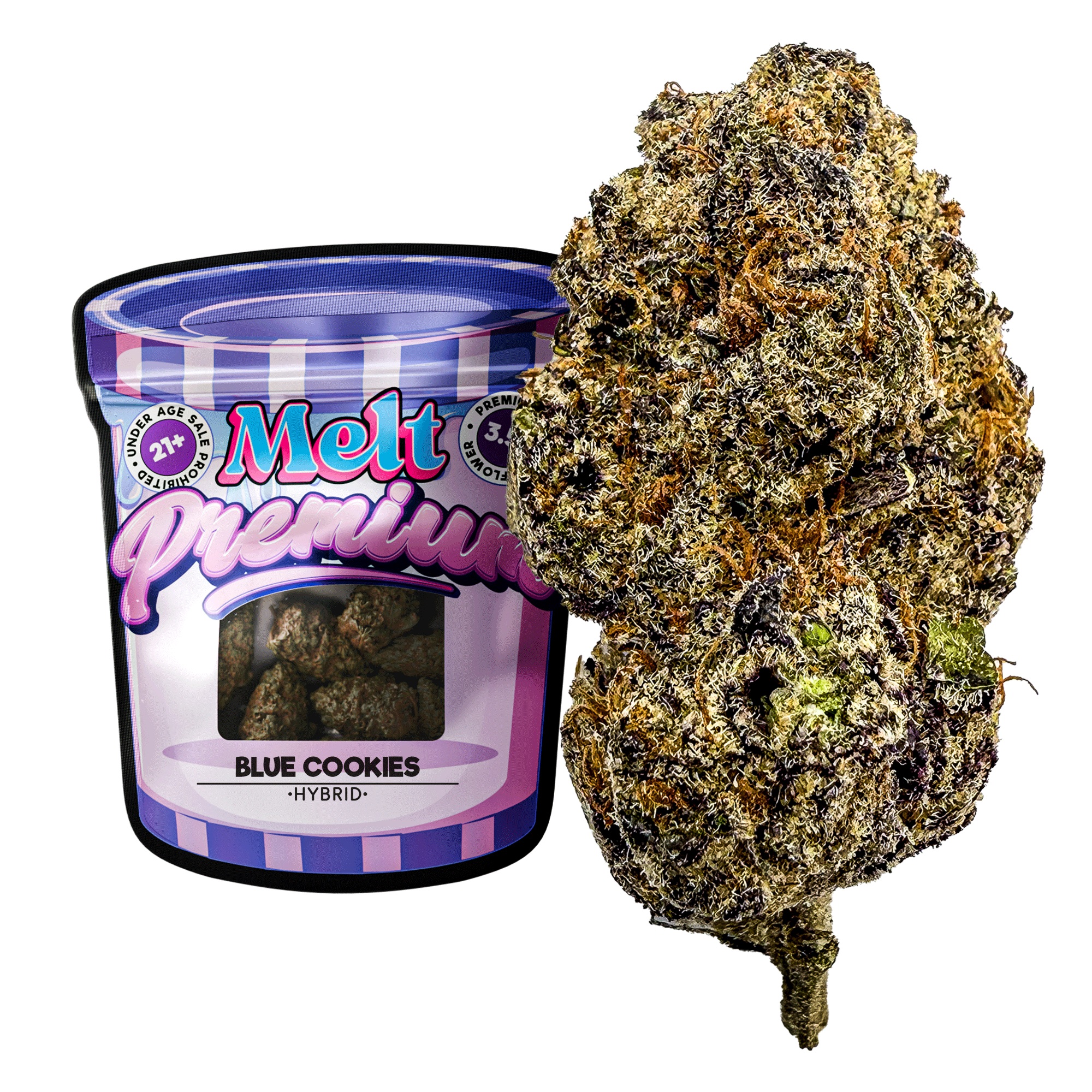
This market shift has pushed quality brands to meet the demand with exceptional products. For instance, Melt offers both meticulously handled indoor craft flower and robust, flavorful sun-grown options that set the standard for what you should be looking for:
As more people discover how accessible THCA is, its presence is only going to expand. Understanding what it is and why it's so popular is the first step to finding the best flower for you.
Figuring out the legality of THCA can feel like a headache. But honestly, it all boils down to one key law: the 2018 Farm Bill. This bill drew a clear line in the sand between illegal marijuana and legal hemp, and it all comes down to a single number.
According to the Farm Bill, any cannabis plant with less than 0.3% Delta-9 THC by dry weight is considered legal hemp. Since raw cannabis flower is naturally packed with THCA but super low in Delta-9 THC, it fits perfectly within this federal definition.
This is the so-called legal "loophole" that allows high-quality THCA flower to be sold online and in shops across the country. It’s not really a gray area—it's a specific classification based on the plant’s chemical makeup when it's tested.
While the 2018 Farm Bill gives a federal thumbs-up, things get a little more complicated when states get involved. Federal law sets the minimum standard, but individual states can (and do) create their own stricter rules. This is why you can buy THCA in one state but not the one next door.
Some states have passed laws that focus on "total THC." This calculation looks at the potential THC that gets created when you heat THCA (a process called decarboxylation).
Total THC = (THCA % x 0.877) + Delta-9 THC %
Certain states use this formula to decide if a product is legal. If the total THC number goes over their local limit (which is often also 0.3%), the product is illegal there, even if its Delta-9 THC content is compliant.
This creates a patchwork of rules where THCA is perfectly fine in one place but banned in another. Before you start shopping for the best THCA flower, it’s crucial to check your local laws to make sure you can legally buy and own it.
So, with all this legal complexity, how can you shop with confidence? The answer is simple: find a seller who is completely transparent. Reputable brands get it—they understand the rules and go the extra mile to prove their products are compliant. Your best friend in this process is the Certificate of Analysis (COA).
A COA is just a third-party lab report that shows exactly what’s in a product. When you're buying THCA flower, the COA is your proof that it’s legal and safe. Here’s what it tells you:
Trustworthy companies, like Melt, make these lab reports easy to find on their website for every single batch of flower they sell. This isn't just good business practice—it's your guarantee that you're buying a safe, potent, and federally legal product. When you're looking for the best THCA flower, never settle for a brand that hides its lab results.
Navigating the world of THCA flower can feel like learning a new language. With so many options out there, how do you tell the genuinely premium stuff from the rest? The good news is that quality always leaves clues.
Think of it like becoming a coffee or wine connoisseur. At first, it all seems the same. But with a little practice, you start to pick up on the subtle details—the vibrant aromas, rich colors, and complex flavors that signal real craftsmanship. This checklist will walk you through that process, turning you into a more discerning buyer.
Before you even glance at a lab report, the flower itself tells a story. Your eyes and nose are your first and most reliable tools for sizing up quality.
Here’s what to look for on a visual check:
An unimpressive appearance is often the first red flag. If it looks bad, it probably won’t deliver the experience you’re after.
If cannabinoids like THCA are the engine, then terpenes are the steering wheel. These aromatic compounds create the flower’s unique scent and flavor—from the zesty citrus of a Limonene-dominant strain to the earthy pine of one rich in Pinene. But they do much more than just smell good.
Terpenes also work with cannabinoids to shape the flower’s effects in what’s known as the "entourage effect." This is exactly why two strains with the same THCA percentage can feel completely different. One might feel uplifting and focused while the other is calming and relaxed, all thanks to its unique terpene profile.
When shopping for the best THCA flower, never underestimate the power of smell. A strong, pleasant aroma is a direct signal of a well-preserved, terpene-rich product. If the flower has almost no scent, its quality is likely compromised.
While your senses give you a great starting point, the Certificate of Analysis (COA) provides the hard data to back it up. A COA is a third-party lab report that acts as the product's "nutritional label," confirming its potency, purity, and legality. Any reputable brand will make these easy to find.

The COA is your proof of compliance. It verifies that the flower meets the federal definition of hemp established by the Farm Bill, though it's always smart to be aware of your local state laws, too.
A lab report contains a lot of information, but a few key sections tell you almost everything you need to know.
| COA Section | What It Means | What to Look For |
|---|---|---|
| Cannabinoid Profile | This shows the percentage of each cannabinoid, proving potency. | A high THCA percentage. Premium indoor flower often has 18-32% THCA, with hydroponic batches hitting 24-32%. |
| Legal Compliance | This section verifies that the product is legal hemp, not marijuana. | A Delta-9 THC level at or below the federal limit of 0.3%. This is non-negotiable. |
| Purity & Safety | This tests for harmful contaminants to ensure the flower is clean and safe. | "Pass" results for pesticides, heavy metals, mycotoxins (mold), and residual solvents. Avoid anything that fails these tests. |
Ultimately, a detailed COA gives you the confidence that what you see is what you get. By combining a quick sensory check with a careful review of the lab report, you can make informed decisions based on proof, not just promises.
You can see examples of transparent testing by checking out these sample THCA lab reports.

When you’re shopping for high-quality THCA flower, one of the biggest questions you'll face is how it was grown. The two main paths—indoor and sungrown—create completely different products. There’s no single "best" way, but knowing the difference is key to finding the flower that’s right for you.
Think of it like this: indoor is the fine-dining kitchen, where every variable is controlled for a specific, refined result. Sungrown is more like rustic barbecue, where natural elements like sun and open air create something robust and full of character. Both can be incredible, but they get there in very different ways.
Indoor growing is all about total control. Cultivators build a perfect environment, fine-tuning everything from the light spectrum and temperature to CO2 levels and humidity. This precision allows growers to maximize a plant's genetic potential, creating the kind of product that connoisseurs seek out.
The results are often the most beautiful buds you can find.
This level of control and aesthetic perfection makes indoor options, like Melt’s craft indoor flower, the go-to for anyone prioritizing maximum potency and a top-shelf look.
Sungrown cultivation is a more natural approach, relying on the full, powerful spectrum of actual sunlight. While it doesn’t offer the pinpoint control of an indoor setup, great sungrown flower is much more than just a plant left in a field. Expert farmers carefully manage soil health, nutrients, and water to guide the plants toward a flavorful and potent harvest.
What you get is a flower with a character all its own, shaped by its environment.
Sungrown flower often develops a more complex, earthy terpene profile. Natural sunlight and open air can produce rich, deep aromas that are tough to replicate indoors, offering a true expression of the plant’s genetics.
While it might not always have the picture-perfect look of indoor, quality sungrown flower has its own serious advantages. For instance, Melt’s premium sungrown flower is known for its rich flavor and much friendlier price point, making it a great pick for daily enjoyment or for anyone who wants a natural, full-spectrum experience without the premium cost.
This difference in cultivation is reflected directly in market pricing. According to recent THCA market trends, premium indoor flower can command wholesale prices of $2,000 to $3,500 per pound, while quality outdoor-grown flower sits in the more accessible $250 to $500 per pound range.
So, which one is for you? It really just comes down to personal preference. There’s no wrong answer here.
Here’s a quick way to decide:
Thinking through these points will help you confidently choose the flower that perfectly matches your taste, budget, and what you’re looking for in your experience.
So you’ve landed some top-tier THCA flower. Now what? The next step is all about getting the most out of it—both in the experience and in its shelf life.
Since heat converts THCA into THC, the effects are identical to traditional cannabis. This means mindful consumption is key, especially if you're new to the scene. Protecting your flower is just as important; proper storage keeps the potency and flavor locked in, so every session is as good as the first.
How you use THCA flower completely shapes the experience, from how fast the effects hit to how long they stick around. Each method brings something different to the table.
Smoking (Joints, Bowls, Bongs): The classic approach. It delivers a rapid onset, so you’ll feel the effects almost instantly. The downside? Combustion can be a bit harsh and sometimes overpowers the flower’s more delicate terpene flavors.
Vaping (Dry Herb Vaporizers): A modern favorite. Vaping gently heats the flower just enough to activate the THCA without actually burning it. This makes it easier on the lungs and lets the true, clean flavor of the terpenes shine through.
Edibles (Homemade): For a different kind of ride, you can decarboxylate (heat) your flower and infuse it into butter or oil. The effects from edibles take way longer to kick in—anywhere from 30 minutes to two hours—but they’re known for being much stronger and lasting for hours.
No matter which route you take, one rule stands above all: start low and go slow. This is non-negotiable, especially for anyone just starting with THCA or cannabis in general. The idea is to find your minimum effective dose—the smallest amount you need to feel the effects you want.
Your first time, take a single small puff or a tiny piece of an edible. Wait at least 15-20 minutes after smoking/vaping or a full two hours for edibles before even thinking about having more. You can always take more, but you can’t go back and take less.
Think of your THCA flower like premium coffee beans or fine wine. Its quality degrades quickly when exposed to the elements. Air, light, and temperature swings will strip away cannabinoids and terpenes, leaving you with dry, less potent flower.
To keep your stash fresh, potent, and flavorful, just follow these core principles:
Use an Airtight Container: Oxygen is the number one enemy of freshness. A simple glass mason jar with an airtight seal is perfect for locking out air and preventing oxidation.
Keep It in the Dark: UV light is a killer for cannabinoids and terpenes. Always stash your jar in a cool, dark spot like a drawer, cupboard, or closet.
Maintain Stable Humidity: The sweet spot for cannabis storage is a relative humidity between 58% and 62%. Too much moisture risks mold, while too little dries the flower out, making it harsh. Two-way humidity control packs are a cheap and easy way to keep the moisture levels perfect inside your jar.
Following these tips will protect your investment and seriously extend the life of your flower. For an even deeper dive, our guide on how to store THCA flower has all the details you’ll ever need.
The online THCA market is booming, but it can feel a bit like the Wild West. For every great vendor, there are a dozen questionable ones. Learning to spot the difference is the final step to making sure you get top-shelf THCA flower and have a safe, stress-free experience.
Once you know what you’re looking for in a product, the focus shifts to the vendor. A trustworthy online shop should operate with total transparency, making it simple for you to confirm the quality and legality of their flower. This isn't just about good business—it's about showing respect for the customer and the law.
Before you even think about adding something to your cart, do a quick mental check. Any reputable seller should hit every single one of these points. If they miss even one, that's a serious red flag.
These are the absolute basics. For a deeper dive into what separates the good vendors from the great ones, our full guide on how to buy THCA flower online has even more pro tips.
Just as important as knowing what to look for is knowing what to run from. Some sellers are just trying to cash in on the THCA hype, pushing low-quality or non-compliant flower.
Spotting a bad vendor early is your best defense against a disappointing purchase. Be wary of sellers who use stock photos instead of actual product images, make unrealistic medical claims, or have no customer service contact information available.
Here are a few immediate deal-breakers that should make you close the tab:
At the end of the day, the best brands make buying THCA simple and worry-free. Companies like Melt set the standard by matching premium flower with equally premium service. They get the details right, like providing discreet packaging to protect your privacy, responsive customer support for your questions, and a solid age-verification system to ensure responsible sales.
By using these benchmarks, you can confidently vet any online shop. It empowers you to see past the flashy marketing and find trustworthy sources that deliver safe, legal, and high-quality THCA flower every time.
Even after getting the basics down, a few questions always pop up. It's completely normal. Let's run through the most common ones so you can feel confident and informed as you explore the world of high-quality THCA flower.
This is the big one, and the answer isn't a simple yes or no. Federally, the 2018 Farm Bill makes THCA flower legal, provided its Delta-9 THC level stays at or below 0.3% by dry weight. That’s why you can buy it online and have it shipped to many places.
But here’s the catch: state laws can be much stricter. Some states have their own rules targeting "total THC," which counts the potential THC that THCA turns into when heated. It is absolutely critical to check your local and state regulations before you buy anything. Certain areas have banned or restricted THCA products altogether.
Yes, you will almost certainly fail a drug test after using THCA flower. The moment you smoke or vape it, the heat converts the THCA directly into THC.
Standard drug tests don't look for the source of THC—whether it's from legal hemp or marijuana. They just screen for THC metabolites in your system. In that respect, using THCA flower is no different from using traditional cannabis.
If you're subject to any kind of drug testing, it's best to steer clear of all THCA products.
Once you light it up, the potency of THCA flower is identical to traditional high-THC cannabis. The THCA percentage you see on a lab report is the best indicator of its potential strength.
For instance, a flower that tests at 25% THCA will deliver an experience just like a classic cannabis strain with 25% THC. The potency all comes down to that THCA level, since it's the compound that becomes the THC you actually feel. When you’re hunting for the best THCA flower, a higher percentage generally means a more powerful effect.
While both cannabinoids got their start because of the 2018 Farm Bill, THCA and Delta-8 are two very different things.
Basically, THCA is the direct, natural precursor to standard THC. Delta-8 is a different cannabinoid with its own distinct, milder effects.
Ready to explore premium, lab-tested flower? Melt offers a curated selection of both indoor craft and sun-grown THCA options that meet the highest standards of quality and compliance. Find your perfect strain and experience the California difference at https://meltofficial.com.
Your cart is currently empty.