



Free Shipping All Orders Over $95
So, is THCA psychoactive? The short answer is no—at least, not in its raw form. When you find THCA in a fresh cannabis plant, it's the non-intoxicating precursor to THC. That means you won't get a "high" just by consuming it as-is.
Think of THCA as a key that’s almost perfect but doesn't quite fit the lock to your brain's cannabinoid receptors. It holds the potential to be psychoactive, but it needs a little nudge to get there.

To really get why THCA isn't psychoactive on its own, picture it like a block of ice and the psychoactive THC as steam. The ice can't power an engine, but once you add heat, it transforms into something that can. That transformation is a chemical process called decarboxylation.
When you light up, vape, or cook with cannabis, you're applying the heat needed to convert THCA into its more famous counterpart, Δ9-THC. This reaction changes the molecule’s shape just enough to let it bind with your body's endocannabinoid system and produce those familiar effects.
To help you keep track, here’s a quick side-by-side comparison of these two compounds.
| Attribute | THCA (Tetrahydrocannabinolic Acid) | Δ9-THC (Delta-9-Tetrahydrocannabinol) |
|---|---|---|
| State | Found in raw, unheated cannabis | Created when cannabis is heated or aged |
| Psychoactivity | Non-intoxicating (no "high") | Psychoactive (produces a "high") |
| Consumption | Juicing, tinctures, or eating raw | Smoking, vaping, dabbing, edibles |
This table makes it clear: one is the raw potential, and the other is the activated result.
In its raw form, THCA is essentially dormant potential. Without heat, its psychoactive properties remain locked away, which is why eating raw cannabis flower won't produce the effects associated with THC.
This molecular difference is everything. Research shows that while THCA has a similar structure to THC, its larger size and different shape prevent it from binding effectively to the brain's CB1 receptors. A 2017 study confirmed that THCA only shows very weak activity at these receptors, explaining why it doesn't cross the blood-brain barrier well enough to cause a high.
You can dig into the science behind this interaction in this detailed research paper from NCBI. Understanding this fundamental distinction sets the stage for everything else you need to know about using THCA products.
The reason raw THCA won’t produce a “high” comes down to its molecular shape. Imagine trying to jam a key into a lock when the key has an extra, bulky piece of metal stuck to it. No matter how you jiggle it, it just won’t fit.
That extra piece on the THCA molecule is a carboxyl group. This addition makes the entire molecule too large and misshapen to bind properly with the brain's cannabinoid type 1 (CB1) receptors. These receptors are the specific docking stations that THC activates to produce feelings of euphoria.
Because of its unique size and shape, the THCA molecule is physically blocked from making a strong connection. This structural difference is the single reason why THCA is not psychoactive in its raw, unheated form.
Let's break it down with the classic lock and key metaphor.
This explains why raw THCA remains non-intoxicating, even though it's the direct precursor to THC. For a deeper dive into this fascinating compound, check out our guide explaining what THCA is and how it works.
The key takeaway is that the non-psychoactive nature of THCA isn't a matter of potency but of molecular geometry. The molecule's shape is the barrier to intoxication.
This isn’t just a new theory—it's backed by decades of science. Early experiments from the 1970s on rhesus monkeys showed that THCA produced extremely weak psychoactive effects. Researchers later concluded this was likely due to tiny amounts of THCA accidentally converting to THC during the study, not because THCA itself had any real intoxicating power. You can read more about these foundational findings in this comprehensive cannabinoid research paper.
So, how does the non-psychoactive THCA turn into the THC everyone knows? The secret is a simple chemical reaction called decarboxylation. This is the all-important step that "activates" the compound, unlocking its full potential.
Think of it like a key that doesn't quite fit a lock. The THCA molecule has an extra piece—a carboxyl group—that makes it too bulky to connect with your brain's CB1 receptors. Heat is the catalyst that snaps this extra piece off, reshaping the molecule into the familiar and effective form of Δ9‑THC.
This is why you can't just eat raw cannabis flower and expect to feel high. The THCA molecule is literally the wrong shape to produce psychoactive effects until it's heated.

As the diagram shows, that extra carboxyl group gets in the way, preventing the molecule from "unlocking" the receptor. Once heat removes it, the molecule finally fits, binds, and produces its classic effects.
This transformation isn't a random event; it requires a specific temperature range to kick off. Whether you're smoking, vaping, or baking, you're personally initiating the decarboxylation process.
The process is surprisingly efficient. Decarboxylation starts to happen around 105–120°C (220-250°F), converting a huge amount of the available THCA into psychoactive THC in just a matter of minutes.
The Bottom Line: Any time you apply heat to a THCA product—whether it's flower, a vape, or a dab—you are conducting the experiment that answers the question, "is THCA psychoactive?" The heat you introduce is directly responsible for the effects you feel.
Without this crucial step, THCA remains in its non-intoxicating state. Understanding this process is key to appreciating the fundamental difference between THCA and its psychoactive counterpart, THC.
Okay, understanding the science behind decarboxylation is one thing, but how does it actually affect the THCA products you use? This is where the rubber meets the road. Knowing this process is your key to picking the right product and getting the experience you’re actually after.
The way you consume THCA is what determines whether it becomes psychoactive. It’s that simple.

Heat is the bridge between the non-intoxicating THCA and the psychoactive THC. Let's break down how this works with some of the most popular products out there.
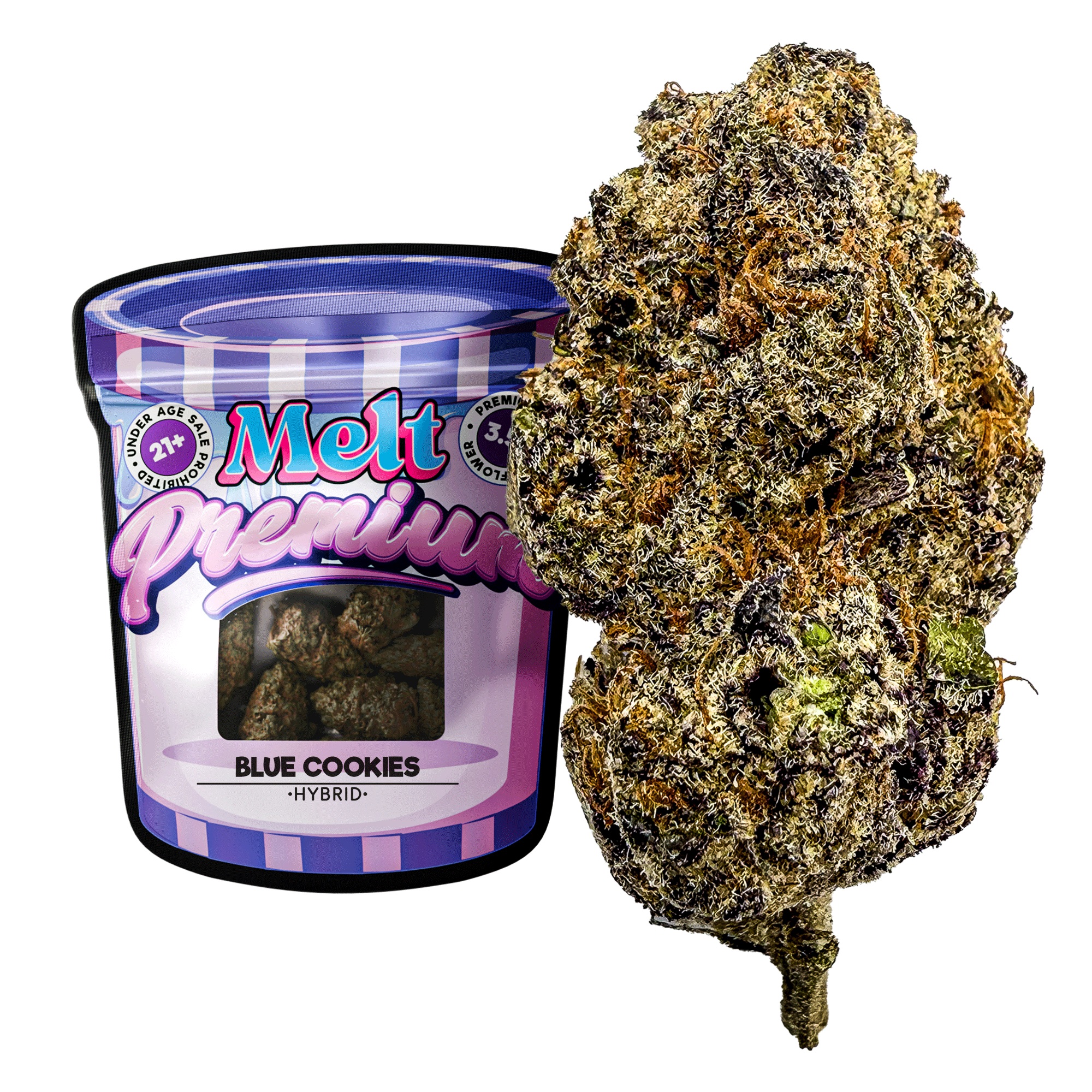
When you buy THCA flower, you’re getting raw cannabis buds loaded with non-psychoactive THCA. This is why you have to smoke or vaporize it. The intense, instant heat from a lighter or vape coil is what converts the THCA into THC, delivering the effects you’re looking for.
Without that heat, the flower remains completely non-intoxicating.
THCA vapes and disposables make this whole process ridiculously easy. The oil or concentrate inside is packed with THCA, and the device's heating element—the atomizer—handles the decarboxylation for you.
With every puff, the coil heats the oil, instantly transforming THCA into psychoactive THC right before you inhale.
In essence, a vape pen is a pocket-sized decarboxylation machine. It automates the conversion, ensuring every single draw is activated and effective.
Edibles are a different story altogether. Your digestive system simply doesn't get hot enough to decarboxylate THCA on its own. For an edible to have any psychoactive effect, the manufacturer has to do the work first.
They heat the cannabis extract to convert all the THCA into THC before infusing it into a gummy, brownie, or anything else. This pre-activation step is what makes a professionally made edible so potent. This is also why just eating a raw cannabis bud won’t do much, but a properly made edible definitely will.
To understand why THCA is so popular, you have to look at the law. The whole market hinges on the 2018 Farm Bill, which made hemp products legal nationwide as long as they contain less than 0.3% Delta-9 THC by dry weight.
Since raw THCA isn't actually Delta-9 THC, products can pack a ton of it and still be sold as federally compliant hemp. This is the "legal loophole" that the entire modern hemp industry is built on. A flower product with 25% THCA and just 0.2% Delta-9 THC is technically legal to ship, even though lighting it up instantly converts all that THCA into psychoactive THC.
This single distinction is why sales of THCA flower blew up after the Farm Bill passed. Brands started shipping high-potency flower across the country, with lab reports to prove they were compliant. You can dive deeper into the research on cannabinoid testing and these market dynamics in this detailed study from NCBI.
If you want to be a smart consumer, you need to know your way around a Certificate of Analysis (COA). Think of it as your product’s report card—it’s your only real proof of what you're buying.
When you pull up a COA for a THCA product, here’s what to look for:
Learning to spot these key metrics on a lab report moves you from a casual buyer to an informed consumer. It’s how you verify a product is both legal and has the potency you’re looking for.
With this knowledge, you can navigate the market with confidence. For a more detailed look at the legal side of things, check out our guide on THCA and its legal status.
Diving into the world of new cannabinoids always brings up a few questions. We get it. Here are some quick, straightforward answers to the most common things people ask about THCA.
Almost certainly, yes. It's highly likely you will fail a drug test for THC after using THCA products.
Standard drug tests aren't sophisticated enough to tell the difference between non-psychoactive THCA and psychoactive Delta-9 THC. When you smoke or vape THCA, it instantly converts to THC. Even if you eat it raw, your body can metabolize it in a way that creates THC metabolites, which is exactly what these tests are designed to find.
No. While THCA is federally compliant thanks to the 2018 Farm Bill (as long as it contains less than 0.3% Delta-9 THC), that’s not the whole story.
Some states have passed their own laws targeting "total THC," which includes the potential THC that THCA converts into. This makes the legal landscape tricky and state-dependent.
Always check your local and state laws before buying or carrying THCA products. Regulations can change, and what's legal in one place might not be in another.
This is a great question, as they come from very different places. THCA is the natural, non-psychoactive cannabinoid found in raw cannabis plants. It only becomes the THC we all know when you add heat.
Delta-8 THC, on the other hand, is a completely different cannabinoid. It’s naturally found in such tiny amounts that it’s usually synthesized from CBD through a chemical process to be used in products.
The U.S. hemp-derived cannabinoid market exploded to $2.5 billion by 2023, largely because compounds like THCA give people new ways to find the experience they're looking for. If you're curious, you can read the full research about cannabinoid market trends to see how these dynamics are playing out.
Ready to explore premium, lab-tested THCA? Melt offers a curated collection of California-grown THCA flower, disposables, and potent edibles. Find your perfect session at https://meltofficial.com.
Your cart is currently empty.