



Free Shipping All Orders Over $95
You've got the package in one hand, the menu in the other, and a simple question that's harder than it looks. Is this cannabis vape pen a good buy, or is it just a shiny disposable with a fancy label? The answer depends on what's inside the device, how it heats, and what kind of exposure you're really getting when you take a puff.
That's why this format deserves a closer look. By the early 2020s, vape pens had become a core product line in legal North American markets, with industry data cited in 2021 putting them at about 21% of U.S. cannabis sales and 16% of Canadian sales. The same source later described them as the second-largest category in the U.S. and the third-largest in Canada, with cartridges dominating the hardware-and-oil setup inside the category intro-act market report.
Most comparison articles stop at “discreet” or “potent.” That's not enough. A better framework asks four things in order: what kind of device is it, how does it heat, what's in the aerosol, and how should you dose it if the oil is strong? If you can answer those four, you can read a listing with a lot more confidence and a lot less guesswork.
The first moment of confusion usually shows up at the shelf. You pick up a disposable, then a cartridge-and-battery combo, then a pod system, and the packaging makes them all sound interchangeable. They are not. Some are built for convenience, some for flavor, some for tighter control, and some mainly for speed.
That matters because this category has become a standard way adults buy cannabis. Industry data cited in 2021 put vape pens at about 21% of U.S. cannabis sales, and later market reporting placed them at 23.6% market share in the U.S. In plain terms, this format moved from side option to mainstream purchase, which means buyers need a better way to judge it than the word “portable” alone.
A good cannabis vape pen buyer's framework has to do more than define the device. It has to help you tell the difference between a well-made pen and one that cuts corners on the parts that matter. That means looking at the hardware, the heating window, the aerosol that gets made, and the potency level before you spend money.
Practical rule: if a listing hides the extract type, the heating element, or the lab report, assume you are being asked to trust the label instead of the product.
The purchase question also changes once you ask a sharper version of the usual safety question. Safe from what? A pen can be convenient and still deserve scrutiny if the oil is overly concentrated, the coil runs too hot, or the lab information is vague. That is why how to vape weed safely and effectively is only part of the decision, and the device itself still needs to be evaluated on chemistry and construction.
Youth and young-adult use also rose fast in the late 2010s, which helped turn vape pens into a mainstream consumption method rather than a novelty. A 2019 review reported lifetime cannabis vaping among U.S. students rose between 2017 and 2018 in grade 12, grade 10, and grade 8, and adult past-30-day vaping doubled from 1.0% in 2017 to 2.0% in 2019, with the biggest increase in young adults aged 18–24 PMC review. That history matters because the product category grew up fast, but many buyers never got a matching explanation of what they are inhaling.
The rest of the decision gets easier once you stop treating all pens as interchangeable. One device may be built for flavor. Another may prioritize battery consistency. Another may turn a very strong concentrate into a dose that catches a new user off guard. If you know which job the device is designed to do, the shelf becomes a lot less overwhelming.
A cannabis vape pen is a category, not one single device. It can mean a slim 510-thread battery paired with a separate cartridge, a closed pod system, a refillable dab pen made for thicker extracts, or an all-in-one disposable where the battery and oil are sealed together. The word “pen” suggests one simple format, but the experience changes a lot depending on the battery, the heating part, the chamber, and the oil inside.
A cannabis vape pen has four core parts, the battery, the heating element, the chamber, and the oil or extract. If any one of those parts is poor quality, the result can feel harsh, weak, or uneven even when the extract itself is decent. That is why the device and the fill material should be judged together, not separately.

A 510-thread cartridge is the most familiar setup. You buy a battery separately, screw in a prefilled cart, and swap oils without replacing the whole device. That makes it easy if you want flexibility and do not want to commit to one fill system.
A closed-pod system uses a proprietary pod instead of a universal cart. It usually feels more polished in hand and in use, but you give up some choice because the pod has to match the device.
A refillable dab pen is built for thicker concentrates. It gives you more control over what goes in, but it also asks more of the user, since filling, cleaning, and timing the heat all matter more.
A disposable all-in-one is the simplest format to start with. You charge it if needed, use it until the oil is gone, then retire it. The trade-off is clear, convenience is the draw, not repairability or customization.
Simple takeaway: the more integrated the device, the easier it is to use, but the less you can fine-tune the experience.
The oil inside the pen matters just as much as the hardware. Some pens use distillate with added terpenes, which usually gives a cleaner, more uniform effect profile. Others use live resin or similar extracts that aim to keep more of the plant's original flavor character. Some brands blend in botanical terpenes or strain-specific profiles, so two pens at the same price can feel very different in taste and effect.
A quick product page scan should tell you two things right away, the device format and the extract type. If it does not, you are looking at a listing that is not giving you enough information to compare it fairly. For a basic walkthrough of how the format works in practice, this guide to how to vape weed is useful background before you compare products on a shelf.
A lot of confusion starts the moment the oil warms up. A cannabis vape pen is built to turn oil into an inhalable aerosol, but it does that best inside a fairly narrow temperature-sensitive extraction window. Educational and industry sources place effective vaporization of cannabinoids and terpenes around 315–440°F (157–227°C) Budmary overview. Stay closer to that range and the pen is more likely to give you vapor, flavor, and a smoother draw. Push past it and the hit gets harsher, while the chemistry becomes less predictable.
Voltage is the setting most users control, so it becomes the practical way to manage heat. Many premium pens use a rechargeable lithium-ion battery with variable output around 2.7–4.2V, plus a ceramic or full-ceramic heating element and Type-C charging for more reliable recharging Transpring device specs. Lower output usually keeps more terpene flavor intact. Higher output usually makes denser vapor, but the draw can feel hotter and less refined.
Ceramic heating elements spread heat more evenly, while cheaper wick-style setups can create hot spots that scorch the oil. That difference matters because the oil may be fine, yet uneven heating still flattens flavor or leaves a burnt edge.
Practical rule: if a pen tastes great at first and then turns harsh quickly, the issue is often heat management, not just “strong weed.”
ASTM's cannabis vape safety work points in the same direction. Its focus on material specs, power and voltage limits, aerosol characterization, and puff-topography testing exists because the device itself shapes what reaches the aerosol, not just what was measured in the jar. That is why better-built pens often feel smoother and more consistent in real use Transpring device specs.
Type-C charging shows up more often now for a simple reason. It keeps compact devices easier to maintain over time, and on a small pen that can be the difference between finishing a session cleanly and losing battery partway through.
For a practical reference on dialing in heat, this guide on best voltage for THC carts is worth keeping nearby when you decide how hot to run a cart.

The safest question is not “Is it safe?” It is safer from what, and under what conditions. A cart can expose you to solvent residue, metals, overheating byproducts, or cannabinoids that are not labeled the way you expect. Once you ask it that way, the buying checklist becomes much clearer.
A certificate of analysis helps, but it does not answer every part of the question. It can show potency and some contaminants in the oil before heating, yet it usually does not show what that oil becomes after it passes through your specific pen. That gap matters because the device changes the chemistry as soon as heat is applied.
Recent reviews have reported metal contaminants in cannabis vape liquids and aerosols, with copper, nickel, lead, cadmium, and cobalt among the metals most often flagged, likely from device components PMC review on vape aerosol contaminants. That is why hardware quality matters even when the oil looks clean on paper. A better chamber and a sealed design can lower the chance of unwanted leaching.
Heat can change the rest of the mix too. Cannabinoids and terpenes are heat-labile, which means they can break down when the pen runs too hot. Chain-puffing, high voltage, or cheap hardware can create byproducts that never appear in a basic lab report.
The hemp-derived market adds another layer of confusion. After the 2018 Farm Bill, product variety expanded quickly, and a recent review notes that some hemp-derived cannabinoid products can contain very high cannabinoid concentrations, contaminants, and harmful byproducts from heated aerosolization, while standardized testing methods are still limited. That makes a polished product page an incomplete guide on its own.
Ask brands this directly: what does your COA test, what device materials are used, and do you have aerosol or leaching data for the hardware itself?
For buyers, safety is a set of questions, not one question. Is the extract clean before heating, are the materials controlled, and do the lab results match the batch in your hand? If a brand can answer those points clearly, you are in a better position than if you are relying on THC percentage alone.
The first thing a new buyer often misses is how much stronger vape oil can be than flower. Average cannabis flower sits around 17% to 18% THC, while vape concentrates can reach 95% or higher NPR reporting on vape potency. That is a wide gap. A flower bowl and a vape cart may look like similar “one session” options, but the amount of THC delivered can be very different.
A small puff from a high-potency pen can deliver much more THC than a bowl of flower. The easiest way to stay in control is low and slow, especially with disposable pens or carts that test above 90% THC. Start with one short draw, wait, and check how it feels before taking another.
A vape pen also makes it easy to overdo it by accident. A one-second puff and a three-second puff are not the same dose, especially with concentrates, and repeated hits can stack up before the first one fully settles in. A short pause between draws gives your body time to respond, which is useful if you are still learning how your own tolerance works.
Clinical reviews also connect high-potency concentrates in vape pens with more acute adverse effects, including paranoia, psychosis, and cannabis hyperemesis syndrome, with greater concern for teenagers and young adults. That does not mean every adult will have a bad experience. It does mean the margin for error gets smaller as potency rises.
Simple dosing rule: if the label says above 90% THC, treat the pen like a concentrate, not like a casual puff device.
Tolerance breaks matter here too. Daily concentrate use can make people reach for bigger hits just to feel the same effect, which raises the chance of overshooting the experience they want. A shorter session with deliberate draws often feels better than a long session of blind puffing.
If you are buying for discretion or convenience, that is fine. Just do not let convenience trick you into treating a very strong extract like it is a weak one. The device is small. The exposure may not be.

A good buying checklist should let you compare listings in under a minute. The strongest signal is not flashy packaging. It is whether the brand gives you enough detail to judge the oil, the hardware, and the compliance status without guessing.
A vape pen listing should answer a few basic questions before you spend money. If it leaves you filling in the blanks, that is usually a warning sign.
The format matters because it changes how much control you have, how much cleaning you are signing up for, and how many parts can fail.
| Format | How It Works | Best For | Trade-Off |
|---|---|---|---|
| 510-thread cart + battery | Separate battery powers a prefilled cartridge | Flexibility and easy swapping | More pieces to keep track of |
| Closed pod system | Brand-specific pod locks into a matching device | Consistency and simplicity | Fewer product choices |
| Refillable dab pen | User loads thicker concentrates into a small chamber | Control over concentrate use | More cleaning and handling |
| Disposable all-in-one | Battery and oil are built into one sealed unit | Convenience and discretion | Less repairable, less customizable |
A cartridge-and-battery setup gives you the most room to swap pieces, while a closed pod keeps the experience more controlled. Refillable dab pens ask for more attention from the user. Disposables are easiest to carry and use, but they leave you with less control if you care about repairability or customization.
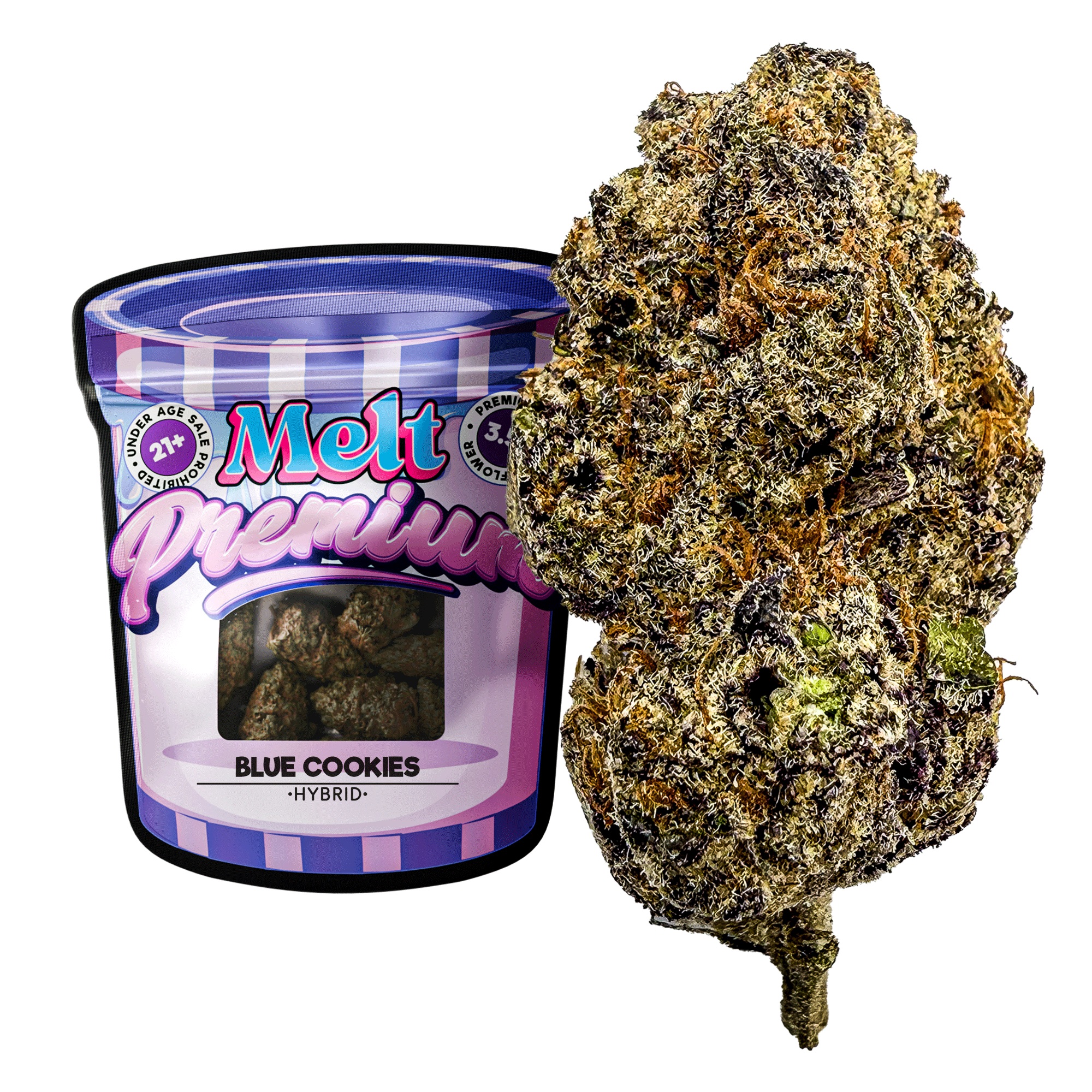
One brand that fits several of these checks is Melt, which uses strain-specific terpene profiles, transparent lab reports, and all-in-one disposable formats in its lineup. Its Los Angeles roots and Southern California manufacturing are part of the product story, but the practical value for buyers is simpler. You can inspect the testing language, the extract style, and the device format before you buy.
A vape pen is still a small piece of hardware. If you treat it like fragile electronics instead of a magic object, it usually lasts longer and tastes better. Storage, cleaning, and a little patience solve most of the problems people blame on the oil.
Keep the pen upright whenever you can. That reduces leaks and keeps oil where it belongs. Avoid hot cars, because heat can thin the oil and stress the battery.
Direct sunlight is rough on both terpenes and battery life. If the goal is to preserve flavor, cool and dark storage is the move.
If the pen won't hit, check the connection first. A dirty 510 thread is a common reason the battery and cart stop communicating. If it blinks, the battery may need a charge or may have hit an auto-cutoff feature.
A burnt taste is the clearest sign to stop. That usually means the coil is done or the chamber has run too dry. Once the flavor goes harsh and stays harsh, retirement is usually smarter than trying to rescue it.

Chain-puffing is the fastest way to burn through a small disposable. It overheats the coil, dries the oil faster than it can reflow, and turns a nice flavor into a scorched one. Single draws with a pause in between are easier on the hardware and easier on your throat.
If you use carts regularly, make two habits nonnegotiable, cool storage and routine contact cleaning. Those two alone solve a surprising number of “my pen is broken” complaints.
A good cannabis vape pen choice starts with three questions. Is the product legal in your market, does the COA match the batch in hand, and is the hardware built to keep heat and materials under control? If you can answer those, you are already ahead of most impulse buyers.
The legal piece matters because hemp-derived products are supposed to stay within the federal ≤0.3% Δ9 THC framework, while state rules and THCA shipping restrictions can change what is allowed to move where. The product page should make that plain, not hide it in fine print.
Potency matters just as much. Once you know how strong the extract is, you can decide whether the pen should be used for single deliberate draws or longer sessions. That helps keep tolerance and dose creep from sneaking up on you.
The safety question also needs a narrower lens. Safe from what, exactly, is the better question. Are you trying to avoid contaminated oil, inconsistent potency, harsh heat, weak hardware, or a product label that does not match the batch inside the package? Each of those risks calls for a different check, and a COA, device specs, and ingredient list answer different parts of that question.
COA reading is a practical skill, not a chemistry exam. Check that the batch number lines up, then look for the testing categories that matter for a vape pen, such as potency and contaminant screening, so you know the extract and the hardware were both reviewed before sale. If a brand gives you lab results but no clear device details, you still do not know much about how the pen will behave in your hand.
Brands that pair transparent lab reports with clear device specs make that process easier. Melt is one example in the hemp-derived space, with all-in-one disposables, THCA flower, and edibles presented alongside testing and terpene information that can be checked before checkout.
When you stop asking only “Is it safe?” and start asking safe from what, the answer becomes more useful. You are not buying a mystery tube. You are choosing a device, an extract, and a dose pattern on purpose.
If you want a cleaner way to shop, compare, and dose, start with the products and lab information at Melt. You will find all-in-one vape options, THCA flower, and edibles that fit the same practical checklist covered here. Then use the COA, the device specs, and the potency level to choose the one that matches how you want to feel.
Your cart is currently empty.