



Free Shipping All Orders Over $95
You've got a jar of clean kief on the bench, a press in the drawer, and that familiar question in your head, whether it's worth turning loose powder into something denser and easier to use. If you've ever tried to sprinkle kief and watched half of it cling to your fingers, vanish into parchment, or burn faster than the flower underneath it, you already know why pollen press hash makes sense. The trick isn't just squeezing harder. It's choosing the right prep, the right pressure, and the right amount of heat so the puck comes out solid without getting cooked.
The first time a fresh pile of kief lands on the workbench, it looks clean and premium, then behaves like a nuisance. It is airy, sandy, and eager to stick to everything except the tool you want it to cling to. A press changes that immediately, because compression turns loose trichomes into a dense puck you can handle, store, and portion without chasing dust around the tray. That is the point of pollen press hash, it turns fragile concentrate into a finished form that feels intentional.

Loose kief is mostly trichome material. As noted in Strong Strains' guide to kief pollen pressing, kief is often described as 50% to 70% more potent in THC than flower because it concentrates those resin glands before pressing into a denser hash puck. Once that powder gets compressed, the experience shifts. Handling gets cleaner, storage gets less chaotic, and the material behaves more like a concentrate than a dusting agent.
That structural change matters more than people expect. A puffed-up pile of kief looks abundant, but it is easy to lose material every time you open the grinder, tip a tray, or breathe across the work surface. A pressed puck keeps its shape and lets you break off only what you need. It also gives you a better read on your material. A batch that presses into a cohesive puck usually came from cleaner collection, while a batch that stays crumbly often tells you the sieve was dirty, the kief was too fresh, or the load was packed unevenly.
Practical rule: If your kief looks good but feels impossible to manage, pressing usually helps more than adding more force later.
The same logic applies when you compare fresh loose material with a finished block. Pressing reduces fluff, reduces mess, and makes dose control easier without pretending every batch will behave the same. For a visual reference on that difference, see loose herbal powder in a jar versus a compact, processed herbal puck, then compare it to a more refined concentrate style like full-melt bubble hash, where the same resin family is handled with a very different finish in mind.
Pressed hash is not a novelty. Historical accounts place screened-and-pressed hash practices in Morocco's Rif Mountains in the 7th century, while broader hashish origins are often traced to around 10,000 years ago in Central Asia and the Himalayan region, as summarized in the history of kief and hash pressing and hash's longer production history. By the 10th century, hashish was prominent enough in the Middle East to appear in literary references like One Thousand and One Nights in that same historical record.
That long runway explains why pressing still has a place in modern sessions. The basic principle never really changed. Gather resin-rich material, compress it, and make it easier to store and use. The trade-off shows up in how you press, cold pressure preserves more of the original texture, warm pressing helps the trichomes bind, and heat-assisted work can make stubborn material fuse faster if you do not push the temperature too far. THCA flower adds one more wrinkle, because the source material changes the prep workflow before the press ever closes.
A clean press setup doesn't require a drawer full of gimmicks. It needs a press that fits your batch size, a way to keep the material contained, and a clean place to work. If the gear doesn't improve compression, release, or cleanliness, it can usually stay on the shelf.
Start with the basics. A manual pollen press is the center of the setup, and a small scale helps you load consistent batches instead of eyeballing everything and hoping the puck forms evenly. Parchment paper is useful for catching loose material and handling a fresh puck, while a small tamper or the flat end of a clean tool helps settle kief inside the chamber before you tighten anything. A collection tray keeps spills contained, which matters more than it sounds when you're working with light, static-prone material.
A clean workspace matters just as much. A silicone mat gives you a surface that doesn't grab trichomes the way raw wood or fabric can, and a pair of clean gloves can help if your hands tend to warm up and stick to the material. For reference on the kind of grinder that keeps your material collection cleaner in the first place, see this grinder guide.
A calibrated thermometer becomes relevant the moment you move beyond cold pressing. If you're trying a warm press or heat-assisted method, you want to know whether the chamber is where you think it is, not just “feels warm.” A humidity meter can help with storage and prep, especially when your starting material seems dry on the outside but still binds poorly.
Optional heating tools can help too, but only if you control them carefully. A hair straightener or a press with a heating element can support warm-press work, yet both can become problems if you treat them like a shortcut instead of a controlled input. Fancy accessories that only look technical, however, rarely improve the puck.
Useful buying filter: If the tool doesn't help you measure, contain, heat, or release the puck more cleanly, skip it.
Legal THCA flower changes the prep workflow because it often arrives with a different humidity feel and terpene load than standard dispensary trim. That means the way you grind, dry, and load it isn't always identical to the way you'd handle regular flower. If you're sourcing material for later pressing, think about how it will behave after grinding, not just how it looks in the jar.
A good setup doesn't have to be expensive. It has to be tidy, repeatable, and easy to clean. That's what keeps the puck from becoming a mess before the press even starts working.
Most bad pucks start with bad prep. The press gets blamed, but the actual problem is usually material that's too damp, too fluffy, too contaminated with plant matter, or ground in a way that tears up the trichomes before they ever reach the chamber. Clean input makes the whole workflow easier, whether you're pressing straight kief or starting with THCA flower that still needs careful handling.
If you're collecting kief from dry sift screens, bubble-bag runs, or trim runs, the first job is separation. You want the trichome-rich fraction, not a pile of chopped-up leaf dust. Once you've got your material, let it sit in a dry, clean environment until it feels consistent rather than clumpy. A kief press works best when the powder flows freely but doesn't feel dusty and brittle to the point of scattering everywhere.
The feel check matters. Good pressing material should look pale gold to tan, smell like the source flower, and move loosely without leaving a wet residue on your fingers. If it smells flat or feels tacky before it enters the chamber, fix that first. Pressing won't rescue poor input.
THCA flower is where a lot of people get careless. They grind too fine, overwork the buds, and create a bunch of contamination that never turns into a clean puck. Break the flower up gently, just enough to expose the resin without pulverizing it. A coarse grind is usually safer than a powdery one because it preserves structure and helps you recover cleaner material later.
Keep the material cold and the motion light. The less you rub the flower around, the less you lose before collection.
A static guard can help when your grinder seems to eat half the trichomes. A short chill in the freezer can also make brittle resin easier to separate from plant matter in some workflows, especially if you're preparing a batch for dry sift rather than direct pressing. The main point is simple, work with the material instead of mashing it.
Before loading anything, do three checks. First, look at color. Second, smell it. Third, pinch a little between your fingers and see whether it clumps, crumbles, or smears. If it smears, it's too wet. If it crumbles into dust that won't stay together at all, it may need more conditioning or cleaner collection.
At this stage, you want material that feels ready, not perfect. The press can improve structure, but it can't fix a sloppy prep job that introduced too much moisture or too much plant debris. That's where most rookie cycles go sideways.
A press job can go sideways fast if you treat every batch the same. I've pressed enough kief to know that some material stays cleaner with no added heat, some binds better with a little warmth, and some only firms up the way you want once pressure and heat work together. The right choice depends on the resin, the moisture level, and whether you care more about flavor, handling, or long-term storage.
Cold pressing gives you the cleanest flavor path because you are not adding heat on purpose. It usually takes longer, and the puck may need more time under pressure before it holds together well, but delicate aromatics are less likely to get flattened. Warm pressing sits in the middle. A gentle temperature bump helps the material stick together without pushing it into a harsher thermal range. Heat-assisted pressing is the most forceful option, and it makes more sense when density and clean release matter more than protecting every volatile terpene.
Here's the comparison at a glance.
| Method | Temperature | Hold Time | Best For |
|---|---|---|---|
| Cold-Press | No added heat | Longer, ambient-style cycles | Flavor preservation and patient processing |
| Warm-Press | Mild warmth, often around 110 to 130°F in common home workflows | Moderate hold | Everyday use and balanced cohesion |
| Heat-Assisted | 155 to 165°F | 60 to 90 seconds with gradual pressure increase | Dense pucks and storage-focused pressing |
That 60 to 90 second benchmark at 155 to 165°F appears in Mood's hash pressing guide, along with the reminder to increase pressure gradually. The same guide also describes longer ambient or warm-hold cycles as common for pollen presses.
Cold pressing keeps more of the starting profile intact, but it asks for patience. Rush the release and the puck may look formed while still crumbling too easily once you handle it. Warm pressing is the most forgiving middle ground for many home users because it improves cohesion without demanding perfect timing.
Heat-assisted work gives the densest result, but it punishes impatience. Push the temperature too high or compress too hard too early, and the chamber can deform or the puck can lock up before you're ready to remove it. Go too light, and you end up with a weak, crumbly block that looks finished until you touch it. Method choice matters more than brute strength.
If flavor matters most, stay cold and give the press time. If you want an everyday puck that handles cleanly, warm pressing is usually the most practical middle path. If storage stability and density matter most, heat-assisted pressing can get you there, as long as you respect the temperature and do not crank the press like you are tightening a lug nut.
The right method is the one that gives you a puck you can use without fighting it.
A solid puck comes from a steady sequence, not a hard crank. Load the chamber evenly, let the material settle, then bring pressure up in stages. If you try to force the whole job in one motion, the press usually answers with a cracked puck, a crooked load, or a chamber that refuses to release cleanly.

Start by lining the chamber with your material if your press design calls for it, then add kief slowly and evenly. A light tap on the side of the press helps the powder settle before you tighten anything, which cuts down on voids and lopsided density. If you are using a mold bag or chamber insert, keep the load flat and stop it from bunching at one end.
Once the chamber is filled, seat the plungers without forcing them. Contact comes first, pressure comes second. A lot of first-time users overfill the press because the material looks like very little before compression, then wonder why the threads barely catch or the puck comes out uneven.
Tighten until you meet real resistance, then stop. Let the material sit. Come back and tighten again after it has had time to settle under load. That staged tightening pattern is what separates a puck that holds together from one that gets crushed on the outside while staying loose in the middle.
If you are doing a warm or heat-assisted run, keep the heat conservative and the pressure increase gradual. The same temperature window noted earlier works only when the pressure stays controlled too. Once the material cools before release, it usually holds together better and pops out more cleanly.
If the press starts to feel like a wrestling match, stop and let the puck rest. The material usually settles more than your hand thinks it did.
Crumbly output usually means the load was uneven or the puck did not stay under pressure long enough. The fix is boring, but it works, pack more evenly and give it a longer cycle next time.
Stuck material usually points to excess heat, over-tightening, or both. Let the press cool, clean the chamber, and release more slowly on the next batch.
Uneven density almost always comes from a lopsided load or from tightening one side harder than the other. Tap the chamber, settle the powder, and keep the force centered.
The best releases feel almost uneventful. Back off the press, let the puck cool if you used heat, and the hash comes free in one intact piece instead of two disappointing halves.
Pressed hash gets complicated fast once the starting material is THCA flower. A label can look compliant, the flower can come from hemp, and the moment you press it into a concentrate, the compliance question gets more serious. Paperwork matters as much as technique, because the same puck can be treated very differently depending on where it is made, sold, or carried.
At the federal level, hemp is defined by ≤0.3% Delta-9 THC by dry weight. THCA-rich flower can still fit that framework before heating, which is why it appears in so many legal retail channels. Once heat enters the process, the chemistry and the legal interpretation can become more complicated depending on state rules and how the product is being sold or transported.
Shipping restrictions, age gating, and destination rules matter. If a retailer ships into a place where THCA is restricted, clean paperwork does not protect the seller. The buyer also cannot assume that “hemp-derived” means universally allowed in every state. Local law still controls the practical answer.
A fresh COA on the source flower is the baseline. A post-press COA is better when you want a clearer record of what is in the puck, because pressing changes the physical concentration of the material even if it does not create new cannabinoids out of nowhere. The material you load and the material you sell or share are not always the same thing from a documentation standpoint.
The historical record in the the hash trade overview shows how durable pressed resin has been across different markets and eras, but modern legality asks for cleaner documentation. Keep batch IDs, lot references, and source documents organized so you can answer basic questions without digging through photos on your phone.
If you handle pressed product in any kind of retail or wholesale context, label the source, the format, and the date you processed it. Do not let containers turn into mystery jars. Even at home, a label helps you track what material pressed well and what came out too dry or too soft.
A simple rule keeps trouble down. If you cannot explain what it is, where it came from, and whether your local rules allow it, do not assume it is fine. Laws vary by state, and that is not the place to improvise.
If you store finished pucks, a clean container matters just as much as the label. A practical guide like this mason jar guide can help with the container choice, even though the contents here are pressed resin rather than loose flower.
A puck that's pressed well can still go dull if you store it badly. Heat, oxygen, and direct light will undo the work faster than you might think, especially if the material was borderline to begin with. Good storage keeps the puck stable, fragrant, and easier to portion later.
Freshly pressed hash often benefits from a short resting period in an airtight jar, where the internal moisture can even out instead of sitting unevenly in the center. That isn't a long fermentation project. It's a practical settle-down period so the puck handles more cleanly and doesn't crack as easily when you break it apart. If you want a storage vessel reference, this mason jar guide is useful for the jar itself, even though the contents here are pressed resin rather than loose flower.
The container should stay closed, clean, and out of bright light. Parchment can help prevent sticking if you're storing multiple pucks or handling a soft batch. If the hash starts to smell flat, feel excessively dry, or crumble instead of slicing cleanly, it's losing quality.
Direct sunlight is obvious. Heat is less obvious because the puck can sit in a warm room for a while before it starts to feel different. Oxygen is the silent one. Every unnecessary opening dries the resin and strips away aroma, especially if the seal is weak.
If you want the puck to stay close to the way it left the press, use a tight-sealing container, keep it cool, and don't leave it sitting open while you prep other gear. That's basic, but it's also where most home storage mistakes happen.
Practical rule: If the puck smells weaker each time you open the jar, your storage is working against you.
Break off only what you need, and do it with clean hands or a small tool so you're not grinding the whole puck into crumbs. In a bowl or roll, pressed hash usually behaves more predictably than loose kief because it stays together until you deliberately break it apart. In a vaporizer, different temperature ranges can reveal different terpene layers, so don't assume one setting is automatically best for every puck.
Finish with hygiene. Wash your hands before handling, sanitize the press and tools after use, keep food away from the workspace, and label every container with the material and date. That kind of routine keeps the workflow repeatable, and repeatable beats lucky every time.
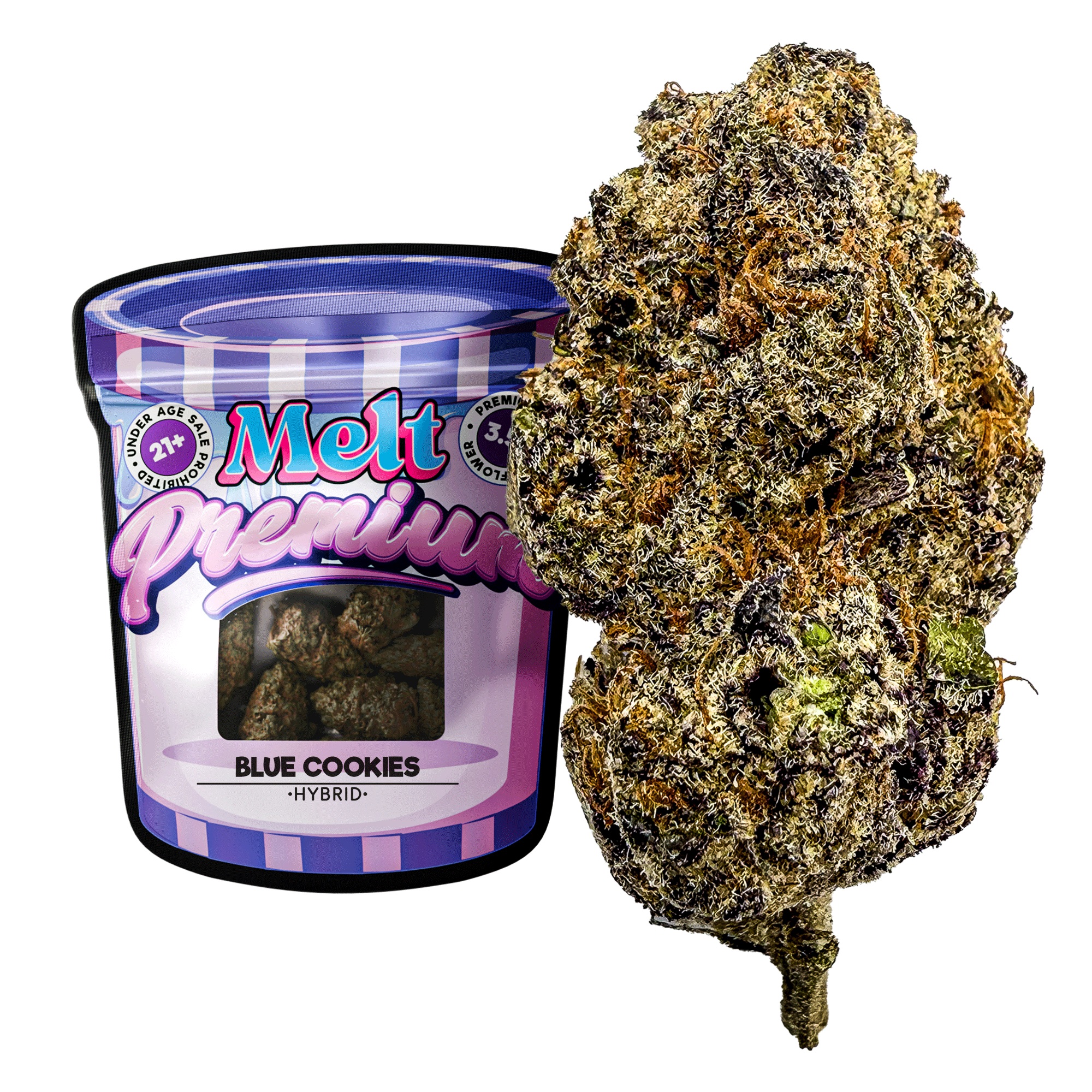
If you want premium hemp products that match the same standards this workflow depends on, visit Melt for carefully tested flower, potent edibles, and clean, California-crafted options built for adults who care about quality. Their lineup pairs well with the same mindset that makes a good puck, start with better material, handle it cleanly, and don't waste the resin you already paid for.
Your cart is currently empty.