



Free Shipping All Orders Over $95
You're standing in the weed aisle with two choices that both sound right and both can go wrong. One jar promises flavor and a real session, the cart promises stealth and speed, and the label noise makes it easy to buy for the wrong reason. The smarter question isn't which one is stronger, it's which one fits the kind of session you want.
| Format | What it's really best for | Dose control | Flavor depth | Visibility |
|---|---|---|---|---|
| Flower | Ritual, fuller plant character, shared sessions | High, but less meter-like | Strong | Higher |
| Carts | Stealth, fast relief, easy portability | Very high | Depends on extract type | Lower |
| Prerolls | Convenience with a flower-style experience | Moderate | Good when the flower is good | Medium |
The old debate keeps getting framed as a THC contest, but that misses the core decision. Session intent matters more than a lab number, because a product can be strong and still be the wrong tool for the moment. A microdose before errands, a social session on the patio, sleep support at night, and a flavor-first solo smoke are four different jobs.
The legal frame matters too. A lot of modern hemp products are sold under the ≤0.3% Δ9 THC federal threshold, while their effects depend on how THCA converts with heat at the point of use. That's why this isn't just a preference debate anymore, it's a buying decision with real dosing, transport, and labeling consequences.
The fastest way to stop overthinking carts vs flower is to decide what kind of session you're building. If you want a quick, discreet nudge with tight control, a cart makes sense. If you want a slower ritual, richer flavor, and a more layered experience, flower is the better bet.
Ask yourself three blunt questions. How fast do I want to feel it, how much control do I need over the dose, and how visible can this session be? Those answers tell you more than THC percentage ever will.
A cart is a delivery tool. It's designed for convenience, speed, and repeated small pulls, which is why it suits people who want to pace themselves without grinding, packing, or lighting anything. Flower is a plant format. You're choosing the full dried and cured bud, and that gives you more of the original character, but also more prep and less stealth.
That split is the core of the whole comparison. Carts are usually the move for portability and fast-acting effects, while flower stays the value and ritual choice for people who care about the session itself, not just the result. If you're trying to stay subtle, the cart wins. If you're trying to enjoy the strain, flower wins.
Practical rule: if you're asking “how much should I take,” carts reward precision. If you're asking “what kind of experience do I want,” flower usually gives you the better answer.
The products people ignore in this debate are often the most useful ones. A low-voltage all-in-one device, THCA flower, and Duo prerolls each solve a different problem, and pretending they're interchangeable leads to bad buys. Start with your setting, then pick the format that matches it.

A cart is built to heat oil and push vapor quickly, so the effect shows up fast and clean. That matters because vape cartridges are usually much more concentrated than flower, which is why a few pulls can feel strong even when you are not consuming much total material. General educational sources put flower in the 15%–30% THC range and carts much higher, and the point is simple, carts are denser by design (Boonetown NJ).
That is why carts are the better tool for dose control. Take one short pull, wait, and decide if you want more. Keep pulling without paying attention, and you can overshoot fast. Hardware also changes the result, since inhalation length and device temperature affect how much vapor you get.
Flower usually comes on with more shape. You are working with the dried bud itself, not an extracted oil, so the session tends to unfold in layers instead of hitting all at once.
That slower rise matters for people who care about the feel of the session, not just the strength of the hit. Flower usually keeps more of the terpenes and minor cannabinoids in play, so the experience can feel fuller and less one-note. Cannabis education from Mood makes the same basic point in a different way, carts are concentrated, but flower gives you more of the plant's original profile.
The core question isn't about raw strength. Carts reward precision and speed. Flower rewards texture and duration. If you want tight control over each pull, reach for the cart. If you want a session that develops with more depth, flower is the better call.
The biggest mistake buyers make is treating THC percentage like the whole story. It isn't. THC concentration only tells you how much of the product's weight is THC. It says nothing about how rich the session feels or how much of the plant survived extraction intact.
Premium cannabis flower is commonly reported around 15%–25% THC (Marijuana Packaging), while vape cartridges and concentrates often range from 60%–90% THC, with some distillate carts exceeding 90% THC. Other educational material places flower around 15%–30% THC and carts at 60%–99% THC, which makes the same basic point, carts are far more concentrated by weight (Boonetown NJ).
That does not mean carts always deliver a bigger total dose. It means the product is denser. The session still depends on how much you inhale, how long you run the device, and how hard the hardware hits. A small pull on a concentrated cart can be enough. A whole bowl of flower can still feel fuller if that is the experience you want.
| Format | Typical THC Range | Terpene Fidelity | Dose Control | Best Session Length |
|---|---|---|---|---|
| Flower | Roughly 15%–25% THC | High | Moderate to high | Longer, more gradual |
| Live-resin cart | Usually high, formulation-dependent | Higher than distillate | High | Short to medium |
| Distillate cart | Often 60%–90% THC or more | Lower unless reintroduced | Very high | Short, sharp |
| Preroll | Mirrors the flower inside | High if the input flower is good | Moderate | Medium |
A cart made from distillate can be very potent and still feel thin if the flavor layer is stripped away. That is why live-resin and strain-specific terpene reintroduction matter, they keep more of the plant's original personality in the final product. Flower still has the edge on full-plant character, because you are inhaling the natural package instead of a rebuilt version.
Bottom line: high THC is not the same thing as a better session. If flavor, nuance, and the entourage effect matter to you, flower still wins most comparisons.
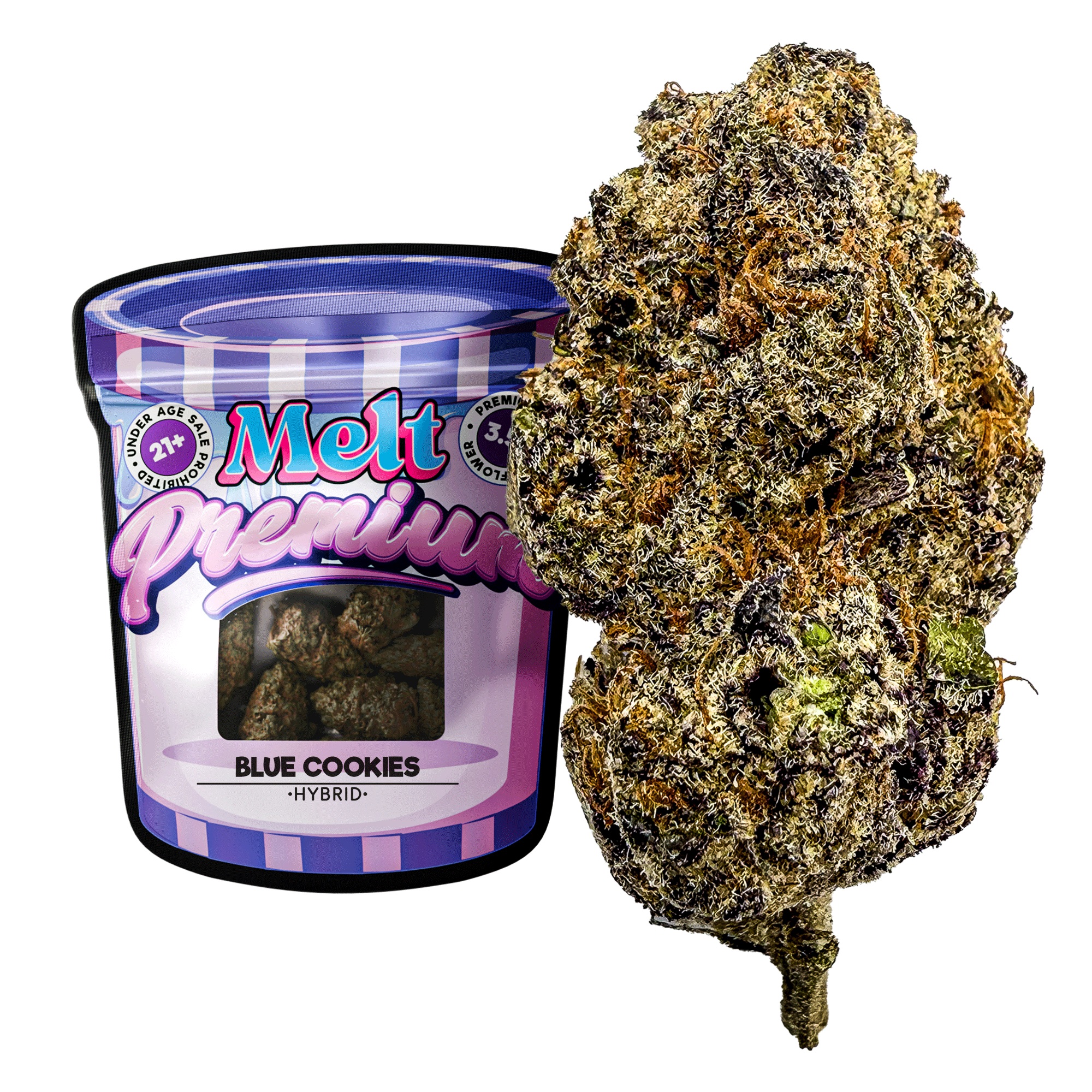
For buyers who want a strain-rich cart without giving up device convenience, some hemp brands now build around terpene-forward extracts. Melt, for example, offers THCA flower and AIO vapes as product categories, which gives buyers a cleaner way to choose between plant character and hardware convenience without pretending they are the same thing.

Reach for a low-voltage cart or a gentle all-in-one device, then take one short puff and wait. Don't chain-hit it. Don't treat the first pull like a commitment.
This is the format for people who want a controlled nudge, not a big event. A paced cart session gives you the clearest sense of where you are because the dose lands in smaller increments. If you're dosing before work, a walk, or a low-key night in, this is usually the cleanest choice.
Go with THCA prerolls or a cart that's easy to pass and easy to pause. In a group, the format matters less than the rhythm. You want something that doesn't make the whole circle wait on prep.
Prerolls work well because they keep the session communal and obvious. They also fit people who want the ceremony of flower without packing a pipe or handling a grinder. A cart can work too, especially if the group is pacing carefully, but it's less social by nature and more personal by design.
Choose flower if you want a slower ramp and a softer landing. If you're going to bed soon, a cart can hit too abruptly for some people, especially when they keep taking “just one more” because the effect feels too clean at first.
A longer session with flower often makes more sense for night use because the fade is less abrupt and the ritual itself helps mark the end of the day. If you're reaching for something very strong and very fast, that can be useful for relief, but it's not always the smartest path for sleep timing.
Buy high-quality THCA flower and use low-temp dry-herb vapor if you've got the hardware. Look for bag appeal, a proper cure, and trichomes that look mature rather than dusty. This is the lane for people who taste their weed and notice when the terpene profile is muddy.
If that's you, carts are a compromise. Convenient, yes. Satisfying for a flavor-first session, not usually. Flower gives you the cleaner read on the strain.
A good Certificate of Analysis tells you more than a flashy product page ever will. You're looking for the cannabinoid panel, the terpene profile, contaminant screening, a recent test date, and proof that the lab is credible. If a brand won't show you that, you're buying blind.
Start with the cannabinoids. Total THCA and Δ9 THC tell you what the product is, not just how it's marketed. Then scan the terpene section to see whether the strain character is documented or just implied.
The cleanest way to evaluate a report is to compare the label claim to the panel, then see whether the report is easy to find and easy to read. Melt's lab-report format is a useful benchmark for what transparency should look like, and their guide on how to read a certificate of analysis is a good place to compare that standard against other products.
Flower belongs in a cool, dark glass jar with a humidity pack if you want to protect terpene character. Light, heat, oxygen, and time all work against freshness, even when the flower looked great the day you bought it. Carts need different handling, because oil can degrade and leak if you store the device carelessly.
Keep cart devices upright and away from extreme temperatures. Don't leave them in a hot car, a sunny windowsill, or a bag where they get crushed. That's how you end up with poor airflow, sticky hardware, and oil that no longer tastes right.
Inspection rule: if a brand hides its COA, skips terpene details, or dodges contaminant results, move on. Good weed doesn't need mystery.
Freshness claims without lab backing are just marketing. Read the report, check the storage, and buy like someone who expects the product to last longer than the packaging copy.
The legal piece is where people get sloppy and get burned. Hemp-derived does not mean legal everywhere, and it definitely doesn't mean every shipping or transport scenario is safe. If you shop online, you need to think about point of sale, point of use, and point of transport as separate questions.
Modern hemp products are commonly sold under the ≤0.3% Δ9 THC federal threshold before use. That's why THCA flower and some hemp-derived carts can be sold online in the first place, even though the experience changes once heat is applied and THCA converts during smoking or vaping. The label can be compliant at sale and still become something else at use.
If you want a deeper breakdown of that gray area, read Melt's guide on whether THCA is illegal before you assume a product is safe to ship or carry. The headline matters less than the lab report and the state you're in.
Some carriers refuse THCA products outright, and state rules can make a product legal to buy online but awkward or impossible to receive. Airports add another layer, because flying with cannabis products is never the same as driving across town. Across state lines, the rules get stricter fast.
The safest mental model is simple. Legal at checkout is not the same thing as legal in your pocket. Check the label, check the destination, and check the local restrictions before you order or travel.
If you're carrying devices or flower, keep the packaging intact and the documentation accessible. Age gates and verified lab reports are there for a reason, they show compliance on paper, but they don't erase local enforcement realities. Smart buyers respect both.
A cart that looks expensive can be the cheaper buy if you use small, measured pulls and stop there. A cheap jar of flower can get costly fast if you burn through half of it chasing a bigger hit than you wanted. The right comparison is cost per session at your real dose, because that is where carts and flower separate.
Flower costs more than the bud price once you factor in grinding, packing, and the part that goes up in smoke. Shared bowls and joints can stretch the value, but they also waste material by design. Carts change the math because the oil is concentrated, each pull is easier to meter, and the device itself becomes part of the expense if you do not already own one.
That is why a cart can feel cheaper for a solo session. A few controlled pulls may be all you need, and you are done. Flower can be the better value when you buy it for repeated use, finish what you open, and do not keep rolling more than you meant to. If you want a practical read on how long a cart should last, Melt's guide on how long a 1 g cart should last is the right starting point.
Use this check before you buy:
That is also why a lot of budget-minded shoppers still end up with flower after trying carts. They are not always chasing the lowest sticker price. They are trying to avoid wasting product on a session that goes harder than they planned.
A tighter budget check is to ask one blunt question. Which format lets you stop at the right level without overshooting? For some people, that answer is a cart with a few controlled pulls. For others, especially buyers who like slower sessions and shared smoke, flower keeps the spend closer to the experience they wanted.
If you want the cleanest answer, buy for the session you repeat most often. Microdose buyers should reach for a low-temp cart or all-in-one device and take short, paced puffs. Social buyers should pick Duo prerolls or a cart that's easy to share without making the group wait.
If sleep or deeper unwind is your priority, THCA flower usually makes more sense than a cart because the onset is less abrupt and the session feels more complete. If you're a flavor-first buyer, go straight to premium flower and use it slowly. If you're chasing convenience and stealth, carts are the honest answer.
One more thing you need to hear. If you can only buy one format today, buy flower unless your life rewards discretion and meter-like dosing. Carts are excellent tools, but they're better at being tools than being experiences.
The smart starter routine is simple. Pick one format, keep the dose small, and judge the product by how well it matches your setting, not by how aggressively the label sells intensity. That's the difference between buying weed and buying the right session.
Melt makes that decision easier by putting THCA flower, AIO vapes, and transparent lab reports in one place, so you can choose based on session intent instead of guessing from the packaging. If you're ready to compare formats against your own routine, visit Melt and start with the product that matches how you like to get high.
Your cart is currently empty.