



Free Shipping All Orders Over $95
THCA is federally legal only when it comes from hemp with less than 0.3% delta-9 THC on a dry-weight basis, but that doesn't make it simple or universally safe. Its legality is fragile because THCA can turn into THC when heated, and many states look beyond raw delta-9 and focus on total THC instead.
That's why so many people end up confused. You find THCA flower online, it looks like regular cannabis, the label says legal hemp, and your first reaction is usually the right one: how can that possibly be legal?
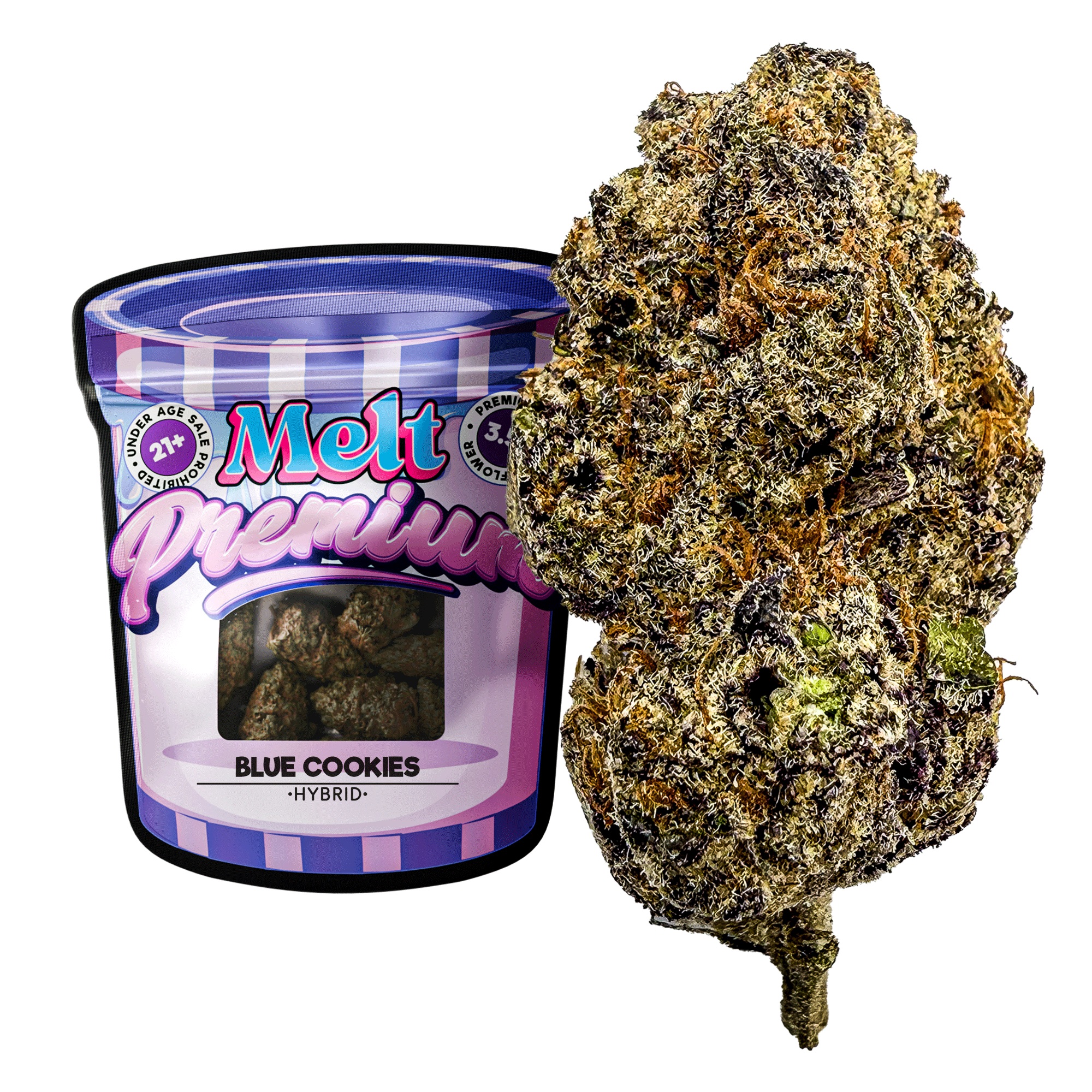
The honest answer to is THCA illegal is that it lives in a gray area. Federal hemp rules opened the door, chemistry keeps that door shaky, and state laws can close it fast. If you're trying to figure out whether you can buy it, smoke it, ship it, or travel with it, the details matter more than the label.
You're probably here because you saw THCA flower for sale and thought, “This looks exactly like weed, so why is it being sold as hemp?” That confusion isn't a sign you missed something. The market itself is built around a legal distinction that makes sense on paper and gets messy in real life.
At the federal level, hemp is defined by delta-9 THC, not by how intoxicating a product may become later. That's the crack in the door that made THCA products possible. But state lawmakers, regulators, labs, and law enforcement don't always stop at that narrow definition.
THCA exists where law and chemistry collide. In raw form, sellers point to hemp compliance. In actual use, consumers usually heat it, and that's where the practical risk starts.
It's akin to buying a legal ingredient that becomes a restricted substance once you cook it. The product on the shelf may be described one way, but the product in use may be treated another way. That gap is why simple headlines often mislead people.
Practical rule: If a THCA product is being marketed as federally legal hemp, that tells you only part of the story. It does not tell you how your state treats it, how police might view it, or how the product will be judged after heating.
A lot of consumers also assume “federally legal” means “safe to order anywhere.” It doesn't. Federal hemp language is only one layer. States can add tighter rules, and many do.
For a broader look at how brands and consumers talk through that tension, Melt's guide on THCA and its legal status is a useful example of the questions people keep running into.
Most THCA articles stop at the familiar hemp talking point. The bigger consumer risks usually come from two other questions:
That's the key issue. Not just whether THCA can be sold, but whether it stays legally defensible once it's used, shipped, or carried into the wrong state.
The legal confusion around THCA starts with a chemistry point that sounds small but has big consequences in practice. THCA is the acidic cannabinoid found in raw cannabis. Delta-9 THC is what THCA can become after heat removes part of its molecular structure.
That change is why a product can look one way on a lab report and act very differently once someone smokes, vapes, or bakes it.

THCA is often called the precursor to THC because it exists earlier in the process. In raw flower, the plant produces THCA, not the same form of THC people usually mean when they talk about getting high.
A simple cooking comparison helps. Dough and toast come from the same bread, but heat changes the result. THCA works in a similar way. Before heating, it is one compound. After heating, it can convert into delta-9 THC.
The Alcohol and Drug Foundation explains that cannabis contains THCA in its fresh form and that heating converts it into THC, which is the form associated with intoxication and the effects consumers usually expect from smoked cannabis (Alcohol and Drug Foundation's explanation of THC and cannabis chemistry).
Decarboxylation is the name for that heat-driven conversion. The term sounds technical, but in practice, it is straightforward:
Consumers rarely buy THCA flower to keep it raw; they buy it to use it in a way that applies heat. That is where the first major risk begins. The product may be sold based on one chemical snapshot, then used in a way that produces THC.
For people worried about shipping, that same issue carries over once a product is packaged, labeled, and sent across state lines. Melt has a practical guide on whether THCA is legal to ship that shows why intended use and destination law can both matter.
Raw THCA is the starting chemistry. Heated THCA is the version that creates the biggest legal and practical questions.
A shopper sees "hemp" on the label. Then they learn the flower is meant to be smoked and may produce the classic THC effect after heating. The confusion is understandable because those facts pull in two different directions.
One side of the issue focuses on the product at the time it is tested or labeled. The other focuses on what happens during normal use. That gap is where many consumers get tripped up.
It also explains why THCA products can feel risky even before you get to the state-law patchwork. If the main use of the product changes its chemistry, then the practical question is not only what it is in the jar. It is also what it becomes once used.
The federal conversation starts with the 2018 Farm Bill. Its hemp definition is the reason THCA products entered mainstream online retail in the first place.
Under that framework, hemp is allowed only when the plant contains less than 0.3% delta-9 THC on a dry-weight basis. That specific wording matters because it focuses on delta-9 THC, not necessarily on how much THC could be created later from THCA.

Here's the clearest way to frame it. A hemp product might test below the delta-9 THC limit in its raw state while still containing a high amount of THCA. On paper, that can look compliant. In actual use, it may produce THC once heated.
That's why the federal rule created so much tension. According to Recovered, in the United States THCA legality is tied to the 2018 Farm Bill's hemp definition, which permits hemp only when the plant contains less than 0.3% delta-9 THC on a dry-weight basis; because THCA can convert into delta-9 THC when heated, regulators and lawyers often treat total THC as the key compliance metric, creating a major legal gray area for THCA flower and concentrates (Recovered's analysis of whether THCA is legal).
Total THC is the idea that regulators shouldn't only ask how much delta-9 is present right now. They should also ask how much THC the product can become after conversion.
That approach makes sense if your concern is intoxication potential rather than raw lab status. It also explains why a product can pass one test standard and fail another.
A simple comparison helps:
| Testing lens | What it focuses on | What it means for THCA |
|---|---|---|
| Delta-9 only | THC present in the raw sample | Some THCA-rich hemp products may appear compliant |
| Total THC | Existing THC plus THC potential from THCA | Many THCA-heavy products face more legal risk |
Most buyers read “Farm Bill compliant” and assume that settles it. It doesn't. That phrase usually tells you the seller is relying on the federal hemp definition. It does not guarantee your state agrees with that interpretation.
It also doesn't answer what happens after shipment, after a traffic stop, or after the product is heated. Those are different questions.
If you're specifically trying to understand delivery issues, Melt also has a separate article on whether THCA is legal to ship, which gets into the transport side of the problem.
Federal legality for THCA is less like a green light and more like a narrow lane. Stay inside it exactly, and you may be fine. Drift into a state with stricter rules, and the analysis changes fast.
One more reason this matters: cannabis remains the most commonly used federally illegal drug in the United States, with 52.5 million people, or about 19% of Americans, reporting use in 2021, and CDC research estimates that about 3 in 10 people who use cannabis develop cannabis use disorder, as summarized in the same Recovered source above. That broader context helps explain why lawmakers and regulators watch intoxicating cannabis-adjacent products so closely.
Federal hemp language gets the attention. State law creates most of the practical risk. That's where online buyers, travelers, and casual consumers get blindsided.
One state may tolerate THCA products that meet the federal delta-9 rule. Another may use a total-THC standard. Another may restrict smokable hemp altogether. Same flower, different legal result.

You can think of states as falling into three rough buckets.
In these places, a hemp-derived THCA product may be sold if it stays within the familiar delta-9 threshold. That doesn't guarantee zero risk, but the state framework is more aligned with the federal starting point.
These states look at the product more like a “what can this become?” problem than a “what is the raw delta-9 number?” problem. For THCA flower, that can be the difference between tolerated and banned.
Some states target the form of the product itself. Flower and prerolls can draw attention even when other hemp products are treated differently.
Independent coverage notes that several states have restricted or effectively banned THCA flower through total-THC testing or smokable-hemp rules, and one state-by-state guide lists Arkansas, Idaho, Minnesota, Oregon, and Rhode Island among states that have banned or restricted THCA products (state-by-state THCA legality guide from The Haze Connect).
That doesn't mean every product in every scenario is handled identically. It does mean you should treat destination state law as a first-order question, not an afterthought.
The safest question isn't “Can I order this online?” It's “How does my state define this product when it arrives?”
Consumers often assume a lawful purchase equals lawful possession everywhere after that. That's not how cannabis-adjacent products work.
Shipping raises several separate issues:
Travel is especially tricky because THCA flower often looks and smells indistinguishable from marijuana flower. In real-world enforcement, that can matter before any nuanced legal argument ever gets made.
If labels are the sales pitch, the Certificate of Analysis, or COA, is the reality check. A reputable seller should make lab reports easy to find and easy to match to the product you're buying.
That report won't solve every state-law issue, but it does help you verify whether a seller is at least showing its work on hemp compliance.
When you open a COA, don't get lost in every line item right away. Start with two entries:
Why those two? Because the federal hemp argument usually turns on delta-9 THC in the raw product, while the practical legal concern often turns on how much THCA is sitting there ready to convert.
Use this checklist before you buy:
A brand can say “legal hemp” in giant font. A COA is where that claim either gets support or starts to wobble.
For a more detailed walkthrough of what these reports usually include, Melt has a consumer guide on how to read a certificate of analysis.
Good shopping in this category is less about hype and more about verification. That means asking practical questions:
| Question | Why it matters |
|---|---|
| Is the COA easy to find? | Easy access usually signals the seller expects scrutiny |
| Is delta-9 THC clearly shown? | That's central to the hemp compliance claim |
| Is THCA listed openly? | Hidden or vague labeling is a bad sign |
| Does the seller mention shipping restrictions? | Serious sellers usually acknowledge state limits |
One example is Melt, which says its hemp-derived THCA products are tested and kept within the federal delta-9 limit, with lab transparency presented as part of the buying process. That kind of documentation is more useful than broad legality claims by themselves.
This video can help if you prefer a visual explanation before reading your next report:
A lab report is not a permission slip for every state. It also doesn't answer how a local officer, prosecutor, or regulator will interpret the product.
So use COAs for what they are good at: checking transparency, basic compliance claims, and whether a seller appears serious. Then pair that with current state-law research before you order.
You order THCA flower online because the listing says hemp. A few days later, you toss the jar in your bag for a weekend trip, cross a state line, and assume the paperwork solves the problem. That is often where consumers get blindsided.
The practical risk with THCA usually comes from two places. First, the product may be treated one way on paper and another way after heating. Second, state rules do not line up cleanly, which turns shipping and travel into a legal patchwork rather than a simple yes-or-no question.
THCA works like cake batter before it goes in the oven. In raw form, sellers often focus on the hemp definition and the delta-9 number shown on a lab report. Once you apply heat, the chemistry changes, and so can the legal argument.
That matters because many consumers are not buying THCA flower to leave it raw. They plan to smoke it, vape it, or cook with it. A product that looks compliant at the time of sale can raise a different set of questions in a state that cares about total THC or about the substance's intoxicating potential after decarboxylation.
Tennessee is a useful example of how fast this can change. Reporting on the state's hemp law updates has highlighted a shift toward stricter THC treatment, including rules that pull more products into a total-THC framework rather than looking only at delta-9 in the unheated product (Tennessee Lookout coverage of hemp law changes).
THCA flower presents a simple real-world problem. It looks and smells like marijuana.
An officer, security staffer, or airport screener is not doing a chemistry seminar on the spot. The conversation often starts with appearance, not with a nuanced reading of the Farm Bill or your COA. Even if the product is eventually treated as hemp, the short-term consequences can still mean delay, confiscation, or a stressful encounter.
That is why documentation helps, but only up to a point. Original packaging, clear labeling, and an accessible COA can support your explanation. They do not guarantee that the explanation will settle things immediately.
A useful rule is to treat the paperwork like a receipt for a complicated item. It can help show what you bought, but it does not force every person you meet to interpret the product the same way.
Online availability creates false confidence. A website may ship to your address today and still leave you holding the risk tomorrow.
That happens because sellers and states are dealing with different questions. A seller may rely on a federal hemp argument at the point of sale. Your state may use a broader THC standard, may restrict smokable hemp, or may change its rules before your package arrives. The same problem shows up when you travel. Crossing one state line can move you from a permissive rule set into a stricter one, especially with flower.
A few habits lower the odds of trouble:
Drug tests usually care about metabolites, not whether the product started as hemp. That distinction trips people up.
If you use THCA in a way that converts it into THC, you should assume there is a testing risk. Employment policies, probation terms, athletic rules, and other screening programs often do not make fine distinctions between hemp-derived cannabinoids and marijuana-derived THC in practice.
Treat THCA like a product with two clocks running at once. One clock is the law at the moment of sale. The other is the law and chemistry that may matter after heating, carrying, shipping, or crossing into another state.
That mindset is more useful than a broad claim that THCA is legal or illegal. For consumers, the question is narrower. Can you buy it, possess it, use it, and transport it in your state without the facts changing under your feet?
Not automatically. THCA may be treated as federally lawful hemp when it comes from hemp containing less than 0.3% delta-9 THC on a dry-weight basis. The catch is that this doesn't settle how states treat the product, especially if they use total-THC rules.
That's one of the biggest gray-area problems. THCA can convert into THC when heated, so the legal argument tied to raw hemp status becomes much shakier in actual use.
Sometimes, yes. But the more important question is whether it can be lawfully shipped to and possessed in your state. Online availability is not the same thing as universal legality.
That's risky. State rules vary, and flower is the format most likely to create confusion because it closely resembles marijuana.
No. A COA helps you evaluate whether a seller is documenting its claims. It does not override state law or guarantee how a product will be treated in an enforcement situation.
The state-by-state guide cited earlier lists Arkansas, Idaho, Minnesota, Oregon, and Rhode Island among states that have banned or restricted THCA products.
That appears to be a real trend. Tennessee's law change is a strong example of how states are shifting toward a “potential THC” approach rather than focusing only on raw delta-9 THC.
If you want to shop with documentation in mind, Melt offers hemp-derived products alongside accessible product education, third-party testing information, and state-restricted shipping policies. That doesn't remove the legal gray area around THCA, but it does make it easier to evaluate what you're buying before you place an order.
Your cart is currently empty.