



Free Shipping All Orders Over $95
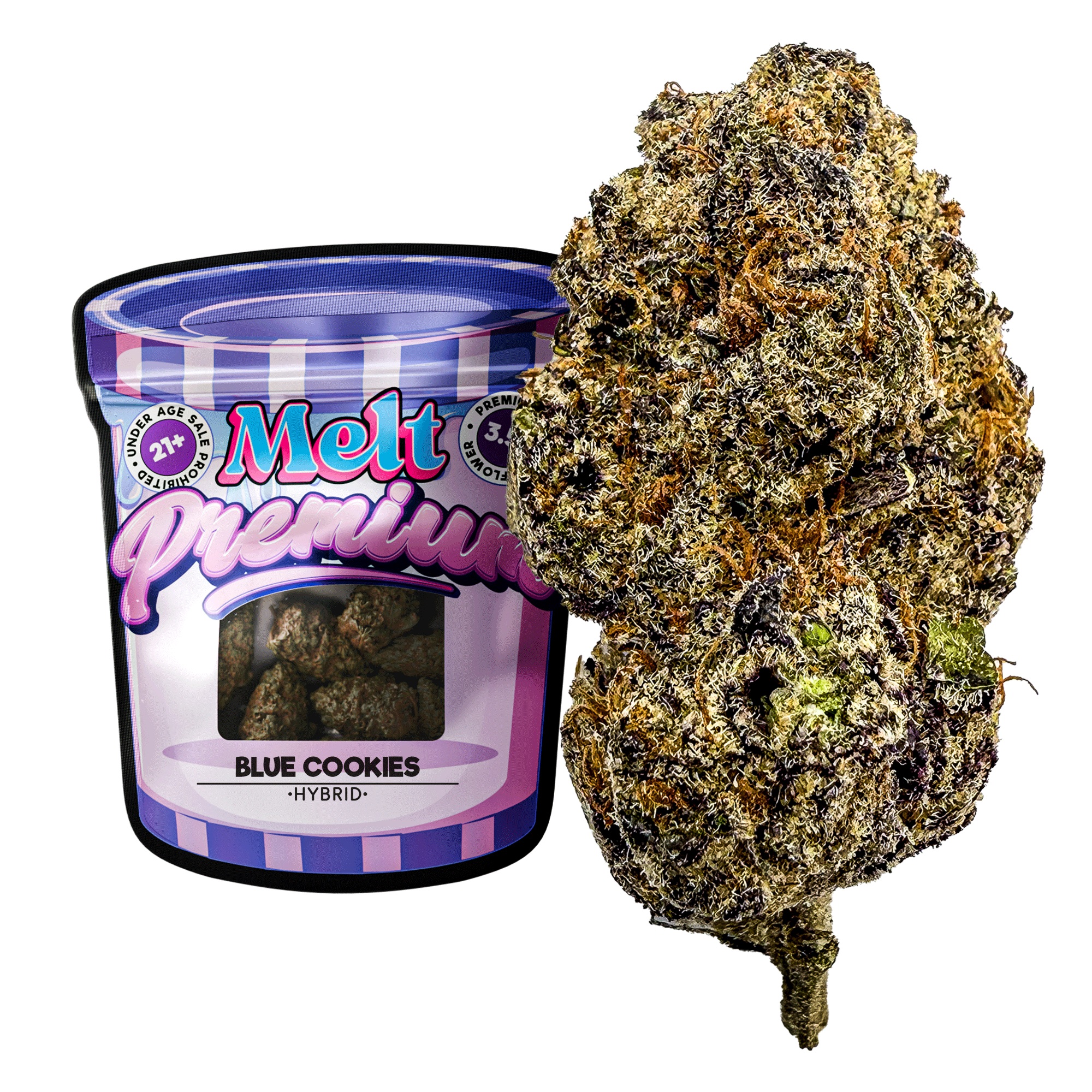
In the ever-expanding world of hemp, delta 8 flower has become a standout favorite for a reason. It’s a beautifully simple concept: take high-quality hemp flower—rich in cannabinoids like CBD or CBG—and carefully infuse it with pure delta-8 THC distillate. The result is a smokable flower that delivers a uniquely mild and manageable psychoactive experience.

To really get what the buzz is about, think of delta-8 flower as a perfectly crafted collaboration. It starts with premium hemp flower that, on its own, won't get you high. This flower is the ideal base.
Producers then carefully coat or infuse the flower with delta-8 THC, a cannabinoid known for its much gentler effects compared to the intense delta-9 THC found in traditional marijuana. This process transforms the otherwise non-intoxicating hemp into something new, bridging the gap between CBD flower and high-potency cannabis.
The popularity of delta-8 flower is no accident; it’s all about the specific vibe it creates. Most people report a smoother, more clear-headed buzz that brings on relaxation and a light euphoria. It avoids the anxiety or paranoia that can sometimes come with stronger THC products.
This makes it a great choice for:
This balanced profile has made delta-8 flower a go-to for anyone looking for a functional and controlled cannabis experience that fits a modern lifestyle.
The real magic of delta-8 flower is its "just right" potency. It offers a noticeable, enjoyable effect that lifts your mood and eases tension, but it rarely feels overwhelming. It’s the perfect middle ground.
The rise of delta-8 flower is also a story of perfect timing. It caught the massive wave of the U.S. hemp-derived cannabinoid market, which exploded by an incredible 1,283% between 2020 and 2023, growing from $200.5 million to nearly $2.8 billion.
Within that boom, delta-8 THC products were the undisputed champions, accounting for a massive $1.2 billion in sales in 2023 alone. This growth shows just how well delta-8 flower met a real consumer need for an accessible, premium experience.
While it has a unique feel, it’s helpful to see how it stacks up against other popular cannabinoids. To dive deeper, check out our guide comparing the effects and benefits of HHC vs. Delta 8.

The secret to amazing delta-8 flower isn’t just one thing—it’s a carefully executed process that separates premium products from the cheap knock-offs. It all starts with the foundation: the hemp flower itself. You can't build a great experience on a weak base.
Top-tier producers begin by sourcing connoisseur-grade CBD or CBG hemp. We're talking dense, aromatic buds packed with natural terpenes, usually grown indoors or in light-deprivation greenhouses to maximize their potency and flavor. This isn't your average field hemp.
A lifeless, poorly-grown bud will still be lifeless after it’s coated in delta-8. But when you start with a fragrant, sticky flower, you create the perfect canvas. This initial choice is the first sign of a brand that truly cares about quality.
Once the perfect hemp flower is chosen, it's time for infusion. This is where delta-8 THC distillate—a thick, purified oil—is bonded to the buds. But how it’s done makes all the difference in the final smoke. Not all methods are created equal.
There are a few ways brands create delta-8 flower, with some being far better than others:
A quality infusion should marinate the flower, not drown it. Artisan flower looks and feels natural, with the distillate fully absorbed. If you see buds that look dark, wet, or greasy, it’s a red flag for a cheap, oversprayed product that will likely smoke harshly.
The purity of the delta-8 distillate is just as critical as the flower it’s applied to. High-quality distillate should be almost clear or have a slight amber tint. If it looks dark or discolored, it could be a sign of impurities, leftover solvents, or oxidation.
A reputable brand will always provide a Certificate of Analysis (COA) for both the base hemp flower and the final infused product. This transparency allows you to verify the potency and, most importantly, confirm the absence of harmful contaminants like pesticides, heavy metals, or residual solvents.
Ultimately, spotting real quality comes down to the details. A premium bud will look vibrant, smell amazing thanks to its natural terpenes, and have an even, non-greasy feel. By understanding how it's made, you can easily tell the difference between a genuinely well-crafted product and a cheap imitation.
With so many different types of hemp flower on the shelves, picking the right one can feel like a shot in the dark. But when you’re choosing between CBD, THCA, and delta 8 flower, it really just comes down to one thing: picking the intensity level of your experience.
Think of it like a volume dial for psychoactive effects. Each flower offers a totally unique experience, and understanding their core differences helps you dial in exactly what you’re looking for—whether that’s gentle relief, a mild functional buzz, or a classic, full-strength high.
Let's use that "volume dial" analogy to make the choice simple. Imagine you're in control of the experience, from zero intoxication all the way to powerfully psychoactive.
Volume 1: CBD Flower This is your baseline. CBD flower delivers all the aromatic and therapeutic goodness of the hemp plant—think relaxation and relief from minor aches—without any intoxicating high. It’s pure wellness without the buzz.
Volume 5: Delta 8 Flower This one sits right in the middle. Delta 8 flower offers a noticeable but very manageable psychoactive effect. Most people describe it as a clear-headed, calming buzz that’s perfect when you want to feel something more than CBD but aren't looking for the intensity of high-THC cannabis.
Volume 10: THCA Flower Here’s your most potent option. When you heat THCA flower, it converts directly into delta-9 THC, giving you an experience that’s practically identical to traditional marijuana. This is the go-to for anyone seeking powerful, classic cannabis effects.
This simple framework makes it easy to match the flower to your mood. Are you looking for a chill evening with no impairment, a functional mood boost, or a classic high? Your answer points you to the right spot on the dial. For a deeper look at the nuances, our guide on THCA vs. CBD breaks it down even further.
To make your decision even easier, let's put these three side-by-side. This table breaks down what makes each flower unique, from its active cannabinoid to the type of person it’s best suited for.
| Attribute | Delta 8 Flower | THCA Flower | CBD Flower |
|---|---|---|---|
| Primary Cannabinoid | Delta-8 THC (infused) | THCA (converts to Δ9-THC) | CBD (naturally occurring) |
| Primary Effect | Mildly psychoactive, clear-headed buzz, relaxing | Potently psychoactive (when heated), euphoric, classic high | Non-psychoactive, calming, therapeutic relief |
| Legal Basis | 2018 Farm Bill (hemp-derived), but state laws vary | 2018 Farm Bill (as long as Δ9-THC is <0.3%) | 2018 Farm Bill, widely legal |
| Ideal User | Seeking a functional buzz without anxiety or paranoia | Desiring an experience identical to traditional marijuana | Looking for wellness benefits without any intoxication |
Ultimately, choosing the right flower is all about your personal goals. Whether you land on the gentle calm of CBD, the balanced buzz of delta 8 flower, or the potent high of THCA, you have the power to curate your own perfect cannabis experience.
Trying to figure out if delta-8 is legal can feel like chasing a moving target. The whole story starts with one key piece of federal law: the 2018 Farm Bill. This bill drew a clear line in the sand between marijuana and hemp, defining legal hemp as any cannabis plant with less than 0.3% delta-9 THC by dry weight.
That single rule blew the doors open for cannabinoids like CBD and, by extension, delta-8. Since most delta-8 is made from federally legal hemp, it technically isn't delta-9 THC. This puts it in a legal gray area at the federal level, all thanks to the very specific wording of the Farm Bill.
But the federal view is just the beginning. The real confusion starts when states create their own rules.
Even though delta-8 comes from legal hemp, its intoxicating effects made many states pause and take a closer look. What we’re left with is a patchwork of laws where delta-8 flower might be totally fine in one state but banned just across the border.
You can think of it like a stoplight system for legality:
Because every state is different, there's no simple "yes or no" answer to whether delta-8 is legal. It all comes down to where you are.
Before you ever buy delta-8 flower, you absolutely have to check your local and state laws. Reputable brands show they’re serious about compliance by refusing to ship to states where their products are illegal. That’s not just good business—it’s a clear sign you’re dealing with a trustworthy company that respects the law.
The legal ground under delta-8 is anything but solid. Lawmakers at the federal and state levels are constantly debating what to do with it. Some are pushing for clear regulations, treating it more like alcohol or recreational cannabis. Others want to slam the door on the Farm Bill "loophole" for good.
For now, the responsibility lands squarely on you, whether you’re a consumer or a retailer. Always, always verify a product’s legality in your specific area. As the laws change, staying informed is the only way to enjoy delta-8 responsibly and safely.
In the ever-expanding hemp market, the lab report—or Certificate of Analysis (COA)—is the single best tool you have to confirm product quality. Think of it as a background check and a nutrition label rolled into one for your delta-8 flower. Any brand worth its salt will make these reports easy to find, because transparency is a sign of confidence in their product.
These COAs come from independent, third-party labs, not the brand itself, which keeps the results unbiased. Learning how to read one lets you see past the slick marketing and verify that your delta-8 flower is potent, clean, and federally compliant. It only takes a few minutes to learn, but it's a skill that will help you spot quality like a seasoned pro.
The first thing you’ll want to check on a COA is the cannabinoid potency. This section shows you the exact concentration of cannabinoids, usually listed as a percentage (%) or in milligrams per gram (mg/g). For delta-8 flower, two numbers are critical.
First, you need to see the delta-8 THC level. This confirms you’re actually getting the cannabinoid you paid for. If a flower is advertised as strong, you should see a healthy percentage of delta-8 THC right there in the report. The second, and arguably more important number, is the delta-9 THC level.
To be legal under federal law, all hemp-derived products must contain less than 0.3% delta-9 THC by dry weight. This is the absolute most important figure for compliance. If a COA shows a number higher than that, the product is legally considered marijuana.
The report will also break down other cannabinoids like CBD, CBG, and CBN. A flower rich in multiple cannabinoids can often deliver a more well-rounded and nuanced experience, something many people call the "entourage effect."

A truly comprehensive COA goes beyond just potency—it’s also a full safety report. A full-panel test screens for several nasty contaminants that have no business being in your flower. You're looking for a "Pass" or "ND" (Not Detected) next to each of these categories.
Key safety tests include:
If a brand only shows you a potency report but skips these safety tests, consider it a major red flag. For a clear example of what transparent testing looks like, you can check out our publicly available lab results for every product we make.
Finally, a top-tier COA will often include a terpene profile. Terpenes are the aromatic oils that give cannabis its signature scents and flavors—everything from citrus and pine to earthy and gassy notes. They also play a huge role in shaping the specific effects of your delta-8 flower. For instance, myrcene is known for promoting relaxation, while limonene often has an uplifting, mood-boosting effect.
A detailed terpene report is a hallmark of a premium product. It shows the brand isn't just focused on potency but on the entire experience. It's a small detail that separates the craft brands from the mass producers.
As you get more familiar with delta-8 flower, a few questions are bound to pop up. Let's clear the air on some of the most common ones so you can make confident, informed choices.
The short answer? Yes, almost certainly. Standard drug tests aren’t designed to distinguish between delta-8 THC and its more famous cousin, delta-9 THC. They just screen for THC metabolites.
Because the two cannabinoids are so chemically similar, your body processes them in a way that looks identical to a drug test. If you’re subject to testing for your job or any other reason, it’s best to steer clear of all delta-8 products completely.
The "best" way really boils down to personal preference, but the two most popular methods are smoking and vaporizing. Each delivers a slightly different experience.
Vaping is a great choice if you want to avoid the harshness of smoke, while smoking is a timeless and effective method that never fails.
Ultimately, the ideal method comes down to your personal goals and the gear you have on hand. For immediate effects, both smoking and vaping are solid choices. The best way to find out what you like is to experiment with both and see what fits your delta 8 flower sessions.
Proper storage is everything when it comes to preserving the potency, flavor, and texture of your delta-8 flower. To stop your buds from getting dry and crumbly, keep them in an airtight glass jar away from direct sunlight and heat. A cool, dark spot like a drawer or cabinet works perfectly.
If you want to take it a step further for long-term freshness, toss a two-way humidity pack (look for 58-62% RH) into your jar. This simple trick maintains the ideal moisture level, keeping your flower potent and enjoyable for months to come.
It's really a hybrid—a mix of natural and lab-enhanced. The flower itself is 100% natural hemp, grown and harvested from the earth. The delta-8 THC on it, however, is another story.
While delta-8 THC does exist naturally in cannabis, it’s only found in tiny, trace amounts. To get the high concentrations needed for delta-8 flower, chemists convert it from hemp-derived CBD in a lab. So, you’re starting with a natural plant that’s been enhanced with a specific, lab-concentrated cannabinoid.
Ready to explore a premium cannabis experience crafted with care? Melt offers a curated collection of top-shelf products, from high-potency edibles to expertly grown THCA flower, all formulated in sunny Southern California. Shop our full collection at https://meltofficial.com and discover your new favorite session.
Your cart is currently empty.