



Free Shipping All Orders Over $95
Let's get straight to it: for all practical purposes, THCA is not legal in Iowa. The state uses a strict 'total THC' standard, which slams the door on the federal hemp loophole that many other states leave open. This means nearly all high-THCA products are considered illegal.
The confusion around THCA's legality in Iowa stems from a major difference between federal and state law. While the 2018 Farm Bill federally legalized hemp products with less than 0.3% Delta-9 THC, Iowa went a step further. State lawmakers closed what many see as a legal gray area by focusing on a product's total potential THC.
This all comes down to a simple chemical reaction: decarboxylation. Think of THCA as the raw, non-psychoactive parent molecule to THC. When you apply heat—by smoking, vaping, or cooking—that THCA converts directly into psychoactive Delta-9 THC.
Because of this inevitable conversion, Iowa law treats high-THCA flower and vapes the same as illegal marijuana. It's one of the most restrictive approaches in the country. The state didn't just adopt the 'total THC' rule; it also banned all inhalable hemp products outright, no matter their cannabinoid content.
To give you a clearer picture, here’s a quick summary of what’s allowed and what’s not in Iowa.
| Product Type | Legal Status in Iowa | Key Reason |
|---|---|---|
| High-THCA Flower | Illegal | Considered marijuana under the state's 'total THC' definition. Also banned as an inhalable product. |
| THCA Vapes & Concentrates | Illegal | Banned as inhalable hemp products and fail the 'total THC' test. |
| Hemp-Derived Edibles & Tinctures | Legal (with caution) | Must contain less than 0.3% total THC on a dry-weight basis. |
| Medical Cannabis | Legal (restricted) | Available only through a state-regulated program for qualifying patients. |
As you can see, the 'total THC' standard is the deciding factor. It effectively reclassifies products that are federally compliant as controlled substances within Iowa's borders.
Understanding these nuances is essential to stay on the right side of the law. This flowchart breaks it down visually, making it easy to see where different products land.

The flowchart makes it clear: while some low-THC hemp goods are fine, most of the popular THCA products you see online fall into the illegal category in Iowa.
This is a perfect example of why you have to look past federal law and zoom in on state-specific rules. To see how much these regulations can differ, check out our nationwide guide on whether THCA flower is legal in your state, which explores how various states handle this issue.
 To really get why the answer to "is thca legal in iowa" is a hard "no," you have to look at the simple science that underpins the state's entire approach. It all comes down to a single chemical reaction that turns a non-psychoactive compound into a psychoactive one.
Think of it this way: Tetrahydrocannabinolic acid (THCA) is like raw, unbaked bread dough. By itself, it isn't bread, and it definitely won't give you the satisfaction of a fresh-baked loaf. The potential is there, but it’s not the final product yet.
That raw dough needs heat to become bread. Similarly, when you smoke, vape, or cook THCA, that heat triggers a process called decarboxylation. This reaction strips a carboxyl group from the THCA molecule, instantly converting it into the famous psychoactive compound, Delta-9 THC.
This simple transformation is at the heart of Iowa's strict ban. The state doesn’t just care about how much Delta-9 THC a product has on the shelf; it cares about its total potential to create Delta-9 THC when you use it.
This is exactly why a THCA flower testing below the federal 0.3% Delta-9 THC threshold is still considered illegal marijuana in Iowa. The state's law anticipates the conversion that happens the moment you heat the product.
Iowa's regulations are built on the concept of "total THC." It’s a simple but crucial calculation: (THCA % x 0.877) + Delta-9 THC % = Total THC. This formula accounts for the molecular change and accurately predicts a product's final psychoactive potency.
While the 2018 Farm Bill federally legalized hemp based only on its Delta-9 THC content, it gave individual states the freedom to set stricter rules. Iowa did just that.
Lawmakers in Des Moines adopted the "total THC" standard, which effectively slams the door on the legal loophole that makes THCA products so popular in other states.
From a legal standpoint in Iowa, this means there's no real difference between a high-THCA hemp flower and a traditional marijuana flower. If the product can get you high when heated, the state classifies it as an illegal controlled substance. This scientific reality is the entire basis for Iowa’s restrictive stance, making it one of the toughest states for hemp consumers in the country.
 A huge source of confusion around THCA comes from the disconnect between federal and state laws. The 2018 Farm Bill created a legal path for hemp nationwide, but it’s critical to understand that states like Iowa can—and do—chart their own, much stricter course.
At the federal level, the Farm Bill legalized hemp by defining it as any cannabis plant with less than 0.3% Delta-9 THC by dry weight. This one rule opened the floodgates for hemp-derived products, including THCA flower, in many parts of the country.
But the federal law is just a starting point. It sets a minimum standard, giving states the green light to pass more restrictive regulations. That's exactly what Iowa did.
While many states simply adopted the federal government’s focus on Delta-9 THC, Iowa legislators were a step ahead. They recognized that raw THCA easily converts into psychoactive Delta-9 THC when you heat it up. To get in front of this, Iowa put a "total THC" testing requirement in place.
This single change completely flips the script. When Iowa authorities test a product, they aren't just looking for the existing Delta-9 THC. They calculate the potential amount of Delta-9 that could be created from its THCA.
This is the core reason why the answer to "is thca legal in iowa" is almost always a hard no. A THCA flower that’s perfectly legal under federal law is immediately considered illegal marijuana under Iowa's total THC standard.
A federally compliant hemp product just needs to contain less than 0.3% Delta-9 THC. An Iowa-compliant hemp product must have less than 0.3% total THC—a much tougher standard for high-THCA products to clear.
This isn’t a minor detail; it’s the entire legal foundation for Iowa’s ban.
This clash between federal freedom and state control creates a dangerous trap for uninformed buyers. You might see a product sold online as "federally legal hemp" and think you're in the clear. However, shipping that product to an Iowa address means you're breaking state law.
The legal framework is complicated, but grasping how federal and state laws interact is key. For more background on this, our guide on THCA and its legal status offers extra context.
Ultimately, Iowa’s total THC rule overrides the more relaxed federal standard, making the possession and sale of high-THCA products a major legal risk within the state.
To understand why THCA is a definite no-go in Iowa, you have to look past the federal rules and get into the specifics of the state's own hemp laws. Iowa didn’t just set a "total THC" limit; it built a regulatory framework designed to keep any and all intoxicating hemp products off the market.
These rules have created one of the most restrictive states in the country for hemp. The entire consumable hemp program is built around extremely low THC caps that automatically disqualify most products you can easily buy in other states.
Iowa law is incredibly precise here. It sets strict limits on the total THC allowed in any single product, leaving zero wiggle room for high-potency items.
These numbers are everything. To put that in perspective, a single one-gram preroll of flower with 20% THCA contains about 175 milligrams of potential THC once you light it up. That's more than 40 times the state's serving limit and 17 times the total package limit, making it completely illegal.
These low thresholds are a firewall. Even if a product could somehow pass the 0.3% total THC test on paper, it would almost certainly be illegal based on its overall strength.
It's a clear strategy from Iowa regulators to prevent intoxicating cannabinoids from slipping through.
On top of the THC caps, Iowa went a step further by banning all inhalable hemp products. This is a crucial detail that trips a lot of people up.
This ban has nothing to do with cannabinoid content. It applies to all hemp products made for smoking or vaping, whether they contain THCA, CBD, or nothing but plant fiber. This includes:
This complete ban on smokable hemp closes the door on any potential loopholes. It means that no matter what the lab report says, if you're supposed to smoke or vape it, it's illegal in Iowa.
Iowa’s tough stance isn’t just about THCA. The state has also cracked down hard on other hemp-derived cannabinoids that can get you high, like Delta-8 THC, Delta-10 THC, and HHC.
These compounds are all explicitly listed as controlled substances in the state. This shows a clear and consistent goal from lawmakers: to ban any hemp product that produces an intoxicating effect. This broad approach confirms that Iowa’s laws—not federal loopholes—are what determine legality.
It's one thing to understand the legal theories, but what really matters is knowing the risks you face in the real world. Iowa law doesn't care about the difference between high-THCA hemp and illegal marijuana, and that creates some serious consequences for both consumers and businesses.
For you as an individual, getting caught with THCA flower or vapes carries the same exact penalties as possessing marijuana. We’re talking about the potential for serious criminal charges, steep fines, and even jail time.
Trying to argue that your product is "federally legal hemp" won't get you very far in an Iowa courtroom. The state’s strict "total THC" standard shuts that door completely.
Ordering THCA products online and shipping them to an Iowa address is a huge gamble. Plenty of online shops might take your money and process the order, but they're breaking Iowa law by doing so—and putting both you and themselves in legal hot water.
You’ll notice that reputable companies that care about compliance will flat-out refuse to ship high-THCA products to Iowa. This isn't bad customer service; it’s a smart move to protect their business and, just as importantly, to protect you from legal trouble.
Important Takeaway: If a company is willing to ship THCA flower to Iowa, it’s a massive red flag. They are likely ignoring state laws, and you’re the one taking the personal risk. Responsible brands will block those sales to keep everyone safe and compliant.
For any business, knowingly sending illegal products into the state is a recipe for disaster. They face seized shipments, crippling fines, and even criminal prosecution. It’s just not worth it. This tough enforcement directly impacts consumers by limiting access to products that are easy to find almost anywhere else.
At the end of the day, any benefit you think you might get from finding a loophole is dwarfed by the potential legal fallout. The presence of THCA can also cause issues with drug testing, which you can learn more about in our guide on how long THCA stays in your system.
So, when it comes to the question of "is thca legal in iowa," the answer is a hard no. The only truly safe move is to avoid these products altogether while in the state.
So, with high-THCA products clearly off the table in Iowa, you’re probably wondering what’s left. While the state’s laws are definitely restrictive, you can still find compliant and legal cannabis products if you know what to look for.
For Iowans with specific health issues, the state’s limited medical cannabidiol program is one route. This program gives qualifying patients access to low-THC cannabis from state-licensed dispensaries, but it’s a narrow path. You’ll need a recommendation from a registered medical practitioner and a qualifying condition to get access.
For everyone else, the only safe and legal choices are federally compliant hemp products that also meet Iowa's tough "total THC" rules. This means the product must have less than 0.3% total THC and stick to the state's very low potency caps of 4 mg of THC per serving and 10 mg per package.
Here are your main options:
It's essential to always check the third-party lab report, or Certificate of Analysis (COA), before you buy anything. This document is the only way you can truly confirm a product’s total THC content and make sure it’s legal to own in Iowa.
Ultimately, while the answer to "is thca legal in iowa" is a firm no, you can still find safe and legal alternatives like compliant CBD. Staying on top of legislative changes is also a smart move, as advocacy continues to play a role in shaping the future of cannabis access in the Hawkeye State.
Even after digging into the science and state laws, a few questions always seem to pop up. Let's tackle the most common ones head-on so you know exactly where things stand with THCA in Iowa.

We've broken down the legal definitions and the science, but you might still be wondering about a few things. This section clears up the most frequent questions we hear, giving you the facts you need.
The short answer is no. Any trustworthy online store will refuse to ship high-THCA products like flower or vapes to an Iowa address. The reason is simple: Iowa’s "total THC" law means the state views those products as illegal marijuana, even if they qualify as hemp under federal law.
Trying to get THCA shipped to Iowa is a huge risk. If an online seller agrees to the sale, they're breaking state law. More importantly, they're putting you in a position where you could face legal trouble for possession.
When you heat THCA by smoking, vaping, or cooking, it undergoes a chemical change called decarboxylation. This process instantly converts the non-psychoactive THCA into psychoactive Delta-9 THC, which is what produces the "high."
This conversion is the entire reason Iowa's laws are so strict. The state doesn't just look at the Delta-9 THC in a product as it sits on the shelf; it regulates based on the product's potential to become intoxicating. This makes virtually all high-THCA products illegal there.
No, Delta-8 THC is also illegal in Iowa. The state specifically lists Delta-8 and other intoxicating hemp-derived compounds as Schedule I controlled substances. This is a deliberate move by lawmakers to close any potential loopholes and ban all psychoactive cannabinoids.
Yes, but the options are incredibly narrow. To stay compliant in Iowa, you have to stick to products that meet very strict criteria:
This leaves a small handful of legal options for Iowans, primarily compliant CBD oils, topicals, and extremely low-potency edibles.
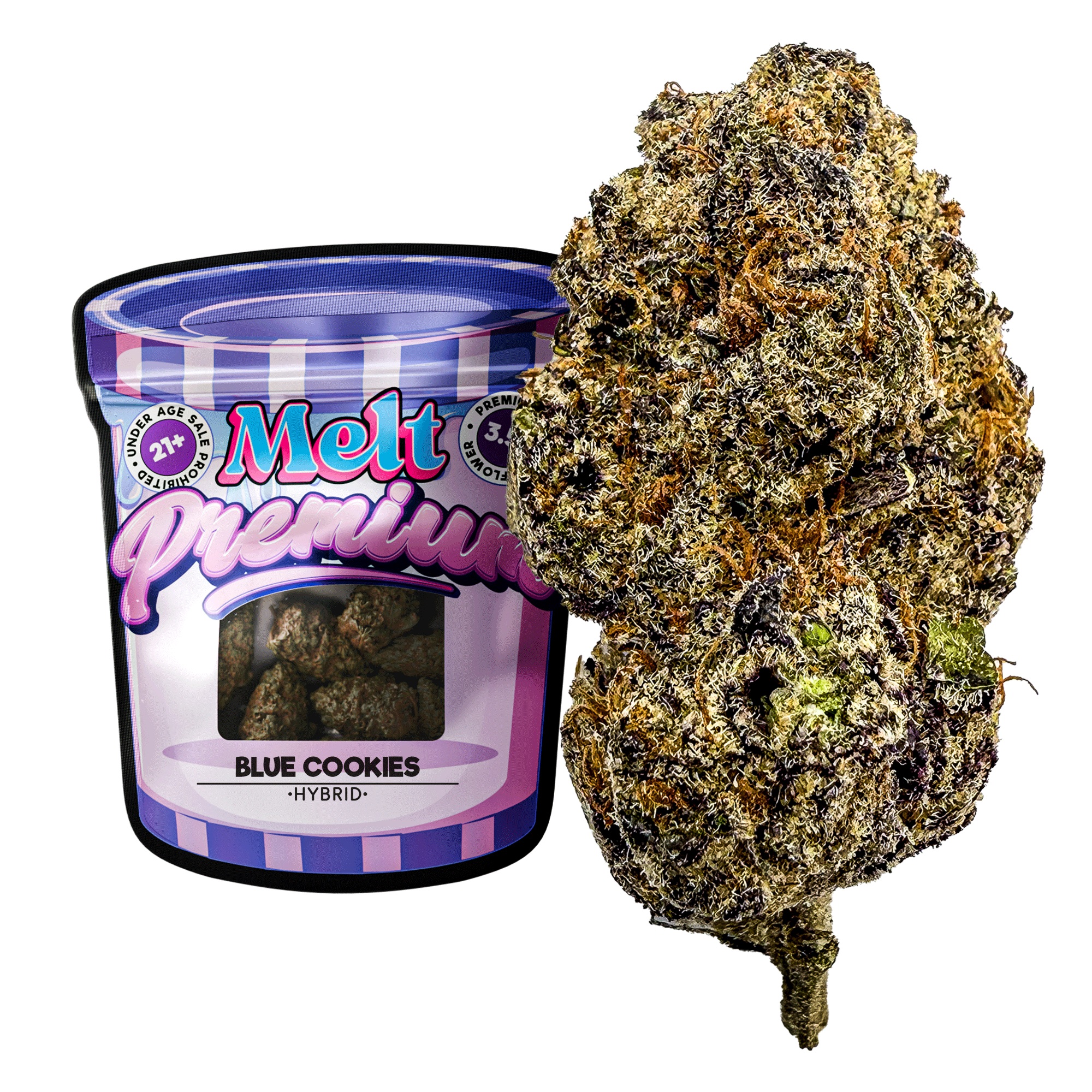
While Iowa's laws are strict, consumers in legal states can explore premium, lab-tested cannabis products. Melt offers a curated collection of high-potency THCA flower, vapes, and edibles, all crafted in California and backed by transparent lab reports. For those in compliant regions, explore our offerings at meltofficial.com.
Your cart is currently empty.