



Free Shipping All Orders Over $95
You're probably in a familiar spot. A hemp brand founder just asked whether you'd run their referral link. A dispensary manager wants to know if an affiliate program can bring in cleaner traffic than another round of paid ads. A creator is asking if promoting a THCA flower line is even worth the risk. The right answer isn't “yes” or “no” in the abstract. It's whether the program is compliance-safe, whether the payouts match the sales cycle, and whether the tracking is strict enough to protect both sides.
A dispensary starts paying attention to affiliate programs for one reason, control. Paid social gets restricted, ad approvals stay inconsistent, and operators still need a channel that can be measured from click to sale. Affiliate partnerships fit that need better than a lot of broad awareness plays, but only if the program is built with compliance first and payout logic that matches how cannabis customers buy.
The broader affiliate channel has already matured. U.S. advertisers are projected to spend $13.81 billion on affiliate marketing in 2026, up 11.3% from $12.42 billion in 2025, and affiliate marketing is estimated to influence about 16% of U.S. online orders with an average 12:1 return on ad spend. Mobile matters too, because about 50% of traffic and 70% of conversions come from mobile devices in the affiliate channel (Rewardful affiliate marketing statistics).
For dispensaries, the bigger shift is operational. A 2024 Headset.io report cited by Swell says 25% to 30% of dispensary sales now originate online, and top operators generate over 50% of revenue digitally (Swell cannabis marketplace statistics). That changes how referrals get judged. If the sale starts on a phone, the partner who sends the most qualified traffic, the traffic that stays within policy and converts, matters more than the partner who brings volume.
Practical rule: if a partner cannot explain how they will drive qualified, policy-safe traffic, they are not bringing you a growth channel, they are bringing you a headache.
Market growth is adding pressure too. In New York, the Office of Cannabis Management reported that adult-use dispensaries grew from 34 open dispensaries at the end of 2023 to 519 by November 30, 2025. That kind of expansion means tighter local competition, more room for referral partners, and less patience for vague promises that sound good in a pitch deck. Affiliate programs are getting attention because they tie payouts to real sales-cycle discipline, not raw traffic.

A dispensary affiliate program is a performance arrangement. A partner sends traffic, and the operator pays only when a tracked action happens. That action might be a purchase, a consultation, a wholesale inquiry, or a signed contract, depending on the business model. The important part is that payment follows verified value, not just attention.
There are three roles in play. The operator funds the payout, sets the rules, and decides what counts. The affiliate drives the audience, content, or referral. The customer takes the action that triggers payment. In a cannabis context, that can mean a vape blogger linking to a product page, a wellness creator sharing a discount code, or a local publisher sending shoppers to an age-gated menu.
The structure is familiar to anyone who has worked adjacent to ecommerce, but cannabis programs usually need tighter guardrails. A partner link isn't just a marketing asset. It's an attribution tool, a compliance filter, and a payout trigger all at once. That's why program terms matter more than the pitch.
A commission only makes sense if you can trace the conversion back to a real action you actually wanted.
Here's the cleanest way to think about it. The operator defines the eligible conversion. The affiliate promotes within the allowed channels. The customer completes the action. If all three line up, the commission gets paid. If one link breaks, the payout doesn't happen.
That also separates an affiliate program from a one-off referral deal. A referral deal can be informal and loosely tracked. A real affiliate program uses unique links, code validation, cookie rules, and enforcement language. It also differs from a generic network listing, because cannabis-adjacent offers often need custom terms that fit age-gating, state restrictions, and category-specific platform rules.

A lot of operators ask the wrong first question. They ask about commission rate before they ask whether the partner, channel, and claim structure are legal in the first place. That's backwards. In cannabis, compliance decides whether the program can exist at all.
Age-gating is essential for adult-use audiences. If a partner's content, landing page, or traffic source can't keep minors out, the program is misaligned from the start. The same goes for product classification. Hemp-derived products sit under the federal 0.3% Delta-9 THC threshold, but state rules still control where and how they can be marketed and shipped.
State restrictions are where most affiliate enthusiasm gets sloppy. A channel that works in one jurisdiction can be unusable in another. THC-A, hemp, and dispensary inventory each live under different policy expectations, so a partner's “reach” means little if the audience is in the wrong state or the claims are too aggressive.
Platform policy is another hidden filter. Meta, Google, TikTok, and YouTube can limit or remove cannabis-adjacent links even when the product itself is legal in a given market. That's why a program that looks fine on paper can still underperform in practice. The affiliate may do everything right, and the platform still blocks the path to conversion.
The independent guidance on cannabis affiliate programs is blunt about this. Written rules need to cover allowed channels, disclosures, prohibited claims, trademark use, and payout conditions, because the core issue is often whether a content format is safe to use at all (Gold Coast Terpenes affiliate marketing guidance).
If you want a concrete compliance reference point, use Melt's cannabis industry compliance guide as a model for how disciplined the category needs to be. It's not about making the language pretty. It's about making sure the structure matches the rules.
FTC disclosure expectations don't disappear because the category is regulated. Affiliates need to tell readers, viewers, or followers that a relationship exists. That's basic trust, and it protects the operator too. If the disclosure is buried, vague, or missing, the traffic may be useless even if it converts once.
A dispensary affiliate program lives or dies on the payout model. Pay for the wrong action and you attract affiliates who chase volume without respecting the sales cycle. Pay for the right action and you get partners who understand that cannabis conversion usually needs qualification, patience, and clean compliance.
A fixed CPA works best when the conversion event is clear and valuable. That can be a consultation, a qualified lead, or a verified first purchase. The tradeoff is straightforward. If the event definition is loose, you will pay for weak intent and then spend time cleaning up the mess.
A revenue share model fits better when the order value can support a percentage payout. It makes sense for consumer offers with stronger margins, especially when the affiliate is sending buyers who already know what they want. Revenue share only works when attribution is tight and the math still protects the operator.
A hybrid model, with an upfront payout plus recurring or ongoing share, fits slower sales cycles. It gives affiliates a reason to stay engaged after the first click, and it ties compensation to retention instead of raw traffic. That matters in cannabis, where the first visit rarely tells the whole story.
Practical rule: if the conversion event has a clear business value, pay per qualified action. If the order value is strong and attribution is tight, revenue share can work. If the cycle is longer, use a hybrid.
The strongest programs reward discipline, not volume. Flowhub's referral program requires a new dispensary lead, a minimum 12-month contract, and payment of at least two months of subscription fees before paying up to $2,000 per qualified account (Flowhub referral program). That kind of structure tells affiliates exactly what matters, a real account that closes and stays active.
Paybotic follows the same logic with even tighter gates. Its referral payout depends on a signed 12-month contract plus 100+ monthly transactions for three consecutive months before the payout is released. That is how you keep the partner focused on buyers who transact, not on anyone who clicks a link and disappears.
Releaf's Awin terms show the same discipline on the consumer side, with a one-time CPA on the initial consultation, no downstream subscription credit, no PPC traffic, and commission only when a valid, network-issued discount code is used (Awin merchant terms for Releaf). That structure keeps compensation tied to a clean, trackable conversion path instead of vague interest.
| Comparing Commission Models for Dispensary Affiliate Programs | |||
|---|---|---|---|
| Model | How It Pays | Best Fit in Cannabis | Main Risk |
| Fixed CPA | One payment after a verified action | Consultations, qualified leads, first purchases | Paying for low-intent or duplicated actions |
| Revenue Share | A percentage of attributed order value | Products with stable margins and clean attribution | Margin pressure if traffic quality drops |
| Hybrid | Upfront payout plus ongoing value-based compensation | Longer sales cycles, B2B or subscription-style offers | More admin if the rules aren't written clearly |
For payout design, Melt's affiliate commission structure guide is a useful reference. The lesson is simple. Pay for the action that creates real business value, not the one that sounds generous in a pitch deck.
A dispensary affiliate program lives or dies on tracking. Set up alone is not enough. In cannabis, attribution has to do three jobs at once: measure performance, block fraud, and make sure only eligible conversions get paid.
A workable setup combines unique partner links, coupon-code validation, cookie windows, and, in some cases, server-side conversion events. One tracking layer is easy to game. Two or three layers together make it much harder for bad traffic to slip through. That matters because regulated offers get reviewed more tightly than standard ecommerce campaigns.
The Releaf example shows how strict attribution can be. Commissions are credited only when a valid, Awin-issued discount code is used, and PPC traffic is disallowed. The operator wants tight control over traffic sources, and the payout is tied to a specific conversion path, not just a visit.
On the B2B side, threshold-based programs make the same point from the opposite direction. A dispensary SaaS referral can require a signed contract and a transaction threshold before any money leaves the operator's account. That protects against weak leads, and it also trains affiliates to send buyers who are ready to move.
In cannabis, attribution rules are also a trust signal. If a program only pays after a verified event, serious affiliates take it seriously because they know the operator is not buying junk. Operators benefit because they are not paying for clicks that never had a real shot at converting. Affiliates benefit because the rules are clear enough to decide whether the program is worth their time.
Many entry-level affiliate guides stop at setup and call it a day. That misses the part that matters. The better move is to document the flow, define the credit rules, and enforce them consistently. That keeps the program usable without turning it into a loophole.
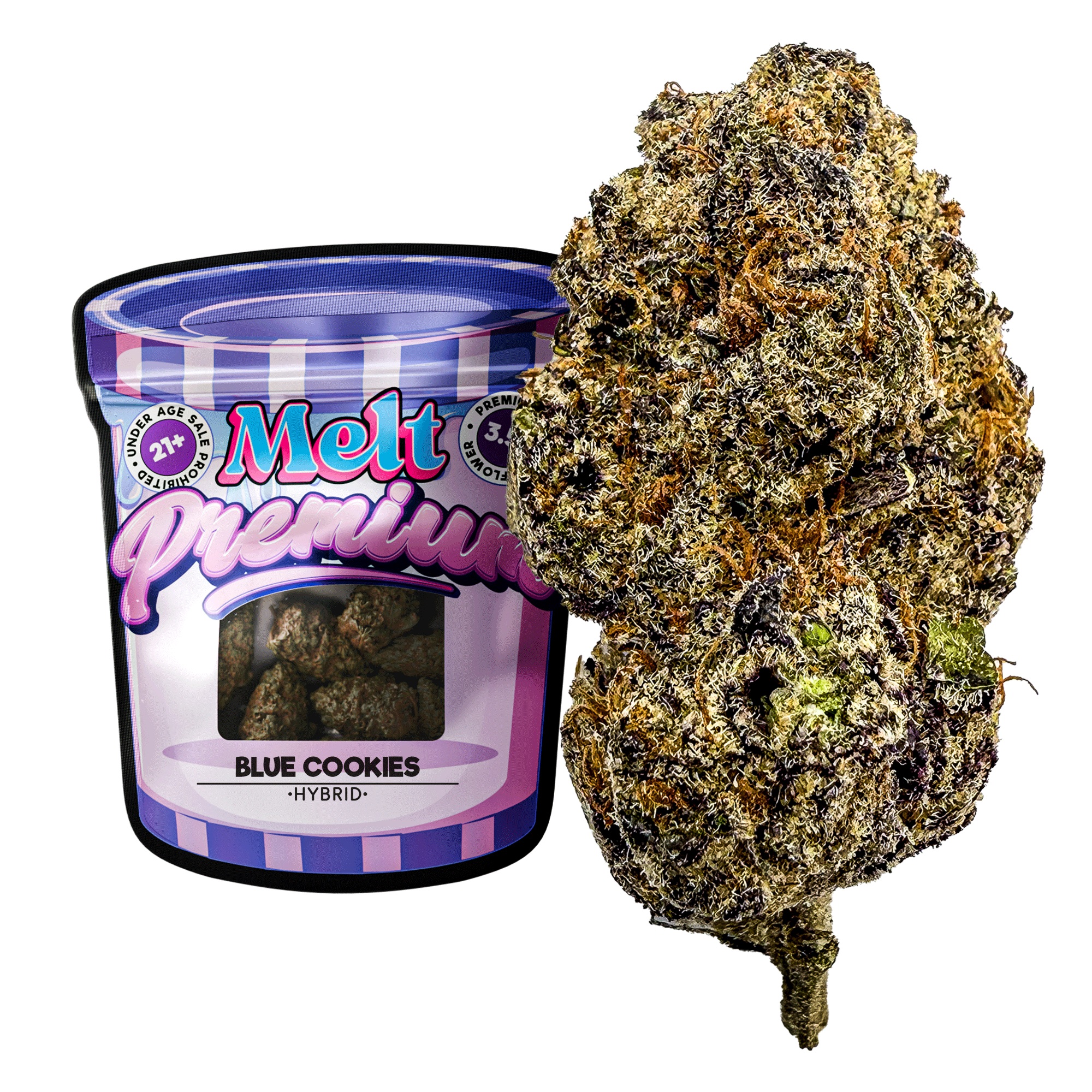
A hemp-derived brand can run an affiliate program that looks consumer-friendly on the surface and still stay tight under the hood. Melt does that by pairing an age-gated ecommerce flow with legal hemp products, and the affiliate program can support traffic to items such as disposables, THCA flower, and edibles inside that framework. The point is simple. A compliant product line can support partner traffic, but only if the landing pages, claims, and shipping rules stay aligned. For a closer look at how that setup is presented, see Melt's own overview of its affiliate program requirements.
A dispensary software company usually plays a very different game. Flowhub's referral setup is a B2B example, where payout depends on a new lead turning into a long-term account and paying real subscription fees before compensation is released. That tells you the operator is buying qualified business, not casual interest. In this kind of program, the sales cycle matters more than raw clicks, and the affiliate has to send prospects who can make it through the full buying process.
Releaf sits in the middle as a cannabis-adjacent service with a stricter consumer conversion path. Its terms require a valid discount code, block PPC traffic, and pay only on the initial consultation. That is a clean example of a program that stays performance-based while keeping tight control over how traffic enters the funnel.
The same pattern shows up across all three examples. The affiliate program works only when the offer, the traffic source, and the payout rule fit together. If the fit is wrong, the program turns into expensive noise. If it is right, the operator gets qualified referrals and the affiliate gets a channel they can scale.

For operators, keep the rules short and enforceable. Write down what counts as a qualified conversion, what channels are allowed, and which claims are off limits. If you don't want coupon-site traffic, say so. If you need age-gated content only, say that too. Clear terms reduce argument later.
Then design payouts around customer lifetime value, not vanity traffic. If the business needs only high-intent referrals, don't pay for low-intent lead fills. Screen partners before approval, provide usable assets, and make sure the tracking stack can support the attribution model you choose.
For affiliates, the checklist is equally blunt.
If you want a practical starting point for what operators should require before launch, Melt's affiliate program requirements guide is a straightforward reference. Good programs do not leave the hard parts vague.
The clean rule is this. In a dispensary affiliate program, compliance decides whether a partner or channel is even eligible, the commission model decides how value gets paid, and tracking decides whether the conversion counts at all. If any one of those three is loose, the program leaks money or creates risk.
Retail growth makes the opportunity bigger, but it doesn't make weak programs better. Mobile matters because discovery and checkout happen there. And the most common payout denials usually come from missing eligibility, disallowed traffic, or a conversion that never met the stated threshold.
If you're choosing between programs, don't ask who promises the highest rate. Ask who has the clearest rules. That's the one most likely to pay on time and stay live.
If you want to work with a cannabis brand that treats partner growth as a compliance-first channel, visit Melt. Their hemp-derived catalog, age-gated shopping flow, and affiliate support are built for operators and creators who want a program with real rules, not vague promises.
Your cart is currently empty.