



Free Shipping All Orders Over $95
You're looking at two jars labeled Groovy Grape. One promises a mellow evening, while the other has a different aroma and a noticeably different lab report. The name gives you a clue about the kind of flower the seller intends to offer, but it can't tell you exactly what's in either jar.
That's the useful way to approach the Groovy Grape strain: treat its name as a starting point, then evaluate the specific batch. Lineage, cannabinoid results, aroma, and a batch-matched certificate of analysis (COA) can help you understand what you're buying. None of those details can promise exactly how you'll feel, but together they give you a clearer picture than a strain label alone.
Ask three different dispensaries what Groovy Grape is, and you may hear three different answers. Most listings describe it as a grape-aromatic, indica-leaning hybrid, sometimes filed under the plural "Groovy Grapes." What they rarely agree on is a breeder, an origin story, or a fixed genetic recipe. Claims about grape-family parentage circulate, yet no single pedigree has been confirmed for every jar carrying the name.
That loose identity is common in cannabis. A strain name works like a recipe title rather than a recipe: two kitchens can both serve "chili" while using different ingredients. Growers can arrive at the Groovy Grape name through different crosses, and each batch can differ in parentage, aroma, measured cannabinoids, and reported effects. The label tells you the style a seller intends. The lab report tells you what is inside.
A sound evaluation has four parts. Read the lineage claim as context, since it hints at what the grower was aiming for. Check the certificate of analysis (COA) for that specific batch, and treat THCA, Delta-9 THC, and CBD as separate numbers rather than one strength score. Look for a terpene panel, then compare it with what the flower smells like in the jar. Weigh the measured potency against your own tolerance and plans for the session.
Done well, that process swaps a vague question ("Is Groovy Grape good?") for a sharper one: What does this batch contain, how fresh and aromatic is it, and does its profile match what I want?
The label is associated with fruit-forward aroma and a relaxed character, and "indica-leaning" describes the experience growers report, not a verified genetic split. No strain name can predict your personal response or stand in for a batch-matched lab report. What you can do is learn to weigh the evidence: reported lineage, potency figures, terpene data, and your own senses.
Buying rule: Choose a documented batch that suits your preferences, not a promise attached to a familiar name.
Two jars on the same dispensary shelf can both say Groovy Grape and trace back to different parents. One grower may describe a cross involving Grape Ape, while another points toward Granddaddy Purple or a different grape-forward cultivar entirely. No single breeder, origin date, or verified pedigree covers every product sold under the name, so a lineage claim on a label works best as context for what that particular grower was aiming for.
Those parent names explain the expectations shoppers bring to the jar. Grape Ape and Granddaddy Purple built their reputations on sweet, fruit-like aromas and deep purple coloration, so any cultivar marketed as their descendant inherits that association automatically. The name earns its appeal through family resemblance, and that appeal alone cannot confirm shared parentage.
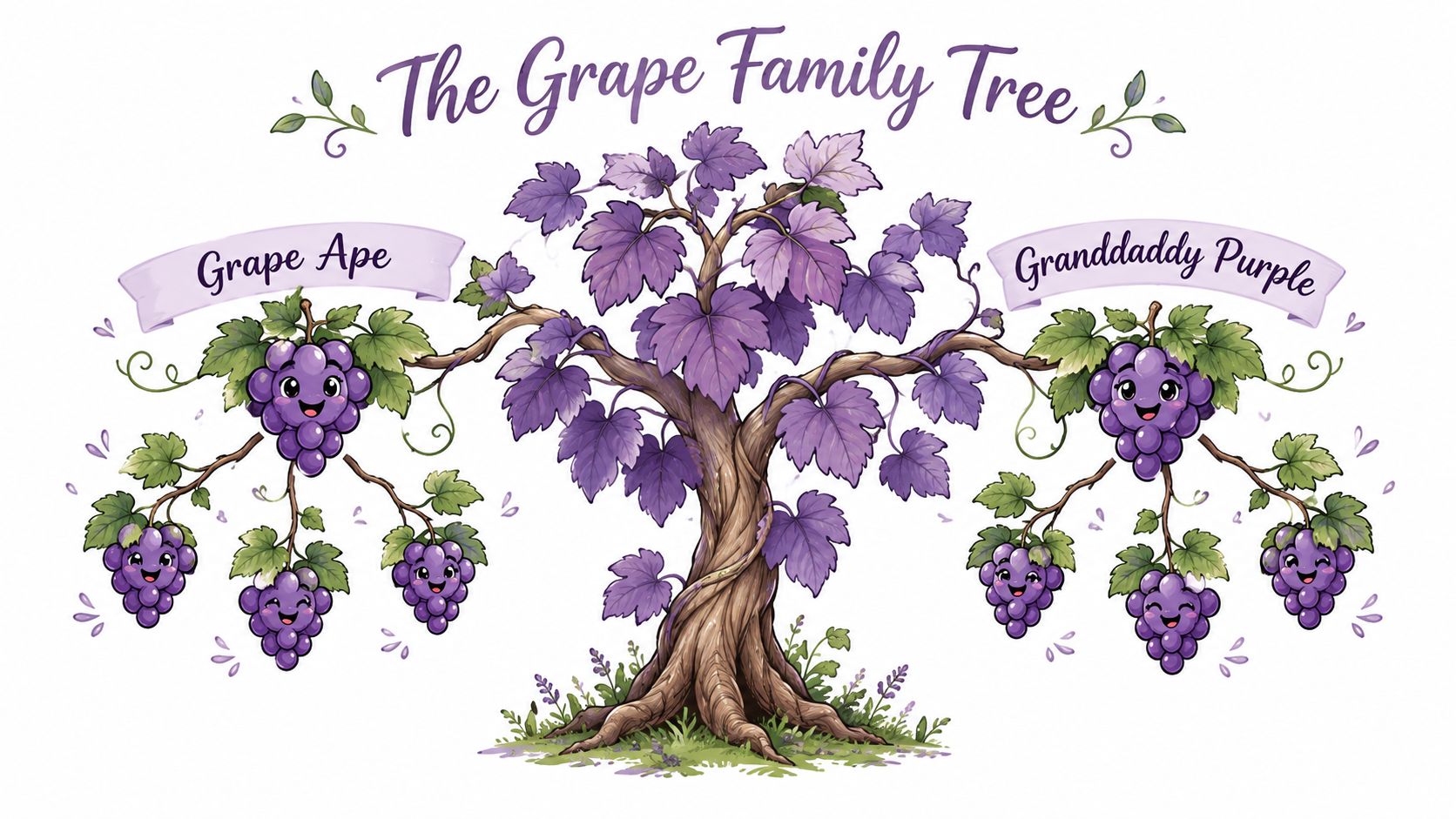
A strain name works like a surname. Sharing "Grape" in the title hints at shared ancestry, the same way two people named Gardner probably had a gardener somewhere back in the family line. It tells you something about the tradition. It tells you little that is reliable about the individual.
Grower, cultivation conditions, harvest timing, curing, and handling all shape the finished flower, so two batches carrying the same reported parent can still diverge in aroma, appearance, and lab results. A lineage description earns its place as one piece of a broader profile, sitting alongside the batch's measured chemistry rather than standing in for it.
Purple buds and a sweet, fruity smell can make the grape name feel self-evident. Neither feature verifies parentage. Color can shift with temperature during cultivation, and a grape-like aroma on its own says nothing about which terpenes are present or at what concentration.
The practical takeaway: lineage frames expectations; it cannot confirm flavor, potency, or effects. When a seller lists parentage, treat it as the grower's account and check it against the batch-specific COA. When that documentation is missing, the name alone cannot fill the gap.
Potency figures for Groovy Grape describe particular profiles or batches, and no single number applies to every jar sold under the name. One reported profile lists approximately 25% THCA with less than 1% CBD, while a separate listing reports a batch at 25.94% THCA. Both are reported THCA values rather than laboratory-confirmed Delta-9 THC results, and the two measurements should never be treated as interchangeable.
The distinction starts with the molecule. THCA is the acidic cannabinoid present in unheated cannabis flower. Heat converts a portion of it into psychoactive THC, so a high THCA reading signals potential for THC formation during use. It does not mean the raw flower already contains that amount of Delta-9 THC.
| Cannabinoid | Reported value | What it tells you |
|---|---|---|
| THCA | Approximately 25%; another reported batch is 25.94% | A reported amount of the acidic cannabinoid that can convert when heated, distinct from a measured Delta-9 THC result. |
| CBD | Less than 1% | The referenced profile is low in CBD and is not presented as a balanced THC-to-CBD product. |
| Delta-9 THC | The cited profile states under 0.3% | A separate measurement relevant to hemp-derived product claims in the United States. Check the batch's own COA rather than assuming every product matches. |
The values in this table come from the reported Groovy Grapes potency profile. They characterize that cited profile and batch, and other products carrying the same name can test differently.
A batch-specific report lists THCA, Delta-9 THC, and CBD as separate lines. Read each one on its own terms. A strain-level listing describes what a vendor measured once; the certificate of analysis attached to your jar describes what a lab measured for that harvest.
The COA can also confirm that a result belongs to the product being sold. Look for the product or batch identification beside the laboratory results, then check the report date and testing method where provided. Harvest timing, cultivation, curing, and testing all contribute to differences between products carrying the same name, which is why the potency profile cited above works best as a reference point rather than a guarantee.
A potency figure is most useful when it belongs to the exact batch you're considering.
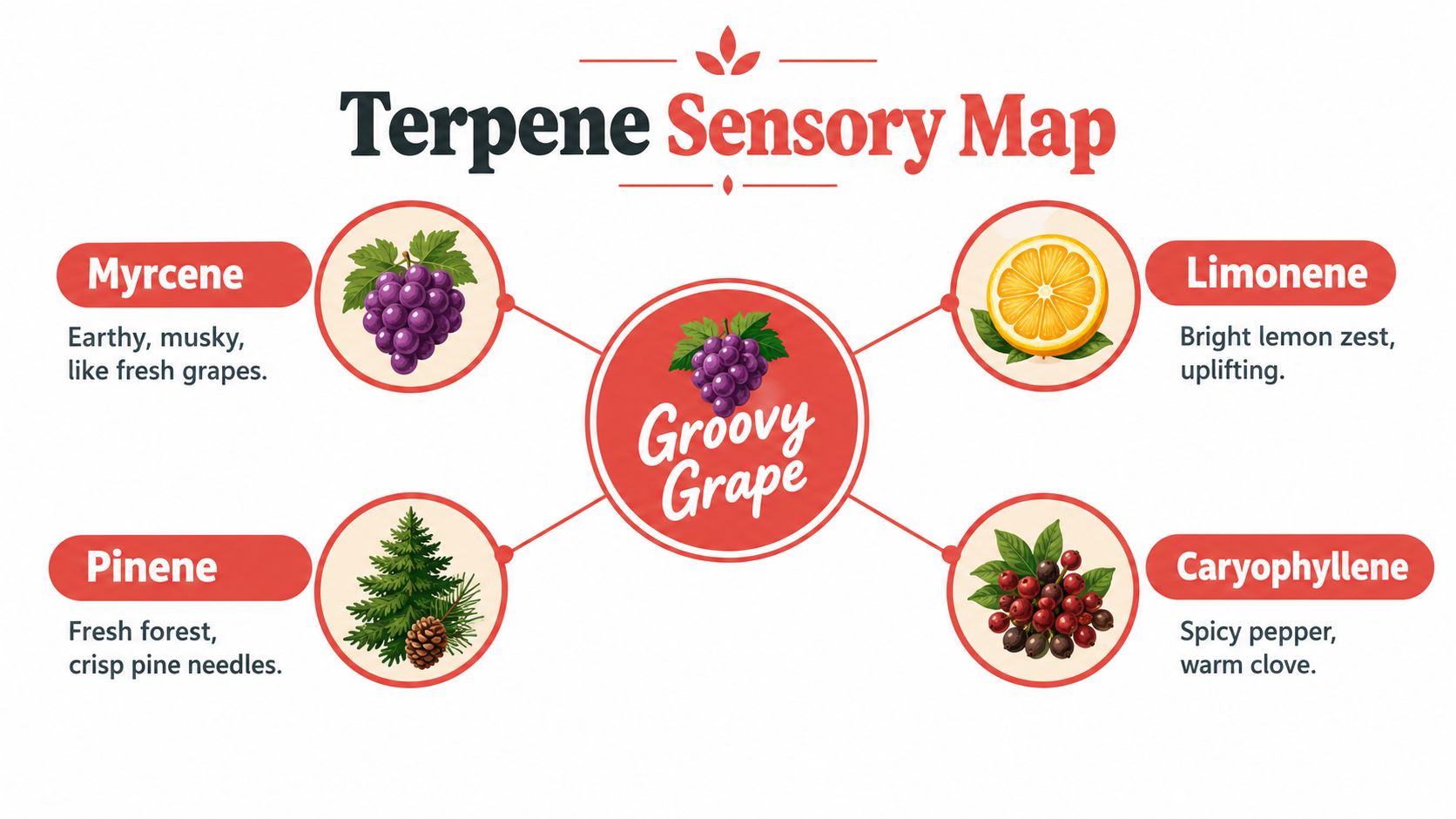
A grape-forward scent can make a jar feel true to its name, but scent alone can't identify a precise chemical profile. Caryophyllene, limonene, and myrcene are commonly associated with discussions of Groovy Grape, yet the amount and combination in a particular batch need to be verified rather than assumed.
Think of the aroma as a sensory clue. Caryophyllene is commonly described as warm, peppery, or clove-like. Limonene brings a bright citrus impression, while myrcene tends toward earthy or musky notes. Together, a fruit-like scent with earthy and spicy edges may read as richer than a simple grape-candy smell.
For a plain-language introduction to how these aromatic compounds are discussed in cannabis, see this guide to terpenes in weed.
Aroma can help you compare a batch with its description and notice whether its scent seems vivid or muted. It doesn't establish that a particular terpene will cause relaxation, sleepiness, pain relief, or a stronger THC experience. Even a terpene panel tells you what was measured, not exactly how every person will respond.
That limitation is important because the science of terpene–cannabinoid interaction is unsettled. Preclinical studies have proposed ways that selected terpenes might affect cannabinoid-related activity, but other receptor-binding work hasn't supported a conventional entourage mechanism for most tested terpenes. A broader review characterizes the available human evidence as contradictory, equivocal, and inconclusive (research on terpenes and cannabinoid receptor activity).
Terpenes are volatile, so handling and storage can affect how much aroma remains after harvest and formulation. If the batch smells flatter than expected, that may be a reason to ask how it was cured and stored. It doesn't, by itself, establish what the cannabinoid results are or how the product will feel.
For a clearer comparison, ask whether the seller provides terpene amounts for the specific batch, the testing date, and the laboratory method. A fuller panel makes the aroma easier to describe with precision, but more detailed measurement still isn't a clinical prediction of effects.
Groovy Grape is often described as relaxing, consistent with its indica-leaning reputation. Those descriptions can help you decide whether it sounds appealing, but they're reports of experience, not a guarantee that every batch will make you feel calm or ready for bed.
A shopper might hear “relaxing” and imagine the same body feel from every jar. In practice, the experience can differ with the product's measured chemistry, how much someone uses, their tolerance, the route of consumption, timing, and individual biology. A strain name can't account for all of those factors.
Words such as “calming,” “mood-lifting,” or “body-relaxing” are best treated as consumer descriptions, not medical outcomes. They don't establish that the flower treats stress, pain, sleep problems, or appetite concerns. Nor can a terpene name on its own confirm that a particular effect will happen.
There's a similar limit with the entourage effect: terpene content doesn't prove that a product will be sedating or change THC's impact. A 2024 review described terpene–cannabinoid synergy as unproven and called for additional clinical trials; it also summarized research that illustrates why a terpene label alone can't tell a buyer what to expect (review of terpene and cannabinoid synergy).
If a product sounds stronger or more relaxing than what you usually choose, consider whether the time and place are appropriate for trying it. Don't plan to drive or operate machinery after using cannabis. Keep the product away from children, and follow the directions and rules that apply where you live.
A helpful question for a budtender is not “Will this put me to sleep?” Try asking what the batch's COA shows and how its aroma compares with the seller's description. That keeps the conversation grounded in the product rather than a promise about your response.
Your own experience is the best guide to your preferences, but it's not a reason to treat a strain label as medical advice. If a product doesn't suit you, don't assume that another jar with the same name will feel identical.
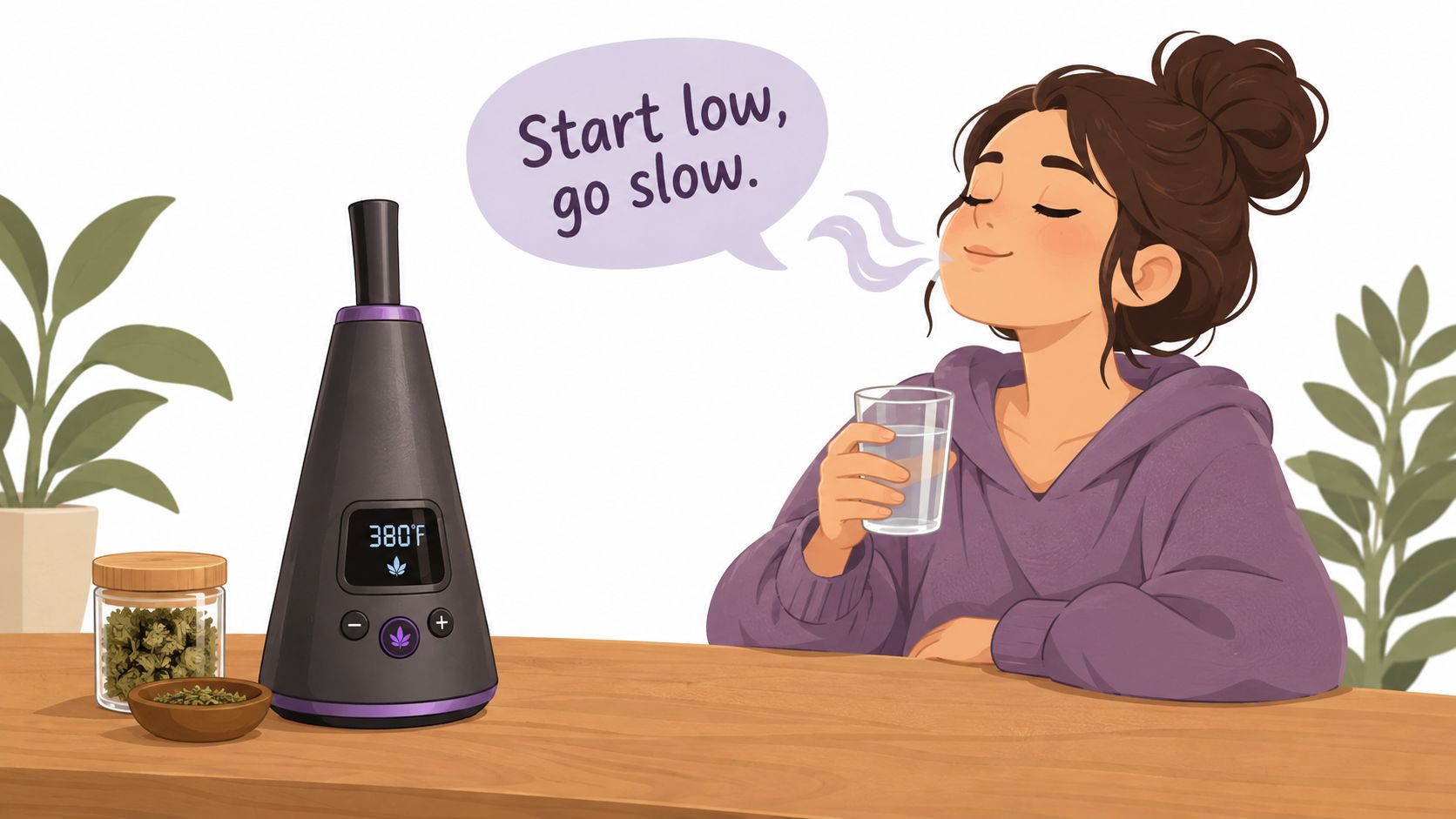
Trying a new batch is easier to assess when you keep the session simple and controlled. If you're an adult who chooses to use cannabis, start with a small amount, pause to notice how you feel, and avoid adding more just because the first inhalation seems mild.
Flower and infused products aren't interchangeable. An infused preroll or edible can deliver a different kind of experience from plain flower, and a high-potency format may be a poor fit if you're unfamiliar with the product. Check the label and serving guidance, and don't assume that a small-looking item is a small dose.
For dry-herb vaporizing, use the device manufacturer's directions rather than relying on a temperature rule meant for another vaporizer or product. Vaporizing heats flower without burning it, but device design and settings can change the result. If you choose combustion instead, remember that inhaling smoke carries its own risks.
Use a small amount and wait before deciding whether to continue. Taking repeated inhalations in quick succession can make it harder to judge how the product is affecting you. If you're new to high-THCA flower or returning after a break, be especially cautious and avoid combining cannabis with alcohol or other intoxicating substances.
Choose a comfortable setting, keep water nearby, and leave yourself time to assess your response. Don't drive, ride a bike in traffic, or operate equipment after using cannabis. If you feel uncomfortable, stop using the product and stay somewhere safe.
A short educational video can offer additional context before you choose a device or plan a session.
Before buying hemp-derived THCA products, check local rules and the seller's shipping restrictions. Legal status can vary by location, and a strain name or online listing doesn't establish that a product is permitted where you live. Adults should follow applicable age requirements and local regulations.
Purple buds and grape-flavored names can carry more meaning in a product description than they do in a lab report. Three common assumptions can lead shoppers away from the information that's more useful: measured chemistry, verified batch details, and personal fit.
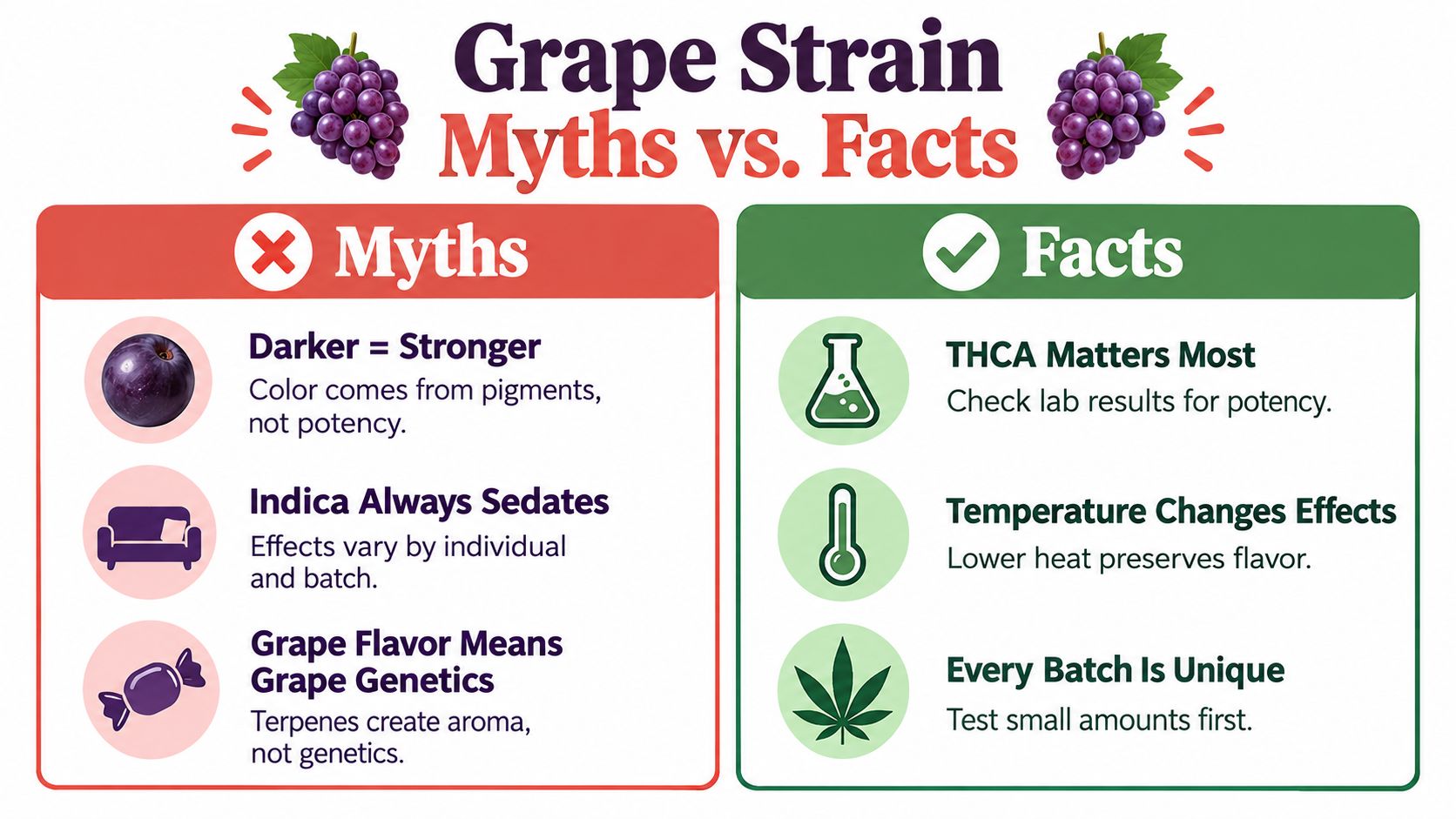
Color can contribute to a flower's appearance, but it doesn't establish cannabinoid potency. A dark or purple look may support the seller's description of a grape-family style; it can't replace the COA. If strength matters to you, compare the batch's measured cannabinoid results instead of judging by color.
“Indica-leaning” is a broad style label, not a reliable forecast of one person's experience. The result may depend on the batch, the amount used, the route, and individual factors. For more context on the limits of these labels, read this guide to sativa, indica, and hybrid.
A larger potency figure doesn't tell you whether the flavor, cure, or overall experience will suit you. Choosing only by the highest number can also mean passing over a batch that better matches your tolerance and preferences. Compare COAs, check the aroma, and start with a conservative amount when trying something new.
There's another easy assumption to catch: grape flavor doesn't prove grape genetics. A smell can describe the flower's sensory character, but it can't confirm its lineage. Treat color, aroma, and strain naming as useful clues, then check the batch documentation for the details those clues can't supply.
Groovy Grape is best understood as a style of flower with a grape-forward reputation and an indica-leaning description, not as a guaranteed genetic recipe. The lineage may point toward cultivars such as Grape Ape or Granddaddy Purple, but the same name can appear on products with different genetics and chemistry. The COA helps you evaluate what's in the batch; the aroma helps you decide whether its sensory profile appeals to you.
More complete cannabinoid and terpene profiles can help shoppers compare batches beyond a single potency figure. Better measurement improves product description, but it doesn't make effects predictable for every person. Treat Groovy Grape as an invitation to inspect the flower and its documentation, not a shortcut around them.
For a batch-led way to explore hemp-derived cannabinoids, Melt offers THCA flower alongside other products, with third-party lab reports to help you review what's in the product you're considering. Visit Melt to compare available options, read the product documentation, and check shipping restrictions for your location.
Your cart is currently empty.