



Free Shipping All Orders Over $95
Most cannabis advice starts with a slogan: sativa for energy, indica for sleep, hybrid for somewhere in between.
That sounds tidy. It also explains why so many people buy a product that should fit their plans, then get a result that feels off. The label said one thing. Their body said another.
If you want a better way to choose cannabis, stop treating strain labels like a prediction engine. Start reading the chemistry. The most useful question isn't “Is this sativa or indica?” It's “What cannabinoids and terpenes are in this product, and what do they usually feel like together?”
A lot of people still shop by the old rule. In fact, 85% of consumers choose strains based on “indica = sleep” or “sativa = energy” labels, while a 2024 Nature study confirmed these categories do not reliably predict chemical profiles or effects according to Snapdragon Hemp's summary of the data.
That mismatch matters. If you've ever tried one “indica” that felt dreamy and another that felt mentally busy, or one “sativa” that made you alert while another made you want a nap, you didn't do anything wrong. The label just didn't tell you enough.
Here's the practical shift: think in terms of chemotype, not just category. A chemotype is the product's chemical makeup, especially its cannabinoids and terpenes. That's what shapes the experience more directly than the old plant-type shorthand.
| Label on the jar | What many people assume | What actually helps more |
|---|---|---|
| Indica | Always relaxing | Check calming terpenes and cannabinoid balance |
| Sativa | Always energizing | Look for uplifting terpene patterns |
| Hybrid | A perfect middle ground | Read the lab report to see what it really contains |
A product can wear a familiar name and still carry chemistry that points in a different direction. That's why strain shopping gets easier when you stop asking the label to do all the work.
If you've ever wondered why a popular strain can feel different from batch to batch or brand to brand, this is the missing piece. Even consumer guides built around classic labels, such as this look at Ice Cream Cake strain indica or sativa, make more sense when you read them alongside the product's cannabinoid and terpene profile.
Practical rule: Use indica, sativa, and hybrid as rough shelf signs. Use the lab report as the real map.
The old model didn't come from nowhere. It started as a way to describe how cannabis plants looked and where they grew.
Historically, Cannabis indica plants are native to the Hindu Kush mountains and adapted to harsh climates, growing short and dense, while sativa plants thrive in warmer climates, growing tall with thin leaves. This morphology led to the traditional classification based on appearance and geographic origin, as outlined by Healthline's explanation of sativa vs indica.

For many consumers, the categories still work like this:
That language became standard in dispensaries because it's fast. A shopper says they want help sleeping, a budtender points toward indica. A shopper wants daytime creativity, the menu highlights sativa. A shopper wants flexibility, hybrid enters the conversation.
Most modern cannabis products sit somewhere in the hybrid bucket. Breeders have spent years crossing cultivars for flavor, aroma, structure, cannabinoid expression, and terpene traits. So even when a jar says “indica” or “sativa,” you're often looking at something that has mixed lineage.
That's part of why old-school strain talk still survives. It gives people a shared language. “Indica-leaning” tells you the expected vibe. “Sativa-leaning” suggests something more active. “Balanced hybrid” signals a middle lane.
The traditional system is useful as cultural shorthand. It becomes confusing when people mistake shorthand for science.
Most consumers hear some version of this:
That framework is familiar because it matches what many people have been told for years. It's also why the phrase sativa vs indica vs hybrid still dominates menus, conversations, and strain reviews.
The problem isn't that the labels are meaningless. The problem is that they're incomplete.
Modern cannabis science asks a different question. Instead of sorting products by leaf shape or growth pattern, it looks at what's inside them.
Modern molecular testing reveals no significant genetic difference between indica and sativa; cannabis is a single species, Cannabis sativa L. That means plant height and leaf shape can't reliably predict chemical content or effects, according to Garden Remedies' review of the science.

A plant can look “indica” and still express chemistry that feels lively. Another can look “sativa” and still land in a calming, body-heavy way. Once you understand that, a lot of inconsistent cannabis experiences suddenly make sense.
The better framework is chemovar or chemotype. That means grouping cannabis by its chemical profile, especially:
People also talk about the entourage effect when they describe how these compounds work together. The key takeaway is simple: the overall experience comes from the combination, not from the strain label alone.
A quick visual can help anchor that idea.
Old labels flatten too much information into one word. Chemistry gives you more precise clues.
For example, a product's terpene pattern can suggest whether it may feel grounding, bright, sharp, soft, or physically soothing. Its cannabinoid balance can also change intensity and tone. Two products labeled hybrid might share almost nothing in feel if one leans into relaxing terpenes and the other carries a more stimulating profile.
That's why experienced shoppers often ask for the COA before they ask for the strain family.
If you want a repeatable cannabis experience, follow the compounds, not the folklore.
This doesn't mean you need to throw away every familiar term. It means you should demote those terms. Let them be a starting point, not the deciding factor.
Use the label to get oriented. Then verify the chemistry.
That one habit makes the whole sativa vs indica vs hybrid conversation much more useful. You're no longer arguing about whether a jar “counts” as one type or another. You're asking a stronger question: what kind of experience does this formula point toward?
If the old model is too blunt, what replaces it?
The answer is your chemotype, the cannabinoid and terpene profile that gives a product its feel. This understanding makes cannabis shopping more practical. You stop guessing based on a category and start matching compounds to your goal.
“Mostly indica” strains are often characterized by dominant β-myrcene, while “mostly sativa” strains exhibit more complex profiles, often dominated by α-terpinolene or α-pinene. This chemical distinction is a more reliable indicator of effects than the botanical label, according to Fundación CANNA's terpene profile research.
You don't need to memorize every terpene on day one. Start with the ones that show up often and build from there.
These aren't guarantees. They're better clues.
A strain name tells a story. A terpene profile tells you what's in the room.
| Desired Effect | The Old Way (Guessing) | The New Way (Knowing) |
|---|---|---|
| Sleep or deep unwinding | Buy anything labeled indica | Look for myrcene-forward or other calming terpene patterns, then check cannabinoids |
| Daytime lift | Choose a sativa by name | Look for brighter terpene profiles such as limonene, pinene, or terpinolene patterns |
| Balanced mood | Grab a hybrid and hope | Compare dominant terpenes and overall potency |
| Physical ease | Assume “body high” from indica | Read terpene and cannabinoid ratios first |
| Clear-headed creativity | Trust a sativa label | Choose chemistry that leans uplifting without overshooting potency |
When people get confused, it's usually because they're trying to translate a desired effect into a plant type. That translation is shaky.
A better sequence looks like this:
If terpenes still feel abstract, this guide to how terpenes work can help you connect aroma, chemistry, and expected effect without relying on strain myths.
Think of labels as genres and chemotypes as ingredients.
“Hybrid” tells you the playlist category. Myrcene, pinene, limonene, and the cannabinoid panel tell you what the song might feel like.
That's the shift from cannabis folklore to cannabis reading skills.
Once you stop relying on labels, the next step is learning to read the Certificate of Analysis, or COA. This is the document that shows what a product tested for and what it contains.
That matters because a recent analysis of 140 cultivars found that traditional indica, sativa, and hybrid labels did not consistently predict terpene profiles. Products with different labels often shared similar terpene compositions, which is why Curaleaf Clinic's review recommends looking to lab reports instead of marketing terms.

When you open a COA, don't try to read every line at once. Start with the sections that affect your experience most directly.
If you're newer to this document, a practical explainer on how to read a certificate of analysis can make the layout much easier to decode.
Read in this order:
Find the main intoxicating cannabinoid content and any meaningful presence of CBD or other cannabinoids. This gives you a sense of likely intensity and balance.
Look at the top entries, not just the full list. The leading terpenes usually tell you more than the minor ones.
If you want evening relaxation, a profile led by myrcene or other calming companions may fit better than a random “indica” label. If you want a brighter daytime session, a terpene profile with pinene, limonene, or terpinolene may be more relevant than a “sativa” sticker.
Higher THC doesn't automatically mean better. It may mean stronger. The “best” product is the one that fits the setting, your tolerance, and your desired effect.
What to ignore less: The strain name is useful. The terpene ranking is often more useful.
A lot of buyers make the same errors:
The more often you compare a product's COA with the way it feels, the sharper your instincts get. After a while, you'll start spotting patterns that fit your own body instead of relying on shelf clichés.
If you're buying from a brand that publishes real testing, you can use everything above in a much more deliberate way. Instead of shopping by strain mythology, shop by goal plus chemistry plus format.

Look first at the COA for terpene direction, not the headline label. For flower or prerolls, a calming terpene profile may suit evening use better than a product called indica. For gummies, many consumers prefer a body-centered format when they want a longer, slower arc.
Product form matters. Inhaled formats arrive faster and let you adjust in smaller steps. Edibles take longer and often feel broader and longer-lasting.
For daytime plans, many shoppers go straight to “sativa.” A better move is checking whether the terpene profile leans bright or clear. A disposable or flower with a sharper, lighter profile may fit creative work, errands, or social time more cleanly than a label ever could.
That also helps avoid one of the most common mistakes in the sativa vs indica vs hybrid debate. People assume all energizing products feel the same. They don't. Some feel breezy and social. Others feel focused. Others feel too racy for certain users.
Potency can matter, but it shouldn't be the only filter. A product with substantial cannabinoid content and a grounding terpene profile may feel more complete than one chosen only because the THC number is high.
A useful shopping framework looks like this:
The strongest buyers don't ask only, “Is this indica, sativa, or hybrid?”
They ask:
That's the difference between buying cannabis by tradition and buying it with intent.
Not exactly. THCA is the acidic precursor. When cannabis is heated, THCA converts into THC. That's why the product form and how you use it matter when you're trying to predict the experience.
Not useless. Just limited. They can still offer a rough directional cue, especially for shoppers who want a quick menu shortcut. They just shouldn't outweigh the cannabinoid and terpene profile when you want a more reliable prediction.
Yes. The consumption method changes onset, duration, and the shape of the experience. Inhaled products tend to come on faster and are easier to adjust gradually. Edibles usually take longer and often feel stronger or more body-centered over time.
Use the label as a first glance. Use the COA to decide. Start with your goal, check dominant terpenes, review cannabinoids, then pick a format that matches your schedule and tolerance.
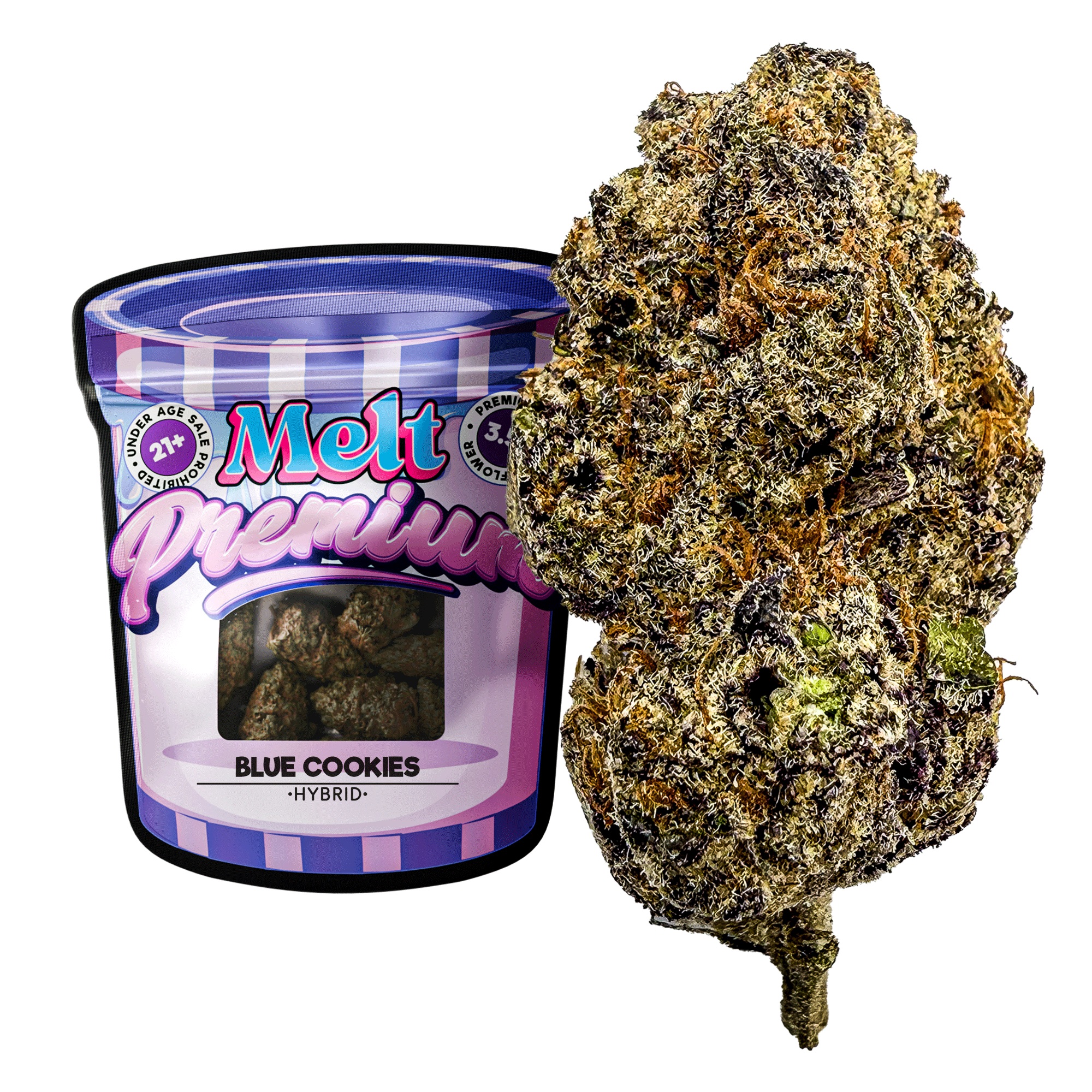
If you want cannabis that makes this process easier, browse Melt for third-party tested flower, disposables, prerolls, and edibles with transparent lab reports. When you can see the chemistry before you buy, you don't have to guess what “indica,” “sativa,” or “hybrid” is supposed to mean.
Your cart is currently empty.