



Free Shipping All Orders Over $95
Let's settle the big question right away: how long can weed stay fresh? With the right storage, your cannabis flower can hold onto its potency and flavor for a solid six months to a year. But make no mistake, the clock is always ticking. The real secret is protecting the delicate compounds that make or break your entire experience.

We’ve all been there. You find an old stash, only to be hit with disappointment—the smell is gone, and the smoke is harsh. It’s a common experience. But cannabis freshness isn’t just about avoiding mold; it’s about preserving the quality you paid good money for.
Think of it like premium coffee beans or a fine bottle of wine. Exposure to the elements slowly chips away at its character. This guide breaks down what "freshness" really means. It all comes down to a delicate dance between cannabinoids and terpenes, the two power players behind the aroma, flavor, and effects you love. When cannabis degrades, it’s not just getting old; it's undergoing a chemical change.
Four main culprits are constantly working to ruin your stash. Understanding them is the first step toward keeping your cannabis in prime condition.
Light: UV rays are public enemy number one. They break down THC into CBN, a less psychoactive cannabinoid known more for making you sleepy. This is exactly why a sunny windowsill is the worst place to keep your flower.
Air: Oxygen is another major threat. It causes cannabinoids and terpenes to oxidize, a process that robs your flower of its vibrant aroma and flavor profile. An airtight container isn't just a good idea; it's non-negotiable.
Temperature: Too much heat speeds up degradation and can quickly dry out your buds, leaving them crumbly. On the other hand, freezing temperatures make the fragile trichomes brittle and easy to snap off, taking all that precious potency with them.
Humidity: This one is a balancing act. Too much moisture is an open invitation for mold and mildew. But too little humidity will dry out your flower, leading to a harsh, unpleasant smoke that burns too fast.
The goal isn't just to stop your weed from "going bad." It's to create the perfect microclimate that preserves its full spectrum of effects and flavors. Protecting your investment starts with getting these four factors under control.
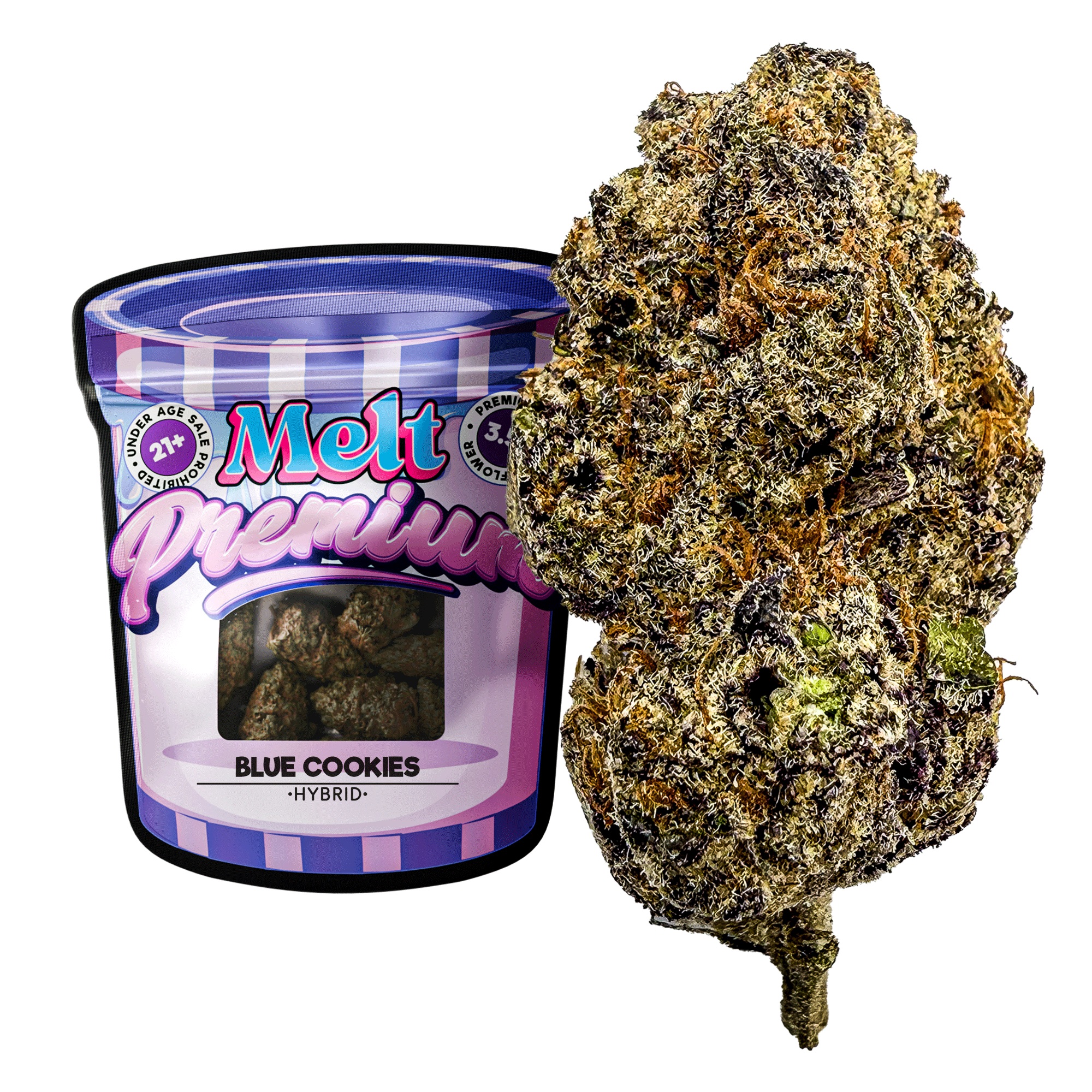
Of course, starting with expertly grown and cured flower—like the premium THCA varieties gaining popularity—gives you a massive head start. A proper cure establishes the ideal initial moisture level, making long-term storage far more successful.
To give you a clearer picture of how time affects different products, we've put together a quick-reference table. These estimates assume you're storing everything under ideal conditions.
| Product Type | Optimal Freshness | Potential After Optimal Period |
|---|---|---|
| Flower/Buds | 6–12 Months | Gradual loss of potency and flavor; becomes dry and harsh. |
| Edibles | Varies (check date) | Food ingredients spoil; cannabinoid potency remains stable. |
| Concentrates | ~1 Year | Slow degradation of terpenes; texture may change (e.g., budder to crumble). |
| Vape Cartridges | 1–2 Years | Oil may darken over time; potency and flavor slowly decline. |
Keep in mind, these timelines are a general guide. High-quality products stored perfectly will always last longer than poorly stored, lower-grade alternatives. The key is to start with the best and store it right.
Ever wonder what’s really going on when your cannabis starts to get old? It's not just drying out—it’s a complete chemical shift. Think of fresh flower like a perfectly ripe piece of fruit; its unique character comes from a delicate balance of natural compounds. But from the moment it’s harvested, that balance is under attack.
Understanding this process is the key to knowing how long weed can stay fresh. Cannabis degradation isn’t a single event but a series of changes triggered by four main culprits: light, air, temperature, and humidity. Each one plays a part in stripping your flower of its potency, aroma, and flavor. Let’s break it down.
Of all the environmental enemies, ultraviolet (UV) light is easily the most destructive. It directly targets the most important compound in your flower: THC (tetrahydrocannabinol).
When UV rays hit your cannabis, they kick off a chemical reaction that converts THC into a different cannabinoid called CBN (cannabinol). While CBN has some sleepy, sedative properties, it's far less psychoactive than THC. Studies have confirmed that light is the single biggest factor in cannabinoid loss over time.
This is why flower stored in a clear jar on a sunny windowsill degrades so quickly. You're not just losing flavor; you're actively converting the psychoactive compound you paid for into a sleepy byproduct. The result is a weaker, more sedative experience.
Next up is oxidation, the process that quietly robs your cannabis of its vibrant aroma and taste. This happens when your flower is exposed to oxygen. The main victims here are the terpenes, the fragile oils that give each strain its unique profile—from citrus and pine to earthy and floral.
Imagine slicing an apple and leaving it on the counter. Within minutes, it starts to turn brown. That’s oxidation. A similar, though much slower, process happens to your weed. As terpenes oxidize and evaporate, your flower loses its signature scent and takes on a generic, hay-like smell. This doesn't just ruin the taste; it also weakens the "entourage effect," where terpenes and cannabinoids work together to shape your high.
Finally, we have the connected duo of temperature and humidity. You have to get the balance just right to keep your stash fresh.
High Temperature and Humidity: Warm, damp conditions are a perfect breeding ground for mold and mildew. Storing your cannabis above 77°F (25°C) dramatically increases this risk. Mold isn't just gross—it can be dangerous to inhale, making your entire stash unusable.
Low Temperature and Humidity: On the other hand, conditions that are too dry will make your flower brittle. The delicate, crystal-like trichomes—where most of the cannabinoids and terpenes live—become fragile and break right off. Losing trichomes means a direct loss of potency and a much harsher smoke.
The ideal storage environment avoids both of these extremes. Keeping your cannabis in a cool, dark place with stable humidity is the absolute foundation of preservation. By controlling these four factors—light, air, temperature, and humidity—you’re actively fighting back against degradation. This knowledge is your best tool for protecting the quality of your cannabis, making sure every session is as good as the first.
Knowing what makes cannabis go bad is one thing, but stopping it from happening is the real art. To keep your flower potent and flavorful, you need a solid game plan. Think of it as building a fortress for your flower, resting on four key pillars: light, air, temperature, and humidity.
Get these four factors right, and you’ll create the perfect microclimate for your cannabis to thrive. Let's break down how to build your preservation strategy, pillar by pillar.
The first and most important rule? Keep your cannabis in total darkness. UV light is the number one enemy of potency, rapidly degrading THC and converting it into CBN—a cannabinoid known more for making you sleepy than for its psychoactive effects.
That’s why the clear glass jar on your shelf, while it looks cool, is actively ruining your flower.
Your best defense is an opaque, UV-blocking container. Think specialty stash jars made from dark violet glass, or even a simple painted mason jar tucked away inside a cabinet. Never leave your cannabis exposed to direct or even indirect sunlight.
Oxygen is the silent thief of aroma and flavor. Through a process called oxidation, it slowly breaks down the delicate terpenes that give your flower its unique profile. Your goal is to limit your flower's exposure to fresh air as much as possible, which is why an airtight seal is non-negotiable.
This is also why standard plastic baggies are a terrible choice. Not only are they not truly airtight, but their static charge can literally pull precious trichomes right off your buds.
Here are some much better options:
To evaluate which container works best for you, consider the pros and cons of each. This table breaks down the most common storage options to help you find the right fit for your needs.
| Container Type | Pros | Cons | Best For |
|---|---|---|---|
| Mason Jars | Affordable, widely available, excellent airtight seal. | Clear glass requires storage in a dark place; not ideal for travel. | Everyday use and short-to-medium-term storage at home. |
| Specialty Humidors | All-in-one solution with humidity control and UV protection. | More expensive; can be bulky. | Serious enthusiasts who want precise environmental control. |
| Vacuum-Seal Bags | Unbeatable for long-term freshness by removing all oxygen. | Can crush delicate flower if not done carefully; requires a machine. | Archiving large quantities or preserving flower for 3+ months. |
| Silicone Containers | Durable, non-stick, and great for travel. | Not completely airtight; best for concentrates, not flower. | Storing dabs, waxes, and other extracts for short-term use. |
| Mylar Bags | Opaque, smell-proof, and good for preserving freshness. | Less durable than glass; can create static that strips trichomes. | Pre-packaged flower from dispensaries or short-term transport. |
Ultimately, choosing the right container depends on how much you have and how long you plan to store it. For most people, a simple mason jar stored in a dark cabinet is more than enough to protect their investment.

As you can see, light, air, and humidity are the three main culprits working against the longevity of your cannabis.
Cool, consistent temperatures are your friend. Heat doesn’t just speed up the breakdown of cannabinoids and terpenes; drastic temperature swings can also cause condensation inside your container, creating a perfect breeding ground for mold.
The ideal temperature range is between 60–70°F (15–21°C). A cool, dark closet or a cabinet away from electronics and radiators is perfect.
And whatever you do, don't put your cannabis in the freezer. It’s a common myth that freezing preserves flower, but it actually does more harm than good. The freezing temperatures make the fragile, resin-filled trichomes brittle. When you handle frozen flower, those trichomes snap right off, taking most of the plant’s potency with them.
This final pillar is all about finding the perfect balance—not too wet, and not too dry. The industry-standard sweet spot for relative humidity (RH) is between 58% and 62%. This range is just right for preserving terpenes, preventing trichomes from drying out, and keeping mold at bay.
Luckily, achieving this perfect moisture level is simple thanks to two-way humidity packs. These small, inexpensive packets automatically add or remove moisture inside your airtight container to maintain a specific RH. Just toss one in your jar, and it does all the work for you.
For a deeper dive into storage techniques, especially for high-potency products, our guide on how to store THCA products offers more advanced tips.
This whole concept is often called the "60/60 rule": storing your cannabis at roughly 60°F and 60% RH. By mastering these four pillars, you're no longer at the mercy of the environment. You're taking control to ensure the flavor, aroma, and potency you paid for are preserved for months to come. It’s not just storage—it’s protecting your investment and guaranteeing a great experience every single time.

So, you’ve got some flower that’s been sitting around for a while. You're probably wondering, how long can weed stay fresh before it’s no good? While well-stored cannabis can easily last up to a year, there will come a time when it’s past its prime.
The good news is you don’t need a fancy lab to tell good weed from bad. Your own senses—sight, smell, and touch—are the best tools for the job. Learning to spot the signs of spoilage is a core skill for any cannabis user. It’s the difference between a great session and a really disappointing (or even risky) one.
Your eyes are always your first line of defense. Fresh, high-quality flower is visually stunning, with vibrant colors and a frosty layer of trichomes. As cannabis degrades, its appearance changes in obvious ways.
First, check the color. Healthy flower should have rich green tones, often with pops of purple, orange, or red. When cannabis gets old, those vibrant colors fade into a dull, unappealing brownish-yellow.
Next, get a close look at the trichomes. On fresh buds, these tiny, crystal-like glands look sparkly and resinous. But don't confuse that natural sparkle with mold. Mold shows up as white or grayish fuzzy patches, sometimes with a web-like pattern. It looks more like cotton or dust than a natural part of the plant.
Crucial Distinction: Trichomes are the sparkly, crystalline structures that cover the bud. Mold, on the other hand, is a foreign growth that appears as fuzzy, powdery, or web-like spots on the surface. If you see anything that looks like white fuzz, the flower is contaminated and unsafe to consume.
Your nose knows. The amazing aroma of cannabis comes from its terpenes, volatile compounds that evaporate over time. One quick sniff can tell you almost everything you need to know about your flower’s condition.
Here’s what to pay attention to:
Consuming moldy cannabis can expose your lungs to harmful spores and lead to respiratory issues. It’s a risk that is never worth taking.
The final check is all about texture. How the flower feels in your fingers is a dead giveaway about its moisture level and overall health.
Perfectly cured cannabis should feel slightly spongy when you gently squeeze it. It will also be a little sticky to the touch, thanks to all those resinous trichomes. The stem should make a clean snap when you bend it.
If your flower is too dry, it will feel brittle and crumbly, turning to dust with almost no pressure. This kind of weed isn't dangerous, but it will burn hot and fast, making for a harsh, unpleasant smoke. On the flip side, if it feels damp, soft, or overly pliable, it’s holding too much moisture—creating the perfect breeding ground for mold.
At the end of the day, old and dry weed is just a shadow of its former self, but it isn't hazardous. Moldy weed, however, is a different story entirely. By using your senses, you can confidently tell whether your stash is still good to go or if it’s time to say goodbye.
Flower gets a lot of the spotlight when we talk about freshness, but what about the rest of your stash? Properly storing other cannabis products is just as important for protecting your investment. Freshness isn't just a flower issue.
While the same core principles of light, air, and temperature apply across the board, edibles, vapes, and concentrates have their own unique needs. Answering how long can weed stay fresh for these products means looking beyond just cannabinoid breakdown. Let's cover how to keep your entire collection in prime condition.
With edibles, the cannabinoids like THC are usually infused into fats like butter or oil, which does a fantastic job of protecting them from oxidation. The real variable here is the food itself. A brownie will go stale and a gummy will harden long before the THC loses any meaningful potency.
Think of it like a regular cookie from the grocery store. You wouldn't leave it on the counter for a month and expect it to taste good, even though the sugar is still perfectly fine. The same logic applies to edibles—always respect the "best by" or expiration date on the package.
To keep them at their best, just follow a few simple rules:
Curious about how long gummies specifically last? We break it all down in our guide that answers the question, do gummies expire? It’s a deeper look into preserving their flavor and texture.
For vape cartridges, disposables, and concentrates like wax or shatter, the game changes. Here, the focus is on maintaining the oil’s integrity, protecting the terpene profile, and ensuring the hardware functions correctly. While a sealed vape cart offers great protection from oxygen, the environment can still wreak havoc.
The biggest enemies of vapes and concentrates are extreme temperatures and improper orientation. Heat thins the oil and causes leaks, while cold thickens it, leading to clogs and poor performance.
Storing these products the right way is simple, but it's the key to getting the smooth, flavorful experience you paid for.
Store Upright: Always store your vape cartridges and disposable devices standing upright. This stops oil from seeping into the mouthpiece or clogging the delicate air pathways, ensuring a smooth draw every single time.
Maintain Room Temperature: Keep them at a stable room temperature. That means away from direct sunlight or spots with extreme temperatures, like your car’s dashboard in the summer or a freezing garage in the winter. This preserves the oil's intended viscosity.
Use an Airtight Container for Concentrates: If you’re storing dabs like wax, budder, or shatter, a small, airtight silicone or glass container is perfect. It protects the fragile terpenes from evaporating, preserving the concentrate's full aroma and flavor for up to a year.
The cannabinoids in a sealed vape cartridge are incredibly stable and can last for one to two years with only a slow drop in potency. But following these tips ensures you get the best possible experience from the very first puff to the last.
Alright, let's put this all into practice. You get the science behind what makes good cannabis go bad, and you know the key rules for keeping it fresh. Now, it's time to turn that knowledge into a simple checklist you can use every time.
Following these habits is how you take control and stop wondering how long weed can stay fresh. You'll know, because you're the one protecting it. Think of this as your playbook for maximizing the flavor, potency, and life of every product you buy.
You can't keep something fresh if it wasn't fresh to begin with. The first step always starts at the source: high-quality, properly cured cannabis.
Look for flower with rich color, a heavy coat of frosty trichomes, and a sharp, unmistakable aroma. Good buds should feel a little spongy and sticky—never bone-dry or damp. Starting with a premium product gives you a massive head start.
Your container is your first line of defense against the elements. It’s time to finally ditch the plastic baggies; they’re terrible for freshness.
That one-two punch of an airtight seal and total darkness is non-negotiable for keeping your flower potent and flavorful.
By taking a few simple actions—choosing a dark, airtight jar and storing it in a cool location—you can dramatically slow down the degradation process. This small effort pays huge dividends in preserving the quality of your cannabis for months.
Creating a stable micro-environment inside your container is the next critical step. This really comes down to managing temperature and humidity.
Aim for the "60/60 Rule" as your target: a temperature around 60°F (15°C) and a relative humidity of roughly 60%. A cool, dark closet is often the perfect spot. To nail the humidity, just toss a two-way humidity pack into your jar. These little packs automatically add or remove moisture to hold that ideal 58-62% RH.
Finally, how you handle your flower truly matters. The delicate, crystal-like trichomes covering the buds are where most of the cannabinoids and terpenes live.
Every time you touch your flower, you risk knocking off those precious crystals, so keep handling to a minimum. For the same reason, only grind what you plan to use right away. Grinding massively increases the surface area exposed to oxygen, which speeds up the loss of both terpenes and potency. This applies to pre-rolls, too—their shelf life is directly tied to these same factors. For more on that, check out our full guide on how long pre-rolls last for specific tips.
Even when you’ve got a solid storage plan, questions always seem to pop up. The little details of keeping cannabis fresh can be tricky, so let’s tackle some of the most common ones to clear the air and help you protect your stash.
This is a hard no. While it might sound like a good idea to freeze cannabis like you would other herbs, it's one of the worst things you can do for your flower.
The extreme cold makes the delicate, THC-rich trichomes incredibly brittle. When you handle the frozen buds, those frosty crystals just snap right off, and most of the potency goes with them. On top of that, thawing creates condensation, introducing moisture that becomes a perfect breeding ground for mold.
You can, but it’s not a perfect fix. If your flower has turned into a dry, crumbly mess, you can use a two-way humidity pack to slowly reintroduce some moisture. This will definitely make the smoke less harsh.
But here’s the catch: you can’t bring back what’s already gone. The terpenes—the fragrant compounds that give your strain its unique flavor and aroma—will have evaporated for good. The character of the flower is lost forever, which is why preventing dryness in the first place is always the best move.
The THC molecule is surprisingly stable in an edible. It can easily maintain its potency for a year or even longer. The real issue is the gummy itself.
At the end of the day, a gummy is still food. The gelatin, sugar, and flavoring will all degrade long before the THC does.
Always follow the expiration date on the package. This ensures you’re enjoying the gummy for its intended flavor and texture, not just its effects.
Yes, much faster. Grinding massively increases the flower's surface area, exposing more of it to oxygen. This exposure kicks the degradation of cannabinoids and terpenes into overdrive.
To get the best flavor, aroma, and effect from your flower, only grind what you plan to use right away.
Ready to experience peak freshness from day one? The expertly grown and perfectly cured THCA flower and premium edibles from Melt set the standard for quality. Protect your investment and elevate your sessions by exploring the full collection at meltofficial.com.
Your cart is currently empty.