



Free Shipping All Orders Over $95
Most modern disposables last anywhere from a few days to several weeks, depending on puff count and draw style. A 2 mL device usually lasts 1–3 days, while 5,000–10,000 puff devices can last roughly 2–8 weeks for moderate users.
You're probably asking because you're holding a device at the counter, checking the puff number, and trying to work out whether it'll cover your commute, a weekend away, or a normal week of daily use. The number on the package is a useful starting point, but it isn't a calendar. Your draw length, frequency, battery behavior, and expectations about flavor all change the answer.
A shopper may ask, “How long will this last?” but that question can mean four different things. You might mean how many draws you'll get, how many days the device will cover, how long it stays fresh unopened, or how long the effect from one session continues.

The printed puff count is therefore closer to a fuel-tank estimate than a promise. A 600-puff device may last a commuter several days, while a person taking long, frequent draws could finish it much sooner. Public health guidance in the UK describes many 2 mL disposables as delivering roughly 500–600 puffs, often lasting about 1–3 days for many users, as documented in this guide to disposable vape duration.
Practical rule: Treat puffs as the size of the tank, not as a guaranteed number of calendar days.
If you're checking whether your cartridge is finished, taste, vapor output, and device behavior matter more than squeezing out one final draw. This guide to knowing when a cartridge is empty can help you interpret those signs without taking the device apart.
Device size gives you the broadest estimate, but your use pattern turns that estimate into a schedule. A commuter taking short pulls during train rides has a very different week from a daily user who reaches for the device throughout the day.
The table below uses the requested profiles. The commuter range reflects roughly 30–60 puffs per day, the weekend-social column uses an average of about 100 puffs per day, and the daily-heavy column reflects 400 or more puffs per day. Those usage assumptions and the broader relationship between puff count and daily lifespan are covered in this disposable vape lifespan guide.
| Device format | Printed puff count | Commuter, 30–60 puffs/day | Weekend social, average about 100 puffs/day | Daily heavy, 400+ puffs/day |
|---|---|---|---|---|
| Compact 2 mL disposable | About 500–600 puffs | About 1–3 weeks | About 5–6 days if used steadily | About 1–1.5 days |
| Mid-size 3–4 mL unit | About 1,500–3,000 puffs | Several weeks | About 2–4 weeks | Several days |
| High-capacity 5–10 mL device | About 5,000–10,000+ puffs | Several months at the lower daily rate | Several weeks to a few months | Roughly 1–6 weeks, depending on capacity |
The compact row needs one qualification. UK-style 2 mL devices commonly sit near 500–600 puffs and often last 1–3 days for many users, so the commuter estimate assumes the device is used only for the stated commute pattern rather than casually throughout the day. A person who takes 30–60 puffs across the entire day and someone who takes the same number in long, deep pulls won't get identical results.
Printed counts generally come from short, controlled draws. A longer pull uses more liquid than a quick sip, so the calendar estimate falls as draw duration and frequency rise. One guide estimates that normal use may deliver around 70–85% of the stated count, meaning a device labeled 5,000 puffs may provide approximately 3,500–4,250 practical puffs; see this draw-length and puff-count explanation.
For a cartridge user comparing formats, this 1 g cartridge lifespan guide offers a useful point of comparison. Capacity helps, but the routine still decides the final day.
The puff number shrinks in real life for the same reason a bottle of water empties faster when you gulp instead of sip. A long draw vaporizes more liquid and asks the battery to deliver energy for longer, while frequent back-to-back pulls give the wick less time to resaturate.
A 1.5-second pull and a 3-second pull don't consume the same amount of e-liquid. One widely cited estimate says the longer draw can use roughly twice the liquid of the shorter draw, which explains why two people can share the same printed capacity and finish their devices on very different schedules.
Chain vaping creates a second problem. The coil heats repeatedly, the wick can struggle to keep up, and the battery experiences more sustained demand. Shorter, spaced draws generally preserve both flavor and usable liquid better than long pulls taken one after another.
Manufacturers design the battery and reservoir to reach their limits at roughly the same point, but conditions can disrupt that balance. Cold temperatures thicken oil and make wicking slower, while a weak battery can leave liquid behind because the coil no longer reaches a consistent operating temperature.
A device can therefore be “finished” in two practical ways. The reservoir may be empty, or the hardware may no longer produce a clean, consistent draw. Neither situation is improved by forcing the device to keep firing.

Cannabis oils also behave differently. Live resin, distillate, and THCA diamond sauce can vary in viscosity and formulation, so one product may wick smoothly while another needs more careful temperature and storage handling. Flavor fade can arrive before the tank is technically empty, especially when the oil has been exposed to heat, light, or air.
If a device starts pulling poorly, don't poke the mouthpiece or try to force airflow through it. Use this guide to unclogging a disposable vape for safer troubleshooting, and retire the device if it shows leaking, unusual heat, or physical damage.
You don't need to open a disposable to make a reasonable estimate. Use three signals together: your usage history, the indicator light, and the quality of the draw.
Write down roughly how many draws you take in a normal day. For tracking purposes, treat each 2–3 second draw as one puff, then adjust your estimate upward if your pulls are longer. Divide the practical puff total by your daily use, but remember that the result is only a guide because draw strength and wick behavior vary.
For example, a person who uses a device mainly during a commute may consume a small fraction of its capacity each day. Someone who uses it repeatedly at work, at home, and while traveling will reduce the remaining days much faster, even if both users take the same number of sessions.
A solid indicator generally means the battery is active. Blinking can signal a low battery or an end-of-life condition, while a device that stays dark or doesn't respond is no longer functioning.
Taste often gives the earlier warning. A flat, muted, or burnt flavor can mean the wick is drying out or the oil is no longer delivering the intended profile. Weaker vapor adds another clue, but don't keep drawing through a persistent burnt taste just to use the last visible liquid.

When two of the three signals agree, treat the device as nearly finished rather than relying on the package number. A blinking light plus weak vapor, or a burnt taste plus poor airflow, is a better replacement signal than counting one more puff.
The most useful comparison isn't “light versus heavy.” It's the setting in which you use the device. A commuter, a weekend social user, and a daily heavy user can buy the same format and experience completely different results.
The commuter uses the device in a narrow window, such as during two train rides, and takes short pulls rather than using it continuously. A compact device can stretch across a meaningful period in this pattern, while a high-capacity format may sit in rotation for months.
The weekend social user may barely touch the device during the week, then use it repeatedly on Friday and Saturday nights. A small 2 mL disposable can be used up across 24–48 hours in that concentrated pattern, while a 1 g cartridge used only on weekends may last closer to a month, according to the supplied product-lifespan guidance.
The daily heavy user reaches for the device throughout the day and may take 400 or more puffs daily. That person can run a 1 mL pod dry in under two days and may finish a 5,000-puff device in roughly two to three weeks, as described in the supplied lifespan data.
| User profile | 2 mL / about 300 puffs | 3 mL / about 5,000 puffs | 6+ mL / about 10,000 puffs |
|---|---|---|---|
| Commuter | Several weeks in a limited-use routine | Several months | Longer-term rotation |
| Weekend social | About 24–48 hours of concentrated use | Several weeks to months | Multiple months in many routines |
| Daily heavy user | About 1–2 days | Roughly 2–3 weeks | Several weeks |
The table is a planning aid, not a guarantee. The 300-puff compact example and the 5,000-puff mid-size example represent the profile guidance supplied for this article, while actual devices may print different capacities.
Choose capacity by frequency and setting, not by the largest sticker number. A smaller device can make more sense for occasional use because it stays in rotation for less time, while a larger one may suit someone who already knows they'll use it consistently.
A disposable can still contain liquid and be a poor choice if it has been stored badly. Shelf life is about preserving flavor, consistency, and potency in the package, not merely keeping the hardware capable of producing vapor.
Sealed devices typically retain freshness for 12–24 months when stored properly, according to the supplied storage guidance. Once opened and used, the device is generally best finished within a few weeks for the best taste. If a sealed package is more than two years past its manufacture date, expect noticeable flavor and potency fade rather than the same experience you'd get from a fresh unit.

Storage also affects the experience after opening. Keep the device upright between sessions, away from direct light and temperature swings, and don't leave it loose in a hot vehicle. These simple habits won't create extra liquid, but they can help preserve the life the device has left.
Disposal timing isn't only a value question. A device that tastes burnt, leaks, overheats, or behaves unpredictably has reached its practical end, even if the printed puff count suggests otherwise.
Stop using it if you notice any of these signs:
A disposable showing a leak, physical damage, or unusual heat should be removed from use the same day, regardless of the remaining puff estimate.
Legal compliance adds another boundary. Cannabis disposables, including high-puff THCA formats, are subject to local rules, and requirements can differ by jurisdiction. Product registration, batch testing, or a lab report doesn't extend a product beyond its labeled storage or warranty window, and it doesn't make an improperly stored device suitable for continued use.
Check the package for manufacturer instructions, age requirements, testing information, and restrictions where you live. If the product has been exposed to excessive heat, is past its labeled limits, or shows a defect, compliance and safety concerns outweigh the desire to finish the remaining liquid.
Begin with your actual week. Count the draws you take during a commute, at home, and in social settings, then use that pattern to choose a capacity band. The aim isn't to win the biggest puff-count contest. It's to buy enough product for your routine without leaving an opened device sitting around until flavor fades.
A practical matching rule looks like this:
Those ranges are selection guidelines, not promises of duration. Your draw length still changes consumption, and the battery may finish before the liquid if the hardware is weak or poorly stored.
Small disposables usually have a lower upfront commitment and can stay fresher when you use them occasionally. Mid-range devices offer a practical middle ground for regular users. Large formats can make sense for someone who already has a steady daily pattern, but the package number shouldn't override flavor quality, storage conditions, or local rules.
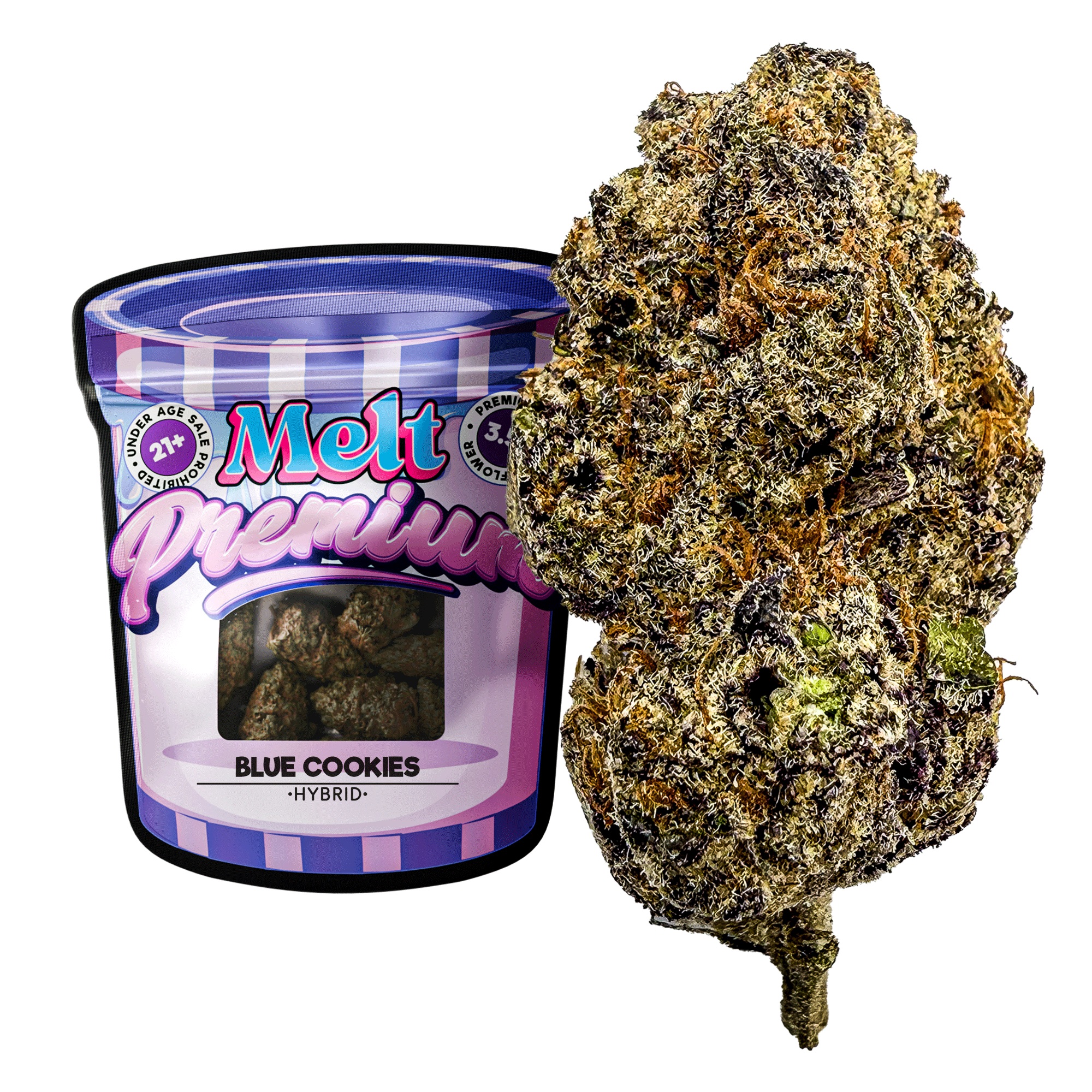
Melt offers legal hemp-derived cannabinoid disposables alongside THCA flower and edibles, with product information and lab-report access for shoppers comparing formats. Visit Melt to review the available disposable options, check product details, and choose a capacity that fits your commute, weekend, or daily routine.
Your cart is currently empty.