



Free Shipping All Orders Over $95
You're standing under bright dispensary lights, comparing two jars with the same strain name. One smells like lemon peel and fresh herbs. The other is earthy, peppery, and almost fuel-like. Both labels say “Gelato,” so why don't they smell alike?
The answer is usually found in the terpene profile, not the strain name. Terpenes are volatile aromatic compounds that help create cannabis's scent and flavor, while their proportions can also contribute to the character people associate with a product. To understand what are strain specific terpenes, you need to look beyond a cultivar name and ask a more useful question: does this batch's lab panel match the flavor and effect promise on the label?
A jar labeled “Gelato” can smell creamy and citrusy at one shop, then earthy or peppery at another. The useful question is not whether the name is correct. It is whether that batch's terpene profile matches the flavor and effect direction promised on the label.
Strain-specific terpenes are the aromatic compounds produced by a particular cannabis cultivar. Their proportions form an aromatic fingerprint, much like a recipe whose ingredients can change with each batch. Genetics influence that recipe, while growing conditions, harvest timing, plant tissue, maturity, storage, and laboratory testing can also shift the result.
Cannabis makes terpenes in the same trichome glands that produce cannabinoids such as THC and CBD. Myrcene, limonene, caryophyllene, pinene, and other compounds appear in changing ratios. A modest change in those ratios can move a flower's character from citrus-forward toward earthy, floral, piney, or spicy.
Research has identified hundreds of cannabis terpenes. One developmental study reported 227 volatile terpenes across six cultivars, including 88 monoterpenes and 139 sesquiterpenes in its dataset, as summarized in this peer-reviewed cannabis terpene review. A typical menu lists only a small selection, so the printed terpene names represent a sample of the plant's broader aromatic vocabulary, not its complete chemistry.
An earlier chemotype analysis grouped cannabis varieties around dominant patterns involving β-myrcene, α- and β-pinene, β-caryophyllene with limonene, β-caryophyllene alone, and terpinolene, according to the same review. These patterns give formulators a more useful chemical reference than broad categories such as indica, sativa, and hybrid, which do not guarantee one fixed profile.
A cultivar name can still set an expectation. “Gelato” may suggest a familiar lineage or flavor direction, but it cannot guarantee the same terpene ratio from every grower or harvest. Flowers sharing that name may have different dominant compounds and noticeably different aromas.
Practical rule: Use the strain name as a lineage and flavor hint. Use the batch-specific certificate of analysis, or COA, as the evidence.
Peer-reviewed profiling has found meaningful variation within and between plants sold under the same cultivar name. The study on cannabis terpene variation supports a practical shopping habit: compare the product's terpene panel with a reference chemovar when consistent aroma matters, rather than assuming the name predicts the batch.
Think of a terpene profile as a perfume blend. Monoterpenes behave like bright top notes. They're relatively volatile, so they can contribute quickly to the first smell you notice when you open a jar. Sesquiterpenes tend to provide heavier, deeper notes that linger and add wood, spice, musk, or earthiness.
That analogy explains why ratios matter more than isolated compounds. A flower can contain myrcene and limonene at the same time, but if limonene dominates, the first impression may be citrusy. If myrcene and caryophyllene lead instead, the same product may read as earthy, musky, or peppery.

A shopper might describe a citrus-forward Tangie-style profile as bright because limonene and terpinolene lead the panel. A gassy OG-style profile may feel denser aromatically when caryophyllene and myrcene sit near the top. A piney Jack Herer-style profile can show a more complex combination involving pinene and terpinolene.
These examples describe aroma patterns, not guaranteed effects. Individual responses vary, and the same terpene profile can feel different depending on cannabinoid content, dose, delivery method, tolerance, and personal biology.
Cannabis researchers have often discussed an “entourage” model, in which terpenes and cannabinoids may influence the overall experience together. Proposed mechanisms include effects on receptor activity, blood-brain barrier permeability, and serotonin signaling, but much of the evidence remains preclinical or otherwise incomplete. A plain-language guide to cannabis terpenes can help connect the chemistry to the everyday aromas you encounter.
People commonly associate myrcene with relaxation, limonene with an uplifting mood, pinene with alertness, linalool with calm, and caryophyllene with a grounded or soothing experience. Those associations can help you form a shopping hypothesis, but they aren't promises.
Newer research adds an important complication. A 2026 preclinical report found that multiple cannabis terpenes directly activated CB1 and CB2 receptors, with some reaching roughly 10% to 60% of THC's maximal activation in testing, as described in this report on selective cannabinoid receptor activation. Those results are scientifically interesting, but they don't establish that a consumer product will produce the same effect. Dose, route of administration, absorption, and human biology all matter.
A useful approach is to separate the questions. The aroma tells you what compounds are reaching your senses. The COA tells you what the laboratory detected. Your own response tells you how that particular combination works for you.
You open a jar labeled “citrus and uplifting,” yet the flower smells earthy and peppery. The strain name cannot settle that question. A certificate of analysis, or COA, can show whether the batch's measured terpene profile supports the flavor and effect language on the label.
A COA may list many recurring cannabis terpenes, although laboratories differ in their panels and reporting formats. Start with the relative order of the dominant compounds. That ranking often describes the batch more clearly than the presence of one familiar terpene.
| Terpene | Aroma Notes | Typical Dominant Cultivars | Reported Effect Associations |
|---|---|---|---|
| Myrcene | Earthy, musky, herbal, sometimes fruity | Kush-style and other myrcene-forward cultivars | Relaxing or sedating associations |
| Limonene | Lemon and citrus peel | Tangie-style and citrus-forward cultivars | Bright, uplifting mood associations |
| Caryophyllene | Black pepper, clove, dry spice | OG-style, Cookies-style, and spicy cultivars | Grounded, soothing associations |
| Pinene | Pine needles, fir, fresh herbs | Jack Herer-style and pine-forward cultivars | Alertness and clarity associations |
| Linalool | Lavender, flowers, soft herbs | Floral cultivars and some Kush-style profiles | Calming associations |
| Terpinolene | Floral, herbal, slightly citrusy | Jack Herer-style and complex hybrid profiles | Clear, stimulating, or balanced associations |
| Ocimene | Sweet, fresh, woody, herbal | Fruity and complex aromatic cultivars | Light, energetic associations |
| Humulene | Hops, earth, wood | Hoppy, earthy, and spicy cultivars | Grounded associations |
Myrcene can provide a soft, earthy or musky base. Limonene makes the profile sharper and more citrus-like, while pinene can resemble freshly crushed pine needles. Caryophyllene contributes pepper and clove, linalool adds floral depth, and terpinolene can create a layered aroma that resists a single simple label.
A comparative terpene analysis detected 30 terpenes across cannabis varieties and used nine commonly occurring compounds to define profiles, including α-pinene, β-pinene, β-myrcene, D-limonene, terpinolene, linalool, caryophyllene, α-bergamotene, and humulene. The finding supports reading several compounds together rather than treating one name as the whole profile.
The study reported average relative contents of 46.1±2.6% β-myrcene, 14.0±1.5% α-pinene, 10.2±1.8% terpinolene, 7.3±1.3% limonene, 6.6±0.7% trans-β-ocimene, and 6.1±0.4% β-pinene across the strains examined. Those averages describe that study, not a fixed formula for every product.
Ask where limonene sits in the panel. Does it lead, follow myrcene, or appear only as a trace compound? “Contains limonene” gives much less information than its position within the batch's complete profile.
The same principle applies to effect language. A caryophyllene-rich profile may feel different from one led by limonene and pinene, but a terpene table cannot guarantee an experience. Use the dominant compounds to test whether the lab panel matches the label, then consider cannabinoid content, product format, dose, and your previous responses.
A COA helps answer the shopping question: does this batch's lab panel match the flavor and effect suggested by its label? Start by confirming that the document belongs to the product in your hand. Check the product name, sample, laboratory, testing date, and batch or lot number. If the package and report show different batch numbers, the terpene profile may describe another product.
Verify these fields before interpreting the results:
| Lab Report Field | What It Tells You |
|---|---|
| Product and strain name | How the seller identifies the material, but not whether its chemistry matches the name |
| Batch or lot number | Whether the report applies to the package you're considering |
| Sample and test dates | How closely the report relates to the current product |
| Laboratory identity | Who performed the analysis and whether the report is traceable |
| Terpene method | Which analytical approach generated the reported values |
| Individual terpene results | The compounds detected and their measured amounts |
| Total terpenes | The combined terpene quantity reported by the laboratory |
| Safety panels | Whether the product was checked for contaminants such as residual solvents and heavy metals |
A guide to reading a certificate of analysis can help you distinguish a batch document from a simplified marketing summary. The method also matters because laboratories may test and report compounds differently.
After confirming the report, arrange the terpene results from highest to lowest. The top three often create a clearer sensory sketch than a long list of trace compounds. For example, myrcene may lead while caryophyllene and limonene follow. Another batch may place limonene first, with pinene and terpinolene supporting it. These rankings provide a chemistry-based check on the label's flavor description.
Read the units before comparing values. Laboratories may list terpene amounts as percent by weight or milligrams per gram. Percentage describes the terpene quantity relative to the product's weight, while milligrams per gram states an absolute mass relationship. The values may be convertible, but only when the report clearly identifies the basis.
“Fruity terpene profile” is a description, not compound-level evidence. Be cautious if the seller omits individual results, the testing method, the batch identity, or the explanation behind a reported range. A panel that cannot be tied to a specific package gives you little basis for judging whether the label reflects the material.
A total terpene value indicates whether the aroma may be subtle or expressive, but it does not reveal which compounds create that impression. Two products can show similar totals and smell very different because their leading compounds differ. Use the hierarchy as a screening tool, then weigh cannabinoid content, product format, dose, and your previous responses. The practical test remains simple: does the COA's dominant-compound hierarchy support the label's flavor promise?
The product format changes how much of a strain-specific profile you perceive. Inhaled products deliver volatile compounds through the nose and lungs, so aroma and flavor often provide a direct sensory connection to the chemistry. Ingested products take a different route, and digestion can alter both timing and perception.

Fresh flower lets you evaluate the raw aromatic fingerprint before heating. A dry herb vape may preserve a recognizable sequence of aromas as different volatile compounds release at different temperatures. The experience can shift from bright and delicate to deeper and spicier as the session progresses.
A quality 510 cartridge can also express a terpene profile clearly, but the source matters. A live resin product may preserve more of the plant's native aromatic character, while a distillate cartridge may use added cannabis-derived or botanical terpenes to create a target flavor. The COA and product description should make that distinction clear.
Temperature changes the sensory result as well. A guide to choosing a vaping temperature can help you approach a cartridge or dry herb device with realistic expectations instead of treating one setting as ideal for every profile.
An edible doesn't deliver the same aromatic pathway as inhaled flower. Digestion and liver metabolism affect the overall experience, and the flavor you notice may come more from the gummy, oil, chocolate, or other carrier than from the original cultivar.
That doesn't make terpene information useless. It means you should use it differently. For flower and vapes, terpene data can help predict the immediate aroma and flavor. For edibles, it may describe the formulation or intended profile, but it won't guarantee that the finished product tastes or feels like the source flower.
The most reliable comparison is therefore format-specific. Match flower with flower, live resin with live resin, and infused edibles with other edibles. A strain name copied across formats doesn't prove that each product contains the same aromatic chemistry.
A strain name can describe a lineage, a breeder's selection, a familiar market identity, or a product concept. It doesn't guarantee that two batches share the same terpene ratio.
Plants can express different phenotypes, and growers can use different genetics under the same familiar name. Harvest timing, cultivation conditions, curing, storage, and analytical methods can also change the measured profile. Peer-reviewed research has documented variation within and between plants sold under the same cultivar name, as discussed in this analysis of cultivar-level terpene variability.
A large analysis of nearly 90,000 samples found that products labeled indica, sativa, and hybrid could have indistinguishable terpene compositions, although three broad terpene clusters emerged around caryophyllene-limonene, myrcene-pinene, and terpinolene-mycene, according to this report on cannabis strain labels. The result doesn't mean every product is chemically identical. It means the category label isn't a dependable substitute for batch testing.
Use the strain name as a starting clue, then shop by the COA. If you want citrus, look for a panel led by limonene or supported by terpinolene. If you prefer peppery and earthy aromas, inspect caryophyllene, myrcene, and humulene. The batch chemistry deserves more weight than the word printed above it.
Terpene-rich products still contain cannabinoids, so start cautiously and judge the complete formulation rather than the aroma alone. For inhaled products, take a small initial amount and wait before deciding whether you need more. For edibles, use a low dose, wait through the slower onset, and don't stack servings because the flavor seems mild.
Keep flower in a sealed glass container away from heat, moisture swings, and UV light. Store vapes and edibles according to the manufacturer's instructions, and check that the package's COA matches the product batch. Before buying, look for recent testing and safety results covering contaminants such as residual solvents and heavy metals.
Safety first: A strong terpene profile can make a product feel more intense subjectively, but aroma isn't a dosing guide. Let the cannabinoid strength, route, and your own tolerance determine how cautiously you proceed.
Adults should follow local laws, avoid driving after consumption, and keep cannabis products away from children and pets. If a product's lab report is missing, vague, or disconnected from the batch number, choose a product with clearer documentation.
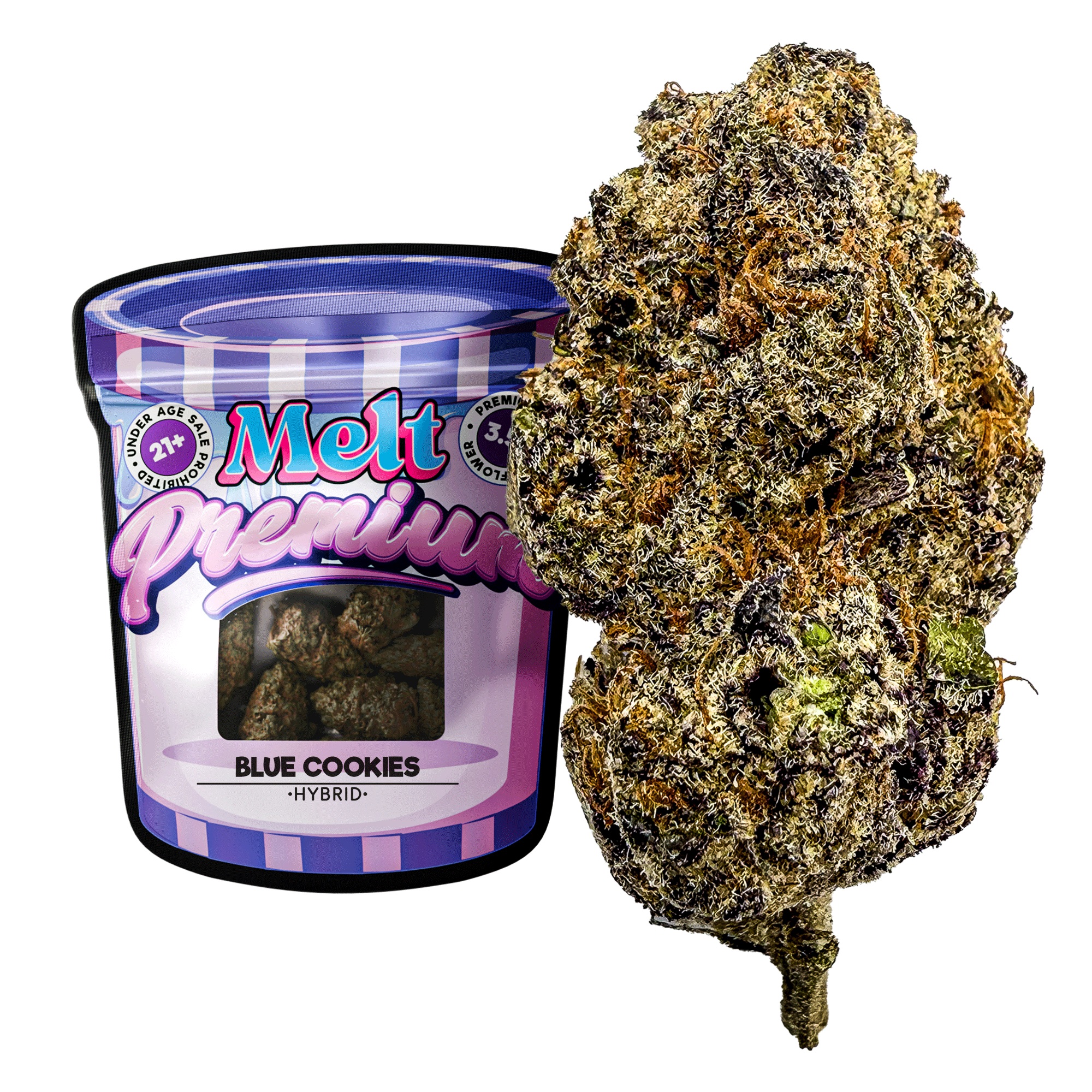
Melt offers THCA flower, all-in-one vape devices, and edibles with strain-focused flavor information and third-party lab reporting. Visit Melt to compare available product formats and review the terpene details before choosing your next batch.
Your cart is currently empty.