



Free Shipping All Orders Over $95
You're probably looking at a menu full of pre rolled joints that all sound good on paper. One says exotic. Another says infused. A third has a strain name you recognize, but the package doesn't tell you much about what's inside. If you've ever bought one, lit it, and thought, “Why does this burn weird and taste flat?” you're asking the right question.
A good pre-roll isn't just about the name on the tube. It's about flower quality, grind, freshness, terpenes, and whether the brand tells you enough to trust what you're smoking. That's where most buyers get tripped up. The label often sells a vibe. The experience comes from the material.
You spot a pre rolled joint on the menu because it feels simple. Open the tube, light it, and you are set. That convenience is the whole appeal. Someone else has already ground the flower, filled the paper, and rolled it into a ready-to-smoke format.
Pre rolls became popular for that reason. They give buyers a low-setup way to smoke without buying papers, a grinder, or loose flower first. They also make it easier to try a cultivar in a smaller amount, or bring a single joint for a session where carrying a full jar would feel excessive.
At the most basic level, a pre rolled joint is just cannabis flower packed into a paper cone or hand-rolled paper, usually with a filter tip at the end. But that plain definition misses the part that shapes your experience. What matters is not just that it is pre-made. What matters is what went into it, how it was prepared, and whether the brand gives you enough information to judge quality before you light up.
That is why experienced shoppers look past the tube first. A pre-roll works like a packaged espresso drink. It may save time, but the result still depends on the beans, the freshness, and how carefully it was made. The same is true here. Two joints can look nearly identical in the case and smoke nothing alike.
Some people buy pre rolled joints for convenience. Others want a shareable option, a single-session format, or a simpler way to sample before buying more flower. Newer shoppers often like them because there is less technique involved. If you are curious about stronger formats, products like diamond pre-rolls build on the same idea but add concentrated cannabis for a very different effect.
Here is the part many labels gloss over. A pre-roll is not a quality category by itself. It is only a delivery format. The paper is just the wrapper. What matters sits inside, in the flower quality, grind consistency, moisture level, terpene content, and test results.
That inside-out view is what helps you avoid the disappointing stuff. A good pre-roll should taste like the flower it came from, burn evenly, and feel intentional from first pull to last. A bad one often gives itself away fast. Harsh smoke, a flat aroma, uneven burning, or a joint that keeps going out usually points back to the material and prep, not bad luck.
The first question to ask isn't “What strain is it?” It's what did they put in it?
Many product pages talk about convenience but skip the most important detail: whether the pre-roll contains whole flower, a mix of flower and shake, or mostly shake. As noted in Lume's discussion of pre-roll quality factors, that input materially affects burn, smoothness, and potency.
Think about coffee. Freshly ground whole beans and the dusty remains at the bottom of a bag are both technically coffee, but they won't brew the same cup.
Pre rolled joints work the same way.
If a brand won't tell you what's inside, that's a signal in itself.

Even good flower can turn into a bad pre-roll if the grind is wrong. You want a grind that's even enough to promote steady airflow and consistent combustion, but not so powdery that it packs like sand.
Practically speaking:
| What you notice | Likely cause |
|---|---|
| Joint keeps going out | Too tight, too moist, or uneven pack |
| One side burns faster | Uneven grind or poor packing |
| Harsh, hot pulls | Overpacked material or rough input quality |
| Weak flavor | Old material, low terpene content, or trim-heavy fill |
Paper isn't just cosmetic. Different rolling materials can influence flavor and burn character. Some buyers prefer a more neutral paper that stays out of the way. Others like hemp paper or unbleached options because they feel less intrusive.
The filter matters too. A decent crutch helps the joint hold shape, keeps loose material out of your mouth, and improves the draw. Cheap construction shows up fast once you light it.
If you're curious how concentrate-enhanced joints differ from standard ones, this guide to diamond pre-rolls helps clarify what “infused” can mean in practice.
Practical rule: If the package shouts the strain name but says nothing about flower grade, grind, or lab transparency, assume you still don't know enough to judge quality.
Not every pre-roll is trying to do the same job. Some are meant for a straightforward flower session. Some are built for a heavier, more concentrated experience. Others focus on hemp-derived cannabinoids and a different legal framework.
The easiest way to shop is to group them by what kind of session you want.

These are the baseline. Ground flower goes into the cone, and that's the product.
A classic pre-roll is a good fit if you want to taste the strain itself without added concentrates changing the profile. This is also the easiest format for learning what you like. If you're comparing one cultivar to another, a clean flower-only pre-roll gives you a clearer read.
Typical strengths of classic pre-rolls:
Infused pre-rolls add concentrates such as oil, kief, or diamonds. They're often stronger, heavier, and more intense than a standard flower joint.
By August 2023, Headset reported that pre-rolls made up 15.3% of total cannabis sales in the U.S., and connoisseur or infused pre-rolls represented 42.3% of U.S. pre-roll sales in its category performance report. That tells you buyers aren't only chasing convenience. A lot of them are actively choosing higher-impact formats.
Infused makes sense when:
The caution here is simple. Infusion can improve a product, but it can also hide weak base material. A well-made infused pre-roll starts with good flower, not just flashy concentrate.
These products can include hemp flower or hemp-derived cannabinoid options, depending on the brand and the legal framework where you live. The experience depends heavily on formulation, terpene profile, and the specific cannabinoids used.
This category gets confusing because labels can sound similar while effects differ a lot. Don't shop by buzzwords alone. Read the cannabinoid panel and make sure you understand whether you're buying flower-only hemp, THCA flower, or a formulated blend.
The most common standard sizes are 0.5 g and 1.0 g pre-rolls, according to Smoke Cones' guide to pre-roll weights. Those two sizes cover most everyday use.
A 0.5 g pre-roll is often the better beginner format. It's easier to finish, easier to share between two people, and less likely to feel like too much if you're still learning your pace.
A 1.0 g pre-roll is closer to the classic full session. It may be better for sharing, for experienced smokers, or for people who want a slower, longer smoke.
There's also a useful potency reality check here. That same guide notes that a 1.0 g pre-roll at 20% THC contains about 200 mg THC by mass, though only a fraction is absorbed during smoking. In plain English, gram weight matters, but it doesn't tell the whole story. Freshness, terpene content, combustion, and how hard you're pulling all change the feel of the session.
| Type | What's inside | Best for | Watch out for |
|---|---|---|---|
| Classic | Ground flower | Pure strain expression | Weak flower hidden behind branding |
| Infused | Flower plus concentrates | Stronger, heavier sessions | Added concentrate masking poor flower |
| Hemp-focused | Hemp flower or hemp-derived cannabinoid blend | Buyers seeking a specific cannabinoid profile | Confusing labels and unclear formulation |
Most buyers start with strain name and THC number. Experienced buyers start with transparency.

If a brand wants to be taken seriously, it should make it easy to verify what's in the pre-roll and what isn't. That means a recent lab report, clear cannabinoid information, and enough detail to tell whether the product is built on quality flower or just good packaging.
A Certificate of Analysis, usually called a COA, is your best reality check. It tells you what a third-party lab found in the product. For pre rolled joints, the useful parts are the cannabinoid profile, terpene information when available, and contaminant screening.
Here's the short version of what to scan first:
For a deeper walk-through, this article on how to read a Certificate of Analysis breaks down how buyers can interpret the report without getting lost in lab terminology.
A strain name can be useful, but it's not enough on its own. What you smell and taste comes from the terpene profile, plus how well the flower was grown, handled, and stored.
A pre-roll with a lively nose usually tells you something good about freshness and material quality. If it smells dull, papery, or like dry hay, the session often follows that same direction.
When the aroma disappears, the experience usually gets flatter too.
This is also why two pre-rolls labeled with the same strain can feel different. The name on the tube doesn't guarantee the same terpene expression, same harvest quality, or same cure.
A flashy package can't rescue old flower. The closer you can get to harvest and packaging information, the better. Fresh material tends to keep more of its aroma and smoke character. Old material tends to dry out, taste muted, and burn faster or rougher.
If a product only gives broad branding language, look for a few trust signals:
| Good signal | Why it matters |
|---|---|
| Specific strain name | Suggests better sourcing detail than vague labels |
| Flower source disclosed | Helps you judge whether it's whole flower or lower-grade material |
| COA easy to access | Shows the brand expects scrutiny |
| Recent packaging or harvest info | Helps you avoid stale product |
Later in the buying process, it helps to watch a quick visual breakdown too.
A lot of pre-roll branding leans on words like craft, connoisseur, or exotic. Those words only matter if the product backs them up. That's especially relevant because the market clearly rewards premium-leaning products. As noted earlier in Headset's report, infused and connoisseur styles now hold a large share of pre-roll sales.
So when you're standing at the shelf, ask:
If the answer is mostly no, skip it.
You are heading to a concert, a campsite, or a friend's backyard. You want one good smoke, not ten minutes of grinding flower, finding papers, and hoping your roll burns evenly. That is the moment pre rolled joints earn their place.
They make the most sense when convenience supports quality, not when convenience replaces it. A good pre-roll saves time and still gives you a clean, flavorful session because the flower inside was worth smoking in the first place.
Pre-rolls are a smart choice in a few common situations:

There is also a less obvious use case. Pre-rolls are useful when you want a controlled comparison between products. If two brands offer a similar strain, the better one usually shows itself in the first few puffs through taste, smoothness, and burn. That only works if the brand tells you what is inside the cone and backs it up with testing.
Pre-rolls are a weaker fit if you care most about control. Rolling your own lets you choose the exact flower, moisture level, grind consistency, paper, and pack. It works like cooking at home instead of ordering takeout. You do more work, but you decide every ingredient.
Cost can be another drawback. Pre-rolls often charge extra for labor, packaging, and convenience. If your main goal is getting the lowest price per gram, loose flower usually gives you more value.
The bigger risk is hidden quality. With loose flower, you can inspect the bud more directly. With a pre-roll, you are trusting the manufacturer not to fill the cone with dry material, excess trim, or bland flower that has already lost much of its terpene character.
A transparent pre-roll brand saves you effort. An opaque one asks you to trust what you cannot see.
Here is the practical way to judge it:
| If you value this | Pre-rolls make sense? |
|---|---|
| Convenience | Yes |
| Trying many strains | Yes |
| Full control over material and roll | Usually no |
| Lowest cost per gram | Usually no |
| A predictable experience from a transparent brand | Yes |
Pre rolled joints are at their best when they solve a specific problem: you want something easy, consistent, and ready to go, but you still care about what is inside. If you buy with that standard, they can be a reliable part of your rotation. If you want help keeping that purchase fresh after you get home, this guide on how long pre-rolls last is a useful next read.
Once you've bought a good pre-roll, two practical questions matter next. Can you legally have it where you are, and how do you keep it from drying out before you smoke it?
Cannabis law isn't one simple rule. It changes by state, and it also depends on whether the product is marijuana, hemp-derived, or built around cannabinoids like THCA within the applicable legal framework.
That means you should always check your local and state rules before ordering or carrying any pre rolled joints. Don't assume the label language tells you the full legal story. The safe move is to confirm the product type, the seller's shipping restrictions, and the laws where you live.
A pre-roll can lose a lot just sitting around badly stored. The paper can dry out. The flower can go stale. The aroma can fade. That's especially frustrating when the product was good to begin with.
Good storage is simple:
If you want a deeper read on shelf life and storage basics, this guide on how long pre-rolls last covers the practical details.
Manufacturing quality doesn't stop mattering once the joint leaves the facility. Hefestus' production overview notes that pack density is a key variable. Overpacking can restrict oxygen flow and cause harsh pulls or self-extinguishing. Underpacking can create an uneven burn.
That means even a legally compliant, fresh pre-roll can still smoke poorly if the construction is off. Storage preserves quality. It doesn't fix bad packing.
Before smoking, give the pre-roll a fast once-over:
A little caution here saves a lot of disappointment later.
You are standing at the counter, looking at five pre rolled joints that all promise a great time. The labels are polished. The strain names sound impressive. What helps is a simple question. What do I know about what is inside this cone?
That shift matters because a good pre-roll is judged from the inside out. The paper and branding affect first impressions. The flower, terpene profile, moisture, and lab testing shape the actual session.
A confident first purchase usually comes from ignoring the loudest marketing and rewarding the clearest information. If a brand tells you what flower it used, shares lab testing, and gives strain-specific details, you have something real to evaluate. If all you get is flashy naming and vague effects, you are guessing.
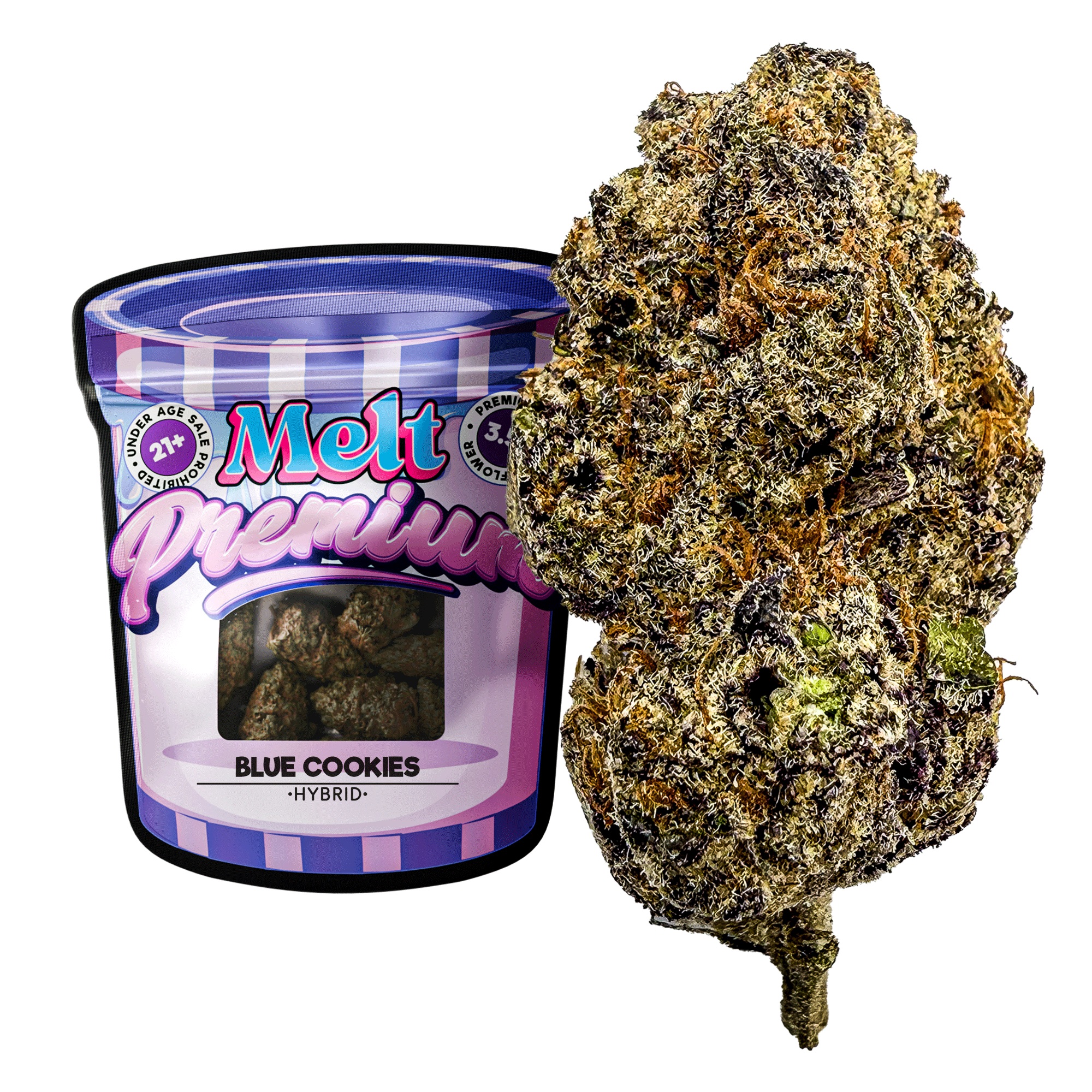
For example, in the hemp-derived space, Melt offers THCA pre-rolls alongside published lab transparency and strain-specific product information at Melt's official site.
The best pre rolled joints earn trust the same way good coffee or wine does. You want to know the source, the character, and whether the product was handled with care. Good flower. Honest information. A roll that is built to smoke properly. That is what gives you confidence.
If you want to shop with that checklist in mind, Melt offers legal hemp-derived products including THCA flower and pre-roll options, with product education, third-party testing information, and strain-specific details that make it easier to evaluate what you're buying before you light up.
Your cart is currently empty.