




Free Shipping On All Orders $75+
You're probably looking at a hemp product page right now with phrases like third-party tested, COA available, GMP facility, or ISO lab, and trying to figure out whether any of that protects you.
That confusion is normal. Most labels sound reassuring, but they don't always explain what was tested, who tested it, whether the result matches the batch in your hand, or whether the manufacturer kept the product consistent after that test was done.
For hemp, THCA, vapes, gummies, and flower, product safety certification is the bridge between marketing and evidence. It helps you separate “we say it's good” from “we can document what this product is, what rules it was checked against, and who verified it.”
A simple way to think about product safety certification is this. It's not a gold star. It's a system.
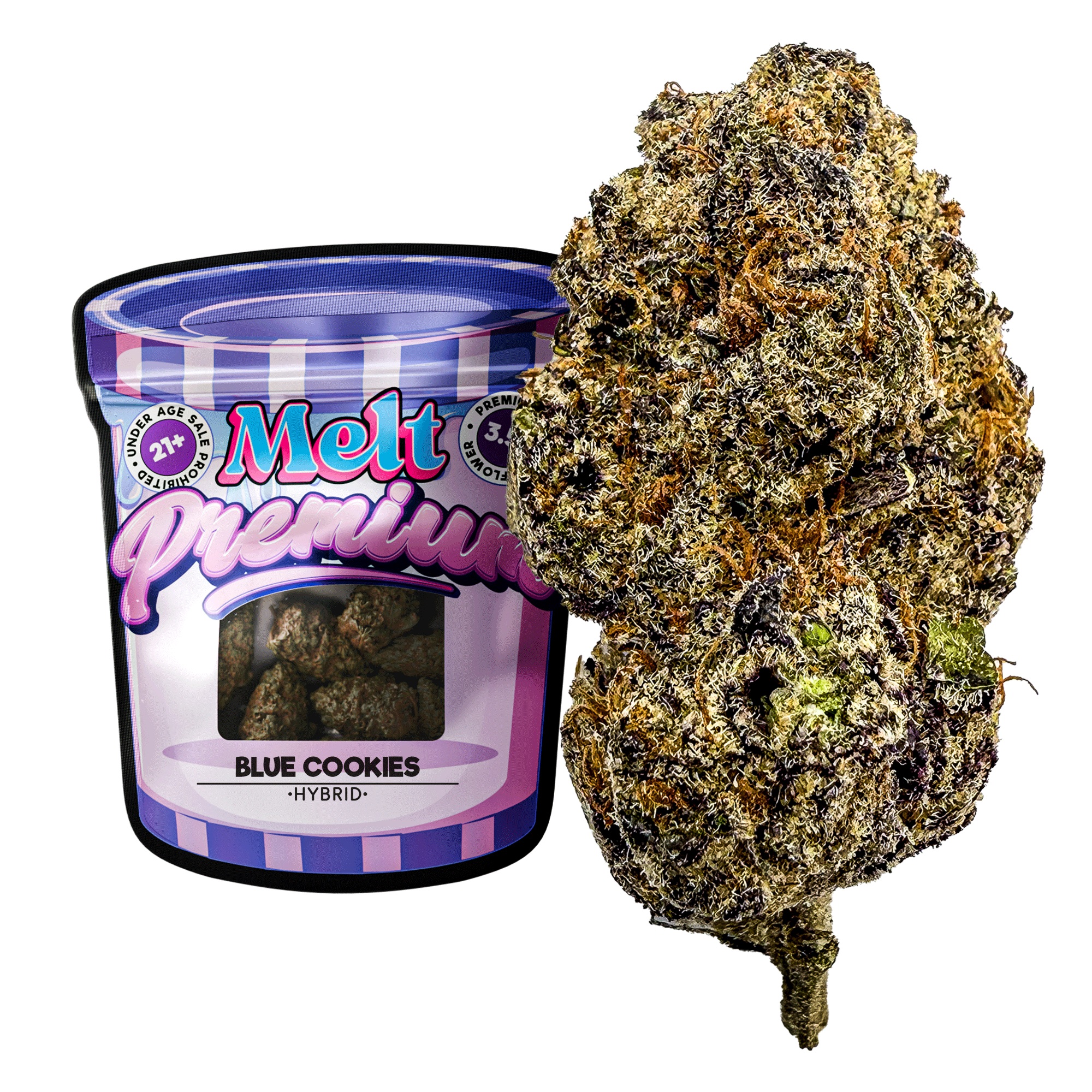
Say you buy a jar of THCA flower. The brand says it's clean, compliant, and tested. Product safety certification asks harder questions. What hazards were considered? What standards were used? Was the product tested by an independent lab? Can the paperwork trace back to the exact product and batch?
That's why serious safety work goes far beyond a single lab sample. It includes documentation, hazard review, manufacturing controls, testing, and recordkeeping across the product's life cycle.
According to the Certified Product Safety Manager program, the CPSM credential has existed for more than 30 years, and its exam typically includes 100 to 140 multiple-choice items across three domains: Product Safety Management (34%), Product Hazard Controls (36%), and Standards Compliance (30%). That matters because it shows product safety is a formal professional discipline, not just a buzzword printed on packaging.
For a consumer, product safety certification usually shows up as visible proof points:
Practical rule: If a brand can't show clear documentation, you're being asked to trust a claim instead of verify a product.
That distinction matters even more in hemp, where shoppers often have to decode technical language without any help. A COA, GMP statement, or ISO reference can be useful. But only if you know what role each one plays.
Hemp products sit in a category where small differences can matter a lot. A vape with the wrong formulation, a gummy with uneven potency, or flower with contamination issues can turn an ordinary purchase into a bad experience.
That's why certification matters most before you buy, not after something goes wrong.

A lot of hemp shopping now happens online, where you can't inspect the product in person or ask a trained store associate to walk you through the paperwork. That makes documentation more important, not less.
A Consumer Federation of America analysis of CPSC safety warnings found that unilateral safety warnings issued by the CPSC rose from 3 in 2020 to 64 in 2024, and 61 of those 64 involved products sold online. The same analysis notes that 42 of the 64 warnings were tied to products from China. It also cites OECD research showing 87% of banned or recalled products inspected across 21 OECD member countries and partner economies were still available online.
Those figures aren't about hemp specifically, but the lesson applies directly to hemp shopping. Online marketplaces move fast. Listings can look polished even when compliance is weak. A clean website is not evidence.
When consumers say they want a “safe” hemp product, they usually mean a few different things at once:
If any one of those breaks, the customer carries the risk.
A hemp gummy that's stronger than expected can ruin the experience. A cartridge with poor manufacturing control raises different concerns. A flower product without transparent testing leaves you guessing about what was screened and what wasn't.
The best time to verify a product is before checkout, when you still have the option to walk away.
“Lab-tested” sounds strong, but by itself it's incomplete. Tested for what? On which batch? By which lab? Under what standard? Was it a one-time sample or part of a repeatable process?
That's where consumers often get fooled. Marketing compresses a long chain of work into one phrase.
If you want a practical filter, look for brands that let you inspect their paperwork and make verification easy. If you also want help spotting suspicious listings and misleading signals, this guide on how to spot fake products is a useful companion.
The terms COA, GMP, and ISO often appear together, which makes them sound interchangeable. They aren't. Each one answers a different question.
A good way to remember the difference is this:
If a brand shows all three, that can be a stronger picture than any single document alone.
| Standard / Certification | What It Means | Why It Matters |
|---|---|---|
| COA | A Certificate of Analysis for a specific batch or lot | Lets you review test results tied to the product you're buying |
| GMP | Good Manufacturing Practices for production controls and cleanliness | Helps reduce mix-ups, contamination, and inconsistency during manufacturing |
| ISO | Usually a quality or laboratory accreditation framework | Adds confidence that the lab or process follows defined procedures |
A Certificate of Analysis, or COA, is the document most consumers should check first. It's the batch-specific record that can show cannabinoid content and whether the sample passed or failed selected contaminant screens.
Consider it a report card for one production lot. It doesn't describe every batch the company has ever made. It describes the one that was tested.
That's why matching the COA to the package matters. If the batch number on the flower jar or gummy pouch doesn't match the batch on the report, the document may be real but irrelevant to the product in front of you.
Good Manufacturing Practices, usually shortened to GMP, focus less on one result and more on the process that produced it.
A GMP-minded operation pays attention to cleanliness, ingredient control, recordkeeping, supplier consistency, and what happens if something changes. For hemp products, that matters because consistency is hard. Ingredient lots vary. packaging changes. New suppliers enter the mix. Without process discipline, a brand can test one good batch and ship later batches that don't look the same on paper.
Consumers often see “ISO lab” and assume that means the product itself is certified. That's not always what it means.
In practice, an ISO reference often points to the competence of the laboratory or quality system, not to a universal seal of approval on the product. The useful takeaway is simple. A credible test result depends not just on the number on the page, but on the lab and method behind it.
For products that involve electrical or electronic safety, certification usually requires far more than a finished sample. A North American product safety compliance overview from Sofeast explains that reviewers commonly expect engineering evidence such as a bill of materials, component ratings and substitutions, schematics, PCB manufacturing details, material compositions, flammability ratings, fuse ratings, wiring colors, mechanical pull-test data for connectors, and manufacturing test procedures like hi-pot and dielectric strength tests.
Even if you're buying a cannabis device and never see those documents yourself, that behind-the-scenes rigor matters. It shows that serious certification starts in design and production control, not only in final packaging.
A trustworthy safety claim usually rests on a chain of evidence. Product, batch, lab, manufacturing process, and documentation should all line up.
Most consumers don't need to become chemists. You just need to know how to avoid obvious blind spots.
The first rule is simple. Don't stop at “COA available.” Open it.

When people open a COA, they usually jump straight to THC numbers. That's understandable, but it's not the first thing to verify.
Check whether the report matches the product in front of you:
If those basics are missing or vague, the rest of the document becomes harder to trust.
For hemp and THCA products, shoppers often face confusion. They see a big number, assume stronger means better, and move on.
Slow down. Look at how the cannabinoids are listed. A report may separate THCA, Delta-9 THC, and other cannabinoids into different rows. That matters because the product label and the report may emphasize different things.
What you want is alignment. The report should support the identity and positioning of the product you're buying, whether that's THCA flower, an edible, or a disposable device.
Potency tells you what may be in the product. Contaminant panels help show what shouldn't be there.
A more useful COA usually includes pass/fail information or measured results for categories such as pesticides, heavy metals, residual solvents, microbial contamination, or mycotoxins, depending on the product type and testing scope.
If the report only highlights cannabinoids and says nothing about contaminants, that's incomplete evidence.
Reality check: A great potency profile doesn't cancel out weak contaminant screening.
For a deeper walkthrough of the document itself, this explainer on what a certificate of analysis is can help you decode the common sections.
This is the part most marketing skips.
A Children's Product Certificate overview from the CPSC makes a broader point that applies here too. Certification is tied to specific rules, test reports, and product scope, not to a blanket endorsement of every possible health or quality risk.
So when a hemp product says “tested,” the smart follow-up questions are:
A COA can be strong evidence. It is not magic.
Here's a useful visual guide before you compare your next report line by line.
You don't need perfect paperwork literacy to notice warning signs. Watch for these:
Hemp products don't exist in a simple legal environment. They sit inside overlapping rules, shifting interpretations, and different state approaches.
That's one reason documentation matters so much. In a complicated market, paperwork becomes part of market access.

In the United States, certification isn't always just a nice extra. The CPSC testing and certification guidance explains that federal law requires manufacturers and importers to test many regulated products for compliance and certify that compliance in a written or electronic certificate that must accompany the product or shipment and be shared with retailers or distributors on request. For children's products, that certificate must be based on third-party testing by a CPSC-accepted laboratory and include the product identity, applicable safety rules, certifier identity, testing dates and locations, and the lab that performed the testing.
Even though hemp products follow their own category-specific rules and constraints, the larger lesson is clear. Certification documents can determine whether a product is lawfully marketable, not just whether it looks professional.
Consumers often think compliance is mainly a seller problem. It isn't. Compliance shapes what reaches the shelf, what gets removed, and what kinds of records a responsible brand keeps ready.
If you shop across state lines or buy online, that matters even more. A product can appear straightforward on a website while the underlying regulatory position is much more complicated.
Here's the practical consumer takeaway:
Good compliance habits usually show up in public-facing details. Clear labels, accessible batch reports, and careful shipping policies are all clues.
If you want a broader look at how brands and retailers manage these obligations, this overview of cannabis industry compliance adds helpful context.
The best way to judge a brand is to see whether its behavior matches the principles above.
A serious hemp company doesn't treat product safety certification like a one-time hurdle. It treats it like ongoing operational work. That means batch-level transparency, visible documentation, and enough process discipline to keep products consistent as ingredients, packaging, suppliers, and rules evolve.

For a consumer, excellence in safety usually looks straightforward on the surface:
That last point is important. Good brands don't act like a single clean COA settles everything forever.
A Nemko explanation of product safety certification notes that third-party certification can involve continuing factory inspections and that certification may require re-evaluation when products change. The same source highlights ongoing oversight, documentation control, and attention to regulatory changes. For hemp products, that principle is very well suited. Ingredient sourcing changes. Packaging changes. Formulations change. Regulations change.
Consumers usually experience this as consistency. The edible feels like the last one. The flower category stays within expectations. The vape doesn't feel like a completely different product under the same name.
But consistency doesn't happen by luck. It comes from treating safety and compliance as living systems.
That's where a high-standard brand stands out. It doesn't hide behind broad phrases like “premium” or “lab-tested.” It gives shoppers a way to verify, then keeps the underlying process tight enough that verification still means something next month.
Buyers don't need perfection. They need evidence, transparency, and signs that the company takes change control seriously.
When a brand combines clear reports, disciplined production, and honest communication about what testing does and doesn't mean, consumers can shop with much more confidence.
If you want hemp products from a brand that emphasizes transparent lab reports, rigorous third-party testing, and a compliance-first shopping experience, explore Melt.
Your cart is currently empty.