



Free Shipping All Orders Over $95
You open a package, turn the box over in your hands, and feel that small jolt of doubt. The logo looks close, but not quite right. The finish feels cheaper than expected. Maybe the price was unusually low, or the seller account looked thin, but you wanted to believe you found a deal.
That instinct matters.
Learning how to spot fake products isn't about becoming paranoid. It's about building a repeatable verification habit. That's especially important for regulated or inhaled products such as vapes, edibles, cosmetics, supplements, and cannabis items, where authenticity isn't just a branding issue. It's a safety issue.
The old advice still helps. Check for typos. Look at print quality. Compare photos. But counterfeiters have improved. A stronger approach combines seller screening, packaging inspection, and digital verification with QR codes, batch numbers, and lab reports. That workflow gives you something much better than a guess. It gives you evidence.
Counterfeits aren't a niche problem anymore. They're part of everyday online shopping. A Michigan State University survey on counterfeit purchases online found that nearly 7 in 10 consumers had been deceived into buying counterfeit products online at least once in the previous year, with most purchases happening through e-commerce websites (39%) and social media (39%).
That matters because it changes where people should focus their attention. Many buyers still picture fake goods as something sold in an alley, a flea market, or a suspicious storefront. In practice, the risk often comes through familiar channels that look normal on the surface. Marketplace listings, reposted product photos, social seller accounts, and polished product pages can all look convincing enough to lower your guard.
Counterfeits now reach into categories where poor quality can create real health and safety concerns. That includes medicines, cosmetics, toys, and automotive parts, as noted in the same Michigan State University coverage. The same logic applies to inhaled or ingested products. If the seller can't verify origin, testing, or traceability, you're relying on appearances alone.
That's where many buyers get stuck. They look for one dramatic clue, such as a misspelled word or an obviously bad logo. Some fakes are sloppy, but many aren't. Counterfeiters often get the surface details mostly right and fail in the systems behind the product: seller identity, traceability, testing records, batch consistency, and post-sale accountability.
Spotting a fake is rarely about finding one fatal flaw. It's about noticing that the product can't prove what it claims to be.
A reliable check asks four questions:
That shift is enabling. You don't need perfect product knowledge. You need a process.
Most counterfeit problems start before checkout. If you screen the seller well, you avoid a lot of bad products without ever needing to inspect packaging or decode a label.

Counterfeit sellers often borrow the same polished images that legitimate sellers use. The better place to look is the listing environment around the product.
A brand protection guide on spotting fake online listings recommends treating offers priced 70 to 90% below retail as high-risk, then cross-checking them against trusted retailers and the brand's official site. That's one of the clearest red flags because counterfeit operators usually compete on price first.
Use that benchmark as a filter, not a verdict. A steep discount doesn't prove a fake by itself. Clearance, overstock, and older packaging can exist. But if the discount is extreme and the seller profile is weak, the risk rises fast.
Before buying, look for signals that tie the seller to a real business operation.
A practical move is to start at the brand's official website and work outward. If the brand lists authorized retailers, use that list. If it doesn't, compare the seller you're considering against the site's normal pricing, packaging, and support information. For products in regulated categories, buyers should also learn the rules for reputable online purchasing before ordering. This guide on how to purchase weed online is a good example of the kinds of checks responsible shoppers should make.
Practical rule: If the seller is vague, anonymous, or impossible to verify, stop there. You don't need to wait for a worse sign.
| Check | Lower-risk sign | Higher-risk sign |
|---|---|---|
| Website address | Matches the official brand or a known retailer | Looks like a close imitation |
| Price | Within normal market range | Far below normal retail |
| Seller identity | Clear business info and support path | Thin profile or no real identity |
| Reviews | Specific and product-focused | Generic, repetitive, overly positive |
| Cross-check | Product appears on official channels | Product exists only on the suspicious listing |
Good buying decisions usually feel boring. That's a good sign. The more a listing depends on urgency, mystery, or a deal that feels impossible to ignore, the more careful you should be.
Once the product is in your hands, packaging becomes your first physical audit. This isn't about hunting for one typo and calling it done. It's about comparing the whole package against what a legitimate manufacturer would approve and ship at scale.

A useful context clue comes from the OECD and EUIPO report on fake goods in global trade, which said small parcels and mail accounted for around 65% of counterfeit seizures. That matters because products moving through low-scrutiny shipping channels often don't receive the same packaging discipline as goods coming through formal retail distribution.
Counterfeit packaging often fails in subtle ways before it fails in obvious ones.
Look at print sharpness first. Authentic packaging usually has crisp edges, stable color, and clean contrast. Fake boxes often show slightly fuzzy logos, muddy gradients, or text that looks soft under direct light. The problem isn't always spelling. It's production quality.
Then check materials and assembly. Thin carton stock, weak adhesive, loose inserts, uneven folds, and seals that don't sit straight all point to low-cost replication. The more premium or regulated the product category, the less tolerance there should be for rough finishing.
For products with known anti-tamper design, inspect that closely. A weak seal, poorly applied shrink wrap, or a closure that looks easy to open and reclose should slow you down. If you're buying products where cartridge quality and hardware authenticity matter, it's also worth learning the red flags tied to cheap disposable carts, because packaging defects and hardware shortcuts often appear together.
If you can, compare the product against official product images from the brand's site or a trusted retailer. Don't just compare the front of the box. Compare all of it.
A package can look expensive and still be fake. What matters is consistency. Real brands repeat the same standards across units. Counterfeits often improvise.
Buyers often overvalue one-off visual quirks. A small packaging refresh, a changed warning label, or a factory print variation can happen in legitimate production. Don't reject a product because one panel looks updated.
Instead, look for clusters. Poor print quality plus weak seal plus odd label placement plus an unverified seller is much more meaningful than one isolated difference. That's how professionals inspect suspect goods. They stack evidence.
Packaging can be copied. Verifiable records are harder to fake well. That's why the strongest modern answer to how to spot fake products is digital confirmation, especially in categories where lab reports, batch numbers, and traceability are part of the normal buying experience.

A modern content-gap analysis on what consumers actually want from authenticity guidance notes that buyers no longer want generic checklists alone. They want a step-by-step process using serial numbers, QR codes, and lab-report cross-checks, especially for products where safety and transparency matter.
A QR code is only useful if you verify what it leads to.
Start by scanning the code with your phone and looking at the destination before you trust the page. The page should load on the brand's official domain or a clearly legitimate verification environment tied to the brand. If the QR code routes through a suspicious URL, a generic file host, or a random landing page with no brand identity, that's a warning sign.
Next, look for the product-specific record. Depending on the category, that might be a Certificate of Analysis (COA), a batch verification page, or a test result tied to a lot number.
Check these details against the package in your hand:
If the package says one thing and the report says another, treat that mismatch seriously.
A useful COA doesn't just exist. It should connect clearly to the exact product unit or batch you bought. For regulated or hemp-derived products, buyers should understand how to read the test record itself. This guide on how to read a Certificate of Analysis walks through the details that matter.
When you review a COA, focus on whether it appears complete, relevant, and traceable. You're looking for a document that supports the product's identity and testing history, not a generic PDF dropped onto a website to create the appearance of compliance.
| What to compare | What you want to see |
|---|---|
| QR destination | Official brand domain or legitimate verification page |
| Batch or lot number | Exact match to the package |
| Product description | Same item and variation as the purchased unit |
| Lab report context | Clear connection between the report and the product |
| Overall consistency | Packaging, code, and report all tell the same story |
Field advice: If the QR code works but the batch number doesn't match, the verification failed. A functioning code alone is not proof.
This step is where guesswork ends. A product that can't connect its package to its testing record doesn't deserve your trust.
Sometimes a product clears the earlier checks and still feels wrong. That's when sensory inspection matters. You aren't trying to diagnose chemistry by smell or become a forensic analyst by touch. You're looking for a pattern of abnormal cues.
A practical anti-counterfeit workflow from ICW Group recommends a multi-signal scorecard: compare price, inspect packaging, verify the seller, and document anomalies. That's the right mindset once the item is in front of you. Counterfeits often reveal themselves through a cluster of problems, not a single dramatic flaw.
For disposable vapes, pay attention to the whole experience. A harsh chemical note, frequent clogging, weak vapor despite a charged device, leaking oil, or hardware that feels loose can all point to poor manufacturing control. One of those issues can happen with a legitimate defective unit. Several together should make you stop.
For edibles, the warning signs are different. Color that looks oddly artificial, texture that seems waxy or stale, a strong off-putting odor, or pieces that don't look uniform from the same package all deserve caution. Authentic products can vary somewhat, but they usually don't feel random.
For flower, your nose and eyes do a lot of work. Material that smells flat, musty, hay-like, or otherwise off should raise concern. Visible mold, odd residue, or buds that look unnaturally uniform can also indicate a problem.
Try this simple pass-fail approach:
If you hesitate on multiple lines, that's enough reason not to use the product.
If your senses say something is off, don't let the packaging talk you out of it.
Consumers often talk themselves into keeping a suspicious product because each individual issue seems explainable. Maybe the box changed. Maybe the flavor is just different. Maybe the hardware is from a new supplier. That's how risky products stay in circulation.
A better habit is to judge the item as a whole. Authentic products usually create confidence when you examine them closely. Counterfeits create friction. You keep finding reasons to doubt them.
If you think you've bought a fake product, don't argue with yourself into using it anyway. Pause, preserve the evidence, and treat the situation like a documentation problem first.
The goal isn't only to get your money back. It's to protect your health, help platforms remove bad sellers, and give the legitimate brand a chance to track misuse of its name or packaging.

Counterfeit listings often change fast. Sellers edit descriptions, remove photos, rename products, or disappear entirely.
Document what you have while it's still available:
That record gives you an advantage in a refund request and helps the brand or platform investigate.
Start with the seller or marketplace through the formal dispute or return process. Keep the message calm and specific. State what doesn't match, what verification failed, and what resolution you want.
If that doesn't work, contact your payment provider and ask about dispute options. Then notify the legitimate brand through its customer support or anti-counterfeit channel. Brands often want photos of the packaging, batch details, and the seller information because that helps them identify recurring counterfeit patterns.
A simple sequence works best:
| Step | Why it matters |
|---|---|
| Document everything | Evidence disappears quickly |
| Contact seller or platform | Fastest route to refund or takedown |
| Contact payment provider | Adds buyer protection if the seller stalls |
| Notify the real brand | Helps protect future customers |
Posting an angry accusation with limited evidence can create noise without helping anyone. A measured report works better. Stick to what you can show: where you bought it, what failed verification, and what the seller did in response.
That approach protects you and makes your complaint more useful.
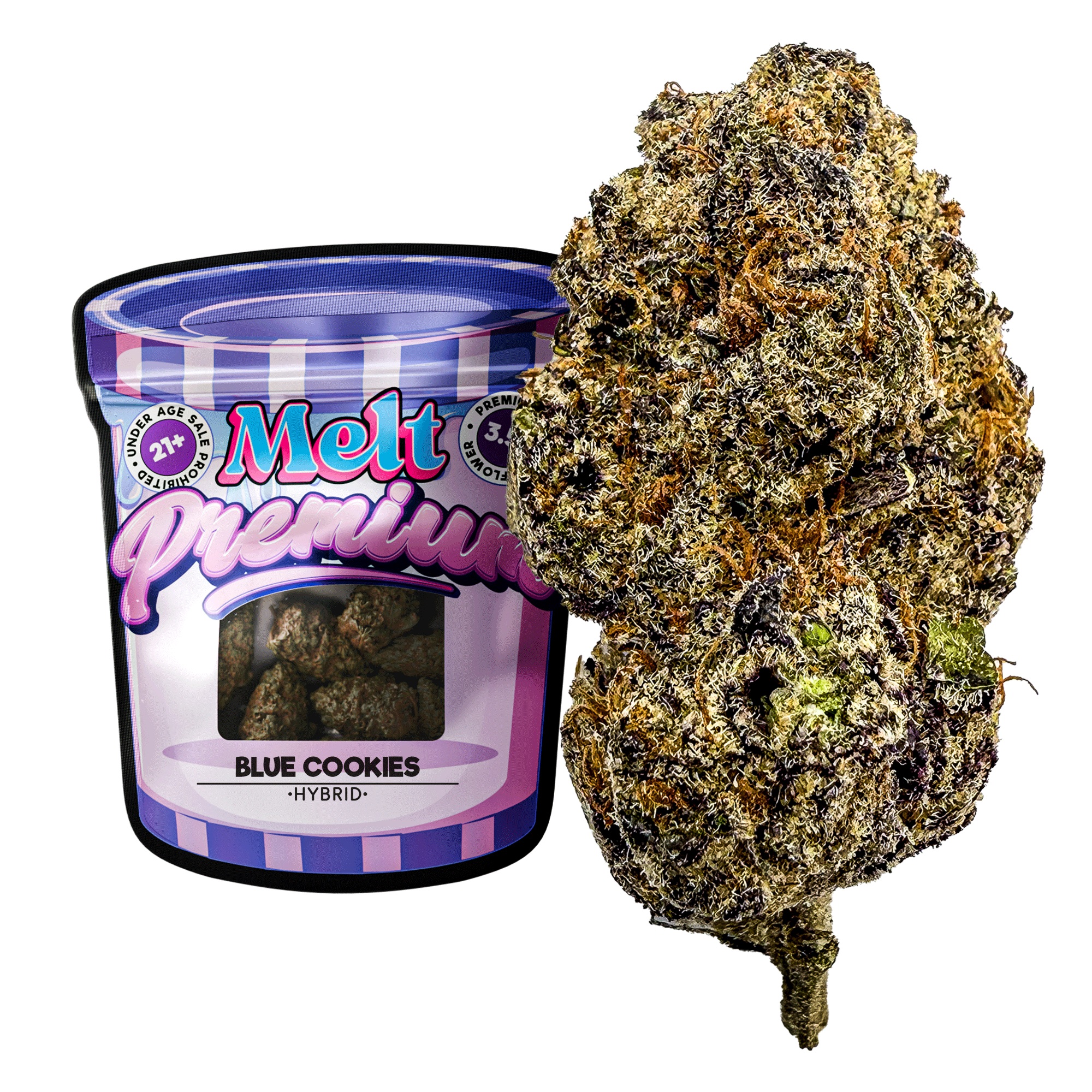
If you want a simpler buying experience in this category, buy from brands that make verification easy. Melt emphasizes third-party testing, transparent lab reports, and clear product information so shoppers can verify what they're buying instead of guessing.
Your cart is currently empty.