



Free Shipping All Orders Over $95
You type thca flower near me, hit search, and get the same mess everyone else gets. A few smoke shops with thin product pages. A map pack full of stores that may or may not even carry flower. A couple of online sellers promising legal shipping everywhere, with no clear explanation of what that means.
That confusion is normal. THCA flower sits in a strange spot where demand is high, quality varies wildly, and legality depends on more than one rule. If you want top-shelf flower without walking into a bad buy, you need a better filter than star ratings and flashy strain names.
You run a local search, pick the closest shop, and expect a straightforward buy. Then the problems start. One store calls it hemp but cannot explain the test results. Another says it ships nationwide but skips over which states it will not ship to. A third has polished strain names and no batch details.

That is why finding good THCA flower takes more than typing thca flower near me and clicking the first result. The hard part is not proximity. It is sorting through sellers that understand cultivation, testing, storage, and state-specific compliance versus sellers that only know how to market a hot product.
THCA flower sits in a narrow lane. On paper, many products are sold as hemp. In practice, the rules that matter can change by state, by shipping policy, and by how a retailer documents the batch. That creates confusion for buyers and plenty of room for weak operators to hide behind vague language.
Quality adds another layer. Flower can look frosty and still be old, dry, or badly cured. A nice menu does not tell you whether the product was grown indoors, how it was stored, or whether the certificate of analysis matches the batch in the jar. I have found online shops with better paperwork than local stores, and local shops with better flower than many websites. The point is the same in both cases. Search results are only leads.
Practical rule: Rank sellers by transparency first, then compare pickup versus shipping.
What protects you is a repeatable vetting process. Check whether the seller explains source material, harvest style, batch testing, packaging dates, and shipping restrictions in plain language. If you want a strong baseline, use this guide on choosing the best THCA flower as a comparison point while you review any store.
Buyers get burned when they chase a strain name and skip the boring details. That is how you end up with mystery flower, stale inventory, or an order that cannot legally ship to your address after checkout. Good THCA flower is available across the US, but only if you handle the legal side and the quality side at the same time.
If you want to buy in person, skip the random walk-in approach. Start with better search terms. Instead of only searching thca flower near me, try variations like hemp dispensary, craft CBD store, licensed hemp retailer, or THCA flower store plus your city.
That small change filters out a lot of smoke shops that carry a little bit of everything and know almost nothing about flower quality.
There are three broad categories you'll run into:
| Store type | What usually works | What usually doesn't |
|---|---|---|
| Specialty hemp shop | Better chance of COAs, strain knowledge, fresh inventory | Some still overfocus on packaging and underexplain sourcing |
| Dispensary-style retailer | Better presentation, staff may know terpene profiles | Some mix marijuana and hemp language in a confusing way |
| General smoke shop | Fast, convenient, close by | Weak storage, limited strain info, poor batch transparency |
The best local shops usually treat flower like a product that needs context. They can tell you where it came from, how it's tested, and which batch you're looking at. The weakest shops treat it like a trinket hanging next to glassware and lighters.
If you want a cleaner starting point, a retail partner locator can be more useful than a broad map search because it gives you stores already tied to a known product line.
A quick phone call saves wasted trips. Don't ask, "Do you have THCA flower?" Almost every store will say yes if they have a single dusty jar in the back.
Ask questions that force a real answer:
If the person on the phone sounds annoyed by these questions, expect a worse experience in person.
You don't need a dramatic inspection ritual. Just pay attention.
Look at the packaging first. You want clear labeling, readable cannabinoid information, and a scannable lab link or printed batch reference. Then look at the flower itself if the shop allows visual inspection. Healthy buds should look alive, not gray, dusty, or compressed into lifeless pebbles.
Aroma tells you a lot. Flower should smell distinct and strain-specific. If everything in the case smells flat, hay-like, or strangely sweet in the same artificial way, the storage is probably poor or the product is overhandled.
Some local shops are excellent. They know their inventory, rotate batches, and care about storage. But plenty of stores win the "near me" search because they're nearby, not because they're careful. That's why phone screening and in-store observation matter more than reviews alone.
Online buying solves one major local problem. Selection. You can compare strains, batch details, growing style, and packaging standards without relying on whoever happens to be working behind a counter that day.
But online buying introduces a different risk. Compliance.
In 2025, THCA flower shipments to certain restrictive states faced interception rates as high as 25%, which is why ordering from brands that clearly restrict shipping where prohibited matters, as noted in Fresh Bros' discussion of THCA flower access and shipping.

A legitimate online seller doesn't pretend every state is the same. It posts a shipping policy, uses age-gating, and states where orders won't be sent. That may feel restrictive, but it's a good sign. The seller is showing you that compliance isn't an afterthought.
You should also be able to find:
If a store buries the shipping policy, uses vague phrases like "available nationwide" with no legal qualifiers, or avoids discussing prohibited states, move on.
A lot of buyers skim this part. That's a mistake.
"We do not ship where prohibited" should be backed by actual cart controls, checkout restrictions, and visible policy language. If a seller says it follows state restrictions, you should see that reflected before payment, not after.
A careful product page also tells you how the company handles package presentation. Most buyers want discreet packaging, but discreet doesn't mean sloppy. You want a seller that packages securely, includes appropriate documentation when needed, and communicates clearly once the order is placed.
For readers comparing online options, this guide to buying THCA flower online is a useful benchmark for what that process should look like from product page to checkout.
Shipping rule: If a brand sounds casual about state restrictions, don't trust it with your order.
A good online purchase feels boring in the best way. You browse, verify, check out through a secure payment page, get an order confirmation, and receive shipment updates. That's what you want.
Be cautious when a store pushes strange payment workarounds, avoids normal confirmation emails, or leaves you guessing about fulfillment. Evasive payment practices often travel with weak compliance and weak customer support.
Here's a simple decision filter:
| Online sign | Green light | Red flag |
|---|---|---|
| Shipping page | Lists restrictions clearly | Says "ships everywhere" without detail |
| Checkout | Secure portal and age verification | Unclear payment flow |
| Labs | Easy to find on product pages | Hidden, missing, or generic |
| Customer support | Answers legality and batch questions | Dodges specifics |
Online shopping can be the smartest route, especially if local inventory is weak. But the safest online order comes from a company that acts like compliance, documentation, and communication are part of the product, not extras.
Most bad THCA purchases can be traced back to one mistake. The buyer looked at the strain name and ignored the paperwork.
If you want to judge flower the way experienced shoppers do, start with the COA. Then compare that paperwork to what you can see and smell. If those two things don't line up, don't buy.

Most shoppers jump straight to potency. That's understandable, but it's not the first thing to verify.
Use this order instead:
A COA isn't proof of quality by itself. It's proof that someone tested something. Your job is to confirm they tested the same batch you're about to buy.
Good flower should back up the lab report with obvious physical signs.
Look for visible trichomes, healthy structure, and color variation that doesn't look artificially frosted or sprayed. Squeeze the bud gently if the shop allows it. You want some spring, not brittle crumble or damp softness.
Smell matters just as much. Distinct aroma usually points to better terpene retention and better storage. A dead nose often means dead flower.
This video gives a useful visual reference for what careful buyers watch for in real product handling:
Potency shoppers often default to indoor. Sometimes that's the right move. But it's not the only move.
Indoor flower often yields higher THCA percentages at 25% to 30% or more, while premium sun-grown California flower can retain 15% to 20% more strain-specific terpenes, which can produce richer flavor and a more layered entourage effect, according to Flow Gardens' discussion of Type 1 high-THCA flower.
That means your choice should depend on what you care about:
When I'm helping someone evaluate flower, I like this quick screen:
| Checkpoint | What you want | What sends me away |
|---|---|---|
| COA match | Batch-specific and readable | Generic PDF used for everything |
| Aroma | Strain-specific and fresh | Hay, dust, or oddly sweet masking smell |
| Texture | Slightly sticky, springy | Bone dry or wet |
| Labeling | Clear batch and cannabinoid info | Missing lot details |
| Seller answers | Direct and consistent | Evasive or contradictory |
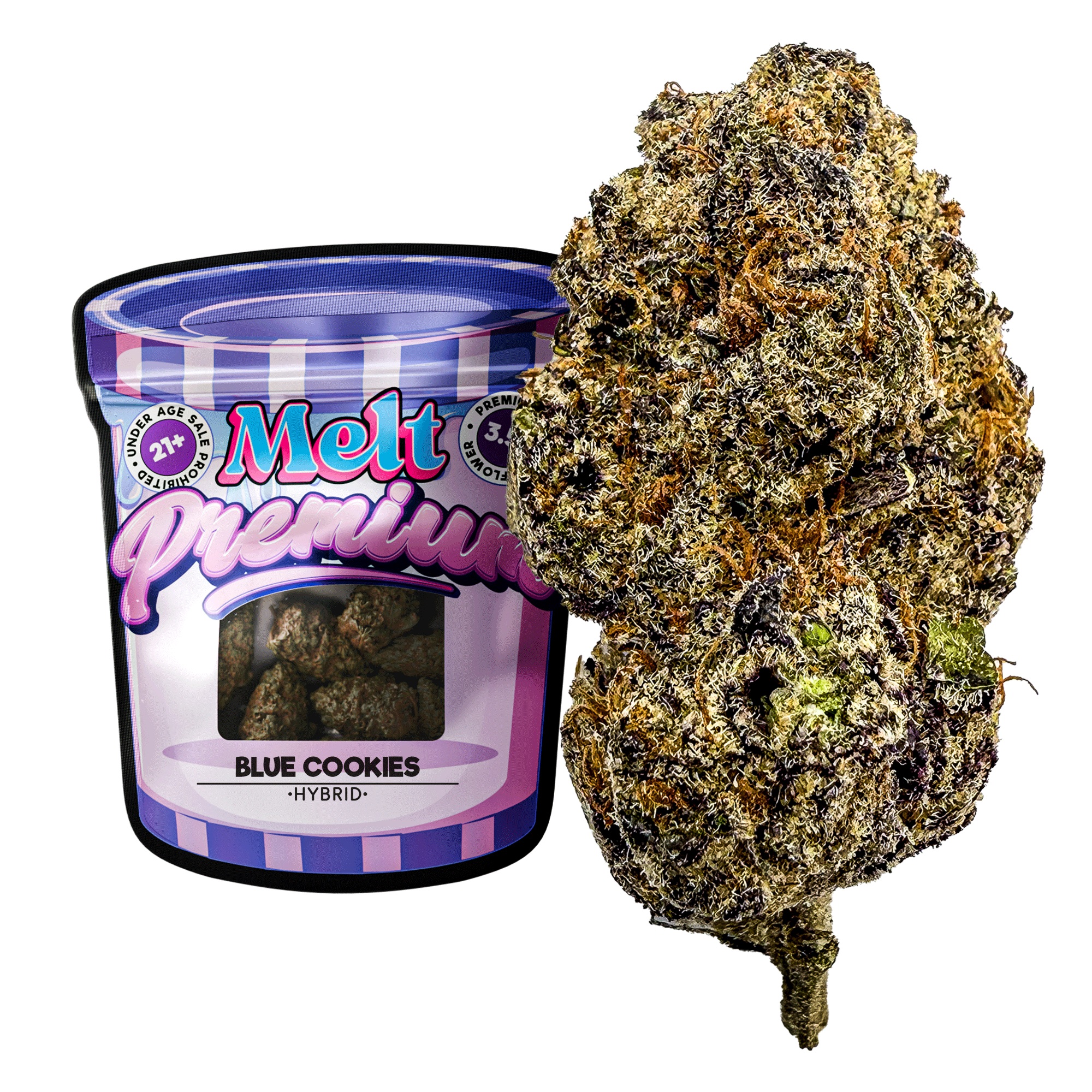
One body example of this kind of transparency is Melt, which publishes lab information and offers both indoor craft and premium sun-grown THCA flower. That's useful because it lets a buyer compare style, not just chase the highest number.
The final step should feel simple. If it feels chaotic, something is off.
A solid in-store purchase usually starts with a short conversation, not a hard sell. You ask to see the packaging, confirm the batch label, scan the lab report, and check the flower if store policy allows. The staff member answers plainly, without turning every question into a sales pitch.
You walk in, pick two strains, and ask one practical question for each: "Can I see the current COA and batch label?" The good budtender doesn't flinch. They show the package, point to the lot details, and let the product speak for itself.
Before paying, check for basic signs of care:
If the staff acts irritated because you want to verify the product, leave. You're not being difficult. You're buying inhalable flower.
Online, the process is different but the standards are the same. You review the product page, confirm the shipping policy, pass age verification, and place the order through a secure checkout. Then you get a confirmation email with the order summary.

That confirmation should tell you what you bought and what happens next. If it doesn't, customer support should.
If a seller seems evasive before payment, expect worse after payment.
A clean purchase path is one of the strongest signs that the company has its systems together. Clear checkout, clear email, clear policy. That's what you're looking for, whether you're buying one jar or stocking up.
A shopper in one state can place an order with no issue, while the same product gets blocked at checkout in another. That happens because federal hemp rules and state enforcement do not always match.
Start with your own state's current hemp policy, then confirm the seller will ship there. Some brands list products nationwide but cancel orders after payment review. If a company cannot explain its state restrictions in plain language, treat that as a warning.
Yes.
If you heat THCA flower, it converts into THC. Standard drug tests usually screen for THC metabolites, not the legal category of the product you bought. Hemp origin does not protect you here.
THCA flower is hemp flower selected and processed to preserve high THCA while staying within hemp compliance limits for Delta-9 THC. Delta-8 flower is usually a different product type. In many cases, Delta-8 is added to flower after production rather than expressed by the flower in the same way.
For buyers, the practical difference is simple. THCA flower is usually closer to traditional cannabis in structure, aroma, and effect after heating. Delta-8 products can be useful, but they are not the same purchase.
Expect premium flower to cost more than bargain hemp.
Price usually reflects cultivation method, trim quality, cure, freshness, terpene retention, and how transparent the brand is with batch testing. If the price looks unusually low, ask what you are giving up. Sometimes it is older inventory. Sometimes it is outdoor flower sold like indoor. Sometimes the jar looks good online and smokes flat in person.
No. High numbers sell product, but they do not guarantee a better jar.
I would take a well-cured, loud, clean-smoking batch with slightly lower THCA over a dry, harsh flower with inflated lab appeal any day. Potency matters, but so do moisture level, terpene profile, trim, and how the flower was stored after packaging.
It depends on what is stronger in your area: retail access or seller transparency.
Local shops give you a chance to inspect packaging dates, bud structure, and storage conditions before you buy. Online stores often give you better batch documentation, wider strain selection, and access to brands that take compliance seriously. The better option is the one that gives you clear lab results, honest shipping rules, and product that looks properly handled instead of rushed to market.
Ask a direct question that requires a direct answer.
Good examples are: "Can you show me the current COA for this batch?" and "Do you ship this product to my state without exceptions?" Bad sellers get vague fast. They dodge the batch date, avoid discussing restrictions, or answer sourcing questions with marketing copy instead of facts.
If you want a straightforward place to compare legal hemp-derived options, review lab-backed products, and check buying guidance before you order, browse Melt.
Your cart is currently empty.