



Free Shipping All Orders Over $95
You’re probably here because “sweet tangerine strain” sounds straightforward, then the menu gets messy fast. One product says Sweet Tangie and promises a bright daytime buzz. Another says Tangerine and sounds more balanced. A third leans Kush, citrus, and evening-friendly. If you just want something that tastes like peeled citrus and fits your mood, that confusion gets old.
That’s where a little strain literacy helps. Sweet Tangerine isn’t one single, fixed experience across every shelf. It’s more like a family of citrus-forward cultivars and phenotypes, with some leaning energetic and social, and others landing softer, calmer, and more rounded. The difference matters if you’re choosing flower, a vape, or a legal hemp-derived THCA version and want the flavor to match the effect.
A common dispensary question goes like this: “I want something flavorful for the afternoon, but I don’t want to feel flat or stuck.” That’s the lane where the sweet tangerine strain usually catches attention. People are drawn in by the name first, then stay for the citrus-forward personality.

The easiest way to understand it is through the smell-memory it creates. Open the jar and you’re looking for that fresh-peel snap, the kind of bright aroma that feels clean, juicy, and a little sweet instead of heavy or gassy. For many adult consumers, that profile signals a session that feels more social, more creative, or more pleasant for daytime use.
Citrus strains have a broad appeal because they’re approachable. Even people who don’t know much about lineage or terpenes often know when a flower smells vivid and alive. Sweet Tangerine types tend to deliver that instant recognition.
They also help solve a practical problem. Many shoppers want a strain that feels upbeat without crossing into jittery, or relaxing without turning sleepy too early. Some Sweet Tangerine expressions hit that middle ground well.
A good citrus strain should smell specific, not just “fruity.” You want peel, zest, and a little structure underneath it.
The biggest source of confusion isn’t whether Sweet Tangerine smells good. It’s that different versions can behave differently. Some expressions feel more like a classic daytime sativa. Others carry enough hybrid depth to feel smoother and more grounded.
That’s why the right question isn’t just “Is Sweet Tangerine good?” It’s “Which Sweet Tangerine type am I buying, and how was it tested?”
A lot of strain confusion starts with the name. A shopper sees “Sweet Tangerine,” expects one predictable experience, then ends up with two very different jars on two different visits. One feels bright and talkative. Another carries more body weight and a calmer finish. Both can be real expressions of the same broader citrus family.
The easiest way to sort that out is to follow the lineage instead of the label.
One anchor in this family is the classic Tangerine line, which earlier sources describe as a sativa-dominant hybrid tied to Ch9 Aroma. That background helps explain why some Sweet Tangerine expressions feel lighter on their feet. Breeders often keep selecting plants with a vivid orange-peel profile and an upbeat effect pattern, much like saving seeds from the sweetest fruit in a garden because you want that trait to show up again.
Ch9 Aroma matters here because breeding is basically pattern selection over time. If a breeder keeps choosing plants that smell sharp, juicy, and clean, those citrus traits become more likely to show up again in later generations. That does not make every offspring identical. It does make the family resemblance easier to spot.
Then the picture changes once Kush or dessert-style genetics enter the mix.
Some modern Sweet Tangerine variants pull from OG Kush, Girl Scout Cookies, Face-Off OG, or related stock, as noted earlier. That kind of family tree usually adds more depth under the citrus. You may notice a fuller body feel, a softer landing, or an earthy sweetness behind the bright top note. For shoppers, these genetic influences often lead to the “sativa or hybrid?” question. The name stays citrusy, but the experience can shift depending on what else is in the lineage.
A simple way to read the family is this:
That last category is where many people get tripped up. They expect a pure daytime sativa because “tangerine” sounds bright and zesty. Instead, they get something more like citrus over cream or citrus over earth. That does not mean the flower is mislabeled. It usually means you are looking at a hybrid branch of the family rather than the racier side.
For practical buying, the lesson is simple. Do not stop at the strain name. Check the full cultivar name, ask about the parent genetics, and look for current lab results if you are shopping THCA flower. That extra minute can save you from buying a jar that smells right but delivers a different effect than you wanted. It is also why transparent retailers matter. Clear lineage notes and clean testing make it much easier to choose a Sweet Tangerine that fits your session, not just your first impression.
The first grind tells you a lot. A strong sweet tangerine strain should release a sharp citrus note right away, but the best examples don’t stop there. They open with zest, then settle into sweetness, a little earth, and sometimes a floral lift that keeps the profile from tasting one-dimensional.
If you’ve ever peeled a tangerine and caught that mist from the skin, that’s the top note many people chase. In flower form, it often lands as a mix of juicy rind, sweet citrus candy, and a faint green freshness. Some phenotypes add a Kush-like base note that makes the aroma feel rounder and more substantial.
In a clean sample, the inhale tends to start bright. The citrus leads. Then the exhale may show more complexity, with earthy depth, soft spice, or a floral edge depending on the phenotype and cure.
This scenario sometimes confuses shoppers. If the aroma is “tangerine” but the finish feels heavier than expected, that doesn’t mean the flower is bad. It may just belong to a more balanced branch of the family, not the racy sativa expression you assumed from the name.
Fresh citrus on the nose, sweetness in the middle, and a grounded finish usually signal a well-developed profile.
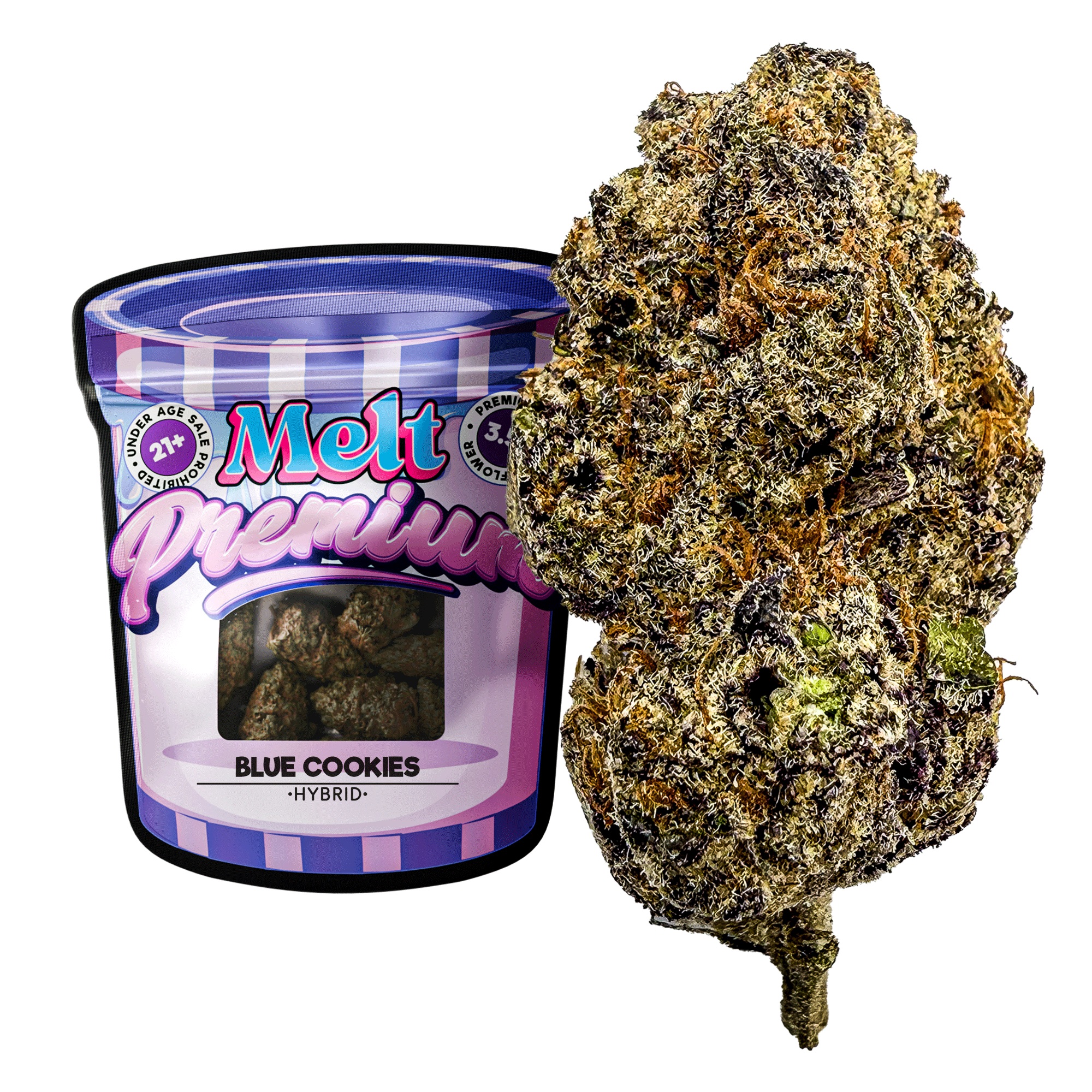
Appearance matters too, especially with strain-specific shopping. A quality sweet tangerine strain should look expressive, not tired. Buds often present as dense and resinous with visible trichome coverage and orange pistils that visually echo the citrus branding people expect.
When you’re judging flower in person, watch for a few simple cues:
For vape buyers, the same sensory logic applies. You want the vapor to preserve that peel-like brightness instead of flattening it into candy with no depth. For edible fans, citrus strains can read differently, so strain-specific sourcing matters even more if flavor fidelity is a priority.
A jar of Sweet Tangerine can smell like peeled citrus, sweet candy, fresh herbs, or even a little pepper. That range is exactly why this family confuses shoppers. The name sounds simple, but the chemistry can point you toward a brighter sativa-leaning session or a more balanced hybrid feel.

Terpenes are the aromatic compounds that give cannabis its recognizable scent and a lot of its personality. If cannabinoids are the engine, terpenes are closer to the steering and trim. They do not determine everything, but they strongly shape how a strain presents itself in the jar and during the session. If you want a clearer primer, Melt’s guide to what terpenes in weed are breaks it down in plain English.
With Sweet Tangerine expressions, limonene is usually the first terpene people notice. It tends to read like citrus zest, orange peel, or that sharp pop you get when you bend a fresh rind. Myrcene often fills in the softer base notes, adding an herbal, earthy, or slightly musky layer. Caryophyllene can add pepper, wood, or spice, which keeps the profile from tasting flat or overly candy-like.
That mix helps explain why two products with “Sweet Tangerine” on the label may smell related but feel different. A limonene-forward batch often comes across as brighter and more energetic. A batch with more myrcene or caryophyllene in the background can feel rounder, heavier, and more hybrid-like.
Precise terpene numbers are not always easy to find, especially in hemp-derived versions sold for their THCA content. That is where careful sourcing matters. If a brand wants you to believe the flavor story, it should show recent lab results that back up the aroma profile instead of asking you to trust the name alone.
Cannabinoids set the intensity, duration, and overall direction of the experience. For shoppers looking at legal hemp flower, THCA is usually the key number. THCA itself is non-intoxicating in the raw flower, but once you apply heat through smoking or vaping, it converts into THC. In practical terms, that means a THCA flower can look compliant on paper before use while still delivering a classic cannabis-style effect after you light it.
That detail matters a lot with Sweet Tangerine because shoppers often expect one specific outcome from the citrus name. In reality, the cannabinoid and terpene balance together decide whether the flower lands closer to a lively Sweet Tangie-style sativa expression or a steadier Tangerine hybrid. Good lab reports help reduce that guesswork.
A quick reference helps:
| Compound | Typical Range | Reported Effect / Flavor Contribution |
|---|---|---|
| THC in classic Tangerine | As noted earlier, classic Tangerine is often described as moderately to strongly potent | Often associated with the strain’s upbeat, social side |
| CBD in Tangerine | Usually low in many expressions, as noted earlier | May soften the overall profile in some versions |
| THC in Sweet Tangerine Tango Automatic | As noted earlier, some versions are bred for fairly high potency | Can support a euphoric but more settled hybrid feel |
| Limonene | No consistent quantitative range available | Citrus-forward aroma, often linked with an uplifting feel |
| Myrcene | No consistent quantitative range available for Sweet Tangerine products | Earthy undertone, often linked with relaxation |
| Caryophyllene | Quantitative data not consistently documented for Sweet Tangerine hemp products | Peppery, woody depth |
For an informed purchase, the label should do more than sound appealing. You want current COAs, visible cannabinoid totals, and terpene testing when available. That is one of the clearest ways to separate a strain-faithful Sweet Tangerine from a generic citrus flower with clever packaging. It is also why transparent brands like Melt stand out. They make it easier to choose a THCA product that matches both the flavor you want and the effect lane you aim to enter.
Later in the session, it helps to hear someone break this down visually and practically.
Practical rule: If a Sweet Tangerine product promises huge flavor but offers no recent lab data, treat that claim as unverified until the testing confirms it.
Sweet Tangerine effects usually make sense once you stop treating every citrus strain like the same product. The main split is between the high-energy Sweet Tangie-style sativa expression and the more balanced Tangerine hybrid expression. That difference is one of the biggest reasons people either love this flavor family or swear it felt “nothing like expected.”
According to Gotham Meds’ Sweet Tangie overview, users often confuse the high-energy Sweet Tangie sativa with the more balanced Tangerine hybrid. That source also notes that the Tangerine hybrid is better for beginners due to its moderate THC of 15-20%, though sensitive users can still experience paranoia.
With a brighter Sweet Tangie-style version, the first few pulls may feel mentally active. People often describe that kind of strain as social, buzzy, and suited for conversation, errands, music, or creative work. It’s the sort of cultivar you reach for when you want the room to feel lighter.
A more balanced Tangerine hybrid usually rounds off that edge. You may still feel lifted, but with less push and more ease through the body. For many beginners, that’s the more forgiving lane.
If you’re exploring similar daytime-leaning profiles, this roundup of best sativa strains for energy can help you compare mood and use-case.
The biggest dosing mistake is assuming “citrus” means “light.” Aroma doesn’t tell you how potent a product feels in your body. A sweet tangerine strain can smell playful and still hit hard.
Try this instead:
Dry mouth is commonly mentioned with Tangerine profiles, so keep water nearby. If you know you’re sensitive to stimulating strains, a balanced hybrid expression usually makes more sense than a clearly sativa-marketed one.
A simple use-case guide helps:
If you’re unsure which branch you’re buying, ask for the full strain name and whether the effect is described as energetic, balanced, or relaxing. That one question saves a lot of trial and error.
You germinate a citrus cultivar hoping for bright peel-and-juice aroma, then harvest day comes and the flower smells flatter than expected. That gap usually starts in cultivation and finishes in the cure. Sweet Tangerine can produce expressive, fruit-forward flower, but it tends to reward gentle handling more than aggressive optimization.
The first thing to clear up is the naming. “Sweet Tangerine” is not always one uniform plant. Some versions are marketed with a more sativa-style effect profile, while others sit closer to balanced hybrid territory. For growers, that difference matters because structure, finish time, stretch, and even the final aroma emphasis can vary from one branch of the family to another. Ask for the full cultivar name, not just the Tangerine label.
Autoflower expressions get a lot of attention because they stay relatively compact and finish quickly. Earlier Linda Seeds data on Sweet Tangerine Tango Automatic describes it as an OG Kush and Girl Scout Cookies cross with a fast seed-to-harvest window and manageable size, which helps explain why small home growers keep coming back to it. The tradeoff is familiar to anyone who has run autos before. You get speed and simplicity, but less room to recover from stress.
That makes environment control especially important. Autoflowers behave a bit like a short cooking timer. Once the cycle starts, you do not get much extra time to correct overwatering, transplant shock, or major temperature swings. Stable light, steady feeding, and a clean dry-back rhythm usually matter more here than complicated training.
If flavor is your main goal, harvest is only half the job.
Sweet citrus profiles often sharpen during curing. Fresh flower can smell green, sugary, or vaguely orange at first, then develop a clearer tangerine character after patient post-harvest handling. A rushed dry can strip away the top notes that make this strain memorable, while a careful cure helps the peel-like brightness come through with more definition.
A few cultivation habits tend to help:
Climate flexibility is part of the appeal, but results still depend on phenotype and handling. A brighter, airier Sweet Tangerine expression may suit growers who want daytime-style flower with sharp citrus on the nose. A denser hybrid-leaning version may give you a rounder finish, with more sweetness and body behind the tangerine top note.
For shoppers who love this profile but prefer tested flower over a home grow, Melt’s guide on how to buy THCA flower online helps you verify lab paperwork, cannabinoid content, and terpene transparency before you buy. That kind of sourcing matters with Sweet Tangerine in particular, because the name alone does not guarantee the same experience from one product to the next.
Buying a sweet tangerine strain legally gets easier once you focus on documents, not just strain names. The label might sound great. The branding might lean hard into juicy California citrus. But the smart buy comes down to whether the product is clearly tested, clearly identified, and sold in line with the rules where you live.
For hemp-derived products, the practical checkpoint is simple: look for a current Certificate of Analysis, usually called a COA. You want to verify cannabinoid content, confirm compliance, and make sure the product wasn’t sold on flavor alone.
A useful checklist keeps you out of trouble:
If you’re shopping online, this guide on how to buy THCA flower online covers the practical side of sourcing more carefully.
Consumption method changes what stands out. Vaping usually gives you a clearer read on the citrus top notes, while smoking may bring out more body and more of the earthy finish. Neither is automatically better. It depends on whether you’re chasing flavor detail or the full ritual.
Storage matters more than many shoppers realize. The available guidance for Tangerine variants notes a gap in good consumer education around storage, with references to 55-60% RH for terpene preservation in the background material tied to Sweet Tangie discussions. That won’t solve every freshness issue, but it points you toward a better habit: keep flower sealed, cool, and away from heat and light.
Walk away if you see these:
A good Sweet Tangerine product should feel traceable. If you can’t tell what variant it is, how it was tested, or whether it’s legal for your area, it’s not a confident buy.
This is the question that trips up a lot of shoppers, especially when two jars with similar names can feel a little different.
Sweet Tangerine is best understood as a family of citrus-forward hybrids. Some expressions are described earlier in this guide as more sativa-leaning, with a brighter, more upbeat profile. Others pull toward a more balanced hybrid feel, especially when the genetics include Kush or other grounding influences. The practical takeaway is simple: do not buy based on the name alone. Check the cultivar details, terpene profile, and lab results so you know whether you are getting a daytime citrus spark or a more even, relaxed version.
Strength varies by phenotype, breeder, and finished product format.
As noted in the references cited earlier, Tangerine-line cultivars can range from moderate to fairly potent. That difference matters because the same orange-candy aroma can show up in a flower that feels light and social or in one that settles in more heavily behind the eyes and body. If you are trying Sweet Tangerine for the first time, start with a small amount and give it time, especially if the lab panel shows a strong THCA percentage. Flavor may be the first thing you notice, but potency decides how long the ride lasts.
Sometimes yes, sometimes no.
Hemp-derived THCA flower is often sold under federal hemp rules, but state law and carrier policy still shape what can be shipped. A trustworthy seller should make those limits easy to find, not bury them in fine print. That is one reason transparent brands stand out. Clear testing, clear labeling, and clear shipping policies help you avoid guessing.
If you want a Sweet Tangerine product that tastes true to the name, consistency matters just as much as legality. Shop Melt for lab-tested, California-crafted hemp products with strain-specific flavor, visible quality standards, and the kind of transparency that helps you choose with confidence.
Your cart is currently empty.