



Free Shipping All Orders Over $95
Many articles answer can you smoke hemp superficially. The fundamental question is whether the flower stays mild once a flame is applied.
Yes, hemp is smokable. The part that catches cautious shoppers off guard is the chemistry. Some federally legal hemp flower contains high levels of THCA, which is the acidic precursor to THC. Once you smoke it, heat converts THCA into intoxicating THC. A label that says “hemp” can still lead to a very cannabis-like experience.
That distinction matters more than ever because hemp is defined by law using delta-9 THC in the raw flower, not by how the flower behaves after combustion. In plain terms, the legal category and the lived experience can pull in two different directions. That gap is the source of a lot of confusion, surprise highs, and drug test problems.
A simple way to frame it is this: “hemp” tells you how the product may be classified before use. It does not reliably tell you how it will feel after you smoke it.
If you came here assuming hemp means CBD flower and no buzz, you are not confused. You are reacting to an outdated shortcut. Modern hemp includes flower that stays relatively gentle and flower that can feel much closer to traditional THC cannabis once heated. Understanding that difference is the key to shopping safely and using hemp with clear expectations.
Yes. You can smoke hemp flower in a joint, pipe, bong, or dry herb vaporizer, just like other forms of cannabis flower.
A key point often missed is that “hemp” doesn’t automatically mean “won’t get you high.” In everyday conversation, people often use hemp as shorthand for calm, CBD-rich flower and marijuana as shorthand for intoxicating flower. That shortcut used to work better than it does now. Today, it can mislead you.
A lot of older advice still treats hemp as a simple wellness product. That’s outdated. Modern smokable hemp includes several different categories, and they don’t all behave the same way when heated.
One type is CBD-forward hemp flower. This is what many cautious shoppers expect. It’s usually chosen for aroma, ritual, and a gentler non-intoxicating experience.
The other type is THCA-rich hemp flower. On paper, it may still qualify as hemp under the federal delta-9 threshold. In practice, once you smoke it, heat changes the chemistry. That’s where surprise highs happen.
Bottom line: The label “hemp” tells you part of the legal story. It does not tell you the full experience.
That’s a big reason the category feels confusing right now. Federal law created room for a legal hemp market, but brands, growers, and consumers quickly moved beyond the old assumption that hemp only meant CBD flower. Shoppers now see pre-rolls, indoor flower, sun-grown flower, disposables, and infused products that all sit under the broad hemp umbrella while offering very different effects.
The answer used to be simple because product options were simpler. Now you have to ask better questions before smoking any flower sold as hemp:
If you remember one thing, make it this: you can smoke hemp, but you should never assume hemp flower is automatically mild.
The plant itself is less mysterious than the labels make it seem. Hemp and marijuana both come from cannabis. The legal system separates them by delta-9 THC content, but your body responds to cannabinoids, not marketing categories.

If you’re trying to understand smokable hemp, keep your eye on these:
That last point is the entire ballgame.
A simple way to think about it is this: THCA is THC before it wakes up.
In raw flower, THCA sits in the plant in an unheated form. Once you apply heat by smoking, the molecule changes through decarboxylation. That process converts THCA into psychoactive THC. If you want a deeper breakdown of that relationship, this guide on the difference between THC and THCA is useful.
A shopper might look at a jar and see compliant delta-9 numbers, then assume the flower won’t be intoxicating. That assumption can fall apart the second the flower is burned.
Raw flower can look legally mild on the front label while becoming much stronger in actual use.
When you smoke hemp flower, cannabinoids enter through the lungs rather than the digestive system. The Hyperwolf explanation of smoking hemp and cannabinoid absorption notes that inhalation offers 20% to 30% bioavailability within minutes, compared with 6% to 15% for edibles.
That’s why the experience from smoked flower tends to feel fast and easy to notice. If the flower is rich in CBD, you may notice a quick sense of ease or body softness. If it’s rich in THCA, you may notice a psychoactive shift soon after a few pulls.
| Compound | What it means in raw flower | What happens when smoked |
|---|---|---|
| CBD | Often associated with non-intoxicating hemp | Remains CBD and is inhaled quickly |
| Delta-9 THC | Already psychoactive | Stays psychoactive |
| THCA | Not the same as active THC before heating | Converts into THC through heat |
People often shop by one word. Hemp. THC. CBD. Indica. Sativa. That’s understandable, but flower doesn’t work that neatly.
A better way to read hemp flower is:
That chemistry lesson is what separates a calm session from an unexpectedly strong one.
“Federally legal hemp” sounds simple. For smokable flower, it often isn’t.

A lot of buyers hear one legal rule and assume the whole product is mild, safe from intoxication, and low risk on a drug test. That assumption causes trouble. Hemp law still starts with a federal definition, but the actual outcome depends on what is in the flower, how your state treats it, and what happens once heat enters the picture.
Under the 2018 Farm Bill, hemp is generally defined by its delta-9 THC concentration on a dry-weight basis. If the flower tests at no more than 0.3% delta-9 THC, it can fall within the federal hemp category.
That narrow definition explains why some flower is sold legally as hemp even when it looks, smells, and smokes a lot like marijuana.
The key detail is timing. Federal compliance is based on the lab status of the raw flower. Smoking changes the chemistry. A jar can qualify as hemp before use, then produce intoxicating THC during use because the flower contains a high amount of THCA.
This is the part many guides skip, and it is the part cautious shoppers should understand first.
Raw THCA is like money in a check. It is not cash in your hand yet, but it can become spendable very quickly. In the same way, THCA is not the same as active THC in raw flower, yet heat converts a meaningful portion of it into THC when you smoke it.
So a product can show compliant delta-9 THC on paper while still carrying enough THCA to feel strongly psychoactive in practice. That is the Total THC issue. If you only read the delta-9 line and ignore THCA, you can misread both the likely experience and the legal risk.
That matters for drug testing too. A failed test usually does not care whether the product started as “hemp.” If smoking it delivers THC to your body, that distinction may not help you.
Federal hemp status is only one layer. States set their own rules for smokable hemp, age restrictions, product categories, testing standards, and enforcement. Some states take a harder line on high-THCA flower even if the delta-9 number appears compliant at the time of sale.
That is why one brand may ship a product to one state and block the same product in another. If you want a current starting point, review this guide on whether THCA flower is legal in your state.
From a customer’s point of view, the confusion is understandable.
The label says hemp. The federal rule mentions delta-9 THC. The flower may still produce a classic THC-like high once lit. That gap between label language and lived effect is why hemp flower can sit in a legal gray zone, especially in states that focus on total intoxicating potential instead of one pre-use number on a lab report.
A good way to frame it is this: federal law looks at one snapshot, while smoking changes the picture.
Use a simple check before you buy:
If you are asking whether smoking hemp flower is legal in 2026, the honest answer is still nuanced. It is often federally permitted under the hemp definition, but local law, high-THCA content, and Total THC potential can change what that means for possession, use, intoxication, and testing risk.
Smoking hemp flower can feel far more like smoking cannabis than many labels suggest.

That catches first-time buyers off guard. They see the word hemp, expect something mild, then discover that heat changes the chemistry. A flower can test low in delta-9 THC before use, then produce a clearly psychoactive effect once you light it because THCA converts into THC during smoking.
That conversion is the detail many guides skip. It is also the reason federally legal hemp flower can still feel intoxicating and still create drug test risk.
CBD-forward flower usually lands on the gentler side. People often describe the session as steady, body-centered, and less mentally disruptive than THC-heavy cannabis. You may notice a relaxed mood, a softer release of tension, and the familiar flavor and ritual of smoking without a pronounced head change.
For a cautious customer, this is often the target. You want the flower experience, but you do not want your thoughts racing or your evening getting redirected.
Common reasons someone might choose this style include:
THCA-rich hemp is where expectations and reality often split.
On paper, the product may still be sold as hemp. In practice, once you add heat, the experience can move much closer to traditional cannabis. That can mean euphoria, a noticeable sensory shift, heavier body effects, appetite changes, altered time perception, or couch lock, depending on the cultivar and your tolerance.
The simplest way to understand it is this. Pre-roll labels and product titles can describe legal category. They do not always predict lived effect. If the flower is high in THCA, smoking it may deliver the kind of high a new buyer was trying to avoid.
If your goal is to relax and stay clear-headed, high-THCA hemp flower can easily overshoot that goal.
One customer buys a CBD-rich flower, smokes half a joint after dinner, and feels looser, calmer, and ready to settle into the night.
Another customer buys a jar labeled hemp flower, assumes it will behave the same way, and smokes a similar amount. The lab report shows strong THCA content. After a few pulls, the effects are unmistakably psychoactive.
Same format. Same plant family. Very different session.
That is why the word hemp is too broad to tell you how the flower will feel once smoked.
A quick self-check prevents a lot of bad surprises:
If you cannot answer those confidently, pause and review the product’s third-party lab reports first.
Here’s a visual explainer that helps make the experience side easier to picture.
Cannabinoid content is only part of the picture. Combustion matters too.
Burning flower creates smoke byproducts along with cannabinoids and terpenes. That can feel harsh on the throat and lungs, especially with frequent use, hot hits, or poor-quality papers. Even a well-grown flower can feel rough if the session itself is too aggressive.
A few practical habits help:
Hemp flower often smells very similar to cannabis because many of the same terpenes are present. To a roommate, neighbor, or passerby, it usually just smells like weed.
That changes the practical side of the session. Odor can linger indoors. Shared spaces can get awkward fast. If you need discretion, smoking is usually the least discreet option.
The cleanest expectation is this: smoking hemp flower can range from lightly calming to fully intoxicating, and high-THCA hemp is the reason that range is so wide. The label alone is not enough.
If you buy hemp flower without reading the lab report, you’re guessing. A polished jar and a strain name don’t tell you what the flower will do.

The first section to check is the cannabinoid profile. This profile indicates whether the flower is primarily CBD flower, THCA flower, or something in between.
Look for these names specifically:
If the product page gives you marketing language but not the actual numbers from a third-party lab, that’s a pass. Transparency starts with the COA.
A good habit is to compare the front-of-package story to the report itself. If the packaging says “smooth, mellow hemp” but the lab report shows substantial THCA, trust the lab.
Terpenes shape flavor and can influence the feel of the session. They’re the reason one flower smells bright and citrusy while another smells gassy, floral, earthy, or creamy.
You don’t need to memorize every terpene to shop well. You just need to notice whether the brand bothers to test for them and whether the aroma profile matches what’s advertised.
A simple approach works:
A complete COA should help you understand the flower, not make you work harder to decode it.
For shoppers who want to see what transparent reporting looks like, a page of published hemp lab reports is the standard to look for from any reputable seller.
This part gets less attention than potency, but it’s just as important. You want confirmation that the flower has been screened for common contaminants such as pesticides, heavy metals, and microbial issues.
If a seller only shows potency and hides the rest, ask why.
Quality flower should come with enough documentation to answer basic safety questions. If the response is vague, delayed, or defensive, that’s your answer.
How you consume the flower changes the experience and the exposure.
The PMC study on carbonyl toxicants in hemp cigarette smoke found that combustion of hemp flower produces harmful carbonyl toxicants such as formaldehyde and acetaldehyde. It also notes a harm reduction option: using a vaporizer at around 400°F can eliminate up to 90% of these byproducts while better preserving terpenes and cannabinoids.
That doesn’t make vaping perfect, but it does make it an important option for adults who want to reduce combustion-related downsides.
Use this when comparing flower online or in-store:
Good hemp flower usually looks and smells alive. It shouldn’t seem dusty, stale, or oddly wet. The aroma should fit the strain description. The trim should look deliberate, not rushed. The jar or pouch should include batch-level details rather than generic claims.
That’s the difference between shopping by aesthetics and shopping by evidence. With smokable hemp, evidence wins.
Good hemp shopping gets easier once you stop treating every product label as equal. A polished jar and a strain name are not enough, especially in the THCA category. The real question is simpler: does the brand help you predict the session before you buy?
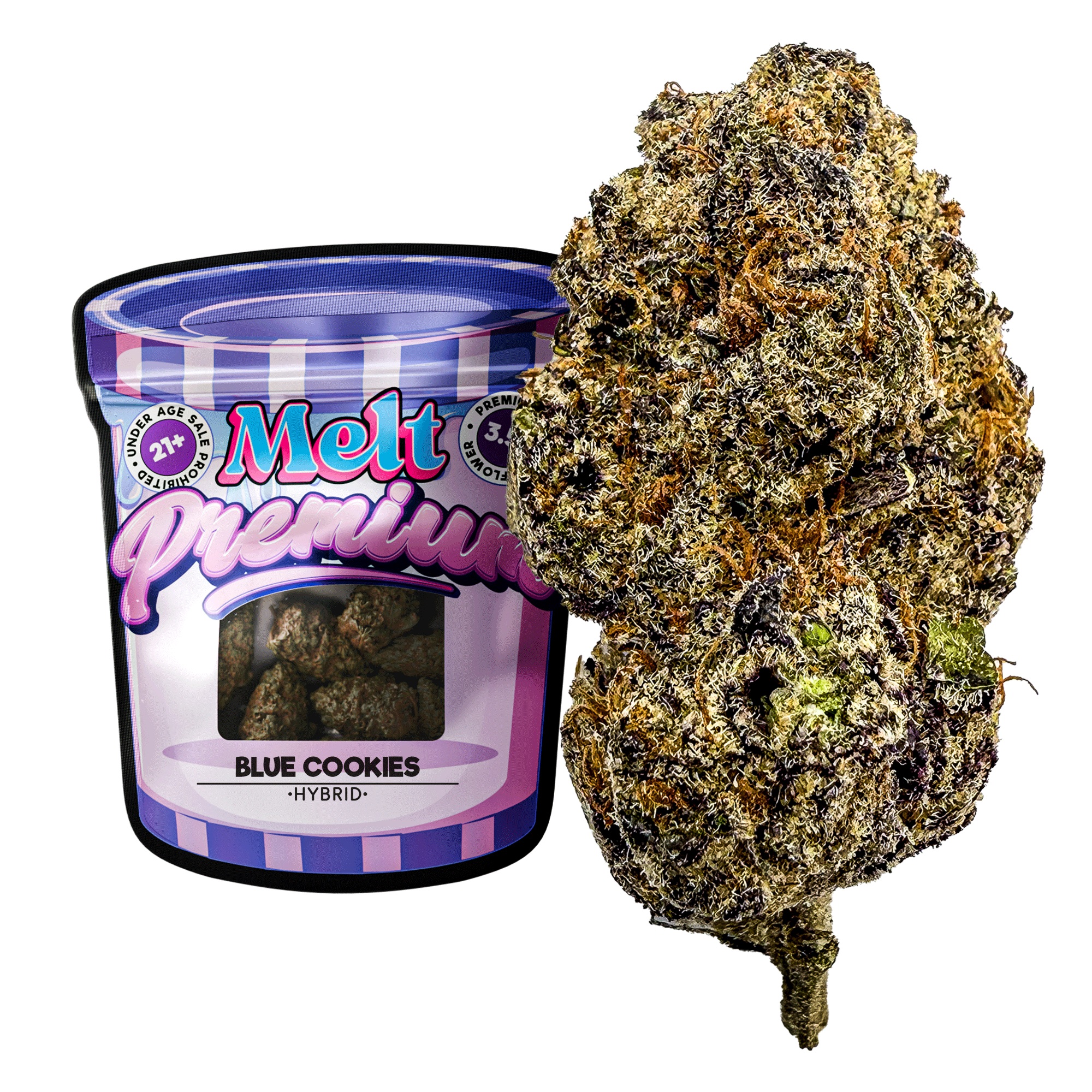
A brand like Melt fits that need. For an adult customer who wants premium legal hemp products without the usual guesswork, the appeal is practical: clear product categories, strain-led flavor, and visible third-party testing.
A careful buyer usually wants three things.
First, they want a clear lane for the product. Flower, preroll, vape, and gummies can all sit under the hemp umbrella, but they serve different purposes and produce different timelines. Shopping goes better when that difference is obvious up front.
Second, they want consistency that holds from batch to batch. Hemp can vary a lot, especially if the brand talks more about aesthetics than test results.
Third, they want the sensory part of cannabis to feel intentional. Aroma, texture, cure, and terpene profile all shape the session. That matters even more with THCA hemp, because the experience can move from mild curiosity to full intoxication once heat enters the picture.
Melt’s lineup is built for that more selective customer. The catalog includes THCA flower, Duo prerolls, AMF Blend all-in-one devices, and Melt Bites gummies, all presented with a polished Southern California identity and the brand’s “exotics with local vibes” positioning.
The best fit is usually the shopper who already knows what they care about and wants fewer surprises at checkout.
That last group deserves extra attention.
The biggest blind spot in modern hemp is the gap between legal wording and real-world effects. A flower can be sold as hemp, test within federal limits on a pre-harvest basis, and still contain enough THCA to feel very much like cannabis once smoked. If a brand does not explain that clearly, the customer ends up doing the risk assessment alone. That is how people get caught off guard by psychoactive effects or assume, incorrectly, that “hemp” means no drug test concern.
Melt appears aimed at buyers who want more structure than that. An age-gated, compliance-focused storefront and shipping limits where prohibited are the kinds of guardrails serious shoppers should expect.
THCA flower works a bit like cake batter in an oven. Before heat, the chemistry reads one way on paper. After heat, it becomes something else in practice. That conversion is the point many hemp guides rush past, even though it changes the experience, the impairment risk, and the testing risk.
A brand selling THCA products responsibly should do more than repeat the phrase “legal hemp.” It should show the lab work, separate product types clearly, respect restricted states, and make the likely session easier to understand before purchase.
Buy hemp from brands that help you choose intentionally before checkout.
If your preferences lean top-shelf, the right hemp brand should feel closer to a curated cannabis menu than a generic wellness shelf. Cleaner presentation helps, but clarity matters more. You want product pages that make the important information easy to find, especially if you are comparing THCA flower to CBD flower or deciding whether a stronger session fits your plans that day.
Melt’s positioning suits that kind of customer well. It is aimed at adults who want potent, flavor-forward sessions and who expect transparency to be part of the product, not an afterthought.
A few questions come up almost every day in the shop. Here are the short answers people usually need most.
| Question | Short Answer |
|---|---|
| Can you smoke hemp flower? | Yes. Hemp flower is commonly smoked in joints, pipes, or bongs. |
| Will hemp get you high? | Sometimes. CBD flower may feel mild, but THCA-rich hemp can become intoxicating when smoked. |
| Can THCA hemp fail a drug test? | Yes. If heat converts THCA into THC, drug test risk is real. |
| Is vaping better than smoking? | For many adults, vaping is a useful harm reduction option because it avoids combustion. |
| Does hemp smell like weed? | Usually yes. Smokable hemp flower can smell very similar to cannabis. |
If the flower contains meaningful THCA, yes, you should assume drug test risk. Don’t rely on the word “hemp” as protection. For practical purposes, if the session is psychoactive or could become psychoactive when heated, the safer assumption is that testing risk exists.
Very different.
CBD flower is usually chosen by people who want the ritual of smoking flower with less intoxication. THCA flower is for adults who want a more classic cannabis-style effect after heating. The two products can sit near each other on a menu and still produce completely different experiences.
For many people, yes. Dry herb vaping avoids combustion, tends to preserve flavor better, and may feel easier on the throat. Smoking is familiar and simple, but it’s harsher and less discreet.
You can, but use judgment. Hemp flower often smells just like cannabis, and not everyone nearby will know or care about the legal distinction. If you live with kids, pets, roommates, or sensitive neighbors, smoking outdoors or choosing a lower-odor option may be the more respectful move.
Buy from a transparent brand, read the COA, confirm whether the flower is CBD-led or THCA-led, and start with a very small amount. Most bad first experiences come from making assumptions instead of reading the chemistry.
If you want legal hemp products from a brand that takes testing, terpene quality, and compliance seriously, explore Melt. You’ll find craft THCA flower, Duo prerolls, AMF devices, and potent edibles backed by transparent lab reports and a clean California point of view.
Your cart is currently empty.