



Free Shipping All Orders Over $95
You’re probably doing what most careful buyers do now. You’ve got three or four tabs open, every jar claims to be “exotic,” every product page says “third-party tested,” and half the flower photos look good enough to buy until you realize none of that tells you whether the bud will smoke clean, match the lab sheet, or even arrive without problems.
That’s why a serious thca flower review can’t stop at aroma notes and a potency headline. True evaluation begins when you inspect the flower like a connoisseur and read the COA like a skeptic. Good THCA flower should look alive, smell specific, and show its chemistry clearly. If the product page talks about California dessert terps, the lab report should support that claim. If it promises compliant hemp, the Delta-9 line should prove it.
This review takes that harder route. I’m looking at appearance, structure, trichomes, flavor logic, effect profile, and the lab report details that separate polished flower from dressed-up hemp.
Late at night, with a product page open and a cart half-filled, this is the question that matters. Does Melt’s “California Exotics” label describe flower with real craft behind it, or polished branding wrapped around average hemp?
That distinction shows up fast with a brand like Melt. The pitch is specific. Southern California styling, dessert-and-gas flavor language, compliant THCA hemp, and visible lab documentation. Those are the right claims to make to experienced buyers. They also invite closer scrutiny, because each one can be checked against what arrives in the jar and what appears on the COA.
Melt’s appeal is not just raw THCA content. Plenty of brands can post a strong cannabinoid number. What separates better flower is coherence. The appearance should fit the cultivation tier. The aroma should show strain identity instead of generic sweetness. The lab report should support the flavor story with terpene detail and confirm the product was screened for the usual safety concerns.
That is the frame for this review.
I start with four practical tests:
Practical rule: Packaging can attract attention. The flower and the COA have to justify the price.
With Melt, the interesting part is the intersection between marketing and chemistry. “California exotic” is a style cue, but it is also a testable claim. If the brand suggests gelato cream, candy fruit, sherbet citrus, or sharp gas, I expect to see terpene markers that support those descriptions rather than a flat report with little beyond a headline potency number.
That makes this review more useful than a simple strength ranking. I’m reading Melt’s lab reports line by line, then checking whether the flower’s look, nose, and eventual session line up with what the paperwork promises. For experienced buyers, that is where quality gets separated from presentation.
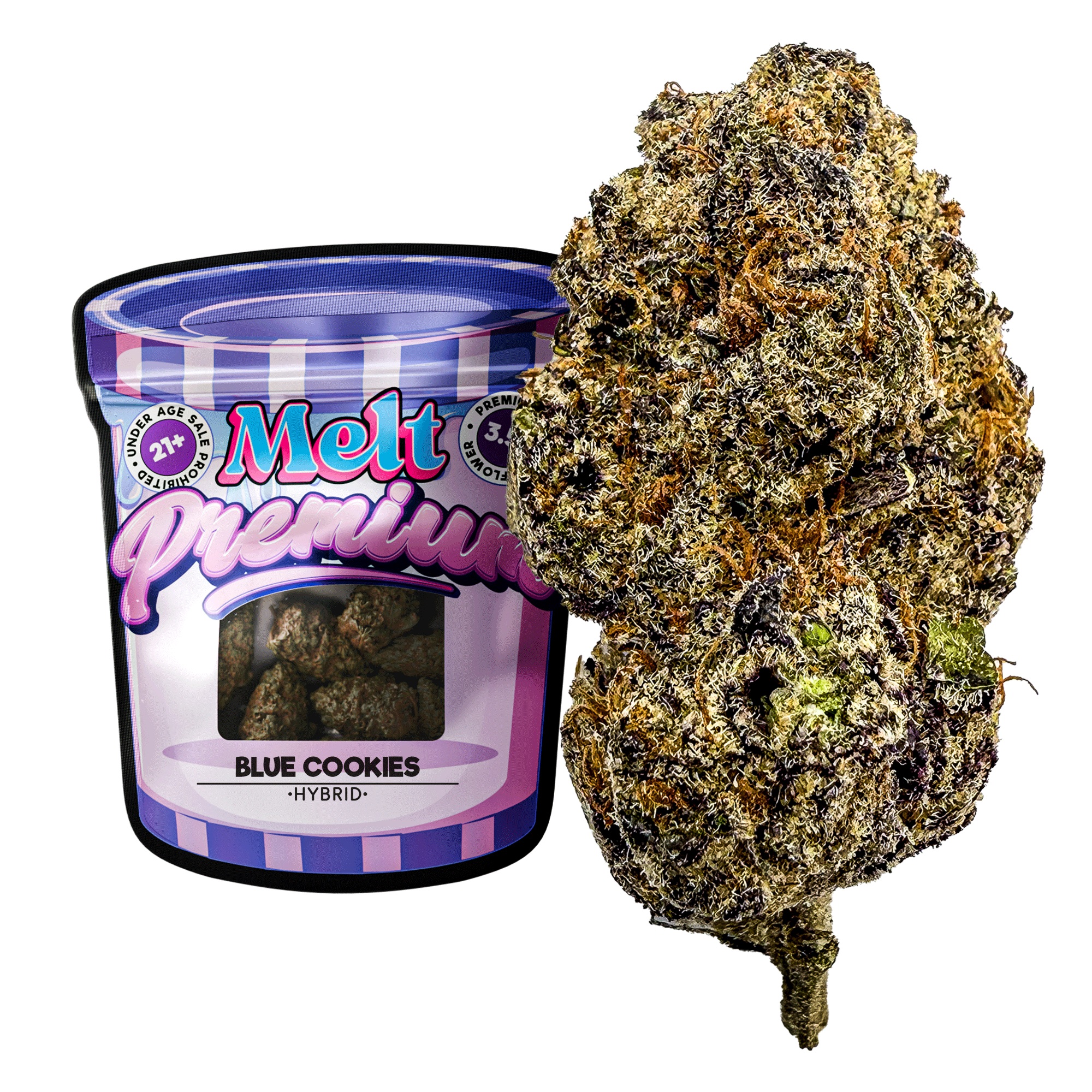
A jar earns its keep in the first ten seconds after the seal cracks. I want an immediate aromatic release, some tack on the fingers, and buds that look alive rather than showroom-staged. Premium flower should show that it was stored correctly, cured with patience, and handled by someone who understood how easy it is to lose resin.

Melt’s presentation lands in the polished, high-end lane. The useful question is whether the flower inside supports the “California exotic” pitch. On a good batch, that answer starts before the grind. The nose should arrive in layers. Candy fruit with a solvent edge. Cream backed by citrus peel. Gas cut with pepper or pine. If the aroma reads as one flat sweet note, the branding is doing more work than the cultivar.
Structure gives away a lot. Well-grown indoor flower usually carries defined calyxes, a trim that preserves the shape of the bud, and visible resin across the flower itself rather than only on the outer leaf. Some genetics naturally grow tighter and denser, while others keep more spring. I judge whether the bud looks true to the strain and properly cured, not whether it feels like a pebble.
Trichome coverage is the first thing I inspect under light, and a loupe helps if you have one. Intact heads, even distribution, and a greasy, crystalline finish usually point to better handling and stronger cannabinoid retention. Rubbed-off resin, bald patches, or a dull surface often mean the flower was overhandled, over-dried, or trimmed too aggressively.
A quick buyer’s check looks like this:
The goal is simple. The flower should look prepared for combustion and flavor, not for a product photo.
Color is one of the easiest places to get fooled. Purple tones can come from genetics or temperature. Bright green can look attractive and still smoke thin. What matters is contrast, resin presence, and whether the visual character matches the expected profile of the strain.
Strong flower often shows layered greens with rust or orange pistils, occasional violet accents, and a natural sheen that catches light without looking dusty. I put more weight on the resin field and the condition of the calyxes than on dramatic coloration.
Density also needs context. Indoor flower often presents with tighter formation, but density alone is not proof of quality. Some of the best jars break apart with a slight spring and a sticky pull because the cure was controlled well. Buds that are too hard can signal compression or over-drying. Buds with a damp center or spongy feel usually point to a sloppy finish and a rougher burn.
| Visual check | What you want | What to avoid |
|---|---|---|
| Surface resin | Even coverage on the calyxes, visible intact frost | Patchy sparkle, rubbed spots, resin concentrated only on leaf |
| Moisture feel | Slight give with a tacky exterior | Crispy shell, wet center, or limp texture |
| Break apart | Sticky pull, defined fiber, aroma release | Dusty crumble or a moist tear with little scent |
| Trim | Precise, with preserved structure | Excess leaf, shaved contours, or machine-rounded buds |
Aroma exposes shortcuts fast. Fresh, terpene-rich flower should separate into identifiable notes as the jar airs out and the bud is broken open. That matters with Melt because “exotic” is not just a style word here. It is a claim that should line up with the terpene chemistry shown on Melt’s official lab reports page.
If the brand is selling sherbet citrus, dessert cream, candy fruit, or sharp gas, I want those cues to show up in the jar before I ever read the COA. Limonene should suggest peel or brightness. Caryophyllene should bring pepper, warm spice, or a little bite. Myrcene can fill in the sweeter, softer body of the aroma, while linalool or humulene can shift the profile toward floral or herbal territory. The flower does not need to be loud to be good. It does need definition.
That distinction also helps spot dressed-up hemp. Sprayed flower often smells detached from the bud itself, with a perfume-like top note that sits on the surface instead of developing from the grind. Properly grown THCA flower smells integrated. The aroma is in the resin, not floating above it.
A careful visual inspection will not confirm safety or potency on its own. It will tell you whether the flower looks and smells like a batch worth verifying line by line.
Late at night is when a lot of online flower buys happen. A jar looks great on the product page, the strain name sounds expensive, and the THC number grabs attention. That is exactly when the COA matters most, because the report is the only part of the listing that has to answer to a lab.
I read a flower report in the same order the lab presents it. Header first. Cannabinoids next. Terpenes after that. Safety panel last. If any one of those sections is missing, outdated, or disconnected from the product page, the batch loses credibility fast.
A practical starting point is Melt’s own THCA flower lab reports page, because easy access to batch documents is part of the quality signal.

The first pass is simple. I check whether the strain name on the COA matches the exact product listing, whether the batch or lot ID is visible, which lab ran the test, and when the sample was tested.
Those details sound mundane, but they catch a lot of weak listings.
A clean header tells you the report belongs to the flower in your cart, not to some older batch with better numbers. Testing date matters for a second reason too. Fresh flower changes with storage and time. Terpenes fade, moisture shifts, and an old report stops being a useful snapshot of the jar you are about to buy.
If a seller makes the COA hard to find or gives you an unlabeled screenshot instead of a full report, treat that as part of the review.
After the header, I go straight to the cannabinoid panel. Buyers often isolate the THCA line and ignore the rest. That is a mistake, especially with hemp-derived flower sold under the federal Delta-9 threshold.
Three lines matter most:
High numbers are attractive, but they are not self-validating. Premium flower often sits in a strong THCA range without looking exaggerated on paper. If a result looks unusually inflated, I want the rest of the report to feel tight and believable. Clean sample IDs, a real terpene panel, and full contaminant screening all support that potency claim. Without those, a big percentage reads more like marketing than chemistry.
I also compare the lab results to the product story. If Melt positions a strain as a California-style exotic with dense indoor appeal, the cannabinoid strength and overall presentation should support that description. The COA does not tell you everything about cultivation quality, but it should not contradict the sales pitch.
This is the part I care about most in a premium flower review, because terpene data lets you test the romance against the chemistry.
If a strain is sold as candy gas, sherbet citrus, creamy dessert, or fruit-forward exotic, the terpene panel should give you a plausible reason for those notes. Limonene supports citrus peel and brightness. Caryophyllene brings pepper, warmth, and that sharp edge many smokers read as gas. Myrcene can thicken the profile and push it toward ripe fruit, musk, or a heavier body tone. Linalool and humulene can shift the aroma toward floral, herbal, or dry woody accents.
I am not looking for a terpene panel to read like a perfume label. I am looking for alignment.
| COA terpene pattern | Likely result in the jar or session |
|---|---|
| Limonene near the top | Brighter nose, citrus lift, cleaner top notes |
| Myrcene-led profile | Fuller aroma, softer fruit, denser body feel |
| Caryophyllene in the lead group | Pepper, bite, warm finish, stronger gas impression |
| Several terpenes present in meaningful amounts | More layered, believable exotic character |
That is how you pressure-test the phrase “California exotic.” If the terpene panel is thin or generic, the copy is doing too much work. If the panel shows a layered mix that matches what you smell and taste, the branding has support.
A potency-only COA is incomplete. Flower is an inhaled product, so the contaminant panel matters just as much as the cannabinoid panel.
I want to see clear results for:
The report should show actual pass or non-detect style results, not vague “lab tested” language on a product page. Missing safety data forces the buyer to assume too much. For premium flower, that is not good enough.
Good COAs do more than confirm potency. They verify identity, show legal compliance on the raw flower, explain whether the advertised flavor profile has real terpene support, and document that the batch cleared basic inhalation safety screens. That is the difference between buying a strain name and buying a tested product.
Friday night, clean grinder, fresh bowl, lab report still open on the laptop. That is the moment a THCA flower review gets honest. The jar either confirms the paperwork or it exposes the gap between marketing and material.
This part of the review is sensory, but it is not guesswork. I want the aroma, flavor, onset, and finish to line up with the terpene panel and cannabinoid range already shown on the COA. If Melt calls a strain a California exotic, the session should show real terpene layering, not just sweetness and a hard hit.
I test flower two ways. Dry herb vaporization shows terpene definition with far less combustion noise. Smoking still matters because it reveals cure quality, throat feel, and whether the flavor survives heat or falls apart.
Top-shelf THCA flower has progression.
The first pull should present a clear leading note. Citrus peel, cream, grape skin, pepper, gas. On the exhale, a second note should appear instead of a flat fade. Then the effects should settle in with some order. Head first, body second. Or body first, then mental quiet. Either pattern can work if it feels coherent.
That coherence matters more than headline potency. I have had flower with lower published THCA feel richer and more complete because the terpene expression stayed intact from nose to finish. I have also had high-THCA flower that looked great on paper and tasted empty by the third draw.
Strong flower gets your attention. Well-built flower keeps it.
Batch names change. The useful comparison is style, chemistry, and how the session develops.
This is the profile that usually carries the strongest “exotic” branding, so it needs the most proof. In the jar, I expect cream, ripe fruit, sugar, and a low fuel note underneath. If the earlier terpene panel showed limonene with caryophyllene and supporting sweet-fruit terpenes, that combination should translate into a rounded inhale and a slightly spiced, gassy exhale.
Through a vaporizer, dessert hybrids often give the best flavor separation. The sweet note arrives first, then the warmer finish shows itself a second later. Through smoke, the test is whether that pastry-like profile stays soft or turns sharp. If it gets acrid quickly, the cure or moisture content was not dialed in well enough for a premium jar.
Effects usually start with a quick change in mood and then settle into the torso and shoulders. Good versions feel social, calm, and easy to pace. Poor versions feel sugary on the nose, generic on the palate, and heavier than the terpene structure suggested.
A bright strain has less room for error. Freshness has to be there from the first crack of the seal.
I want a real citrus edge, not vague candy sweetness. If limonene leads and the supporting terpenes are still present in meaningful amounts, the profile should read as peel, tart fruit, fresh resin, maybe a little floral lift. In vapor form, that kind of flower usually feels the cleanest and most precise. Combusted, it can lose some elegance, so harshness is easier to spot.
The effect pattern should be quick and clear. Mental lift first. Body support after. The trade-off is familiar. Bright strains can sharpen focus and conversation, but if the terpene profile is thin or the harvest is too dry, they can feel short, edgy, and one-dimensional.
This lane should announce itself early. Deeper aroma. More bass than treble.
Dark fruit, earth, spice, herbal warmth, and a denser texture in the smoke usually point toward a more settled session. In a vaporizer, I look for sweetness on the first draw and a slower, warmer body note after that. In a joint or bowl, richness matters more than brute force. A muddy finish usually means the flower has potency without refinement.
The better evening flowers relax in sequence. Jaw unclenches. Shoulders drop. Internal chatter slows. That order matters. Immediate mental fog with no flavor depth often reads as blunt strength, not quality.
| Strain Name | Type | Reported THCA % | Flavor Profile | Primary Effects |
|---|---|---|---|---|
| Dessert-style hybrid | Hybrid | Not specified publicly in this review | Cream, fruit, pastry, soft gas | Balanced mood lift, body ease, social calm |
| Citrus uplift strain | Sativa-leaning or hybrid | Not specified publicly in this review | Citrus peel, sweet tart fruit, light resin | Creative focus, brighter mood, lighter body |
| Evening comfort strain | Indica-leaning or hybrid | Not specified publicly in this review | Dark fruit, spice, earth, herbal depth | Full-body relaxation, slower pace, nighttime fit |
Heated flower and raw flower are different products in practice, even when they come from the same jar. Anyone buying THCA flower for non-combustion use should judge it by freshness, preservation, and handling, not just by how hard it hits after decarboxylation. Melt’s own guide on different ways to use THCA flower is useful context if you want to compare smoking, vaping, and raw applications before choosing a strain.
That distinction changes how I score quality. A flower that keeps its aroma in the grinder, tastes specific in a vaporizer, and avoids a rough finish usually reflects better post-harvest handling overall.
The best sessions show agreement across the whole chain. The jar aroma matches the first draw. The first draw matches the exhale. The exhale matches the effect curve. That is what separates premium THCA flower from flower that is only photogenic.
The misses are easy to spot once you know what to watch for. Loud numbers, weak nose, hot smoke, short finish. Those jars can sell on strain name alone, but they rarely earn a second purchase from anyone reading the COA and paying attention in the session.
Friday night is a good stress test for any premium jar. You crack it open after dinner, expecting a polished California exotic profile, and the session either tracks with the label or falls apart in the first few pulls. With Melt, the right approach is to treat each strain like a specific tool. The COA gives the first clue. The terpene spread tells you whether that bright candy-fruit pitch is likely to vape clean and energetic, or whether the batch is better saved for slower evening use.

Good use starts before the first inhale. Check the label for THCA strength, then read the terpene panel if Melt provides one for the batch. A flower testing high in THCA but carrying a flatter aromatic profile can still hit hard, but it rarely delivers the layered flavor people expect from a top-shelf exotic. If the marketing promises candy gas, tropical cream, or sharp citrus, I want to see terpene support for that claim rather than a generic potency headline.
The easiest mistake is using premium flower with no plan. That wastes the best part of the product, which is precision.
A practical rotation looks like this:
For a broader format breakdown, Melt’s guide to different ways to use THCA flower is a useful reference for smoking, vaping, and raw use.
High-THCA flower is easy to overshoot, especially when the terpene profile adds intensity beyond what the cannabinoid number suggests. I judge the first round in three steps.
That pause matters. Some strains arrive fast through the eyes and temples, then settle into the body later. Others start soft and widen across ten to fifteen minutes. If you keep stacking hits, you stop learning what the flower does.
Session advice: Indoor craft flower often feels stronger than its percentage alone suggests because the terpene expression, moisture level, and cure all shape how forcefully the session comes on.
Poor storage ruins expensive flower faster than light use ever will. Heat burns off aroma. Dry air makes the smoke harsher. Repeated exposure to oxygen dulls both flavor and texture.
Keep the jar sealed in a cool, dark place and open it only when you plan to use it. That protects volatile terpenes and helps the flower keep its spring instead of turning papery and brittle.
| Storage habit | Likely result |
|---|---|
| Airtight jar in a cool, dark place | Better aroma retention and steadier texture |
| Frequent opening and warm-room storage | Faster terpene fade and drier smoke |
| Loose bag storage | Flattened nose and brittle flower |
A quick visual rundown can help newer buyers avoid rookie mistakes:
Price alone does not make a jar premium. The flower has to prove it in the grind, in the vapor, and in the ash. The best batches keep a clear line between what the brand claims, what the COA supports, and what the session delivers.
Buy top-tier flower if you care about flavor clarity, smoother combustion or vaporization, and a more reliable effect curve. Save money if you mainly want the genetics and acceptable potency at a lower cost. Small buds can be a smart buy. A luxury-priced jar with weak aroma, vague taste, or a thin finish is not.
A lot of THCA flower reviews stop at “federally legal under the Farm Bill.” That’s only half the buying reality. Legal theory matters at checkout, but practical legality matters after the package leaves the warehouse.
The federal framework is familiar. Hemp products can qualify when Delta-9 THC stays within the legal threshold in raw form. The problem is that shipping doesn’t happen in a vacuum. States interpret hemp rules differently, and enforcement doesn’t always mirror the clean logic of a product page.
Buyers need to think beyond potency and flavor. In 2025, USDA clarifications led to 12 states restricting THCA, and up to 40% of online orders were seized in Q1 to Q3 2025, according to Hemp Industry Tracker data summarized in Revelry Hemp’s discussion of THCA flower shipping risk. That’s one of the most important realities in the category, and many reviews barely touch it.
A premium jar isn’t much use if the package never lands.
That means buyers should check three things before ordering:
For a current brand-specific overview, Melt’s own state legality guide for THCA flower is the right place to check before ordering.
Responsible THCA retail should look adult from start to finish. That means age verification at entry or checkout, restricted shipping where prohibited, and packaging that protects privacy without making wild promises.
I treat age-gating as a mark of seriousness. It tells me the company understands that legal hemp isn’t the same thing as a free-for-all. The best operators build compliance into the shopping experience rather than tacking it on as a legal disclaimer.
A clean purchase experience isn’t just about convenience. It’s a signal that the company expects scrutiny and is prepared for it.
Keep it simple:
| Check | Why it matters |
|---|---|
| Verify your state rules | State policy can override your assumptions |
| Read the COA before paying | Confirms compliance and quality at once |
| Confirm age requirements | Serious brands enforce them |
| Buy with shipping realism | Even legal products can face route or state friction |
THCA flower sits in a legal category that rewards careful buyers. If you treat it like ordinary e-commerce, you can end up surprised. If you treat it like a regulated cannabis-adjacent purchase, you usually make better decisions.
Yes, if you buy THCA flower the way a connoisseur should. Not by hype, and not by THCA percentage alone.
What makes Melt worth considering is the combination that matters most in a premium thca flower review. The flower presents with the right visual cues, the lab-report framework is easy to verify, and the product story makes sense when you evaluate it through structure, terpene logic, and compliance. That’s the difference between a fashionable jar and a credible one.
This is best suited to the buyer who wants flavor first, wants potency second, and refuses to separate either one from clean documentation. If you only chase the highest number on the page, you can find alternatives. If you want a more complete product evaluation, this one earns attention.
Yes, it can. THCA converts to THC when heated, so smoking or vaping it can create the same practical drug-testing risk buyers associate with traditional cannabis. If testing is a concern, treat THCA flower as a risk product.
It can feel very similar when the flower is well grown and properly heated. The biggest difference at purchase is legal classification in raw form, not the basic experience after decarboxylation. What matters most in practice is flower quality, terpene preservation, and how the batch was cured.
Look for disconnects. Weak aroma with flashy visuals. No clear COA. Shallow terpene data. Buds that seem oddly coated rather than naturally frosted. Authentic flower usually has a more integrated look and smell, while dressed-up hemp often feels cosmetic.
Used raw, it doesn’t produce the same intoxicating effect associated with heated THC. That’s why some buyers explore raw applications separately from smoking or vaping. The moment you add heat, the experience changes.
For most experienced buyers, the better answer is both, with terpenes breaking the tie. Potency tells you the ceiling. Terpenes tell you the personality. If a flower has solid potency and believable terpene depth, it usually delivers a better session than a stronger but flatter batch.
If you want California-grown THCA flower backed by transparent lab testing, discreet shipping policies, and a polished lineup built for adult consumers, shop Melt and read the COAs before you buy. That’s the right way to purchase premium flower online.
Your cart is currently empty.