



Free Shipping All Orders Over $95
You're probably looking at a product page right now and seeing the same familiar claims: lab tested, premium oil, smooth hits, legal hemp. That language sounds reassuring, but it doesn't tell you much about whether a delta 8 carts disposable product is well made, accurately labeled, or worth your money.
The smarter approach is to verify the product yourself. That means understanding the hardware, checking the formulation, reading the COA instead of trusting the badge, and knowing when convenience is costing you more than it should. Adult buyers who do that tend to avoid the biggest disappointments in this category: weak hardware, vague ingredient lists, and marketing that sounds polished but says almost nothing.
A delta 8 disposable vape is an all-in-one device. It operates similarly to a sealed coffee pod system. You don't need to buy separate parts, fill anything, or thread a cartridge onto a battery before using it.
By contrast, a traditional vape cart is more like buying the grounds and the machine separately. The oil sits in a cartridge, and that cartridge attaches to a separate battery. According to TribeTokes' explanation of Delta-8 vape basics, a disposable integrates the battery and oil reservoir into one sealed device, while a cart is a replaceable reservoir that threads onto a 510-thread battery.

Most disposables use the same basic architecture:
That sounds simple because it is. Simplicity is the whole appeal.
Disposables became popular because they remove friction. There's no compatibility issue between a battery and cart, no setup, and often no button. Many are draw-activated, so you inhale and the device activates on its own.
Practical rule: If you want the least complicated format, disposable hardware wins. If you want flexibility and lower long-term cost, carts usually make more sense.
Some products in this category are fully sealed and meant to be used until empty. Others are still all-in-one devices but include charging ports, which helps the hardware last through the oil. Either way, the buying logic is the same: the device is sold as a complete unit, not as a modular setup.
The phrase delta 8 carts disposable mixes two different ideas. “Cart” technically refers to the removable cartridge format. “Disposable” refers to the all-in-one format. In everyday shopping language, people often use “cart” loosely to mean any vape product.
That's not a huge problem as long as you know what you're ordering. If the listing shows a built-in mouthpiece, integrated body, and no separate battery requirement, you're looking at a disposable. If the listing shows a threaded cartridge by itself, you still need a compatible battery.
You find a disposable online, the packaging says hemp-derived, and checkout looks easy. The pertinent question is simpler. Can that specific product legally ship to your address, and can you verify that the oil meets a reasonable safety standard before you inhale it?
That distinction matters because Delta-8 rules are split between federal hemp definitions and state-level restrictions. A product may be marketed under federal hemp language and still be restricted, blocked from shipment, or treated differently under state law. The Hemp Doctor's Delta-8 vape guide references the familiar federal threshold of less than 0.3% Delta-9 THC by dry weight, but that does not settle the question for buyers in practice.

Retail listings often make the federal argument prominent and treat shipping limits as fine print. A careful buyer checks the seller's restricted-state list, local rules, and any age-gating or product-category limits before ordering.
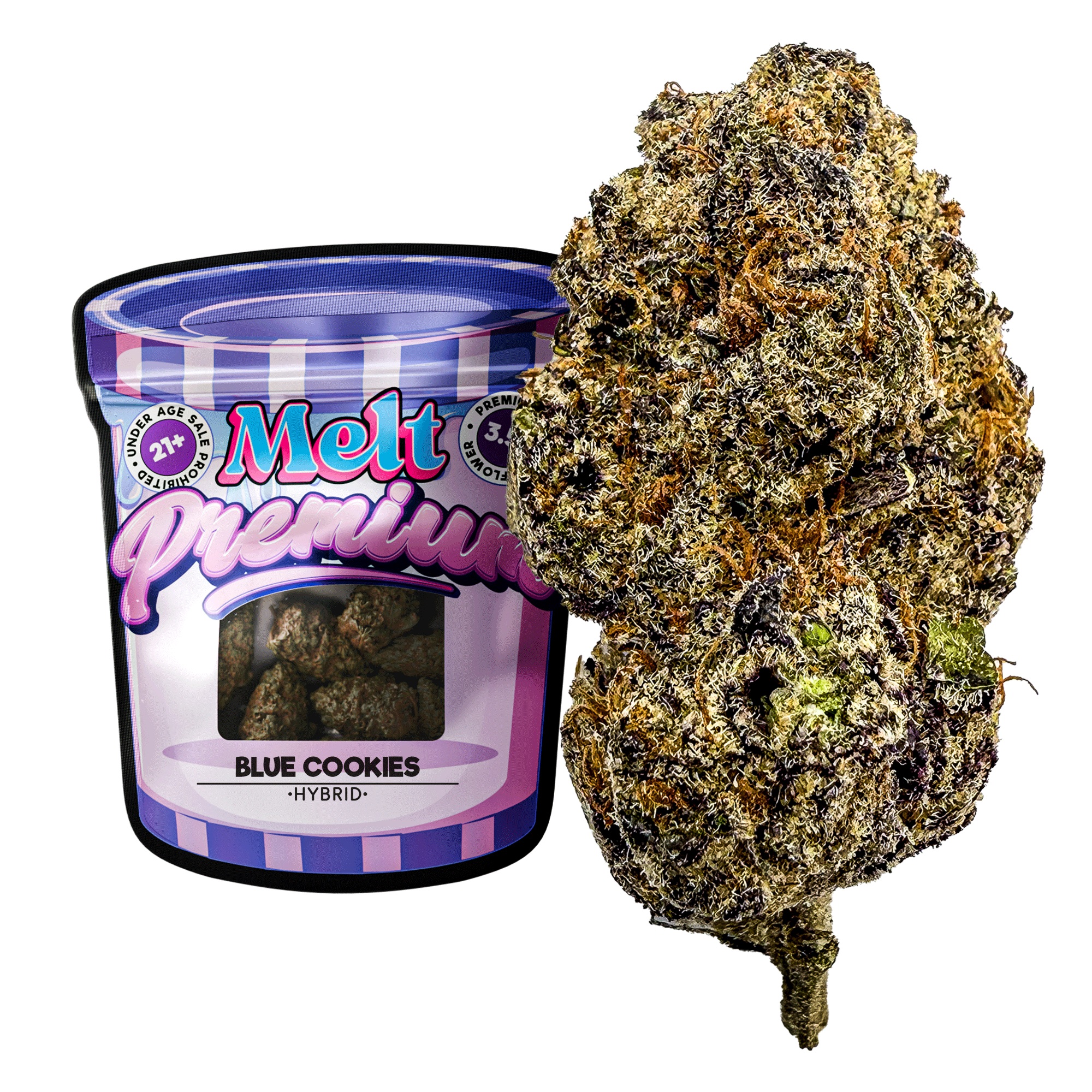
That check gets more important with inhalable products, which often draw closer scrutiny than other hemp formats. If you want a useful comparison point, Melt's guide to Delta-8 flower formats and compliance questions shows how the product type can change both legal treatment and buyer expectations.
A polished label does not tell you much about production quality. In Delta-8, primary safety questions are practical. What was used to make the oil, what else is in the formula, and is there batch-level testing that matches the unit in your hand?
I treat vague safety claims as a warning sign.
This category still has uneven oversight, so buyers need a verification habit. “Lab tested” on the box is not enough. A credible product should make it easy to confirm the batch number, review contaminant screening, and understand whether the formula contains only Delta-8 distillate and terpenes or a longer list of additives that deserves scrutiny.
Problems usually show up in a few predictable places:
The practical takeaway is straightforward. Check legality at the state level, then verify safety with documents, not slogans. That approach helps you filter out weak products before price or flavor even enters the decision.
Intelligent purchasing begins with scrutiny. Don't start with the flavor menu. Start with the evidence. A quality disposable should make it easy to verify what's in the oil, what isn't in the oil, and whether the brand has tied the product in your hand to a real batch document.

A Certificate of Analysis, or COA, matters only if it's batch-specific and connected to the exact product you're considering. According to JustKana's disposable vape guidance, reputable brands emphasize hemp-derived Delta-8 distillate and terpenes, avoid filler additives such as MCT oil, PG, VG, or vitamin E acetate, and provide batch-specific COAs that cover potency and contaminants.
When you open a COA, look for these basics first:
If the report is hard to find, expired-looking, or disconnected from the product page, that's not a minor inconvenience. That's the first warning sign.
A strong ingredient panel is usually boring. That's a good thing. You want a straightforward formula built around Delta-8 distillate and terpenes, not a mystery blend with filler language and no real detail.
Watch for these additives if they appear on a label or supporting material:
Those ingredients don't belong in a product because they make manufacturing easier or stretch a formula. Cleaner formulations tend to be more transparent about what they include and more direct about what they leave out.
What works: clear cannabinoid labeling, specific terpene disclosure, and a contaminant-tested batch report.
What doesn't: “proprietary blend,” missing batch data, or ingredient panels that need interpretation.
For buyers comparing low-cost devices, Melt's article on cheap disposable carts is a useful reference because price pressure is often where transparency starts to slip.
Good oil in weak hardware still creates a poor experience. You'll notice it fast: clogging, uneven vapor, weak airflow, or a battery that dies before the oil is finished.
A product page won't always tell you everything, but it should give you clues:
| Checkpoint | What to look for |
|---|---|
| Device type | All-in-one, pre-filled, clearly described |
| Charging info | Whether the unit is rechargeable |
| Airflow claims | Specific and believable, not just “smoothest ever” |
| Packaging details | Batch info, ingredients, and access to testing |
One brand example in this space is Melt, which offers all-in-one vape hardware in its hemp-derived lineup. That's relevant only if the product listing gives you the same essentials you'd expect from any serious option: clear formulation details and accessible lab documentation.
A quick visual explainer can help if you prefer to see the evaluation process in action.
Some phrases are harmless but unhelpful. Others are a signal that the brand is selling mood before substance.
Be cautious when you see:
A serious buyer reads the evidence in this order: COA, ingredients, hardware details, then flavor profile. Not the other way around.
You're standing at checkout with two Delta-8 options in front of you. One is a disposable that works right away. The other is a threaded cartridge that needs a separate battery. The better pick depends less on hype and more on how often you use Delta-8, how much control you want, and whether you're willing to check compatibility before you buy.
For occasional use, disposables are usually the simpler choice. For repeat use, reusable carts often make more financial sense over time. The trade-off is straightforward: a disposable removes setup, while a cartridge system gives you more control over hardware and replacement costs.
| Feature | Disposable Vape | Reusable Cartridge System |
|---|---|---|
| Setup | Ready to use out of the box | Requires a separate compatible battery |
| Upfront cost | Usually higher per device | Cart may cost less, but the first purchase includes a battery |
| Long-term value | Better for infrequent use | Better for repeat buyers |
| Portability | Fully self-contained | Portable, but you manage two pieces |
| Customization | Limited to the built-in hardware | More control over battery settings and cart selection |
| Waste profile | More hardware discarded with each purchase | Less hardware waste over time |
That table only helps if you read it like a buyer, not like a brand.
A disposable promises convenience, but you are locked into the hardware chosen by the manufacturer. If the airflow is too tight, the oil runs too thick, or the battery underperforms near the end, there is very little you can adjust. A reusable setup asks for more effort up front, but it gives you options. You can replace a weak battery, choose a voltage that fits the oil, and avoid throwing away a full device every time the extract is finished.
Disposables suit adults who want low friction and minimal setup. They work well for travel, occasional sessions, testing Delta-8 for the first time, or keeping a backup on hand without carrying extra parts.
They also reduce one common buying mistake. You do not have to match a cart to a battery or worry about thread compatibility.
Reusable carts are usually the better fit for frequent buyers. Once you own a reliable battery, replacing only the cartridge is often the more practical move. You also get more say in how the oil performs, especially if your battery has adjustable voltage and a proper preheat function.
That extra control matters. Some oils taste better and wick better at lower settings, while others need a bit more heat to avoid weak pulls.
The waste question matters too. A disposable combines oil reservoir, battery, and housing into one item that gets discarded together. A cartridge system still creates waste, but less battery waste if you keep the same device in service.
For a careful buyer, the best format is the one you can evaluate clearly. With a disposable, that means checking whether the brand tells you the fill amount, whether the unit is rechargeable, and what hardware style it uses. With a reusable cart, add one more checkpoint: confirm the cart and battery are compatible before you spend money.
Buying well is only half the job. Using the device properly affects flavor, consistency, and how likely you are to overdo it. Disposables feel easy because they are easy, but they still reward a little discipline.
For a first session with any Delta-8 disposable, take a small puff and wait before deciding whether you need more. A vape can feel subtle at first, especially if the terpene profile is smooth, and that's where people stack too many hits too quickly.
A measured approach works better than chasing an immediate effect. One controlled inhale tells you far more than a string of impatient pulls.
Oil viscosity changes with temperature. Excess heat can make the oil thinner and increase the chance of leaking. Cold conditions can thicken the oil and make airflow harder.
For daily storage, keep the device:
Those habits reduce clogs and help preserve flavor.
Store the pen like a small electronic device filled with oil, because that's exactly what it is.
A disposable vape contains more than leftover oil. It also contains a battery and electronic components. That means household trash isn't the right end point if you have access to an e-waste option or battery recycling channel in your area.
The cleaner habit is simple: use the device fully, separate it from regular waste if local rules allow, and take it to an appropriate electronics or battery disposal location when possible.
Most disposable problems are mechanical, not mysterious. A few quick checks usually tell you whether the device is recoverable or finished.
A clog usually happens because oil has thickened in the airway.
Try this:
If you want a deeper walkthrough, Melt's guide on how to unclog a disposable vape covers the process in more detail.
Check the obvious first. If the device is rechargeable, charge it and try again. If it's draw-activated, make sure airflow isn't blocked.
If a freshly opened device still won't fire after basic checks, it may be defective. That's why reputable sellers and clear support policies matter.
A burnt taste usually points to one of two issues: the oil is nearly gone, or the heating element has been stressed by repeated heavy draws.
Stop using it for a few minutes and try a gentler inhale. If the burnt taste stays, the device is often at the end of its useful life.
That varies by dose, tolerance, and individual metabolism. Inhaled products are usually felt faster than edibles, which is why pacing matters so much.
It very likely can. If testing is a concern, don't assume hemp-derived labeling protects you.
Shelf life depends on storage and hardware condition. A device stored upright, at room temperature, and away from light generally has a better chance of maintaining flavor and performance than one left in a hot car or drawer full of dust.
No. The category has expanded into 2g and 3g disposables and blends that include cannabinoids such as THC-P, as noted in Diamond CBD's discussion of Delta-8 disposable formats. Bigger capacity can be convenient, but it also makes ingredient transparency and careful lab-report reading more important.
Lab reports. Flavor is part of the experience. Verification is what tells you whether the experience is worth trusting.
If you want a California-minded hemp brand that puts a lot of emphasis on transparent testing, strain-driven flavor, and all-in-one hardware, explore Melt. Start with the products that clearly publish their lab reports, compare the formulation details, and buy the same way you'd evaluate any serious vape: evidence first, branding second.
Your cart is currently empty.