



Free Shipping All Orders Over $95
You're probably here because California's vape rules feel upside down. You see flavored disposables in stores, hear that many nicotine products are banned, and still find websites shipping vape devices into the state. That leaves one practical question. What's legal, and how do you avoid buying something sketchy?
From a California consumer education standpoint, the biggest mistake is assuming shelf presence means compliance. It doesn't. In this market, the safer approach is to separate restricted nicotine disposables from legal hemp-derived alternatives, then verify the product the same way you'd verify any ingestible product you put in your body.
A California shopper can walk into one store, see a flavored disposable behind the counter, then read online that many flavored nicotine products are restricted. That mismatch causes confusion fast. The clearest way to sort it out is to separate the rules for nicotine products from the safety questions surrounding hemp-derived alternatives.
California regulates nicotine and tobacco vapes through a flavor restriction tied to product listing status. Under guidance from the California Department of Public Health, retailers, online sellers, wholesalers, and distributors may not possess, store, or sell flavored tobacco products unless the product appears on the state's Unflavored Tobacco List, according to California's flavored tobacco law guidance. For a buyer, that means legality depends on more than the device in your hand. It depends on what is inside it, how it is classified, and whether it belongs in a lawful sales channel.

People often hear “flavor ban” and assume the state banned every vape that tastes like something. California law is narrower than that. The pressure falls on flavored tobacco and nicotine products, especially products sold with fruit, candy, mint, or other characterizing flavors outside the state's rules.
A disposable device works a lot like a bottle with no label at a farmer's market. The container tells you very little. What matters is what is inside, where it came from, and whether the seller can lawfully offer it.
That point matters even more now because restrictions have created space for counterfeit and gray-market products. Some products are made to look familiar on purpose. Familiar packaging can lower a shopper's guard, even when the product itself may be unlawful, poorly made, or impossible to verify.
Practical rule: If a flavored nicotine vape is being sold casually as if California rules do not apply, treat that as a signal to verify harder.
Hemp-derived cannabinoid vapes sit in a different category from nicotine and tobacco products. That distinction is where many consumers get tripped up. California's flavored tobacco restrictions target nicotine and tobacco. A hemp-derived disposable may still be sold if it is formulated, labeled, tested, and shipped within the applicable rules.
That does not give every hemp vape a free pass.
It means your checklist changes. Instead of asking only, “Is this flavor banned?” ask questions that screen for counterfeits and low-quality products:
If you need a baseline on who can legally purchase these products, this guide on California vape age requirements and legal purchase rules covers the age-gating standards adult shoppers should expect.
For consumers, the legal question and the safety question now overlap. A restricted nicotine disposable can show up in ordinary retail settings. A counterfeit hemp-derived vape can also be presented as legal because it uses hemp language on the package. Those are different problems, but they create the same risk. You end up trusting packaging instead of proof.
A better approach is to use a simple filter before you buy.
| Question | Nicotine disposable | Hemp-derived disposable |
|---|---|---|
| Main issue to check | Flavor restrictions and listing status | Authenticity, formulation, and test transparency |
| Common buyer mistake | Assuming store availability means lawful sale | Assuming “hemp-derived” on the label means legitimate |
| Better consumer move | Verify the product can legally be sold in California | Verify lab data, maker identity, and clear labeling |
That framework helps cut through the noise. In California, the safer purchase is usually the one that leaves a paper trail.
If flavored nicotine disposables are so restricted, why do shoppers still see them at smoke shops, gas stations, and corner retailers?
Because availability and legality are not the same thing.
A study conducted 4 to 7 months after California's flavored tobacco law took effect found flavored disposable vapes and or flavored JUUL pods in 50.3% of all vape shops studied, and among shops carrying any disposable vapes, flavored disposables appeared in 53.2% of them, according to the California retail violation study summary. The same study found no significant link between violations and proximity to college campuses or neighborhood demographics, which suggests the issue wasn't isolated to one type of community.
The common assumption is simple. “If it's sitting behind the counter, it must be allowed.”
That's the wrong read. In California, shelf presence can reflect weak compliance by a retailer, gray-market sourcing, or outright illicit distribution. A visible product may still be the exact kind of product the state intended to restrict.
This is also why flavor familiarity can be misleading. Many consumers still recognize the same categories and styles that became popular during the disposable boom. In the California Teens Nicotine and Tobacco Project online survey, 13.6% of participants reported current vape use, and the report says Puff Bar-like disposable devices and JUUL-like pod devices were the two most commonly used device types among current vapers. The report also noted that Puff Bar was among the most recognized vape brands, alongside JUUL, Blu, and Vuse, according to the California youth nicotine survey report.
The problem isn't just legal confusion. It's that a noncompliant vape often comes with weaker accountability. If the product isn't moving through a transparent channel, you may have no clear answer to basic questions like:
Seeing flavored options on the shelf doesn't prove they're approved. It often proves you need to slow down and verify before you buy.
For shoppers trying to compare taste options without drifting into unsafe territory, it helps to understand how brands describe and market vape pen flavors. The useful lesson isn't to chase a flavor name. It's to learn how flavor language often masks bigger compliance questions.
Individuals looking for disposable vapes California are often asking a retail question. “What can I still get?” The better question is, “What can I verify?”
That shift matters. Once you stop treating every displayed disposable as a valid option, the market gets easier to read. The legal and safer path usually isn't the loudest product in the case. It's the one with a traceable paper trail.
The safest way to shop in this category is to act like an inspector. Not a fan. Not a bargain hunter. An inspector.
That mindset matters because the counterfeit and illicit supply chain is large. In early 2024, federal officials seized more than 1.4 million illegal e-cigarettes valued at $18 million at Los Angeles International Airport, according to Los Angeles Times reporting on illegal e-cigarette seizures. When that much questionable product is moving through Southern California, buyers need a repeatable way to screen what they're holding.

Start with the packaging before you even think about taking a puff. A compliant hemp-derived vape should look like a product made for regulated adult commerce, not a mystery item.
Look for these signals:
A counterfeit product often fails at the basics. Spelling issues, blurry print, no business identity, and no batch information are all warnings.
A QR code on the package is only useful if it resolves to something real. Some fake products include a code because buyers expect one. The code leads nowhere useful, or it sends you to a generic landing page with no report tied to your item.
A real check is simple:
If you want a clear primer on what those reports should contain, this guide on how to read a Certificate of Analysis is worth reviewing before you buy.
Buyer mindset: Don't ask whether the package has a QR code. Ask whether the QR code proves anything.
| What you see | Better sign | Warning sign |
|---|---|---|
| Product label | Specific cannabinoid content and maker info | Vague claims with no accountable company |
| QR code | Batch-linked report | Dead link or generic homepage |
| Packaging | Clean print and consistent seals | Misspellings, loose fit, or relabeling |
| Seller response | Clear answers about origin and testing | Evasive or dismissive answers |
You don't need to be an expert to pressure-test a product. Ask the seller direct questions.
A legitimate seller won't act offended by those questions. A shaky seller often will.
If packaging tells you whether a product looks professional, a Certificate of Analysis, or COA, tells you whether the brand is willing to prove what's inside. For inhalable products, that proof matters more than the flavor name, the hardware finish, or the marketing copy.
That's especially important in a category with strong demand from younger adult users. A peer-reviewed study of vape shop customers found that disposable pod users were younger, with a mean age of 26.1 compared with 34.5 for users of other devices, and were more likely to use higher nicotine levels, according to the peer-reviewed study on disposable pod users. In a market where fast-moving products attract heavy use, verified potency and purity become basic consumer protection.

The first question a COA should answer is simple. Does this report belong to the product in your hand?
Check for a match on:
If those details don't line up, the report isn't useful. A brand can't borrow a random COA from a different run and expect that to count as transparency.
A good vape COA usually has several parts. You don't need chemistry training to use it.
This section tells you what active cannabinoids were detected. For hemp-derived vapes, you can confirm the product matches its label and appears aligned with the legal framework the seller claims.
If the package says one thing and the report says another, trust the report.
This is the part many buyers skip, and it's often the most important. You want to see testing for common contamination categories such as pesticides, heavy metals, and residual solvents. Inhaled products should not be treated casually. If a brand won't show this part of the report, that's a problem.
Terpenes affect aroma and product character. This section can also help you spot whether the product looks thoughtfully formulated or whether the branding is doing all the work while the documentation says very little.
A COA isn't a marketing extra. It's the document that separates “trust us” from “here's the evidence.”
Some reports are technically real but still not very useful. Be cautious if you notice:
A trustworthy inhalable product should survive ordinary scrutiny. If the report creates more questions than answers, move on.
You find a disposable vape online, the price looks good, the flavor name sounds familiar, and the website says it ships to California. That is the moment to slow down. In California, the bigger risk is often not a clearly labeled legal product. It is the lookalike device sold through a polished site with weak documentation, vague product language, or no real proof of testing.
Online shopping gives you one advantage a convenience counter usually does not. Time. You can inspect the seller before you pay, the same way you would inspect the foundation of a house before moving in. A trustworthy retailer makes that inspection possible.
Start with the seller, not the flavor photo.
A legitimate online store should show adult-use controls early, explain what category of product it sells, and make its policies easy to find. If you have to hunt for basic answers, treat that as information, not a minor inconvenience.
Use this quick screen:
The product page should work like the box in your hand. If key details are missing online, they will still be missing after the package arrives.
| Product page element | Better sign | Warning sign |
|---|---|---|
| Product type | Clearly identified hemp-derived formula | Unclear whether it contains nicotine or cannabinoids |
| Testing access | COA linked or easy to request | No mention of testing |
| Policies | Shipping and returns explained | Missing or hard to find |
| Compliance cues | Adult-use language and age gate | Casual access with little friction |
Counterfeit sellers often copy the surface details and skip the substance. They may use flashy strain names, stock images, or borrowed packaging concepts while leaving out batch details, full lab access, or plain-language ingredient information. That pattern matters. A real seller wants you to verify what you are inhaling.
California consumers are now dealing with a side effect of stricter rules. As certain products became harder to sell openly, more questionable sellers moved online and into gray channels. The result is a market full of devices that look familiar but give you very little to verify.
Be careful if you notice any of the following:
That last point matters more than it seems. Responsible sellers usually add friction in the right places. Age checks, shipping limits, and documentation requests can feel inconvenient, but they often separate a compliant retailer from a counterfeit funnel.
Buying online is only part of the decision. Adults also need to follow California rules on where these devices can be used. As noted earlier, the state restricts electronic cigarette use in many smoke-free places, including enclosed workplaces, health facilities, and cars with minors.
That means a smart purchase has two parts. First, confirm the product and seller are legitimate. Second, make sure your use stays within California law.
A random smoke shop can give you speed. A careful online retailer can give you records.
For inhalable products, records matter. You want time to compare listings, read policies, verify testing, and spot signs that a seller is treating compliance like a real business practice instead of a box to check. In a California market crowded with copied devices and vague online listings, that extra pause often leads to the safer choice.
When you strip away the noise, a reliable brand should do a few things consistently. It should tell you what the product is, publish or provide lab testing, explain how it ships, and avoid blurring the line between nicotine products and hemp-derived cannabinoids.
That's the standard adult consumers should apply to any brand in this space. It's also the easiest way to narrow the field when the disposable vapes California market feels cluttered with lookalike devices and vague labels.

A stronger California-facing hemp brand usually checks these boxes:
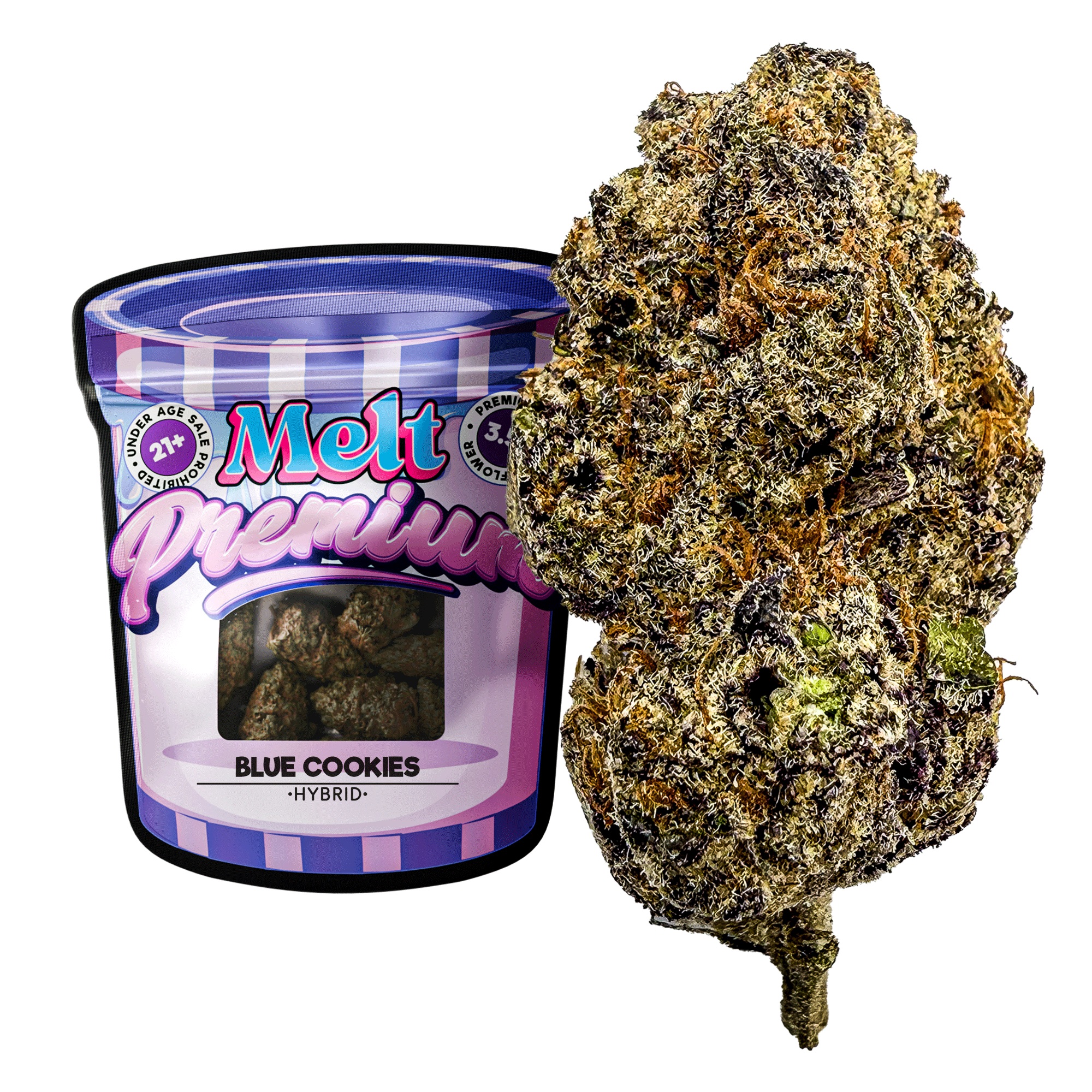
One example is Melt, a Los Angeles-based brand that sells hemp-derived products including rechargeable all-in-one vape devices and publishes product education around lab reports, age compliance, and category basics. That kind of transparency is the benchmark shoppers should expect from any company they're considering.
You don't need to memorize every California statute to shop smarter. You need a filter:
That's the practical path for adults who want legal, better-documented options without gambling on the counterfeit market.
If you want a California-based example of how a hemp brand presents age-gated shopping, product education, and lab-focused disposable options, browse Melt and review the product details before you buy.
Your cart is currently empty.