



Free Shipping All Orders Over $95
You're probably here because you're choosing between two very different cannabis experiences.
Maybe you want something fast and easy to control. Maybe you want something longer-lasting and smoke-free. Maybe you've tried one method before and had a great time, or had way too much, and now you want a clearer answer before your next session.
That's a smart question. The main difference in edibles vs smoking pros and cons isn't just convenience or preference. It starts with how your body handles cannabis. The same plant can feel very different depending on whether you inhale it or eat it, and a lot of the confusion people have comes from not knowing why.
A common scenario goes like this. Someone has a free evening, a product in front of them, and one simple question: should I take a gummy or light up?
The answer depends less on what sounds stronger and more on what kind of experience you want. Smoking or vaping usually gives feedback quickly. Edibles ask for patience, but they can stay with you much longer. For some people, that makes edibles ideal. For others, it's exactly why they'd rather inhale and adjust in real time.

What makes this decision tricky is that people often compare the two as if they're just different delivery formats for the same result. They're not. Once cannabis enters the body, the route matters. It changes how fast effects arrive, how long they last, and often how the experience feels.
Most consumers aren't asking, “Which one is better?” They're asking more practical questions:
That's where this guide helps. Instead of giving you a shallow list of pros and cons, it explains the body chemistry behind the difference. Once you understand that, the practical choice gets much easier.
The best method usually isn't the “strongest” one. It's the one that matches your timing, tolerance, setting, and goals.
The biggest difference starts with the route your THC takes.
Smoking or vaping is like a direct flight. Edibles take the scenic route, with a major stop in the liver. That stop changes the compound you feel.

When you smoke or vape, cannabinoids move through the lungs and into the bloodstream very quickly. From there, they reach the brain fast. That's why inhaled cannabis tends to feel almost immediate compared with edibles.
This quick feedback loop is a big reason many people find inhalation easier to manage. You take a puff, pause, and notice how you feel. If it's enough, you stop. If not, you can add a little more.
Edibles work differently. The THC first moves through the digestive system, then passes through the liver before the full effects are felt. According to this explanation of edible onset and duration, inhaled cannabis usually reaches the bloodstream within minutes, while edible cannabis typically takes 45 minutes to 3 hours to feel effects. Once active, edible effects can last 8 to 12 hours, with some residual effects lasting up to 24 hours.
That delay creates the classic edible mistake. A person feels nothing after a while, assumes the dose was weak, takes more, and then gets hit by both doses later.
The liver doesn't just delay the experience. It also transforms THC into 11-hydroxy-THC. This metabolite is more potent and longer-lasting than delta-9-THC, which helps explain why edibles often feel heavier, fuller, and more body-centered.
People get confused here because they expect the edible to feel like smoking, just slower. In reality, it can feel like a different kind of high. Not necessarily better or worse. Just different.
Practical rule: If smoking feels like turning a dimmer switch in real time, edibles can feel more like setting a timer and waiting for the room to change all at once.
A lot of users also want a simple answer to how long that change might last. A separate guide on how long edibles last can help if you're planning around sleep, work, or a full evening.
Here's a simple side-by-side summary of the body process:
| Step | Smoking or Vaping | Edibles |
|---|---|---|
| Entry route | Lungs | Digestive system |
| Speed to bloodstream | Fast | Slower |
| Major processing site | Lungs to blood | Digestion and liver |
| Main feel | Quick onset, easier to gauge | Delayed onset, longer and often stronger |
| Why it feels different | Rapid delivery | Conversion to 11-hydroxy-THC |
A quick visual can make that easier to picture:
Once you understand the body pathway, the user experience makes more sense. The differences aren't random. They follow from speed, metabolism, and how easy each method is to adjust in the moment.

| Feature | Smoking / Vaping | Edibles |
|---|---|---|
| Onset | Fast | Delayed |
| Duration | Shorter session | Longer session |
| Control | Easier to adjust puff by puff | Harder to judge before effects arrive |
| Experience style | More immediate and responsive | More gradual, then deeper and more sustained |
| Best fit | Quick relief or short social use | Long evenings, discretion, or sustained effects |
Smoking usually wins on speed. If you want to know how you're going to feel soon after consuming, inhalation is the clearer option. That makes it useful for people who don't want to commit to a long ride.
Edibles demand planning. They make more sense when you have time, a comfortable environment, and no need for rapid course correction.
Smoking is often easier for people who like fast feedback. Edibles are better for people who value staying power over immediacy.
This is often the deciding factor. Smoking tends to fit a shorter window. You can enjoy it, feel it, and move on sooner. Many adults prefer that when they're winding down for a bit but don't want effects stretching across half a day.
Edibles fit the opposite need. If someone wants a long, settled experience without re-dosing, an edible often lines up better. That can be a benefit, but it also means mistakes last longer.
People often describe smoked cannabis as more immediate and easier to read at the front end. You notice the change quickly. The experience can feel more interactive because you're adjusting as it unfolds.
Edibles can come on in layers. At first, maybe very little. Then more. Then a strong body effect, a heavier sense of time, or a more immersive high than expected. That's one reason people sometimes say edibles “hit different.” They do, because the chemistry is different.
Smoking provides a practical advantage for many users. Inhalation allows more moment-to-moment control. One puff might be enough. Another person may want a few. The point is that the body gives feedback quickly.
Edibles are harder to fine-tune in real time. Once you swallow them, you're waiting. That doesn't make them bad. It just means they reward patience and punish impulsive re-dosing.
If inhalation is your preferred route, a practical primer on how to vape weed can help you approach that method more carefully and cleanly.
This category often surprises people. Smoking can be ritualistic and social, but it also has smell, gear, and setting considerations. You need a place where inhalation makes sense.
Edibles are simpler in some situations. They don't produce smoke, and they're usually easier to take discreetly. That's a major reason some adults keep them for travel days, evenings out, or low-key use at home.
If you're torn, ask yourself these questions:
No method wins every category. Each one solves a different problem.
The health trade-off is straightforward at a high level. Smoking involves combustion, which means respiratory exposure. Edibles avoid that route, but they create a different safety issue: people often take too much before they feel the first dose.
A review in Cannabis and Cannabinoid Research reported that 29.8% of adults in a nationally representative U.S. sample who had ever used cannabis had consumed it in edible or beverage form, and the same review noted that edible use does not appear to increase pulmonary function decline or cancer risk in the way smoking does. It also cited laboratory evidence from Colorado suggesting 1 mg of THC in an edible produced a behavioral effect similar to 5.71 mg of THC in smokable cannabis. You can read that review in the published paper on edible cannabis use and potency comparisons.
If someone wants to avoid smoke exposure, edibles offer a clear advantage. That's the appeal for many adults who don't want combustion in their routine.
But “smoke-free” doesn't mean “risk-free.” The biggest edible problem isn't lung irritation. It's delayed onset leading to overconsumption.
The review's potency comparison helps explain why people get surprised by edibles. Milligram for milligram, the experience may feel stronger than expected. Add delayed onset on top of that, and it's easy to see how users can overshoot their comfort zone.
That's why edible dosing should be deliberate. Read the package. Know how much THC is in a serving. Wait long enough before deciding whether you need more.
A cautious edible session usually feels uneventful at the start. That's normal. The mistake is treating “not yet” as “not working.”
For a practical framework, this guide on how to dose edibles is worth reading before trying a new product or a stronger format.
This choice gets easier when you stop thinking about product categories and start thinking about situations.
Smoking or vaping makes more sense when you want to feel effects sooner and adjust as you go. That includes people who prefer short sessions, people who are testing tolerance carefully, and people who enjoy the ritual of inhalation itself.
It's also often the better fit for social use. A shared pre-roll or a quick vape session can be easier to weave into an evening than an edible that may peak long after the moment has passed.
Good fits for smoking or vaping often include:
Edibles fit people who want a smoke-free option and don't mind planning ahead. They're often the better choice for someone settling in for the night, looking for long-lasting effects, or trying to avoid the smell and setup of smoking.
They can also work well for adults who don't enjoy inhaling anything at all. For those users, the delayed onset is part of the routine, not a drawback.
Strong use cases for edibles often look like this:
If you're new and nervous, smoking or vaping is often easier to read. If you're experienced, patient, and want effects to stay with you, edibles may suit you better.
Some people should slow down no matter which method they choose. That includes anyone with very low tolerance, anyone returning after a long break, and anyone trying a new product category for the first time.
Edibles deserve extra caution if you're impatient by nature. Smoking deserves extra caution if you're sensitive to inhalation or dislike throat and lung irritation.
The smartest choice is the one that matches your body, your timing, and your environment. Not your friend's recommendation. Not the strongest product on the shelf.
A good cannabis experience usually starts before the first puff or bite. It starts with setup.

Check the label carefully. Know whether you're dealing with an inhalable product or an edible, and make sure you understand the THC content and serving size.
Choose a setting that won't punish a stronger-than-expected experience. Home is usually easier than a crowded event. Water nearby helps. A calm schedule helps more.
Start with a small amount, then pause. Give yourself time to notice the effect before taking more. That simple pause is what makes inhalation easier to manage.
Also pay attention to product quality. Lab-tested flower and clean vape products reduce the guesswork. If something tastes harsh, feels off, or lacks clear labeling, skip it.
Patience is of utmost importance. Start low, take one measured serving, and wait. The common mistake isn't taking an edible. It's taking another one too soon.
Don't treat edibles like snacks. Keep them stored securely and clearly separated from regular food. That's especially important in shared homes.
“Start low and go slow” sounds basic, but it's still the most reliable edible advice because delayed onset tricks people into re-dosing too early.
Safe consumption isn't complicated. Most problems come from rushing, guessing, or taking more before your body has caught up.
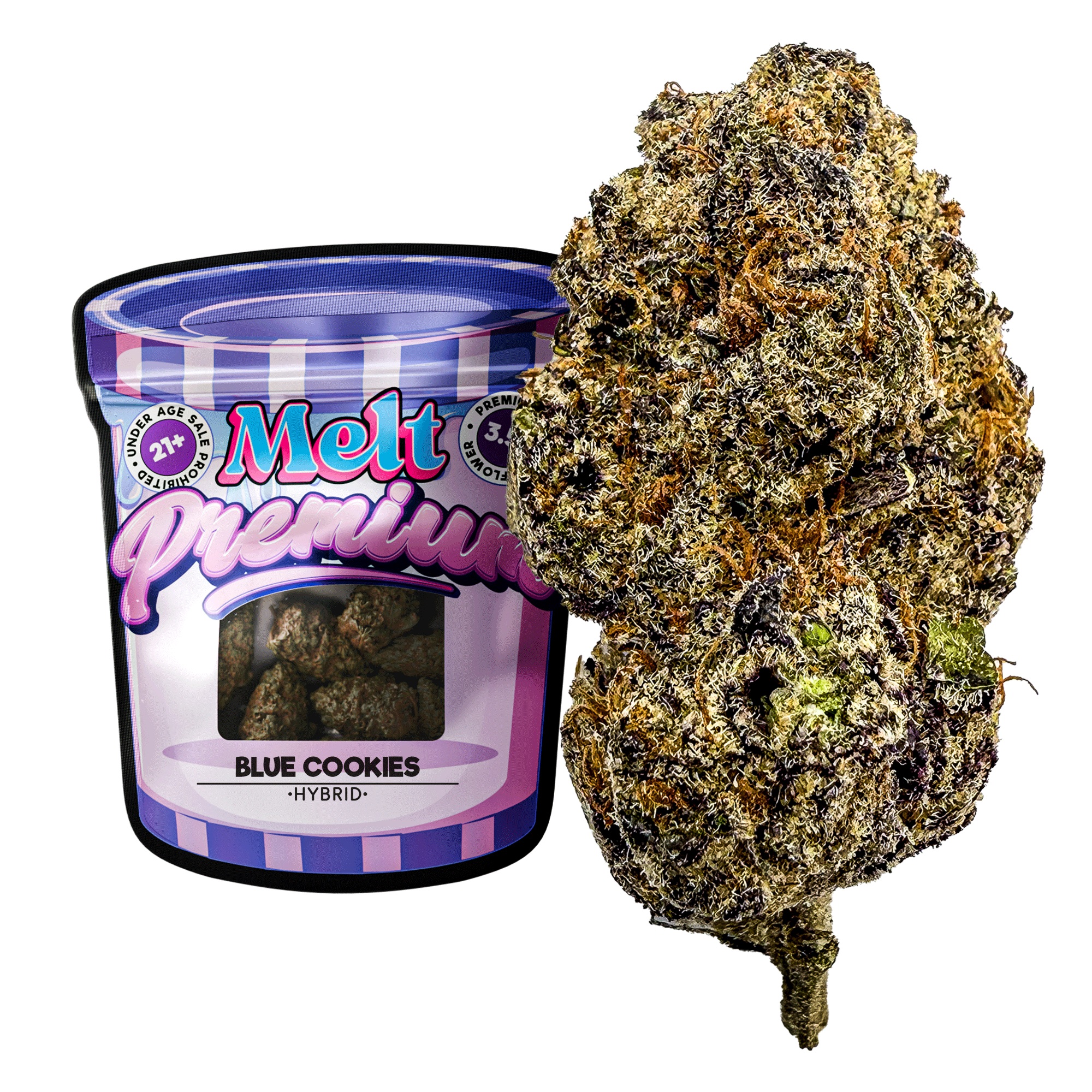
If you're looking for lab-tested flower, potent edibles, or a reliable place to learn more before you buy, Melt is worth exploring. The brand focuses on clearly labeled, California-crafted hemp products for adults who want strong effects, transparent testing, and a cleaner shopping experience.
Your cart is currently empty.