



Free Shipping All Orders Over $95
You've probably hit the same wall a lot of greenhouse growers hit. Outdoor gives you sun and flavor, but the crop can get pushed around by weather, pests, and humidity swings. Indoor gives you control, but the power bill, HVAC load, and flat overhead light can make every pound expensive.
That's why growing weed in greenhouse setups keeps pulling serious growers back in. A greenhouse lets you use the sun as your base input, then add control only where it matters. If you care about premium flower, not just bulk biomass, that trade-off matters. The whole game is building a stable environment that protects terpene expression instead of cooking it out, stressing it down, or letting mildew ruin it late.
The first mistake happens before the greenhouse goes up. A grower gets excited about genetics, benches, irrigation, and light dep, but skips the boring due diligence. Then local rules, site problems, or utility limitations choke the project before the plants ever get established.
Cannabis rules change by state, county, and city. Hemp-derived THCA flower adds another layer because cultivation, testing, finishing, and sale all sit under different compliance expectations depending on where you operate. Before you buy seed, clones, or a structure, confirm what's allowed on that property, what licensing applies, and what post-harvest testing standards you'll have to meet.
That matters more in a greenhouse than people think. A greenhouse is visible, permanent-looking, and operationally closer to a production site than a few backyard pots. If your local jurisdiction treats it that way, you need to know early.
Use a basic checklist:
A sunny location helps. It isn't enough.
Pick a site with clean direct exposure, solid drainage, reliable water, and enough room around the structure to move air and work comfortably. If the greenhouse sits in a low pocket that holds damp air after sunset, you'll fight mildew every flower cycle. If it's tucked behind trees that throw shade across the roof for part of the day, your canopy won't finish evenly.
Practical rule: The best greenhouse sites don't just collect sunlight. They shed moisture, avoid stagnant air, and make daily work easier.
This approach also makes sense on budget and operating efficiency. Industry estimates put greenhouse start-up costs at $75 to $90 per square foot, with production costs potentially as low as $215 to $220 per pound according to greenhouse cannabis cost benchmarks. The same source notes that indoor cultivation in some regions can be associated with more than 143 pounds of CO2-equivalent per ounce of dried flower because of electricity-heavy lighting and HVAC.
Not every greenhouse is built for the same result. Some are built to push volume. Some are built to grow clean, terpene-rich flower that still has shelf appeal after cure. Those are different operations.
If your target is top-shelf flower, plan around:
A greenhouse can be the sweet spot between indoor and outdoor. But only if you treat it like a precision environment from day one, not a sunlit shed with plants in it.
A premium greenhouse should work like a machine. Light enters cleanly. Air moves on purpose. Heat has somewhere to go. Moisture doesn't get trapped inside the canopy. If the structure fights you, every crop becomes a rescue job.
The frame and skin determine how much control you have. A cheap structure may save money up front, but if it leaks air where it shouldn't, overheats fast, or tears up under stress, quality falls apart.
Polycarbonate and glass each have trade-offs. Polycarbonate generally gives you better insulation and diffused light, which helps soften harsh direct sun and spread light deeper into the crop. Glass usually gives a cleaner, brighter transmission profile and a more permanent finish, but it can be less forgiving on insulation and cost. The right choice depends on your climate, your budget, and whether your real bottleneck is heat, cold, or light quality.

A greenhouse without intentional airflow design will always drift toward wet corners, hot zones, and disease pressure. You need intake, exhaust, and internal circulation working together.
Use a layered approach:
If odor control matters in your setup, fan selection and filtration need to be matched as a system, not bought piece by piece. A practical primer on that pairing is this guide to a carbon filter and fan setup.
Bad airflow doesn't always show up as obvious heat stress. Often it shows up as uneven flower, weak lower sites, and mildew that keeps returning to the same zones.
Light dep gives greenhouse growers one of their biggest advantages. You're not stuck waiting on the season to tell the crop when to flower. You can trigger bloom when the plants are ready, tighten harvest timing, and avoid some late-season environmental pressure.
Supplemental lighting is where a lot of growers overspend or underthink. The question isn't whether light helps. It's whether the added light solves a specific production problem. According to greenhouse lighting guidance for cannabis, advanced growers may use a checkerboard pattern to activate only part of the greenhouse during cloud cover, or add lower-canopy LED light bars so deeper bud sites mature properly.
That matters because premium flower doesn't come from a greenhouse roof alone. It comes from uniform maturation across the canopy.
The cleanest greenhouse still loses quality if the layout is awkward. Leave enough aisle space to inspect plants, prune properly, and move harvest carts without smashing branches. Keep irrigation, fertigation, and drain management easy to access. Put sensors where they reflect plant conditions, not just walkway conditions.
A high-performance greenhouse isn't just sealed and automated. It's readable. When something starts drifting, you should see it early and correct it fast.
The growers who pull loud, terpene-forward flower from a greenhouse usually aren't doing one magic thing. They're managing the relationship between temperature, humidity, airflow, irrigation timing, and canopy density so the plant stays active without drifting into stress.
The broad baseline is straightforward. Professional greenhouse growers typically aim for a daytime range of 70 to 85°F (21 to 29°C) and 40% to 70% relative humidity, adjusted by growth stage, according to greenhouse climate guidance from Seedsman. The mistake is treating those numbers like the whole answer.

Temperature by itself doesn't tell you much. Humidity by itself can mislead you. What matters is how the plant is transpiring.
When the canopy gets too dense, or irrigation runs too late, or fans cycle off too aggressively, the leaf zone can stay wetter than the room average suggests. That slows gas exchange, softens flower structure, and raises disease pressure. On the other side, if the greenhouse gets too hot and dry without enough root-zone support, plants can protect themselves by slowing transpiration and closing down.
That's why growers pay attention to VPD, even if they don't obsess over the term. You're really trying to maintain a climate where the plant keeps moving water and nutrients smoothly without being pushed too hard.
A young plant and a finishing flower crop should not live in the same environment. Seedlings and early veg generally want a gentler, less drying atmosphere. Flower wants tighter control, stronger air exchange, and less lingering moisture around the buds.
Use stage-specific logic:
For growers trying to understand why aroma and resin can shift with environment, this explainer on what terpenes are in weed is useful context.
Here's a practical walkthrough of climate thinking in action:
A stale greenhouse rarely produces standout flower. Fresh air supports active photosynthesis, helps carry away excess humidity, and prevents the canopy from becoming a damp pocket after irrigation or sunset.
Good growers don't just “have fans.” They tune fan behavior around weather, plant size, and time of day. If the afternoon sun drives heat hard, exhaust has to clear it before the plants taco and stall. If evening moisture rises after irrigation, circulation has to keep the leaf surface from staying wet.
Field note: Terpene quality often drops long before plants show obvious collapse. A greenhouse can look green and still be underperforming if the canopy spends too many hours hot, stagnant, or wet.
A key craft in growing weed in greenhouse conditions is learning to manage the whole climate rhythm. Sun-up, midday, sunset, and night all need different responses. Once you dial that rhythm in, the flower starts expressing what the genetics can do.
Walk a greenhouse in late flower and you can usually tell how the crop was handled in week two. Tight node spacing, even tops, clean understory, and buds that finish with aroma all point back to early decisions. Greenhouse flower gets judged hard on nose, texture, and bag appeal. Those traits are built long before harvest.
Seedlings and rooted starts need a stable start, not heroic feeding. Warm media, moderate moisture, and consistent light push faster root development than chasing top growth too early. I want young plants building a dense root mass first, because greenhouse conditions get less forgiving once the sun starts driving transpiration hard.
Propagation also needs clean inputs. Trays, tools, irrigation lines, and media should all start clean, because disease introduced early tends to show up later when the canopy gets dense and humidity rises. The Royal Queen Seeds greenhouse growing guide also stresses strain choice, airflow, and greenhouse hygiene for the same reason. Early mistakes rarely stay small.
Young plants stretch fast in a greenhouse if mornings stay dim, if spacing is too tight, or if supplemental light timing drifts. Keep the light cycle and spacing consistent, and avoid soaking the root zone just because the house feels warm.
Some cultivars throw beautiful flower outdoors and still fall apart under greenhouse pressure. They stretch too hard, finish too late, or stack dense enough to invite botrytis the moment weather turns.
Here's a practical comparison.
| Greenhouse Strain Selection Guide | |||
|---|---|---|---|
| Strain Type | Typical Structure | Flowering Time | Greenhouse Advantage |
| Indica | Shorter, stockier, denser branching | Usually faster | Easier to manage in tighter structures and often simpler to keep evenly lit |
| Sativa | Taller, more open, more vertical stretch | Usually longer | Can perform well with strong sun exposure and enough headroom, but needs tighter training |
| Hybrid | Balanced structure, depends on the cross | Mid-range in many cases | Often gives the best balance of vigor, canopy control, and flower density for mixed greenhouse conditions |
For craft flower, I look for cultivars that do three things well. They hold structure under natural light, respond predictably to topping and netting, and finish with strong aroma without packing so tight that airflow becomes a fight. A strain can test well indoors and still be the wrong call for a greenhouse run.
Root-zone strategy changes daily management more than many growers expect. Living soil, coco, and hybrid systems can all produce top-shelf greenhouse flower, but they reward different habits.
The right choice depends on how closely the crop will be managed. If labor is inconsistent, a forgiving root zone helps. If the goal is precision and repeatability, soilless systems usually make course correction easier.
In a greenhouse, canopy shape decides how well the sun gets used. One plant left upright and crowded can cast enough shade to lower quality across several square feet. Lower flower turns larfy, interior humidity rises, and the plant spends energy on sites that will never finish to premium standard.
Use a combination of:
A greenhouse rewards growers who think in canopy planes, not plant count.
Pruning is part yield management, but for terpene-forward flower it is also climate control at the plant level. Interior leaves and weak shoots hold moisture, block spray coverage, and slow the plant's ability to dry itself after irrigation or a humid night. Cleaning that material out improves airflow through the canopy and helps the best tops finish with better density and less disease pressure.
The goal is a plant you can read quickly. You should be able to inspect stems, see developing flower sites, and spot problems before they spread. Dripworks recommends direct sun, drip irrigation, climate monitoring, and pruning to reduce mold pressure in greenhouse cannabis production, as outlined in this greenhouse cannabis growing guide. That approach works because each decision supports the next one.
Avoid over-pruning. Leaves still drive growth, sugar production, and flower fill. Strip too hard and the plant stalls, especially after a heat event or a hard irrigation correction. Remove what blocks light and airflow, keep what feeds the crop, and maintain enough access to monitor quality all the way to finish.
Once the canopy is built right, storage life gets easier too, because cleaner, denser, better-finished flower holds up better after cure. Good post-harvest handling still matters, especially if you want to keep weed fresh longer after drying and trimming.
You can grow a beautiful greenhouse crop, hit the window on finish, and still lose the jar appeal in one bad week after harvest. I have seen flower come down loud and sticky, then dry too fast and turn flat, harsh, and forgettable. In a greenhouse, post-harvest is where craft quality gets protected or wasted.
Do not cut by the calendar alone. Greenhouse plants rarely finish in perfect sync because light exposure, heat load, and canopy position change across the house.
Read the plant. Check trichome maturity, calyx swell, pistil recession, and the overall fade pattern. The top south-facing rows may be ready before shaded interior sections, especially late in the season when sun angle changes. If part of the crop needs more time to finish resin and aroma, harvest in passes. That extra labor often pays back in better flavor and a more uniform cure.

Terpene-rich flower needs a slow, even dry in a dark room with stable temperature, moderate humidity, and gentle air movement. The target is not to get the crop dry fast. The target is to let moisture leave the flower evenly so the outside does not crisp up while the center stays wet.
Direct fan blast is a common mistake. Keep air moving through the room, not hammering the hanging branches or racks. Fast surface drying locks in moisture, roughs up the smoke, and mutes the nose. Greenhouse flower is especially sensitive here because the crop often comes in with more variation from plant to plant than sealed indoor flower.
Another trade-off matters. Wet-trimming can speed dry-down and clean up the workflow, but whole-plant or larger branch hanging usually protects aroma better because the flower loses moisture more gradually. If the room tends to run dry, leave more plant material on. If the room holds too much moisture, trim a little tighter and space the hang better.
Once small stems bend less and the outside of the flower feels dry without turning brittle, trim carefully and move into cure. Rough handling knocks off resin heads, and a hot trim room cooks off the lighter terpenes you worked to keep.
A disciplined cure usually includes:
Good cure shows up in the grind, the burn, and the aftertaste. Flower should break up with some tack left in it, burn evenly, and hold flavor past the first pull.
If you are producing THCA-rich flower, finish with lab work and tight storage standards. Potency, terpene profile, water activity, and compliance all matter once the crop leaves the drying room. Good paperwork does not fix bad flower, but bad paperwork can sink good flower.
Storage after cure still decides how long that quality lasts. Packaging, light exposure, and temperature swings can strip a lot of what made the harvest special. For the shelf-life side of post-harvest handling, this guide on how long weed can stay fresh after drying and trimming is worth reviewing.
The best greenhouse flower keeps its character from the plant to the jar. That takes patience, clean handling, and a dry and cure room run with the same discipline as the greenhouse itself.
Most greenhouse problems get misdiagnosed as single-variable problems. “Humidity is too high.” “The plants need more air.” “There must be a nutrient issue.” Sometimes that's true. Often, the core issue is that the canopy environment and the room reading are telling you different stories.
A central sensor can read fine while the crop is getting into trouble. A critical issue is nighttime humidity. Even if a central sensor reads 50% RH, transpiration continues after sunset, and without constant air circulation, humid microclimates can form inside the canopy, creating ideal conditions for powdery mildew and botrytis. Keeping fans running 24/7 is a key preventative measure, as noted in this GrowerTalks webinar on nighttime humidity and canopy microclimates.
That's why “just lower humidity” is incomplete advice. You have to know where the moisture is collecting.
If disease keeps returning to the same bench or corner, don't just spray harder. Diagnose the airflow, light, and moisture pattern in that zone.
A good greenhouse grower doesn't chase symptoms all season. They learn the weak points of the structure, the habits of the cultivar, and the times of day when conditions drift. That's where the crop is won or lost.
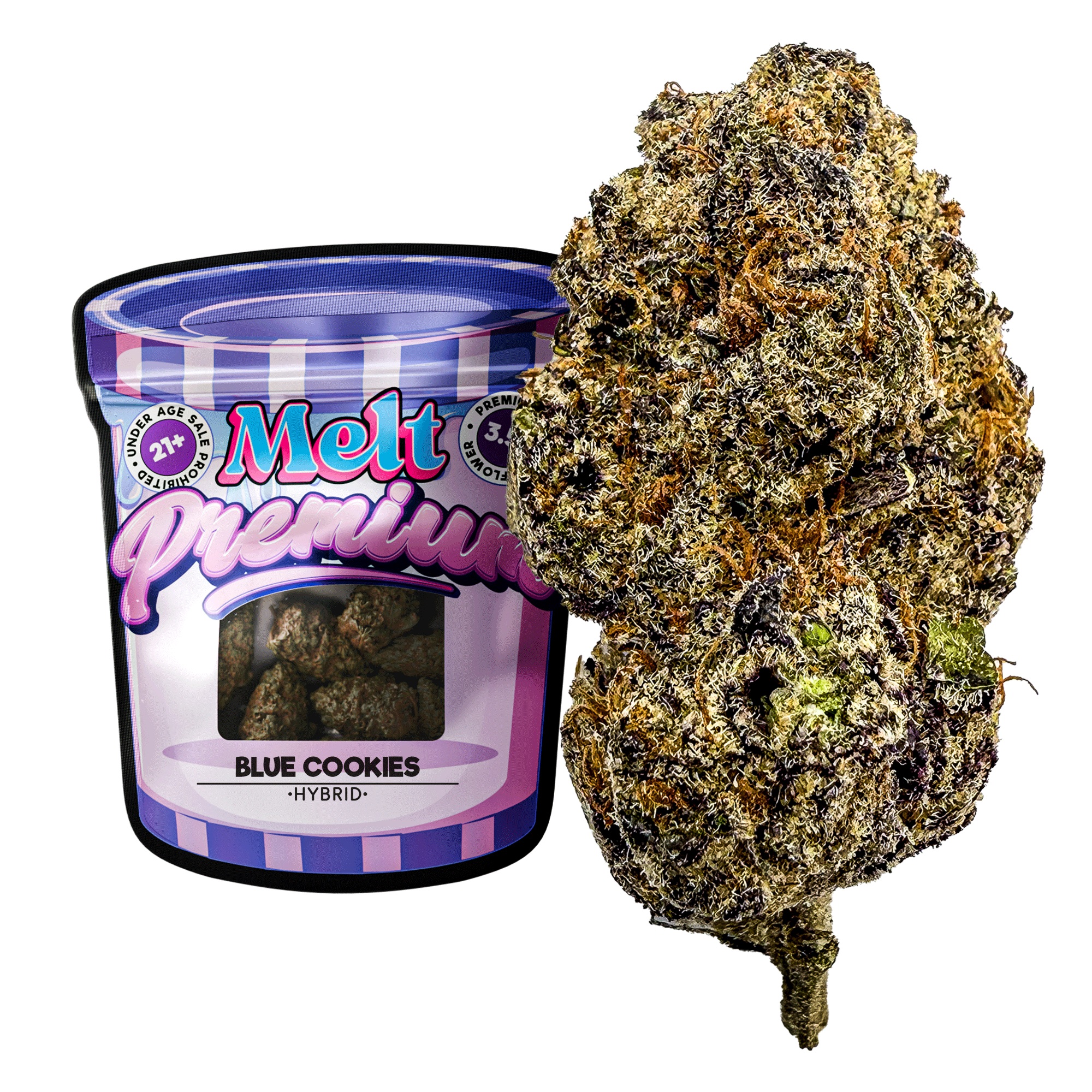
If you want to see how a California brand approaches clean, terpene-driven flower and compliant hemp-derived products, explore Melt. They focus on strain-specific flavor, third-party testing, and a polished lineup that includes THCA flower, disposables, prerolls, and edibles for adults who care about consistency as much as potency.
Your cart is currently empty.