



Free Shipping All Orders Over $95
Most advice about Zaza gets one thing wrong right away. It treats Exotic Zaza strain like one fixed product, as if you can walk into any shop, see “Zaza” on a label, and know exactly what you're getting.
You can't.
That label might point to a real cultivar with a specific lineage. It might also be slang for any premium flower a seller wants to position as exotic. That gap is where a lot of buyers get burned. One of the clearest blind spots in existing coverage is this confusion between Zaza as a formal cultivar and Zaza as a market term, along with the lack of a practical verification checklist for buyers, as noted in Joint Commerce's guide to the Za strain.
If you want to understand the hype, start there. Zaza isn't just about sounding expensive. It's about whether the flower backs up the claim with genetics, aroma, potency, terpene expression, and lab proof. If it doesn't, “Zaza” is just sticker talk.
The reason people get tripped up on Zaza is simple. The name sounds specific, but the market uses it loosely.
In everyday cannabis talk, “Zaza” often means top-shelf flower. Something loud, potent, and premium. But that doesn't automatically mean it's a single genetic line. That's the first myth to drop if you want to shop smarter.
A lot of buyers assume a product called Zaza works like a classic named strain. Think OG Kush, Blue Dream, or Gelato. One name, one fairly clear expectation.
Zaza doesn't work that way. Sometimes it points to a cultivar. Sometimes it works more like a category label for exotic flower. That means two jars with “Zaza” on them can look similar on the menu and still mean very different things in practice.
Practical rule: If a seller can't explain whether “Zaza” refers to a specific cross or a premium style of flower, treat the label as marketing first.
The hype comes from what Zaza is supposed to signal. Buyers hear the word and expect standout flower with a richer nose, stronger punch, better trim, and a more memorable session than average shelf stock.
That expectation isn't unreasonable. The problem is that the name alone doesn't prove any of it. You need more than slang to separate top-shelf quality from plain old inflation.
A better way to think about Exotic Zaza strain is this:
Once you see that distinction, the whole Zaza conversation gets easier. The mystery isn't whether Zaza is real. It's whether the jar in front of you earned the name.
The cleanest way to understand Zaza is to compare it to cars.
“Sports car” is a category. “Porsche 911” is a specific model.
Zaza works the same way. In one conversation, it means premium exotic flower in general. In another, it refers to a particular cultivar with defined lineage. If you mix those two meanings together, every menu starts to look more precise than it really is.

In street and retail language, Zaza usually means the good stuff. Not average flower. Not budget bud. The term gets attached to weed that's supposed to feel more exclusive, more flavorful, and more potent than standard options.
That's why menus throw it around so freely. It sells an image fast. A buyer sees “Zaza” and reads premium before they know anything else about the flower.
The problem is that slang doesn't enforce standards. A seller can borrow the term even when the product doesn't deserve it. That's why experienced buyers don't stop at the name.
Here's where it gets more specific. “Exotic Zaza” can also refer to a cultivar name, and coverage often points to two different genetic references.
One reference identifies Exotic Zaza as Blue Dream × Rare Dankness #2. Another tracks a South Bay Genetics line to Scott's OG × Gas Station Bob. That South Bay Genetics lineage is described as a 70% indica-dominant hybrid with THC content of 19–21% and minimal CBD below 1%, while authentic Zaza batches in major U.S. markets more broadly show 20% to 30% THC, according to THCA Map's Zaza strain listing.
That sounds contradictory at first, but it explains the confusion. One use of Zaza points to a named genetic line. The other use points to a broader premium category that can include multiple batches and phenotypes sold under the Zaza banner.
If you're buying for effects alone, the slang use might be enough to get your attention. If you care about exact genetics, consistency, or whether a seller is being honest, it's not enough.
Use this quick distinction:
When a cannabis term does double duty as both slang and a strain name, the COA matters more than the branding.
A lot of people assume potency tells the whole story. It doesn't. High numbers can show strength, but they can't tell you whether the product is the actual cultivar or just a premium flower wearing the name.
That's why “Zaza” should trigger questions, not blind trust. Ask what lineage is being claimed. Ask whether there's a batch-specific lab report. Ask whether the seller is using the term as shorthand for exotic flower or as the actual strain name.
If they get vague, you've already learned something useful.
If the name gets your attention, the aroma should do the talking.
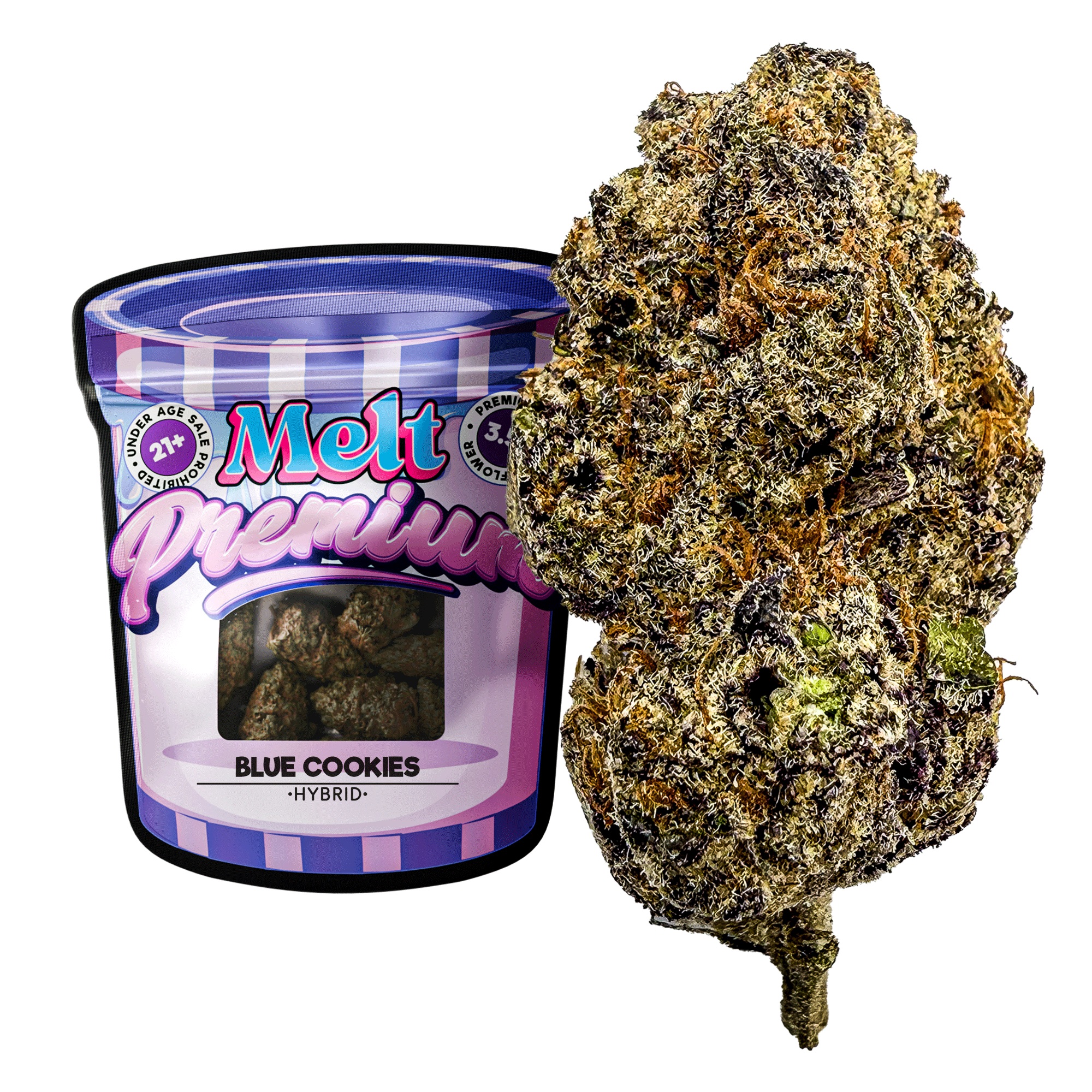
Authentic Zaza-quality flower usually stands out with a layered smell rather than one flat note. You're not just getting “weed smell.” You're getting a mix that tends to come off citrusy, earthy, spicy, woody, and sometimes gassy depending on the batch and cure.
The core terpene stack often centers on myrcene, limonene, and β-caryophyllene. In the technical ranges cited for exotic Zaza quality, myrcene runs 0.3–1.2%, limonene 0.2–0.7%, and β-caryophyllene 0.2–0.6%, with total terpene content typically exceeding 2–3%, according to this terpene-focused Za strain guide.
That matters because the nose tells you a lot before you ever light anything. Myrcene usually leans earthy and musky. Limonene pushes the brighter citrus side. Caryophyllene brings spice and pepper.
If you want a plain-English breakdown of how these compounds shape flavor and feel, this guide on what terpenes are in weed is worth reading.
A premium batch should smell expressive when you crack the container. Not dusty. Not stale. Not like hay. A weak nose doesn't automatically mean fake flower, but it does suggest the product may be older, poorly stored, or not that exotic in the first place.
Here's a quick reference:
| Characteristic | Typical Range / Description |
|---|---|
| Primary terpenes | Myrcene, limonene, β-caryophyllene |
| Myrcene | Earthy, musky, grounding |
| Limonene | Citrus, bright, sharp |
| β-caryophyllene | Spicy, peppery, woody |
| Total terpenes | Typically above 2–3% in authentic Zaza-quality flower |
| Cannabinoid profile | THCA-forward, with very little CBD |
| Sensory check | Loud aroma, layered smell, not flat or dried-out |
Zaza's reputation isn't just about smell. It's also known for a THC-dominant profile, with CBD staying very low in the verified material cited elsewhere in the market data. That low-CBD setup helps explain why people usually talk about Zaza in terms of punch and intensity rather than balance or softness.
A strong terpene profile is often the difference between flower that looks expensive and flower that actually feels memorable.
If you're checking a lab report, don't just glance at the top-line potency. Read the terpene panel too. For a flower sold as exotic, that panel should support the story the jar is telling your nose.
When people talk about Zaza like it hits harder than ordinary flower, they're usually reacting to two things at once. Potency and profile.
Verified market data places Zaza strains in an average 20–25% THC range versus 12–18% for regular weed, with CBD staying below 0.5–1%, according to Simonds Recovery Centers' overview of Zaza weed effects. In plain terms, this usually sits above the average dispensary baseline and can feel assertive fast, especially if you're used to milder flower.

A lot of users describe the appeal of Exotic Zaza strain as a two-part ride. The first phase can feel heady, bright, or mentally uplifted. Then the body side starts to settle in, softening the edges and bringing more weight to the session.
That doesn't mean every batch feels identical. Different terpene expression, cultivation choices, and freshness can shift the tone. Some versions feel more social and uplifting. Others lean calmer and heavier.
This is not the kind of flower I'd recommend treating casually if you're newer to cannabis. The label may look trendy, but the experience can be stronger than expected.
A simple low-risk approach works best:
If regular mid-shelf flower feels like a casual beer, Zaza often behaves more like a stronger pour you sip slower. The effects may not arrive all at once, but they can build more than inexperienced consumers expect.
Start lower than your ego wants to. Strong flower punishes impatience.
The best use case depends on your tolerance and the batch in front of you. Some people chase Zaza for relaxed evenings, some for mood lift, some for the full sensory experience. But if the flower is authentic and well-preserved, it usually asks for a little more respect than average shelf stock.
The fastest way to waste money on “Zaza” is to trust the name, the jar art, or the price tag.
The true test is whether the product gives you proof. A premium label can be real, or it can be theater. The difference usually shows up on the COA before it shows up in the smoke.

A good seller should be able to show a current batch-specific Certificate of Analysis. The most useful benchmark is straightforward: a COA dated within 90 days showing 20%+ THCa and confirmed Delta-9 compliance, because high price alone doesn't guarantee authenticity, as explained in this breakdown of Zaza, exotic weed, and misleading pricing.
If you need help reading the paperwork itself, this guide on how to read a certificate of analysis makes the process much easier.
Here's what to check first:
Lab proof comes first, but it shouldn't stand alone. Authenticity looks more convincing when the data, the aroma, the structure, and the price all line up.
A practical buyer check looks like this:
The visual side matters too. Verified guidance on Zaza-quality flower points to heavy trichome coverage, vibrant orange pistils, tight calyx stacking, and trichomes on both bud surfaces and sugar leaves. That same guidance notes that older flower loses a meaningful share of volatile terpenes after harvest, which is another reason freshness matters. I'm keeping that as a practical quality note here rather than asking you to shop by looks alone.
This video offers a useful visual reference before you buy:
A lot of people get this backward. They assume expensive means real.
It doesn't. Price can be one clue, but it's not the deciding clue. Fraud works both ways. Some sellers underprice average flower and call it Zaza. Others overprice average flower and count on the hype to close the sale.
So if you remember one thing, remember this. A clean, recent COA beats swagger every time.
Once you've found flower that seems legit, the next question is simple. How do you keep the experience clean, safe, and compliant?
Smoking and vaping are the most direct ways people use THCA flower. When heat is applied, THCA converts into THC, which is why the flower becomes psychoactive during use.
Edibles are a different animal because the flower has to be prepared in a way that activates it first. That's one reason homemade dosing can get messy if you don't know what you're doing.
Storage matters more than many buyers think. Keep flower in an airtight container, away from heat and direct light, and don't let it sit around loosely in packaging after opening. Good storage helps preserve aroma, flavor, and the character that made the flower worth buying in the first place.
A lot of confusion around Zaza comes from the fact that some products are sold legally as hemp while still offering a strong experience once heated. The key legal distinction in the hemp market is whether the product stays under the federal Delta-9 THC limit before use.
That's why compliant THCA flower can exist in the same conversation as premium, potent cannabis. If you want a straightforward explanation of that framework, this article on whether THCA is illegal breaks down the legal basics clearly.
Buy according to the laws where you live, not just the label a seller uses online.
Laws also shift by state, and shipping restrictions can apply even when a product is federally framed as hemp. So before you order or carry anything, check your local rules. Potent flower and legal flower can overlap, but they're not always treated the same way everywhere.
By this point, the hype should be easier to read.
A real Exotic Zaza strain claim isn't just about a flashy name or trendy packaging. In the hemp market, the strongest working standard is much more concrete: authentic batches should test at at least 20% THCA, show 2%+ total terpenes, and confirm Delta-9 THC under 0.3% for compliance with U.S. hemp law, according to Mood's explanation of what Zaza weed is.
That standard gives you a useful filter. If a product is marketed as exotic but the seller doesn't provide current lab results, doesn't show terpene detail, or makes the name do all the heavy lifting, move on.

When you shop premium THCA flower, keep your standards tight:
Those checks matter more than whatever nickname a menu uses. “Zaza” can still be a useful shortcut, but only when the product behind it is documented, fresh, and accurately presented.
Most consumers don't want to spend their time decoding vague menu language every time they buy flower. They want a seller that already did the hard part. Verified sourcing, strain-specific terpene character, visible lab reports, and compliant shipping practices aren't luxuries in this category. They're the baseline for trust.
That's why the best premium hemp brands don't rely on slang alone. They show their work.
If you want potent, terpene-rich hemp products from a brand that takes testing and transparency seriously, explore Melt. Their lineup focuses on California-crafted exotics, THCA flower, prerolls, disposables, and edibles built for adult consumers who care about flavor, consistency, and clean lab-backed quality.
Your cart is currently empty.