



Free Shipping All Orders Over $95
THCA effects typically last 2–4 hours when smoked or vaped and 4–8 hours when consumed as edibles, but how long THCA “lasts” also depends on whether you mean its shelf life, which can reach 1–2 years under suitable storage, or how long its THC metabolites remain detectable, from 3–7 days in occasional users to 30+ days in frequent users, depending on the test.
You're looking at a THCA diamond, flower jar, or vape cartridge and asking a reasonable question: will this affect me for the next few hours, will it still be potent next month, or could it matter on a drug test? Those are three different timelines, and confusing them creates most of the bad answers surrounding THCA.
THCA is the raw acidic form of the cannabinoid. On its own, unheated THCA generally isn't intoxicating. Heat changes the equation. Smoking, vaping, dabbing, or baking triggers decarboxylation, a chemical process that converts THCA into THC. The resulting THC is responsible for the familiar psychoactive effects and is the form most relevant to drug testing. This explanation of what THCA is and how heat affects it provides useful foundational context.
You hold a THCA flower jar or concentrate and wonder whether it will affect you tonight, remain potent next month, or appear on a drug test. “How long THCA lasts” describes three separate timelines: effects in the body, chemical stability during storage, and detection after use.
With inhaled flower or concentrate, heat converts THCA into THC before smoke or vapor reaches the lungs. Effects usually begin quickly and fade within a shorter session. Edibles take longer because digestion and metabolism delay the experience, although the resulting effects can last longer.
Raw, unheated THCA follows a different path. Because the conversion to THC has not occurred in the same way, it is inaccurate to assign raw THCA the same duration as smoked, vaped, dabbed, or baked material. For a clearer explanation, read this breakdown of THCA decarboxylation and why heat matters.
A sealed product may remain usable long after purchase, but usable doesn't mean unchanged. Heat can encourage THCA to convert to THC, while other conditions can contribute to broader degradation. Light, oxygen, temperature, and the packaging influence how quickly the chemical profile shifts.
Research on cannabis stability found that preparations stored at room temperature in the dark were reasonably stable for 1 to 2 years. Another calculation estimated THCA decarboxylation half-lives of 21 to 28 months under controlled storage. The same research reported average monthly THCA plus THC degradation of about 2% at 20°C. Review the cannabis stability findings here.
Drug tests generally are not looking for raw THCA as their primary concern. The greater issue is THC and its metabolites after heated use. Smoking, vaping, dabbing, or baking can convert THCA into THC, creating a different testing risk from keeping the material unheated.
Practical rule: If a product will be heated, treat its drug-test implications like a THC product, regardless of how the label describes its source.
The relevant answer also depends on the consumption method, amount, storage conditions, use frequency, and test type.
Consumption method determines how quickly THCA becomes THC and how the body receives the resulting compounds. Inhalation applies heat immediately and sends cannabinoids through the lungs. Edibles decarboxylate during preparation or cooking, then pass through digestion and liver metabolism. Sublingual products sit between those experiences, with absorption through tissues under the tongue and some product eventually being swallowed.
| Method | Onset Time | Peak Effects | Total Duration | Key Notes |
|---|---|---|---|---|
| Smoking or vaping | Minutes or less | Early in the session | 2–4 hours | Fast feedback, easier to judge one inhalation at a time |
| Edibles | 30–90 minutes | Later than inhalation | 4–8 hours | Delayed onset can make accidental redosing more likely |
| Sublingual tinctures | 15–45 minutes | Gradual | 3–6 hours | A middle option, though swallowed portions can extend the experience |
With flower, a joint, a pipe, or a vape cartridge, heat causes decarboxylation before inhalation. The lungs absorb the resulting THC quickly, so you can usually judge the direction of the experience sooner than with an edible. The trade-off is a shorter active window, commonly 2–4 hours, with the strongest effects earlier in the session.
Vaping can make portion control easier because a person can take one small inhalation and wait. It can also make repeated dosing easier, since a cartridge is convenient to use throughout the day. A short initial session can become a much longer overall period if inhalations continue.
Edibles introduce two delays. First, the digestive system has to process the product. Second, the liver metabolizes THC into 11-hydroxy-THC, a compound associated with a longer and sometimes more intense edible experience. The onset commonly takes 30–90 minutes, and total effects generally last 4–8 hours.
The main risk is impatience. A person who feels nothing after twenty minutes may take more, then experience both servings after the first dose finally takes effect. Edibles suit people who want longevity, but they offer less immediate control.
A tincture held under the tongue can begin working in 15–45 minutes and may last 3–6 hours. It offers more discretion than smoking and a faster response than many edibles, although some of the liquid may be swallowed and follow an oral route.
Choose inhalation when speed matters, an edible when you have a long uninterrupted window, and a tincture when you want a compromise. None of these timelines guarantees an identical experience for every person.
Two people can use the same product and describe different durations. The product label gives you a starting point, not a personal timetable.
A small inhalation may fade sooner than a full session. A larger edible can create a longer, heavier experience because more THC reaches the body and the receptors remain engaged for longer. This doesn't mean taking more is a reliable way to improve the experience. It often makes the peak harder to predict and the comedown less comfortable.
Dose is the dial you control most directly. Increase it slowly, and give the chosen method enough time to show its full effect before adding more.

Metabolism influences how quickly the body processes THC and its metabolites. Body composition can also matter because THC is fat-soluble and may be stored in fatty tissue before it is released gradually. These factors can influence both how long effects feel noticeable and how long metabolites remain relevant for testing.
Tolerance changes perception as well. Regular consumers may notice a shorter or less dramatic subjective effect from a familiar amount, while a person with little experience may find the same amount more intense or longer lasting. Tolerance doesn't make a product disappear from the body immediately, so feeling sober isn't proof that testing risk has ended.
Terpenes and other compounds can change how a session feels. A profile rich in myrcene may feel more physically relaxing, while limonene can feel brighter for some consumers. These descriptions are tendencies, not guarantees, and they don't create a precise clock.
Food intake can also affect an edible's onset and intensity, particularly when a meal changes absorption. Hydration and rest won't erase THC, but they can make the experience easier to manage. If effects feel stronger than expected, stop consuming, move somewhere calm, and wait rather than trying to correct the situation with another intoxicant.
A THCA flower jar left on a sunny windowsill will age differently from one sealed in a dark, stable cupboard. THCA has no single expiration moment. Its profile changes gradually, and heat can accelerate decarboxylation. Light, oxygen, and unsuitable humidity can also affect cannabinoids, terpenes, aroma, and texture.
Storage results vary by product and testing conditions. One review found THCA-A remained at 78% after 10 days at 25°C in olive oil, while another sample fell to 94.7% after 1 month at 4°C. Losses were still observed at freezer temperature. A separate study measured THCA-A at 80% of its initial level after 25 months at room temperature in glass bottles with limited light exposure. The cited review of storage conditions shows why “keep it somewhere cool” is less precise than it sounds.
Controlled storage can preserve THCA for a substantial period, much like a sealed container slows a process rather than stopping it. No packaging keeps a chemical profile unchanged forever. One study found total THC declined 7.27–9.40% after 3 months, while THCA decarboxylation reached 25–29% under the tested conditions. Estimated THCA half-lives were 21–28 months under recommended storage conditions. See the full study and storage discussion.
Another preservation approach kept inflorescences at 96% of relative THCA after the storage period, supporting at least four months of usable shelf life under certain packaging conditions. These results do not establish one universal promise. They show that packaging and environment can materially affect how long a product retains its intended profile.

For a step-by-step approach to containers and placement, use this guide to storing THCA products. Faded aroma, altered color, brittle texture, and a stale profile can indicate aging. Visible mold or a musty smell means the product should not be used.
A workplace screen usually does not ask whether a product was labeled THCA. It looks for a target compound, or for metabolites produced after the body processes THC. That distinction matters because raw, unheated THCA follows a different chemical pathway from THCA exposed to heat. Smoking, vaping, dabbing, baking, and cooking can convert THCA into THC before or during use.
The test method determines what sample is examined and how long its result may remain relevant. Urine testing looks for THC metabolites after the body has processed THC. Blood testing measures compounds circulating in the bloodstream and often reflects more recent exposure. Saliva testing examines oral fluid, so timing, recent use, and the collection process affect the result. Hair testing examines growth over time and may reflect a longer history rather than current impairment.
A positive result means the sample contained the target at or above that test's reporting threshold. It does not, by itself, establish when use occurred, whether the person was impaired during testing, or whether the product was raw THCA or heated THC. Interpretation also depends on the laboratory method, the cutoff selected, confirmation procedures, and the rules in the relevant jurisdiction. Employers, athletic organizations, courts, and testing providers may use different requirements.
This overview explains how raw THCA and heated THC are handled differently in standard immunoassay screens. The practical question is therefore not only “How long does THCA last?” It is also, “What compound did the product contain after preparation, and what does this test measure?”
Results can vary with frequency of use, metabolism, body composition, amount consumed, hydration, and test sensitivity. A diluted sample may trigger a validity concern rather than remove metabolites, while commercial detox products cannot guarantee a negative result. “Hemp-derived” identifies a source or legal category in some contexts, not the analyte a laboratory detects.
A consumer reviewing a positive result should ask which specimen was tested, which analyte and cutoff were used, and whether confirmatory testing is available. The THCA drug-test guide explaining testing concerns and product preparation offers further context. Testing rules still come from the specific provider, program, and location.
The safest way to manage duration is to decide your time window before consuming. A quick inhaled session and a long edible experience aren't interchangeable, even when both products start with THCA.

If effects feel too intense, stop taking more and move to a quiet, familiar environment. Sip water, rest, and remind yourself that discomfort generally passes. Some people keep CBD available as a possible way to modulate the experience, but its effects aren't guaranteed, and it shouldn't be treated as an antidote. Black pepper's beta-caryophyllene is sometimes used as a calming strategy, yet evidence and individual responses vary.
Avoid combining THCA products with alcohol, sedatives, or other intoxicants. Don't drive, cycle in traffic, operate machinery, or make safety-critical decisions while effects are active. Seek medical help for severe confusion, chest pain, trouble breathing, loss of consciousness, or any symptom that feels medically urgent.
Before you dose: Decide where you'll be, who can help if needed, and what responsibilities must wait until you're fully clear.
Scheduled breaks can also prevent tolerance from pushing consumption upward. If you find yourself needing substantially more to reach the same effect, pause and reassess instead of escalating automatically.
A consumer may have a new THCA vape, an older flower jar, and an upcoming workplace test. Those concerns involve three different timelines: effects in the body, product quality in storage, and THC-metabolite detection after heating.
Start by separating raw THCA from heated THCA. Unheated THCA differs from THC and generally is not intoxicating in its raw form. Smoking, vaping, dabbing, or cooking supplies heat that converts THCA into THC through decarboxylation. That chemical change helps explain both the psychoactive experience and why drug-testing concerns focus on heated products.
Choose the method according to your schedule. Inhaled effects commonly last 2–4 hours, while edible effects commonly last 4–8 hours. Sublingual products fall between those patterns for many consumers, although onset and duration depend partly on how much absorbs under the tongue and how much is swallowed. A product that acts quickly may also require more careful timing, while an edible can continue developing after the first effects appear.
Protect the product from its main sources of change. An airtight, light-protected container in a cool, dark environment helps slow degradation. Controlled storage research describes reasonable stability for 1 to 2 years in some conditions, but no container freezes potency indefinitely. Temperature, oxygen, light, moisture, and packaging all influence how the material changes, and the storage studies cited above measured THCA changes even under relatively careful conditions.

Use small amounts, wait before redosing, and select a consumption method that fits the time available. Keep products away from heat, light, air, and excess moisture. Storage is a gradual process, so inspect older products for changes in appearance, aroma, texture, or expected effects rather than assuming the label reflects their current condition.
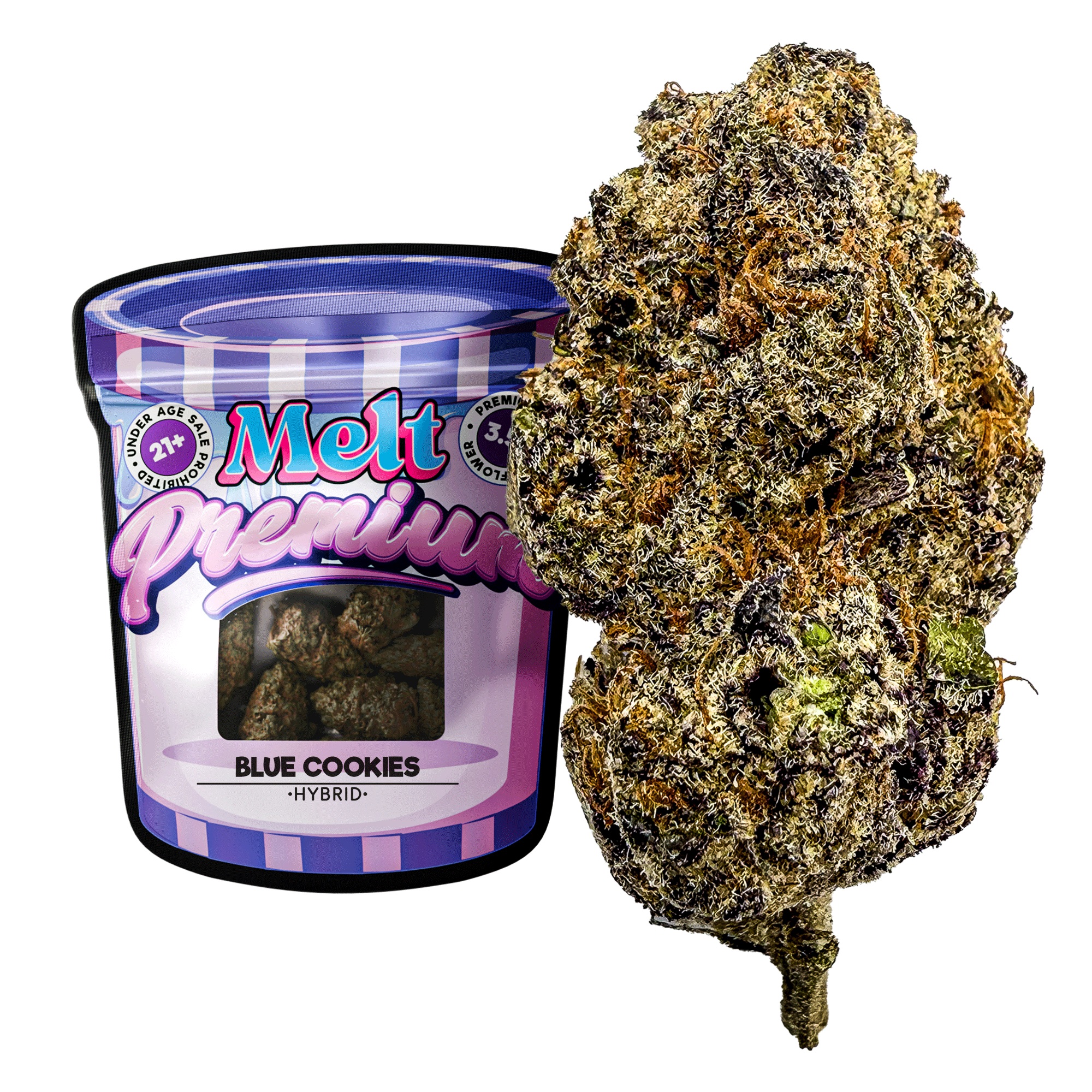
Melt offers curated THCA flower, disposables, and edibles with third-party testing, transparent lab reports, and discreet shipping for adult consumers. Visit Melt to explore products and choose a format that fits your schedule, storage habits, and need for consistent information.
Your cart is currently empty.