



Free Shipping All Orders Over $95
A quarter of weed usually means 7 grams, and the national average price was $64 in 2025, down from $68 in 2024, according to Wallflower House's quarter price breakdown. That number is only a starting point, though. In real life, a quarter can land around $35 to $40 in some mature markets for standard-grade flower, or climb well over $100 in premium metro markets depending on quality, location, and how that product is regulated.
If you're staring at a menu and wondering whether a quarter is fairly priced, you're asking the right question. A lot of buyers see two jars that both say 7g, then notice one is cheap and the other costs almost double. The gap usually isn't random. You're paying for some mix of cultivation method, freshness, terpene expression, testing, branding, and local market conditions.
That's why the better question isn't just how much is a quarter of weed price. It's whether that quarter is worth the ask.
You walk into a dispensary, ask for a quarter, and see one jar priced like a casual pickup while another sits in premium territory. Both are the same weight. The core question is what explains the gap, and whether the more expensive flower gives you more for your money.
A quarter can look overpriced until you check what is driving the tag. In practice, price reflects more than quantity. It often reflects cultivation method, post-harvest handling, terpene retention, test transparency, and the local cost of doing business.
That distinction matters. A cheap quarter of dry, low-aroma flower with weak testing and rough trim can be a worse buy than a cleaner, better-cured batch that costs more up front but smokes longer, tastes better, and wastes less. Good value comes from the combination of price and quality, not from the lowest number on the menu.
Two quarters can share the same strain name and still deliver very different results. One may be machine-trimmed, older stock, or packed with smaller buds from the bottom of the plant. The other may be indoor-grown, properly cured, rich in terpenes, and backed by current lab results. Those differences show up in aroma, flavor, burn quality, and overall effect.
Here's what usually pushes a quarter into a higher tier:
I look at the flower before I look at the hype. If a quarter carries a premium tag, it should show premium signals.
Ask a few direct questions:
THC alone should not decide the purchase. A slightly lower-THC quarter with strong terpene expression and a careful cure often delivers a better session than a harsh, overhyped jar built around one headline number.
If you also compare larger bulk weights, this guide on how many ounces are in a QP helps put quarter pricing in context.
The smart buy is the quarter that matches its asking price with visible quality, reliable testing, and the kind of experience you want from the flower.
You walk into a dispensary, see a 7g jar and a couple of 3.5g options, and the pricing only makes sense if you know the weight cold. A quarter is 7 grams of cannabis flower, or 0.25 ounces. It is one-fourth of a standard 28-gram ounce.

That sounds simple, but buyers still get tripped up by package size, jar count, and bud appearance. A quarter is a weight measurement, not a visual one. One jar can look packed with airy flower, while another looks half full because the buds are dense and tight. Both can still weigh the same 7 grams.
A quarter also sits in a useful middle range for real shopping. It gives you more room to judge a strain than a single gram or an eighth, but it does not lock you into full-ounce spending. That matters if you care about value, because a quarter gives you enough flower to notice whether the cure, terpene retention, and overall freshness match the price.
Here's the basic size ladder:
Buyers also mix up a quarter ounce and a quarter pound. Those are nowhere near the same amount. If you want a clean breakdown of bulk weights, this guide on how many ounces are in a QP clears that up fast.
Seven grams is the baseline that keeps price comparisons honest. If one shop offers a quarter in a single jar and another splits the same weight across small containers with premium branding, the only fair starting point is the actual gram count.
Then the quality question starts.
A quarter of well-grown flower should give you enough material to judge more than THC. You can check whether the buds still have moisture, whether the aroma holds up after the jar opens, and whether the terpene profile feels true to the strain instead of flat or stale. That is part of its core value. Two quarters can weigh the same and smoke very differently.
For newer buyers, a quarter often feels like the first amount that lasts long enough to learn what they like. For regular consumers, it is a practical sweet spot. There is enough flower for a fair trial, but not so much that a disappointing batch becomes an expensive mistake.
You walk into one dispensary and see a quarter for $40. Across town, another shop wants more than double that for the same weight. The gap usually comes down to what is in the jar, how it was grown, and how much proof the seller gives you.
Price ranges work better as tiers than as a single national number. Seven grams of dry, muted flower with small buds should not cost the same as seven grams of carefully cured flower with a clear terpene profile, clean burn, and current test results. If you want to verify what those results mean before paying a premium, learn how to read a cannabis certificate of analysis.
| Quality Tier | Legal Dispensary Price Range | Illicit Market Price Range |
|---|---|---|
| Standard | Commonly the lowest-priced promotional or house-flower quarters | Often lower, but quality, consistency, and testing vary |
| Mid-Grade | Usually sits in the middle of the menu and often offers the best value | Varies by seller, with less transparency on source and testing |
| Top-Shelf | Usually priced at a clear premium, especially for limited drops or highly marketed strains | Can be cheaper than licensed retail, but authenticity is harder to verify |
As noted earlier, reported retail pricing from Wallflower House places budget quarters in the lower end of the market, average quarters around the middle, and premium jars well above that. Those broad bands are useful for orientation. They are not a guarantee of quality.
Standard-tier quarters are bought for function. Expect smaller buds, lighter aroma, older harvest dates, or a trim job that looks more efficient than careful. That can still be a smart buy for joints, blunts, or infusions where bag appeal matters less.
Mid-grade quarters are often the safest bet for regular buyers. For those seeking enjoyable flower without paying for branding, I often recommend starting with this option. A good mid-tier quarter should still smell distinct when the seal breaks, hold some stickiness, and burn evenly without turning harsh halfway through the session.
Top-shelf quarters need to earn the markup. The flower should look well handled, not dry or compressed from bad storage. The aroma should be specific, not just strong. Premium pricing also makes more sense when the producer shows solid lab work, careful cultivation, and a terpene profile that is evident in the smoke.
One expensive jar can still disappoint.
Lower sticker prices in the unlicensed market come with less visibility. You may not know the actual cultivar, harvest date, pesticide status, or whether the potency label is accurate. For experienced buyers, that is the main trade-off. The price can be lower, but the risk of stale flower, contamination, or inflated claims is higher.
A smart purchase is not the cheapest quarter on the menu. It is the one that gives you the best combination of freshness, flavor, clean testing, and smoking quality for the price.
Two quarters can sit on the same menu at very different prices and both look reasonable at first glance. The key difference usually shows up after the jar is open. One smells sharp and layered, the buds have some life to them, and the effects feel clear and strain-specific. The other checks the THC box but comes across flat, dry, or generic. That gap is what pricing is trying to capture.

High THC or THCA numbers still move product, so retailers often price those batches higher. That makes sense up to a point. Strong flower has demand.
The problem is that potency is only one part of what you are paying for. A quarter with average cannabinoid numbers but better terpene retention, a cleaner cure, and a smoother burn can easily feel like the better buy in actual use. I would rather pay for flower with a clear aroma and reliable finish than a lab sticker that overpromises.
Some cultivars cost more because the genetics are harder to produce well. Others cost more because the name is hot, the drop is limited, or the brand knows people chase certain crosses.
That premium is not always fake. It just is not automatic proof of better flower. A famous lineage can justify a higher shelf price if the grower preserved the traits people want, especially flavor, resin production, and consistency from batch to batch. If those traits are missing, you are paying for recognition more than performance.
Indoor flower usually costs more because it takes more labor, tighter environmental control, higher utility spend, and more careful post-harvest handling. Outdoor and greenhouse flower can offer strong value, but the lower production cost often shows up in the retail price.
Forbes' reporting on cannabis price declines notes a real bifurcation in the market. Budget flower gets pushed down hard when outdoor supply is heavy, while well-grown indoor batches tend to hold premium pricing better because they cost more to produce and are judged more heavily on aroma, texture, and finish.
A cheap quarter is not automatically a bad quarter. It does mean you should ask better questions.
A real COA adds value because it gives you more than a THC headline. It can show cannabinoid content, terpene data, and whether the batch passed contaminant screening. If you want to check those details yourself, this guide on how to read a Certificate of Analysis makes the label much easier to interpret.
Look for specifics. Terpene listings with actual percentages are more useful than vague claims about flavor. Harvest, package, or test dates help you judge freshness. Clean, readable reporting is usually a better sign than flashy packaging with no supporting detail.
Taxes, licensing limits, local competition, and state rules all affect what a quarter costs before quality enters the picture. The same flower can land at very different price points depending on the market.
California is a good example. Flowhub's industry statistics page notes that hemp-derived intoxicating products put pricing pressure on the legal market there, and lawmakers responded with AB-8. That does not tell you whether one jar smokes better than another. It does explain why legal shelf prices sometimes reflect regulation costs as much as cultivation quality.
The best way to judge a quarter is to connect the price to what you can verify: cultivation method, test transparency, terpene profile, freshness, and how likely the flower is to deliver a clean, distinctive session.
You are standing at the counter deciding between a $35 eighth and a $60 quarter. The fastest way to tell which one gives better value is to reduce both to the same unit. Total price ÷ 7 grams for a quarter, or total price ÷ 3.5 grams for an eighth.

If a quarter costs $64, divide 64 by 7. That puts it at about $9.14 per gram. A $35 eighth comes out to $10 per gram, so the quarter is the better deal on weight alone.
That is only the first pass.
A smart comparison uses the out-the-door price, not the menu price. Taxes and fees can change the math enough to flip which jar makes more sense. I always compare final receipt totals because shelf pricing can make a deal look better than it is.
Use this process:
That last step matters more than people think. A lower per-gram number does not mean much if the flower is old, harsh, or flat on aroma. If one quarter costs more but comes with fresh packaging dates, clear terpene data, and clean lab reporting, the higher price may be justified because you are paying for a better batch, not just a fancier jar.
Here is a practical way to read the shelf. If two quarters are close in price, pick the one with stronger quality signals. If one quarter is much cheaper, ask why. Sometimes the answer is a fair promotion. Sometimes it is lower-tier flower that looks fine in the container but smokes thin and burns fast.
The same logic applies if you are comparing dispensary flower with options from an online weed buying guide. Convert every option to price per gram first, then weigh freshness, terpene detail, cultivation method, and test transparency. That is how you find real value instead of chasing the lowest sticker price.
The smartest quarter buyers don't start with strain names. They start with verification. If you're buying flower, especially anything marketed as premium, check that the product has a real Certificate of Analysis and that the seller can show it clearly.
The best quarter purchase usually feels balanced. The aroma is there, the cure is right, the lab report is available, and the price makes sense for that level of product.
The line between state-regulated marijuana and hemp-derived THCA products can confuse buyers fast. In some places, hemp-derived products have been sold in ways that undercut legal cannabis pricing. California is a strong example. As noted earlier, the state moved with AB-8 in response to those unregulated intoxicating hemp products.
That matters because legality affects price, availability, and risk. If you're shopping online, this guide on how to purchase weed online is a useful primer on evaluating sellers and product legitimacy.
For practical buying, always check your local rules before ordering or carrying anything. A quarter can be easy to buy in one market and heavily restricted in another.
No. A quarter ounce is 7 grams. A quarter pound, often called a QP, weighs about 112 to 113.4 grams, so it belongs in a completely different price bracket.
Bulk flower usually carries a lower per-gram cost, but the trade-off changes fast once quality enters the picture. A cheap QP can still be poor value if the flower is dry, lightly aromatic, or lacks clear testing and harvest information.
Sometimes. Price breaks on larger jars are common, but I have also seen dispensaries run eighth specials that beat the quarter price.
Compare the total ticket, then check the per-gram cost. After that, look at whether both options are the same tier of flower. Two discounted eighths of fresh, terpene-rich batches can be a better buy than one quarter of older inventory at a lower sticker price.
A stronger nose usually points to better terpene retention, fresher handling, and a cleaner cure. Weight only tells you how much flower is in the jar.
This is one of the easiest places to overspend. A quarter with rich aroma, recent lab testing, and clear cultivation details often earns its higher price. A flat-smelling quarter with inflated THC numbers usually does not.
Not always. Retailers often price around brand reputation, grow method, trim quality, freshness, and terpene profile just as much as THC percentage.
I would take a well-cured quarter with expressive terpenes over a harsh, high-THC jar every time. In practice, the better smoking experience usually comes from balance, not from one headline number.
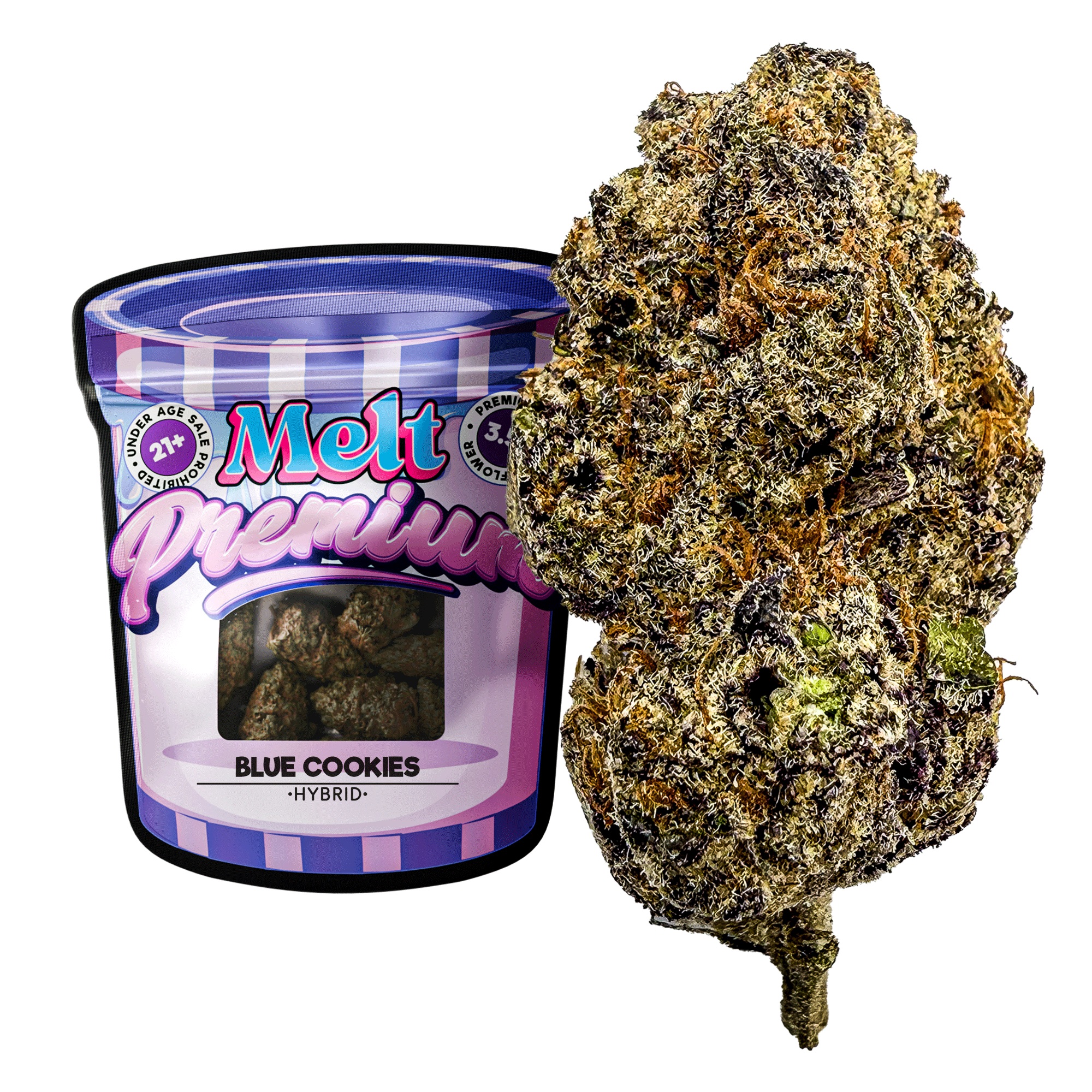
If you want lab-tested flower, strain-specific terpene profiles, and a cleaner way to shop legal hemp-derived products online, Melt is worth a look. Their lineup covers indoor craft and premium sun-grown THCA flower, Duo prerolls, disposables, and potent edibles, with transparent third-party testing and discreet shipping where allowed.
Your cart is currently empty.