



Free Shipping All Orders Over $95
You’re on a product page, the flavor sounds great, the lab report link is there, and then the question hits: is delta 9 legal in South Carolina, or am I about to order something that could cause trouble?
That hesitation is reasonable. South Carolina is not a casual cannabis state. The law allows some hemp-derived products, but it also draws a sharp line between compliant hemp and illegal marijuana. If you do not know where that line is, every gummy, vape, oil, or flower listing can start to look like a gamble.
The good news is that there is a workable answer. In South Carolina, hemp-derived Delta-9 THC can be legal, but only when it fits the legal definition of hemp and stays within the THC limit set by federal and state law. The confusing part is that legality on paper does not always feel simple in real life. Labels can be misleading. Local enforcement can vary. And newer state rules add another layer that smart buyers should understand.
This guide is built for practical use. Not theory. Not hype. Just the rules that matter, explained in plain English.
South Carolina shoppers usually run into the same problem. They know Delta-9 THC is the cannabinoid commonly associated with cannabis. They also know marijuana is not broadly legal in the state. So when they see hemp gummies or hemp vapes sold online, they wonder whether those products are legal or just dressed up with clever marketing.
The short answer is yes, hemp-derived Delta-9 THC is legal in South Carolina when it complies with the hemp definition under federal and state law. The key rule is that the product must come from hemp and remain at or below the legal THC threshold on a dry weight basis.
That sounds technical, but the idea is simple. South Carolina law does not treat every cannabis product the same. It separates products by legal category. If a product qualifies as hemp, it can move through a lawful path. If it falls outside that definition, the state can treat it as marijuana instead.
People also get tripped up by the fact that Delta-9 itself is not automatically illegal. The law focuses on source and concentration. That is why one product can be sold online as a hemp edible while another product containing more THC is treated very differently.
A few things make this harder than it should be:
A safe buyer thinks like a compliance reviewer, not just a shopper. The question is not “Do they sell it?” The question is “Can they prove it qualifies as hemp under South Carolina rules?”
That is the mindset to keep throughout this guide. If you understand the legal line, know how to check a lab report, and recognize where state enforcement gets strict, you can make much better decisions.
The whole issue turns on one legal dividing line: 0.3% Delta-9 THC by dry weight.
Under the 2018 Farm Bill and South Carolina House Bill 3449, hemp-derived Delta-9 THC is legal in South Carolina if it contains no more than 0.3% Delta-9 THC by dry weight, a threshold codified in South Carolina Code Section 46-55-10(6), as summarized by The Hemp Collect’s overview of Delta-9 legality in South Carolina.

An easy comparison is non-alcoholic beer versus regular beer.
They may look similar on the shelf. They may even seem close in purpose. But the law treats them differently because a small percentage changes the legal classification. South Carolina applies a similar idea to cannabis. Two products may both contain Delta-9 THC, but if one stays within the hemp limit and the other exceeds it, the legal result is very different.
That is why people asking “is delta 9 legal in south carolina” often get mixed answers. The correct answer is not a blanket yes or no. It is yes, if it is hemp-derived and within the legal threshold.
The 2018 Federal Farm Bill altered the legal situation by removing hemp from the Controlled Substances Act and allowing states to regulate hemp production. South Carolina then adopted that framework through state law. The result was a legal lane for compliant hemp products, including some products containing Delta-9 THC.
That did not legalize recreational marijuana in South Carolina. It created a separate category. That distinction matters because many buyers assume “cannabis legality” is one issue. It is not. In South Carolina, the law splits cannabis into categories and treats them differently based on the statutory hemp definition.
This aspect often confuses consumers. They focus on the ingredient name, but the law also cares about where it comes from.
A hemp-derived product that stays under the threshold can fit the legal hemp framework. A marijuana-derived product or a product exceeding that limit can fall outside it. In practical terms, this means a compliant gummy and an illegal product might both be discussed as “Delta-9,” even though the law does not treat them the same way.
When you browse product types like gummies, oils, flower, or disposables, the legal question is not solved by attractive branding or a product title. You need evidence that the product is in the compliant hemp lane.
That is also why shoppers often compare cannabinoids before buying. If you want a useful side-by-side breakdown of how one hemp category differs from another, this explainer on THCA vs Delta-9 helps clarify how product types can raise different legal questions.
Use this simple filter before you buy:
If any one of those is missing, treat the product cautiously.
South Carolina did not stop at adopting the federal hemp framework. The state has been tightening the rules around hemp-derived cannabinoid products, especially products that can have intoxicating effects.

The biggest practical shift for consumers is that compliance now involves more than just whether a product comes from hemp. South Carolina’s 2025-2026 Bill 137 mandated manufacturer and retailer licensing by January 1, 2025, kept the 0.3% Delta-9 THC limit in place, and added restrictions such as prohibiting sales to those under 18, according to the text of South Carolina Bill 137.
From a consumer standpoint, the market is moving away from the loose “if it’s online, it must be fine” era. The state is signaling that hemp products are allowed only inside a more structured retail environment.
That affects buyers in a few ways:
One of the toughest parts of South Carolina law is that a product can appear compliant and still create real-world risk. Reports summarized in the verified material describe local crackdowns in places such as Greenville and York Counties, with undercover stings and prosecutions aimed at products viewed as noncompliant, mislabeled, or too intoxicating.
That means legality is not just a lab issue. It is also an enforcement issue.
A police officer at a traffic stop is not performing a legal analysis the way a compliance lawyer would. If a field test cannot distinguish hemp from marijuana, the consumer may be the one dealing with the confusion first and sorting it out later.
South Carolina’s hemp market works a bit like driving on a road that is legal but heavily patrolled. The lane exists. You still need to stay centered in it.
South Carolina appears to be saying two things at once.
First, hemp is not banned outright. There is still a lawful path for compliant products. Second, the state is increasingly skeptical of loosely regulated intoxicating products sold with minimal oversight. That is why the newer rules focus on licensing, age restrictions, product format, and retail controls rather than repeating the old hemp definition.
For consumers, the message is straightforward. Buy from businesses that behave as though compliance is a core part of the product, not an afterthought.
When evaluating a seller in South Carolina, look for signs that the company takes the law seriously:
A broader cannabinoid question often comes up at this point, especially for buyers comparing state rules across products. If you are also looking at other hemp categories, this guide on whether THCA is legal in Kansas shows how state-by-state interpretation can shape what is sold and how.
A short legal explainer can help put the bigger picture into context:
South Carolina is not moving toward a free-for-all hemp market. It is moving toward a more controlled one.
For buyers, that means the old question, “Is Delta-9 legal?” is too narrow. The better question is, “Is this specific product sold in a way that fits South Carolina’s current compliance expectations?” That is the question that keeps you on safer ground.
The smartest thing you can do before buying Delta-9 in South Carolina is learn how to read a Certificate of Analysis, usually called a COA.
That document is where a seller proves the product was tested. In South Carolina, the legal threshold is ≤0.3% THC on a dry weight basis, and the standard is enforced by the South Carolina Department of Agriculture. The verified material also notes that finished products should undergo independent lab testing and that moisture content can affect THC concentration, which is why consumers should verify COAs rather than trust labels alone, as explained in Cannovia’s South Carolina Delta-9 guide.
“Dry weight basis” sounds intimidating, but the logic is simple.
If you tested a wet product and ignored moisture, the result could look different than the product’s actual cannabinoid concentration after standardizing it. Dry weight is the law’s way of using a more consistent measuring stick.
For consumers, the practical lesson is this: you cannot determine legality by eyeballing the package or guessing from the milligram amount on the front label.
When you open a lab report, focus on a few key items.
If a retailer makes you work hard to find the COA, that friction is information. Transparent sellers usually make compliance easy to verify.
Some warning signs show up again and again in weak listings:
| Attribute | Legal Hemp-Derived Delta-9 | Illegal Marijuana |
|---|---|---|
| Source | Derived from hemp | Derived from marijuana or treated as marijuana under state law |
| THC standard | Must fit the hemp THC limit on a dry weight basis | Exceeds the hemp limit or falls outside the hemp category |
| Documentation | Should have independent lab testing and a COA | Often lacks compliant hemp documentation |
| Retail posture | Sold as a compliant hemp product | Not part of South Carolina’s lawful hemp lane |
| Consumer risk | Lower when testing and compliance are clear | Higher legal risk |
Before clicking buy, pause and ask:
A careful buyer does not need to memorize statutes. You just need a repeatable habit. Read the product page. Open the COA. Match the batch. Check the testing details. If the seller cannot support the product with documents, move on.
Buying a compliant hemp product is one thing. Carrying it, shipping it, or traveling with it is where many consumers get uneasy.
That concern is justified. Even when hemp is federally allowed, South Carolina’s restrictive stance on marijuana can create enforcement problems. The verified material notes that the South Carolina Attorney General’s opinion treating Delta-8 as illegal shows how narrowly state authorities may interpret cannabinoid laws, and that recent legislation also adds potency caps for certain retailers and serious penalties for violations, as summarized by Wellborn Law Firm’s discussion of Delta-9 legality in South Carolina.

If a product is sold as a compliant hemp product, online shipping into South Carolina can be part of a lawful transaction. But consumers should still think practically, not just legally.
You want the package tied to a seller that provides documentation, age-gating, and product transparency. If a business looks sloppy before the sale, do not expect the shipping side to be cleaner.
If you are ordering online, review the seller’s shipping information before checkout so you understand any restrictions, handling practices, and state-specific limitations.
Here, legal theory often collides with roadside reality.
A sealed, documented hemp product is safer than a loose item with no packaging, but even then, confusion can happen. An officer may not immediately distinguish legal hemp from illegal marijuana by sight or smell alone. If the product lacks original packaging or you cannot show a matching lab report, your position gets weaker fast.
Good habits include:
Cross-state travel adds another layer because each state handles cannabinoids differently. A product that is sold lawfully in one state may be treated more aggressively elsewhere.
For that reason, many cautious consumers avoid carrying hemp-derived THC products across state lines unless they have checked the destination state’s current rules. This is especially important with products that can easily be mistaken for marijuana by packaging, smell, or form.
The practical test for travel is not just “Did I buy this legally?” It is also “Can I explain what it is, document it, and avoid putting myself in a gray area on the road?”
South Carolina’s hemp framework gives consumers a lawful lane, but you should not assume that carrying a product automatically settles the issue if questioned.
Your strongest position usually includes:
None of that guarantees a smooth interaction. It does give you a better factual record if the product is ever questioned.
South Carolina buyers who want hemp-derived products need more than strong flavors or eye-catching packaging. They need proof-oriented shopping. That is where a brand’s operating habits matter.
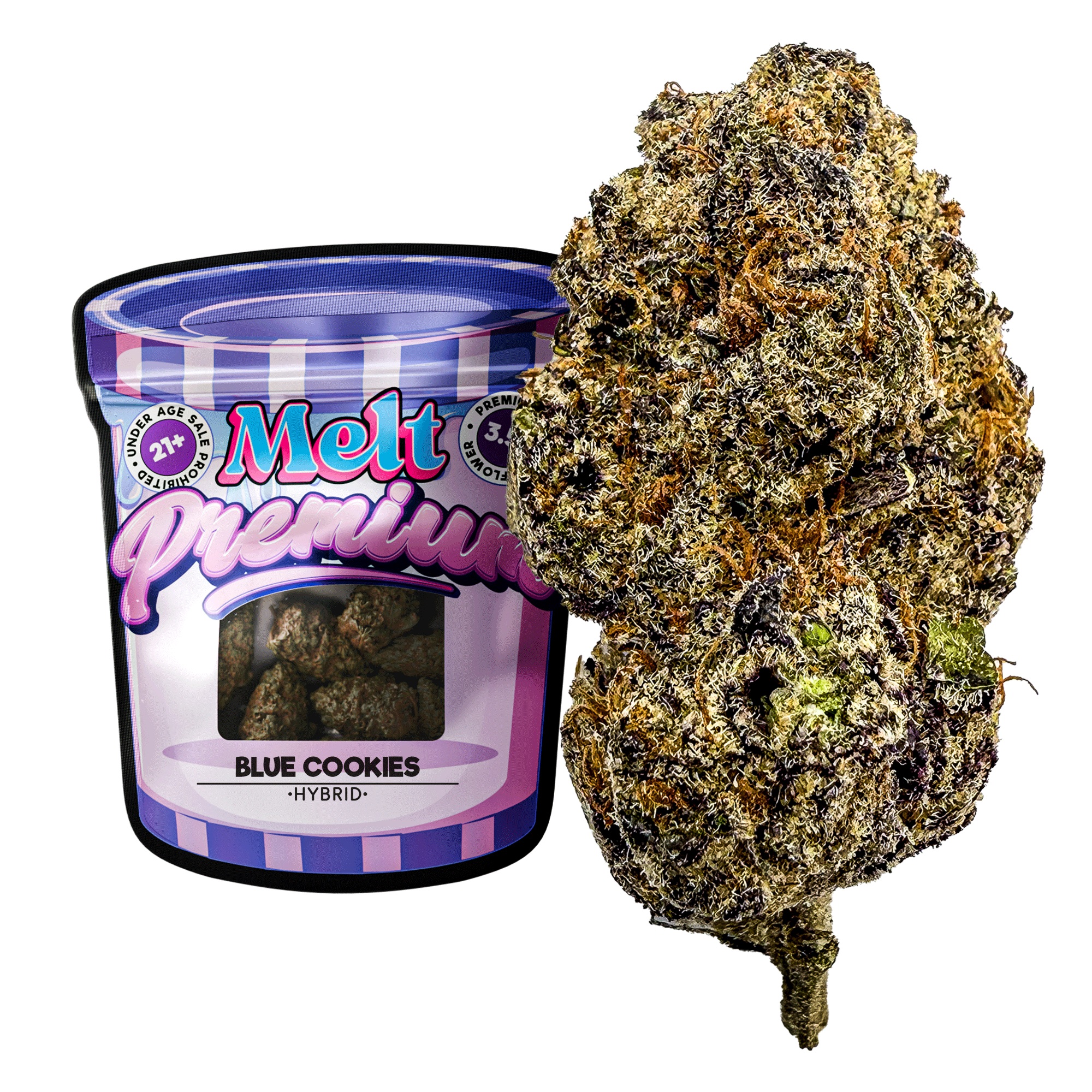
Melt’s product lineup is built around legal hemp-derived cannabinoids and an age-gated shopping experience. That matters because South Carolina’s current environment rewards companies that treat compliance as part of the product itself. A seller should not just offer gummies, flower, prerolls, or disposables. The seller should also make it easy to verify what those products are.
A polished website is not enough. South Carolina consumers benefit most from brands that emphasize:
Those features line up with the habits smart consumers should already be using. If a buyer has learned to look for COAs, batch-specific information, and responsible retail controls, then a transparent brand becomes much easier to vet.
A gummy, a disposable, and a flower product do not raise identical consumer questions.
Edibles often lead buyers to focus on serving size and total package content. Flower can trigger more concern around appearance and smell because it may be harder for an uninformed observer to distinguish from marijuana. Devices and inhalable products can raise retailer-specific rule issues under South Carolina’s tighter posture toward intoxicating hemp items.
That does not make any category automatically unlawful. It means consumers should be disciplined about documentation and purchase only from businesses that can support each product with clear testing and compliant sales practices.
Use this short standard when reviewing a hemp seller:
Those are the habits that reduce anxiety and improve decision-making. In a state like South Carolina, the best product experience starts with a paper trail.
Yes, hemp-derived Delta-9 THC can be legal in South Carolina when the product fits the legal hemp framework and stays within the THC limit discussed earlier. Products outside that lane can be treated very differently.
No. South Carolina has shown a willingness to interpret cannabinoid laws narrowly. The Attorney General opinion discussed earlier is a major reason consumers should not assume all hemp-derived cannabinoids are treated the same way in practice.
Yes. Drug tests generally do not care whether the THC came from a compliant hemp product or another source. If you are subject to workplace, athletic, probation, or other testing, assume there is a risk.
Keep the order confirmation, the product page if possible, and the COA tied to your batch. Original packaging also helps. The goal is to preserve a clean record showing that you bought a hemp product from a transparent seller.
Stay calm. Do not argue roadside science. Provide identification if required, keep the interaction respectful, and avoid making broad statements that you cannot support. If the product is in original packaging and you have documentation, that usually puts you in a better factual position.
No. Labels help, but they are not the gold standard. A COA and a credible seller matter more than front-of-package promises.
Only with caution. Even if your purchase is compliant, travel creates extra variables. State lines, airports, and local law enforcement all introduce uncertainty. Many consumers choose to avoid unnecessary travel with cannabinoid products.
Buy from a retailer that treats compliance like a visible feature of the business. You should be able to review testing, understand shipping rules, and see that the company uses age controls and clear documentation.
If you want hemp-derived products from a brand that emphasizes third-party testing, transparent lab reports, age-gated access, and clear shipping practices, browse Melt. For South Carolina customers, those details are not extras. They are part of shopping wisely.
Your cart is currently empty.