



Free Shipping All Orders Over $95
You've probably had this experience already. One cannabis product feels bright, social, and easy to enjoy. Another with similar THC hits harder in your head and brings a nervous edge you didn't ask for.
That gap often comes down to terpenes, not just THC percentage. And among all the terpenes people talk about, limonene is one of the easiest to recognize and one of the most useful to understand if you care about mood, anxiety, and choosing products more intentionally.
A lot of people first notice limonene without knowing its name. You open a jar of flower, catch that lemon-orange zest in the aroma, and expect a lighter kind of session. Not weak. Just clearer, more upbeat, less heavy.
That instinct isn't random. Citrus-smelling cannabis often contains limonene, a terpene linked with the kind of effects people describe as cheerful, stimulating, or mentally cleaner. It helps explain why two products with similar cannabinoid levels can feel very different in practice.
What makes limonene especially interesting now is that it's no longer just a matter of consumer lore. A 2024 research highlight from Drexel summarizing work by Johns Hopkins University and the University of Colorado reports the first clinical evidence that limonene can significantly reduce THC-induced anxiety, showing a meaningful synergy between the terpene and the cannabinoid.
Some people don't need less THC. They need a product whose terpene profile shapes THC more gently.
That matters if you've ever said, “I like cannabis, but I don't like feeling too in my head.” It also matters if you shop by strain names alone and keep getting inconsistent results. Strain labels can hint at an experience, but terpenes tell you more about why that experience may happen.
Limonene is one of the best places to start because it's familiar, aromatic, and increasingly supported by real clinical discussion. Once you know what it is and how to spot it on a lab report, you stop shopping blind.
Limonene is a monoterpene, which means it's one of the small aromatic compounds plants make for scent and flavor. In plain language, it's one of the molecules responsible for that fresh citrus smell you notice in lemons, oranges, and some cannabis cultivars.
It isn't unique to cannabis. You'll also find limonene in citrus rinds and other plants people already know from daily life, including rosemary and peppermint. That's useful context because it takes limonene out of the mystery category. You're not looking at some obscure lab-made additive. You're looking at a naturally occurring plant compound with a familiar scent profile.

Most readers identify limonene through smell before they ever read a label. If a flower or vape gives off a lemon, orange, or grapefruit note, limonene may be part of the profile. That doesn't prove it by scent alone, but it's a strong clue.
If you want a broader primer on the role terpenes play across cannabis, this guide on what terpenes are in weed is a good companion read.
A quick way to think about limonene:
Some terpenes are mostly discussed for flavor. Limonene gets more attention because it sits at the intersection of aroma, mood, and product selection. It's one of the few terpenes consumers often notice with their nose first and then connect to a repeatable type of experience.
That doesn't mean limonene acts alone. It doesn't. Cannabis effects come from the whole profile, including cannabinoids and other terpenes. But limonene is a useful marker because it often signals a product that may feel less dull or sedating than one dominated by heavier, earthier terpenes.
Simple test: If a product smells sharply citrusy and you usually prefer a brighter daytime feel, limonene is one of the first terpene names worth checking on the label or COA.
Limonene matters because it appears to do more than make cannabis smell good. Research points to effects that touch mood, inflammation, oxidative stress, and digestion. Some of that evidence is preclinical, some is discussed through human use contexts, and some has become especially relevant because of how limonene changes the THC experience.

The most talked-about limonene terpene effects relate to mood. Limonene has been associated with a more uplifted, less tense experience, which fits what many consumers report from citrus-forward products.
The why is important. Limonene isn't intoxicating on its own the way THC is. Instead, available research suggests it may influence pathways tied to serotonin and dopamine in brain regions associated with anxiety and depression. That gives a plausible biological explanation for why some limonene-rich products feel mentally brighter rather than stronger.
If you want a broader explanation of terpene and cannabinoid interaction, this article on how terpenes work lays out the basics clearly.
Limonene also shows promise beyond mood. According to THC Design's review of limonene terpene research, preclinical studies show limonene has powerful anti-inflammatory effects, can repress neuronal cell death linked to Alzheimer's disease, and has gastroprotective properties that may help reduce acid reflux symptoms.
That collection of effects makes limonene unusually versatile from an education standpoint. It connects mental state, physical comfort, and digestive support in one terpene. If you're the kind of consumer who wants a product to feel good without feeling chaotic, that broad profile helps explain limonene's popularity.
A practical way to read this research is to separate promise from proof:
| Area | What the evidence suggests |
|---|---|
| Mood support | Limonene may help promote a calmer, more uplifted experience |
| Inflammation | Preclinical and related findings point to anti-inflammatory activity |
| Digestive comfort | Research discussion includes gastroprotective effects and reduced acid reflux symptoms |
| Cell protection | Neuroprotective and antioxidant potential has drawn attention in preclinical work |
Some of the most interesting limonene terpene effects don't show up as a feeling you notice right away. They show up in research on cellular stress.
A peer-reviewed review hosted on PubMed Central describes preclinical findings indicating that limonene repressed neuronal cell death induced by Aβ42 and decreased reactive oxygen species, supporting interest in its neuroprotective and antioxidant properties. The same source also discusses anti-tumor activity in rodents and gastroprotective potential relevant to chronic inflammation and reflux.
That doesn't mean consumers should treat limonene as a cure or substitute for medical care. It means limonene is being studied as a biologically active compound with real mechanisms worth paying attention to.
After you've got the overview, this short video helps make the ideas more concrete.
Consumers don't buy cannabis because they want a terpene lecture. They buy it because they want a predictable experience.
Limonene stands out because the research and the lived experience point in the same direction. It often signals a product that may feel more upbeat and manageable, and it may also carry broader therapeutic relevance tied to inflammation, oxidation, and digestive comfort.
The entourage effect is the idea that cannabis compounds can work differently together than they do in isolation. THC doesn't arrive alone in a whole-plant product. It shows up alongside terpenes and other cannabinoids, and those surrounding compounds can shape the final effect.
That idea has floated around cannabis culture for years. What changed recently is that limonene now has clinical evidence behind one very specific version of that interaction.

A 2024 clinical report on limonene terpene effects states that in a double-blind trial, a 2:1 mass ratio of THC to limonene, specifically 30 mg THC and 15 mg limonene, significantly reduced THC-induced anxiety and paranoia compared with THC alone. It was presented as the first clinical evidence that limonene selectively mitigates THC's anxiogenic effects.
That's a big deal because it moves the discussion from “some people say this strain feels smoother” to a defined interaction with a specific ratio. It also gives consumers a more precise framework for understanding why a product can be potent without feeling overwhelming.
For a broader look at the concept, this explainer on the entourage effect is worth reading.
The same body of discussion around the study connects limonene's role to serotonin and dopamine signaling. In plain language, limonene may help shift the session away from the racing, uneasy side of THC and toward a more comfortable mental state.
Here's the key distinction:
That's why consumers sometimes say a citrus-heavy product feels “cleaner” or “friendlier.” They're often describing modulation, not reduced potency.
A strong product isn't automatically a harsh product. The terpene mix can change whether the strength feels enjoyable or intrusive.
If you've been buying only by THC percentage, this study should change your process. THC tells you part of the story. It doesn't tell you whether the product is likely to feel buzzy, calm, edgy, social, or mentally smooth.
Limonene gives you a practical filter. If anxiety or paranoia tends to show up in your sessions, products with a meaningful limonene presence may be more worth your attention than products that only advertise high potency.
That's the key consumer takeaway from the entourage effect. It isn't abstract. It tells you to stop treating all THC as interchangeable.
The science holds practical value. Knowing what limonene may do is helpful. Knowing how to find it reliably is what improves your shopping decisions.
Some consumers start with strain names. That's fine as a loose clue, but it's not enough on its own. Names can travel across growers, batches can vary, and one “Lemon” product may be far more citrus-forward than another.

Your nose is the first screen. A sharp lemon, orange, or grapefruit aroma suggests limonene may be present. But smell alone can't tell you how much is there or whether it will dominate the profile.
The smarter move is to pair aroma with the Certificate of Analysis, or COA. That's the lab report that lists cannabinoids and often terpenes. If a brand publishes terpene data clearly, you can stop guessing.
When reading a COA, focus on these checkpoints:
The article brief mentions common limonene-associated cultivars such as Do-Si-Dos, Wedding Cake, and Lemon Haze. Those names can be helpful starting points, especially if you've already liked one of them.
But the better shopping rule is this:
| Shopping signal | How useful it is |
|---|---|
| Strain name alone | Helpful, but unreliable by itself |
| Aroma | Good first clue |
| COA terpene profile | Best way to verify |
| Repeat batch testing | Best sign of consistency from a brand |
Consumer rule: Buy the chemistry, not the marketing. A familiar strain name means less than a current terpene report.
If you want limonene terpene effects with fewer surprises, use this sequence:
That last step is often underestimated. Once you notice that your favorite products all share a limonene-forward profile, you stop relying on trial and error.
Limonene gets described as friendly, bright, and approachable. That's fair, but “approachable” isn't the same as “ignore safety.”
One of the most overlooked issues is metabolism. According to Plant Family's discussion of limonene and terpene safety, limonene is metabolized by cytochrome P450 liver enzymes, which can alter the concentration of other medications, including blood thinners and antidepressants. For people managing chronic conditions or taking multiple prescriptions, that overlap matters.
You don't need to become anxious about limonene. You do need to be deliberate.
There isn't a universal limonene dose recommendation for everyday cannabis shopping in the public guidance most consumers see. That's why product selection matters so much. You're not dosing limonene in a vacuum. You're choosing a formulation where limonene sits beside THC and other active compounds.
If you're sensitive to anxious highs, the safest move isn't chasing intensity. It's choosing chemistry that matches your nervous system better.
No. Limonene isn't intoxicating the way THC is. It may influence mood and shape how THC feels, but it doesn't produce a cannabis high on its own.
No. It's also found in citrus rinds and other plants such as rosemary and peppermint. Cannabis is just one of the places consumers encounter it.
People usually look for limonene because of its association with a more uplifted mood, a calmer THC experience, and broader interest around inflammation, antioxidant activity, and digestive support.
Not fully. Aroma is a useful clue, but a COA is the better tool. If you want reliable product selection, verify the terpene profile rather than relying on smell or strain name alone.
Use a three-part filter. Start with aroma, confirm with the terpene panel on the lab report, and then track how your body responds to that product's full profile.
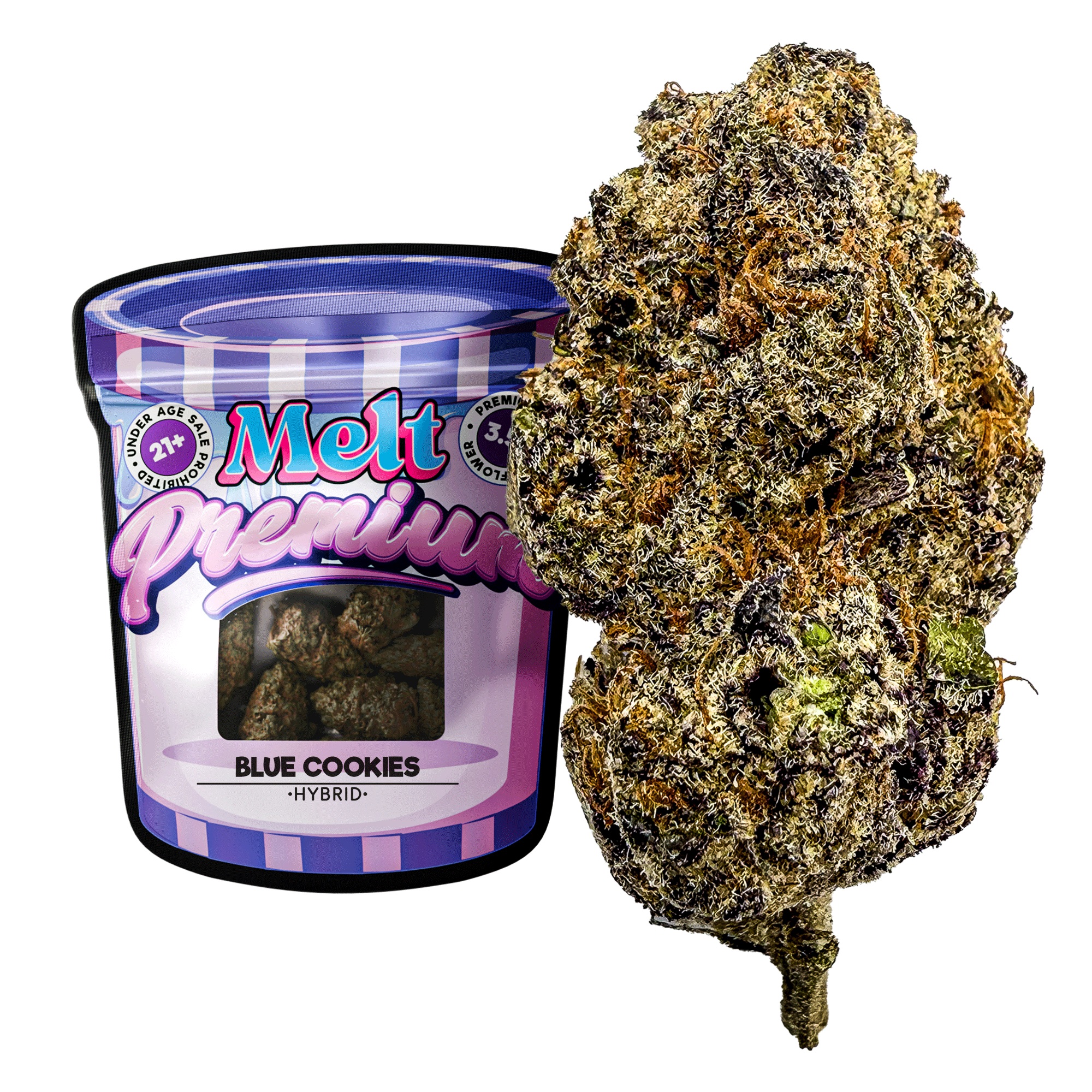
If you want cannabis products with strain-specific terpene profiles and easy-to-check lab transparency, browse Melt. Their focus on third-party testing and clearly presented product information makes it easier to shop for experiences that feel intentional, not random.
Your cart is currently empty.