



Free Shipping All Orders Over $95
You're probably seeing THCA flower, THCA pre-rolls, or “legal high-potency hemp” on a menu or product page right now and trying to answer one practical question: Is THCA safe?
The honest answer is that it can be, but safety doesn't hinge on the label alone. It depends on how you use it, what's in the product, and your own health situation. That last part matters more than many shoppers realize.
A lot of quick explainers stop at a simple rule: raw THCA doesn't intoxicate, heated THCA does. That's true, but it's not the whole safety story. The larger risk for many buyers is the gap between what a product claims and what independent testing would show. A package can say “THCA-only.” That doesn't guarantee purity, legal compliance, or predictable effects.
If you want a useful answer to “is THCA safe,” think like a careful product reviewer, not a slogan reader. Ask three questions. Will I heat it? Has it been third-party tested? Could it interact with my body or medications?
That approach cuts through most of the confusion.
THCA has become one of the most misunderstood cannabinoids on the market. Some people hear “non-psychoactive” and assume it's automatically harmless. Others hear that it converts into THC and assume it's just regular cannabis with a legal disguise. Neither shortcut gives you a complete safety picture.
THCA stands for tetrahydrocannabinolic acid. In raw cannabis, it's the precursor to THC. That means it's the earlier form of the molecule, before heat changes it. Safety starts with understanding that chemistry, but it doesn't end there.
The next layer is product quality. In a tightly regulated system, a label might be enough to give you confidence. In a loose or inconsistent market, it isn't. The same category name can include well-made products with clean lab reports, and sketchy products with missing or incomplete testing.
Practical rule: Don't treat “THCA” as a safety claim. Treat it as the start of your checklist.
Personal context matters too. A healthy adult using a tested product occasionally faces a different risk profile than someone who is pregnant, nursing, taking prescription medication, or sensitive to intoxicating cannabinoids. The molecule doesn't exist in a vacuum. It interacts with the body, the product form, and the person using it.
Here's the simple framework to keep in mind:
The cleanest way to understand THCA is to think of it as THC before activation. The molecules are closely related, but they don't behave the same way in the body.
Current research indicates that THCA is generally non-psychoactive in its raw form and does not bind to cannabinoid receptors CB1 and CB2 in the brain, which helps explain why it doesn't produce the same intoxicating effects as THC. When heated through smoking, vaping, or cooking, THCA undergoes decarboxylation and converts into THC, which can trigger psychoactive effects within minutes, as described in this research review on cannabinoids and THCA.
A simple analogy helps here.
Think of your brain's cannabinoid receptors like locks. THCA is like a key blank that hasn't been cut yet. It exists, it has shape, but it doesn't fit the lock the way THC does. Once heat is applied, the key gets “cut” into a form that can interact much more directly.
That's why the raw molecule and the heated molecule lead to very different experiences.

A lot of confusion comes from product marketing. People see “THCA flower” and assume they're buying something entirely different from THC-rich cannabis. Chemically, the important difference is state, not identity. If that flower is smoked or vaped, the experience is no longer about raw THCA. It becomes a THC experience because heat changes the molecule.
That doesn't make THCA fraudulent as a term. It just means the label describes the product before use, not necessarily the effects after use.
Here's a quick comparison:
| Compound state | What it means in practice |
|---|---|
| Raw THCA | Non-intoxicating in its unheated form |
| Heated THCA | Converts into THC and can produce a high |
| THC | Already in its active intoxicating form |
This chemistry affects almost every safety question people ask.
If you're adding raw cannabis to a preparation without heating it, you're thinking about one set of concerns. If you're smoking a THCA pre-roll, you should think about impairment, timing, tolerance, and accidental overconsumption the same way you would with THC-forward cannabis.
A THCA label tells you what the molecule was before heat. It doesn't override what heat will do to it.
That's why “is THCA safe” can't be answered with a blanket yes or no. The right answer starts with a more specific question: safe in what form, and under what conditions?
Most confusion around THCA comes from mixing up two very different use cases. One involves raw THCA. The other involves heated THCA. They sit under the same acronym, but they don't belong in the same mental bucket.

Raw THCA is the version people talk about when they want cannabinoid exposure without intoxication. That could mean a raw preparation, an unheated tincture, or another format designed to avoid decarboxylation.
Some early research has explored possible neuroprotective, anti-inflammatory, anti-nausea, and anti-seizure effects, mostly in animal models rather than large human trials. That makes raw THCA interesting, but still preliminary from a clinical standpoint.
For a consumer, the practical point is simple. If heat never enters the equation, the experience won't mirror smoking THC-rich cannabis.
Heated THCA is what most buyers mean when they shop for THCA flower, pre-rolls, or vapes. The moment that material is smoked, vaped, or cooked, the chemistry changes and the effects change with it.
That means the safety conversation shifts toward the familiar concerns tied to THC-like effects:
A comparison is more useful than a slogan.
| Use style | Likely experience | Main safety focus |
|---|---|---|
| Raw THCA | No intoxicating effect expected | Product purity, medication review, limited human data |
| Heated THCA | THC-like psychoactive effect | Impairment, dose control, contamination, setting |
One easy mistake is assuming the word “raw” still applies once a product is in a joint, bowl, or vape. It doesn't. The heating step is the switch.
Another mistake is assuming raw use is automatically low-risk. It may avoid intoxication, but you still have to think about contaminants, labeling accuracy, and possible interactions with medications. Safety isn't only about whether you get high.
If your plan is to smoke or vape THCA flower, evaluate it like a product that will act as THC in the body, not like a separate harmless category.
THCA isn't described as dangerous in the available research, but that doesn't mean it's risk-free. The concerns fall into three buckets: common side effects, product-related risks, and who should avoid it or get medical advice first.
The most commonly reported side effect in human users is drowsiness, occurring in approximately 30 to 40 percent of users, and it typically fades within 2 to 4 hours, according to WebMD's overview of THCA. The same source notes other minor side effects, including dry mouth and temporary dizziness, and says pregnant and nursing individuals should avoid THCA entirely because research is insufficient.
Those effects may sound mild on paper, but they matter in real life. Drowsiness can be inconvenient if you planned to work, drive, or stay mentally sharp. Temporary dizziness can become more noticeable if you stand up quickly, combine cannabinoids with alcohol, or use more than your body tolerates well.
Medication interactions are where casual advice often fails people.
Available guidance suggests caution if you take prescription drugs, especially medications metabolized by the liver. The verified data also notes concern for people using blood thinners, antidepressants, or anti-seizure drugs, because THCA may increase their blood levels. That doesn't mean an interaction is guaranteed. It means you shouldn't guess.
A clinician matters most if you:
If you're also worried about workplace screening, this guide on THCA and drug testing covers the practical concern many consumers miss until it's too late.
Some groups shouldn't take a trial-and-error approach.
When the evidence is limited, caution is part of evidence-based use, not a sign of panic.
If you want the most practical answer to “is THCA safe,” start here: the biggest day-to-day safety risk often isn't the THCA molecule itself. It's the product quality.
A clean, accurately labeled product and a contaminated, poorly documented product can both sit in the same search results. They can both say “hemp-derived.” They can both claim compliance. That doesn't make them equally safe.

Research summarized by Recovered reports that a 2024 FDA study found 68% of untested hemp-derived cannabinoid products exceeded the 0.3% delta-9 THC legal limit due to unlabeled contaminants, raising concerns about drug test failures and impaired driving in unregulated markets, as discussed in this review of THCA side effects and contamination risks.
That number should change how you think about risk.
A lot of consumers still focus on the raw-vs-heated distinction and stop there. But from a harm-reduction standpoint, a more urgent question is whether the product has been independently checked for:
A product marketed as “THCA-only” may be using a phrase that sounds precise without proving much. In loose markets, that label can be more of a sales line than a guarantee.
A Certificate of Analysis, or COA, is the closest thing a consumer has to a receipt from the lab. It shows what an independent lab found in the sample that was tested.
If a brand can't show one clearly, or makes it hard to find, that's not a minor issue. It removes your best tool for checking whether the product matches the label.
For a visual walkthrough, this video is a helpful primer on what testing and product review should look like.
A useful COA should let you confirm both potency and purity. If you want to understand the document itself, this guide on how to read a Certificate of Analysis walks through what to look for.
Consumers often rank risks in the wrong order. They ask:
A better order is:
The safest cannabinoid on paper becomes a bad bet if the product carrying it is dirty, mislabeled, or opaque.
Good harm reduction is less about fear and more about routine. You don't need a lab background to shop carefully. You need a short system you can repeat each time.

A lot of buyers do this backward. They pick the strain first, then glance at testing later. Flip that.
Before you care about terpene descriptions or branding, check whether the product page provides a recent third-party COA and whether it's easy to match that report to the item you're buying.
Look for these basics:
If you want practical usage basics for flower formats, this guide on how to use THCA flower is a useful companion.
One of the smartest habits with cannabinoids is assuming your first session should be smaller than your ego wants.
Verified guidance recommends starting low, with examples like 5 to 10 mg in contexts where dosing applies, and adjusting based on response rather than ambition. That's especially important for people new to cannabinoids, sensitive to THC-like effects, or trying a product from a new format.
A few practical rules help:
Cannabinoids and terpenes don't stay identical forever. Heat, light, and air can degrade quality and change the experience.
Keep products:
That advice sounds simple because it is. Good storage won't fix a bad product, but it can keep a good one from becoming less stable or less pleasant.
Some warning signs aren't subtle.
| Red flag | Why it matters |
|---|---|
| No visible lab report | You can't verify purity or potency |
| Claims that sound absolute | “THCA-only” or “totally risk-free” language can hide uncertainty |
| Vague sourcing | If you can't tell where or how it was made, trust drops fast |
| Missing health cautions | Serious brands don't pretend interactions and impairment don't exist |
You don't need permission for every purchase. But some situations call for an actual medical conversation before regular use.
That includes people who are pregnant or nursing, anyone taking prescription medications that rely on liver metabolism, and anyone managing conditions where sedation, dizziness, or cannabinoid interactions could complicate care.
A cautious start isn't overthinking. It's what responsible use looks like when evidence is still developing.
So, is THCA safe?
The best answer is sometimes, under the right conditions. Raw THCA and heated THCA are not the same experience. Your health status matters. Your medication list matters. But the most overlooked factor is still product purity.
That's the key takeaway many shoppers miss. The label alone doesn't protect you. The word “THCA” doesn't prove that a product is clean, compliant, or accurately represented. A transparent third-party lab report gets you much closer to that answer.
If you remember only three things, make them these:
Consumers make better choices when they stop treating cannabinoid names like guarantees and start treating them like variables to verify. That mindset lowers the odds of surprise intoxication, contaminated products, and avoidable interactions.
THCA can fit into a responsible adult cannabis routine. It just shouldn't be approached casually, especially in an uneven market where testing quality separates trustworthy products from risky ones.
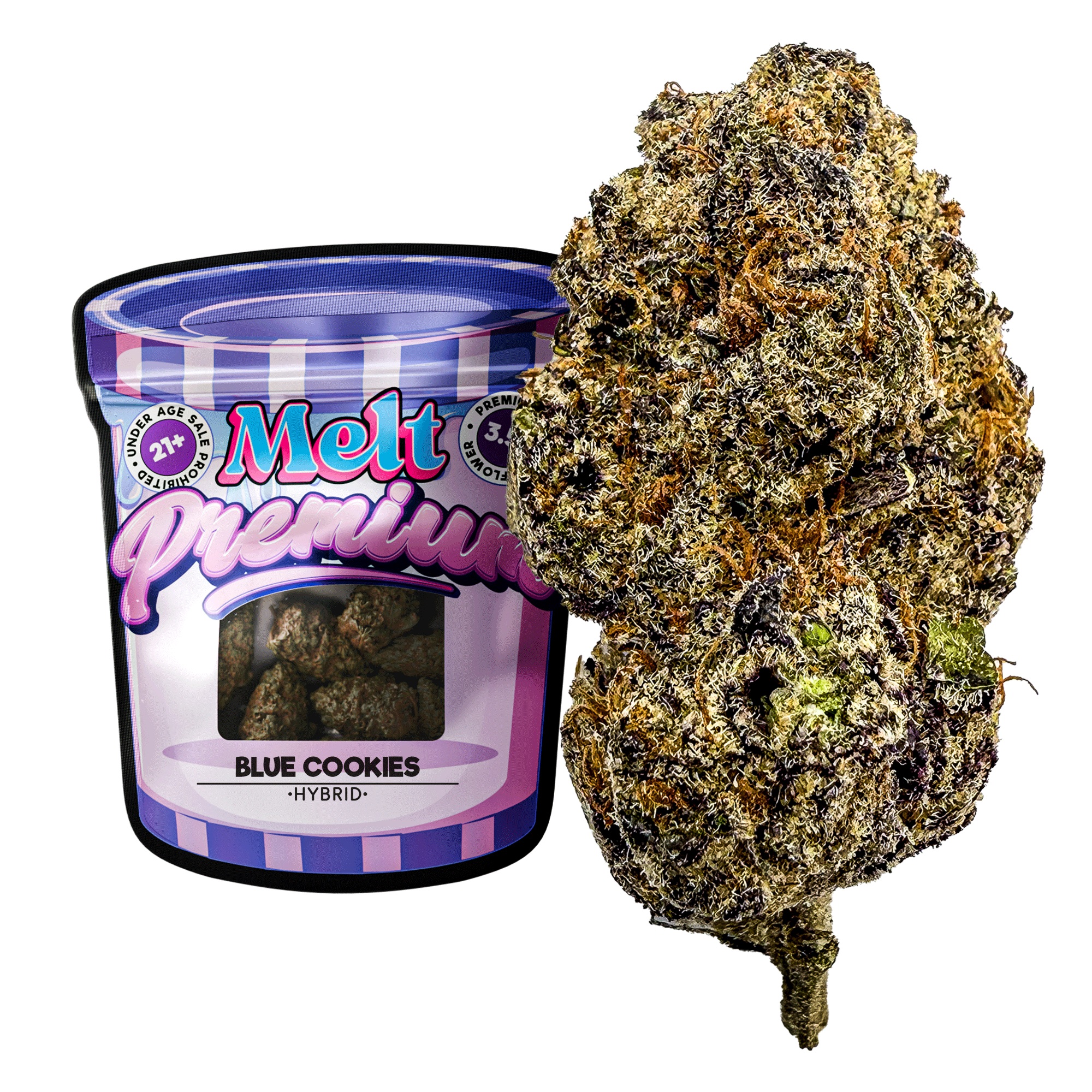
If you want lab-tested hemp-derived cannabinoids with transparent reports, Melt is worth a look. Their lineup includes THCA flower, Duo prerolls, disposables, and edibles, with a strong emphasis on third-party testing, clear product documentation, and compliant shipping where allowed.
Your cart is currently empty.