



Free Shipping All Orders Over $95
Oreoz is a potent indica-dominant hybrid that's usually listed at about a 70% indica / 30% sativa split, and it's best known for its powerful relaxing effects. But that label is only the starting point, because the way your specific batch feels depends a lot more on its terpene profile, potency, and lab results than the word “indica” alone.
If you're standing in front of a menu, scrolling an online shop, or holding a jar and asking whether Oreoz will knock you into the couch or just help you unwind, you're asking the right question. A lot of strain pages give a quick label and move on. That's not enough for a strain like Oreoz.
Oreoz has built a reputation as a dessert-leaning, body-heavy cultivar, but the practical experience can shift from batch to batch. One lot may feel smooth, calming, and euphoric. Another may hit much harder and feel more sedating. That's why smart shoppers don't stop at “indica or sativa.” They check what the flower contains.
You see Oreoz on a menu, notice the indica-dominant tag, and try to predict the experience from that one line. That label gives you a useful starting point, but it does not tell the whole story.
Oreoz is generally sold and discussed as an indica-dominant hybrid with a body-forward, calming reputation. For many shoppers, that suggests evening use, slower pacing, and a heavier overall feel. The part that often gets missed is batch variation. Two jars with the same strain name can land very differently if their cannabinoid levels and terpene balance are not the same.
The indica or sativa label works more like a broad category than a precise forecast. Seeing "indica-dominant" tells you the flower likely leans relaxing, but it does not tell you whether your specific batch will feel softly calming, mentally foggy, or strongly sedating.
That gap matters with Oreoz because it is often marketed through its reputation first. Dessert-style aroma, dense buds, and a heavier vibe can all be true, yet the more specific consumer question is: what will this jar feel like tonight? The best answer comes from the batch report, not the nickname.
Practical rule: Treat “indica-dominant” as the headline. Use the lab results to read the fine print.
If you want a better answer to Oreoz strain indica or sativa, check the chemistry behind the label:
That is the difference between shopping by stereotype and shopping with real information. If you want to compare a live product example against its testing details, this Oreoz indica THCA flower listing shows the kind of page worth reviewing closely before you buy.
For a strain like Oreoz, transparency matters. A clean lab report and a clearly labeled terpene profile will usually tell you more than the words “indica” or “sativa” ever could.
Oreoz didn't become popular just because of a catchy name. Its appeal is tied to a specific modern lineage. Oreoz is widely attributed to 3rd Coast Genetics as a first-generation cross of Cookies and Cream × Secret Weapon, and that same lineage is tied to a 9-week indoor flowering cycle and the resin-heavy, boutique-style bud structure people often associate with the strain, according to this Oreoz breeding overview from Fun With Dizzies.

The easiest way to understand cannabis genetics is to think of breeding like building a house recipe. The breeder chooses two parents for a reason. They're not just blending names. They're selecting for structure, resin, aroma, and effects.
With Oreoz, that recipe helps explain why the strain is so often described as dessert-like and body-heavy. Its lineage points toward a flower that isn't chasing a bright, daytime vibe. It's built more for richness, density, and impact.
A first-generation cross matters because it often gives a strain a clearer identity. In plain terms, the result can be more consistent than a much more tangled family tree. That doesn't mean every batch feels identical. It does mean the strain has a recognizable lane.
Here's what that genetic background helps explain:
Genetics tell you what the plant is built to do. The final batch tells you how that expression showed up in real life.
The genetics also help explain why Oreoz became popular in boutique flower circles. It checks a lot of boxes connoisseurs care about. Strong visual appeal, rich aroma, and a profile that feels indulgent rather than generic.
If the label says “indica-dominant,” terpenes explain why one Oreoz batch feels plush and sleepy while another feels calmer but more upbeat. Oreoz is commonly reported at a 70/30 indica-to-sativa split, with THC frequently testing in the high 20s and reaching up to 33%, and its effects are consistently described as euphoric and profoundly relaxing, which is why it's often positioned as a nighttime strain in The Hemp Doctor's Oreoz strain guide.

Oreoz is usually described in a familiar sequence. First comes a pleasant lift in mood. Then the body side starts showing up. Shoulders drop. Thoughts slow down. The session becomes more about settling in than getting things done.
That's why this strain often fits end-of-day use better than a busy afternoon. It isn't typically framed as a productivity flower. It's more like putting on a soft heavyweight hoodie after a long day.
A simple way to read the experience:
| What you may notice | What it often feels like |
|---|---|
| Euphoria | A warm, happy shift in mood |
| Body relaxation | Physical ease and less tension |
| Sedation at higher intake | Heavier, slower, more couch-friendly effects |
Many strain guides often stop too soon. They tell you Oreoz is indica-dominant, maybe mention dessert notes, and leave it there. The more useful question is which terpenes are leading the batch.
Oreoz is commonly associated with caryophyllene, limonene, and myrcene, with some discussions also mentioning humulene. Those names sound technical, but the practical takeaway is simple. They help shape the tone of the high.
If you want a clearer primer on how these compounds work, this guide on what terpenes in weed actually do is worth reading before you buy by strain name alone.
A strain name tells you the story. A terpene panel tells you the mood.
This is the part shoppers often miss. Even when the jar says Oreoz, the chemistry may not match another batch you tried before. A myrcene-forward lot may feel heavier. A batch with a more noticeable limonene presence may feel a little more balanced and upbeat before the body effects settle in.
That's why connoisseurs often shop backward. They don't start with the prettiest name. They start with the lab panel, then ask whether the terpene mix matches the experience they want.
Oreoz has a reputation for strength, and that matters more than the dessert flavor ever will. Because it's often cited in the 22% to 33% THC range, Oreoz is frequently described as intense for newer consumers, and user-reported negatives can include anxiety or paranoia despite its relaxing reputation, as noted in this Oreoz safety-focused overview from Mango Cannabis.
A lot of people get into trouble with potent flower because the aroma feels soft and sweet, so they assume the experience will be gentle. Oreoz doesn't always behave that way. It can feel smooth on the front end and still arrive with serious force.
If you're newer, the safest move is simple:
Best approach: Start low, go slow, and let the first few minutes tell you whether this batch is friendly or forceful.
Some shoppers see THCA on a label and assume it must be milder than THC. In practice, heating THCA flower converts it into active THC, which is why a legal hemp-derived THCA flower can still deliver a very potent experience when smoked or vaped.
That's especially important with a strain like Oreoz. The name may sound playful, but the effect profile can be serious. If you're brushing up on the basics first, this explainer on how to use THCA flower gives a clear rundown.
Oreoz usually makes more sense for situations like these:
If your goal is a crisp, daytime, task-focused high, Oreoz probably isn't the first jar to reach for.
The smartest way to buy Oreoz is to assume the name alone won't tell you enough. Batch variation is real. Leafwell notes that Oreoz can vary significantly between lots due to growing conditions and genetics, with THC levels ranging from 22% to over 33%, which makes checking batch-specific lab reports for terpene and cannabinoid content more reliable than trusting the strain name alone in Leafwell's Oreoz reference.
A quick visual check still matters, especially with a strain known for frosty presentation.

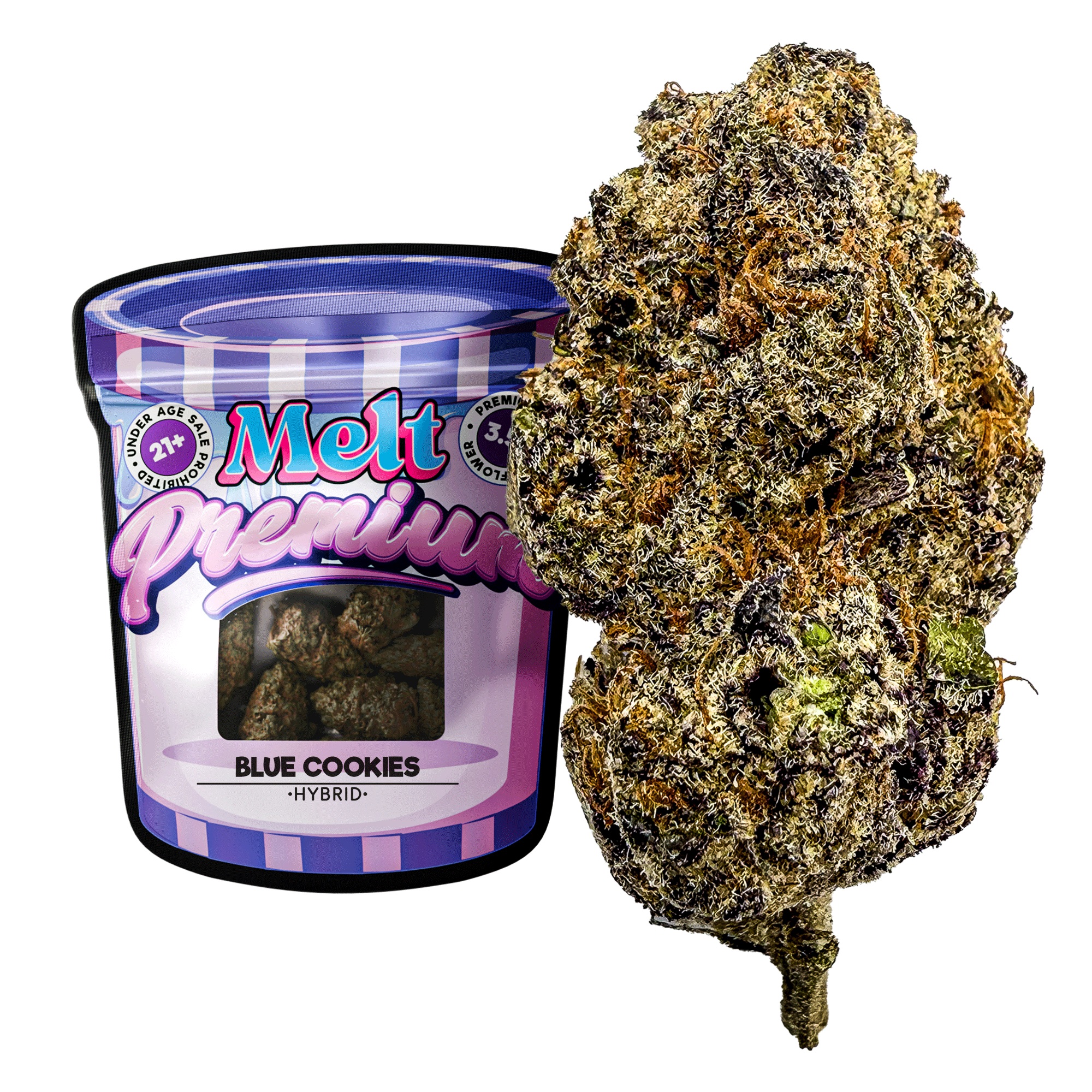
Good Oreoz usually looks and smells like it was handled with care. You're looking for flower that feels intentional, not rushed.
Here's a useful visual walkthrough before you compare a label to a COA.
The COA is where effective buying decisions are made. If you want a predictable experience, focus on these three parts.
| COA section | Why it matters |
|---|---|
| Cannabinoids | Shows whether the batch is likely to hit softly or hard |
| Terpenes | Helps predict whether the feel is heavier, brighter, or more balanced |
| Safety screening | Confirms the product was checked for contaminants |
The best buying habit is simple. Don't ask only, “Is Oreoz indica or sativa?” Ask, “What does this exact batch test for?”
Check the jar. Then check the paper behind the jar. The second step is what protects your experience.
A premium cannabis experience comes from transparency, not mystery. A nice strain name, dark purple buds, and dessert marketing can all be real. None of them replace a recent, batch-specific lab report.
If the lab panel is easy to access and easy to read, that's a good sign. If it's hidden, outdated, or missing terpene details, keep shopping.
You are standing at the counter after a long day, looking at a jar of Oreoz and wondering whether “indica-dominant” tells you enough to make a smart choice.
For plenty of adults, Oreoz is a good fit because it often points toward a fuller body feel, a richer dessert-style aroma, and a slower pace that makes more sense later in the day than before a packed schedule. If you already enjoy flower that feels flavorful, weighty, and settling, Oreoz will probably sound appealing.
That label is only the headline.
A better way to judge Oreoz is to treat the indica-dominant tag like the cover of a book, then read the pages that matter. The terpene profile helps you estimate whether your batch may feel heavier, calmer, sweeter, or slightly more balanced than expected. The lab report helps you see potency, confirm safety screening, and avoid guessing based on the name alone.
That matters because two jars labeled Oreoz can still feel different in practice. One batch may test with a terpene mix that reads creamier and more grounding. Another may carry the same strain name but land a little sharper or stronger because of its cannabinoid and terpene balance. If your tolerance is still developing, or if you want a clear daytime headspace, that difference is worth respecting.
Oreoz tends to make the most sense for shoppers who want a slower, more indulgent session and who are comfortable checking the COA before they buy. If you want something bright, task-friendly, or easy for a low-tolerance afternoon, a different cultivar may serve you better.
The short answer to “Oreoz strain indica or sativa” is still “indica-dominant.” The useful answer is more specific. Check what your exact batch tested for, how recent the lab report is, and whether the brand makes that information easy to verify.
If you buy that way, you are not shopping by hype. You are choosing based on chemistry, safety, and the kind of experience you want.
If you want premium hemp-derived flower, potent edibles, and strain-specific products backed by third-party testing, explore Melt. Their California approach puts transparency first, with clear lab reports, curated terpene profiles, and a lineup built for adults who care about flavor, consistency, and informed cannabis experiences.
Your cart is currently empty.