



Free Shipping All Orders Over $95
You're probably looking at a product menu right now that makes cannabis sound simpler than it is. One tab says THCA flower. Another says CBD tincture. Both may be described as hemp-derived. Both come from the same plant family. Yet one can fit a clear-headed daytime routine, while the other can turn into a classic THC-style session depending on how you use it.
That's where most buyers get tripped up.
The basic chemistry gets repeated everywhere, but the buying decision usually comes down to more practical questions. Will this get me high? Does vaping change the answer? Is “hemp-derived” low risk, or just loosely marketed that way? And if you want something functional rather than overwhelming, which lane makes more sense?
A good THCA vs CBD decision isn't about choosing the more popular cannabinoid. It's about matching the product to the experience you want, then checking whether the label, lab report, and legal framing hold up.
A lot of shoppers arrive at this comparison after a familiar moment. They wanted one simple thing: relax after work, stay level during the day, sleep better, or enjoy a stronger evening product. Then the store menu split that goal into dozens of formats, strain names, and cannabinoid labels.
One product promises a flower experience. Another sounds wellness-oriented. A third looks compliant because it's sold under a hemp banner. On paper, they can seem close enough to substitute for each other. In practice, they're not.
The most useful way to think about THCA vs CBD is that they represent two different paths from cannabis. One path stays centered on non-intoxicating use. The other can remain raw and non-intoxicating in theory, but often becomes something very different once heat enters the picture.
Practical rule: Don't buy by cannabinoid name alone. Buy by the effect you want, the way you'll consume it, and the level of legal caution you need.
That last part matters more than many people expect. A shopper may assume “hemp” means low-intensity and low-risk. That's often true with CBD-focused products. It gets much murkier with THCA flower, especially if your actual plan is to smoke it, vape it, or carry it somewhere that won't care about chemistry distinctions.
If you answer those four questions truthfully, the confusion clears up fast. THCA and CBD aren't interchangeable. They solve different problems, and they carry different trade-offs.
If you want the short version, here it is. THCA is the acidic precursor to THC and converts to THC through decarboxylation when heated, so smoked or vaped THCA flower can deliver a classic THC-type high. CBD does not produce that intoxicating effect when heated or otherwise consumed, as explained in Enthea Care's THCA vs CBD overview.

| Feature | THCA | CBD |
|---|---|---|
| Core identity | Acidic precursor to THC | Separate cannabinoid |
| Intoxicating when unheated | No | No |
| What heat does | Converts THCA into THC | Remains non-intoxicating |
| Typical flower outcome when smoked or vaped | THC-like high | Non-intoxicating cannabis experience |
| Common shopper appeal | Stronger evening or recreational effect | Clear-headed routine use |
| Hemp-market positioning | Often sold as hemp if compliant on delta-9 THC | Commonly sold as hemp for non-intoxicating use |
That table handles the headline difference. The harder part is where people make mistakes: they compare raw chemistry instead of real use.
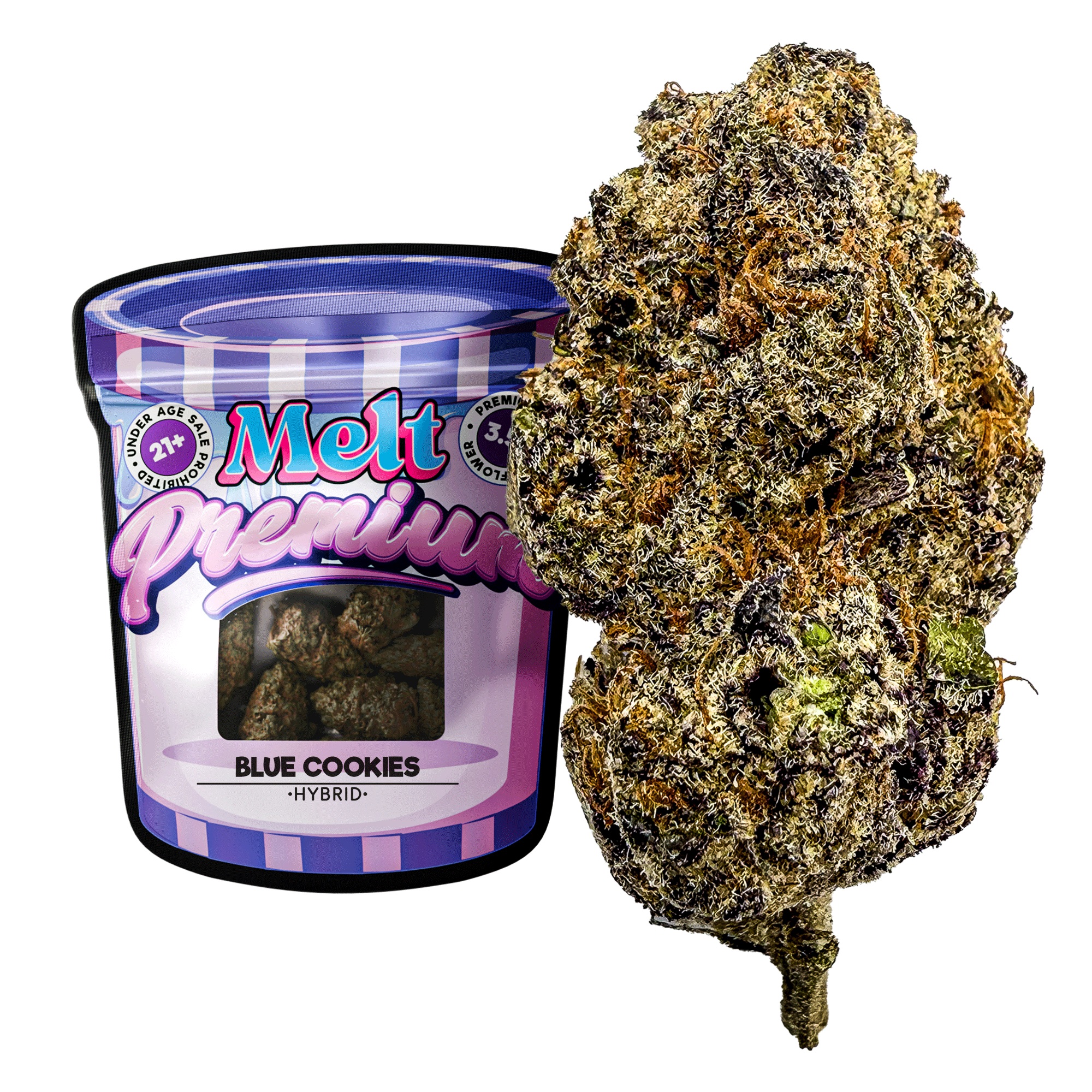
THCA makes sense for buyers who are chasing flower culture, stronger sensory impact, and a more traditional psychoactive session once the product is heated. If your plan is to smoke a joint, use a preroll, or hit a vape, THCA isn't staying in its raw state for long.
CBD fits a different lane. It's usually the better match for people who want steadier support without feeling mentally altered. That's why it shows up so often in daytime routines, post-workout habits, and low-friction evening use.
THCA and CBD can both appear under the hemp umbrella. That does not mean they produce the same result in your body.
Ask yourself one direct question: Do you want intoxication to be part of the experience?
If the answer is yes, and you're using a heated format, THCA is the relevant category. If the answer is no, CBD is usually the cleaner fit.
A second question matters almost as much: Will I use this product raw, or will I heat it? Many people buy THCA because they read “non-psychoactive,” then consume it in the exact way that changes that answer.
That's the split worth keeping in mind for the rest of the comparison.
The gap between THCA and CBD starts with chemistry, but the effect difference only becomes real when you look at use method.

Decarboxylation is the key idea. In plain terms, heat changes THCA into THC. That's why a raw flower and a smoked flower aren't the same experience, even if they came from the same jar.
For a consumer, that means the meaningful question isn't “Is THCA psychoactive on paper?” It's “What am I doing with it?” If you light it, vape it, or otherwise expose it to enough heat, you're no longer dealing with the same practical effect profile.
If you want a deeper plain-English explainer on the mechanics, Melt's guide on what THCA is and how it works is a useful companion.
A short visual helps make that conversion easier to grasp:
CBD doesn't need that same heat-triggered identity change to become “active” in the way buyers usually mean it. Its appeal is that it remains non-intoxicating in normal use, which makes it easier to slot into routines where mental clarity still matters.
That doesn't mean all CBD products feel identical. Flower, tinctures, gummies, and vapes all land differently. But the experience tends to stay on the side of subtle support rather than classic THC-style euphoria.
Here's where chemistry turns into lived experience:
The same cannabinoid label can mislead you if the product format does the real talking.
The biggest mistake is buying by abstract compound description and ignoring the format. If someone wants a calm daytime product but buys THCA flower because the listing emphasizes raw chemistry, they may end up with the opposite of what they intended once they smoke it.
The reverse happens too. Some buyers choose CBD flower expecting a strong traditional high because it looks and smells like cannabis flower. The ritual may feel familiar, but the endpoint usually won't.
That's why experienced consumers don't stop at the cannabinoid name. They ask three follow-up questions: Is this flower, vape, edible, or tincture? Will heat be involved? And do I want a noticeable shift or a functional one?
The most useful way to settle THCA vs CBD is to stop thinking like a chemist and start thinking like a buyer with a schedule. Morning, workday, gym, dinner, couch, social plans, and sleep all place different demands on a product.

Independent medical literature highlighted a major gap in public guidance: most THCA-vs-CBD explainers say THCA becomes THC when heated, but they rarely answer the practical consumer question of what counts as heating and whether everyday use methods change the experience, as discussed in this review of cannabinoid forms and use context.
THCA makes the most sense for people who want the stronger side of cannabis once the product is used in a heated format. That usually means evening use, social downtime, music, movies, appetite, or a slower end to the day.
A few common fits:
Buyers need honesty with themselves. If you know you plan to smoke or vape the product, don't frame THCA as a wellness loophole. Treat it as a route to an intoxicating experience.
CBD is usually the better call when you want support without a cognitive detour. It fits routines where you still need to answer messages, stay social without getting hazy, or keep your day moving.
Typical use cases include:
For many adults, CBD works because it leaves more room around the experience. You're not planning the next few hours around it in the same way.
This is the under-discussed part of the conversation. A shopper may compare raw THCA to CBD conceptually, then consume THCA flower in a way that makes that comparison less relevant.
Here's the practical filter:
Those questions usually resolve the choice faster than long receptor discussions.
Some consumers don't need a strict either-or answer. They want CBD in the daytime and THCA products for later. Others prefer to keep CBD around as a moderation tool within a broader cannabis routine.
That's a smart approach if your needs change by hour rather than by identity. You don't have to be “a THCA person” or “a CBD person.” You can be someone who uses each category deliberately.
For a more lifestyle-focused comparison, Melt also has a guide on CBD vs THCA for wellness.
Buy for the moment you'll use it in, not the marketing sentence that caught your eye.
You find a jar labeled hemp-derived THCA flower, see a legal-looking claim on the product page, and assume it belongs in the same low-friction category as CBD. That assumption causes problems.

The phrase hemp-derived answers only part of the question. Under federal hemp rules, products are often framed around the 0.3% delta-9 THC dry-weight threshold before use. For CBD, that usually lines up with the customer experience. For THCA, it can fail to tell the full story because heating the product changes what you feel.
That gap between lab classification and real-world use is the point buyers need to understand. A THCA flower jar may be marketed as compliant on paper, yet the moment you smoke or vape it, you are no longer dealing with a CBD-like experience.
The legal confusion around that split is one reason THCA requires more buyer caution than CBD, as noted in The New Amsterdam's THCA vs CBD guide.
Experienced buyers treat the label as the starting point, not the proof.
Use this checklist before you order:
If you want a practical walkthrough, Melt's guide on how to read a certificate of analysis shows what to verify before buying any inhalable or ingestible cannabinoid product.
A polished product page can hide stale lab reports, incomplete testing, or a legal claim that says less than buyers think.
Good operators make the paperwork easy to find. They post third-party lab reports, list batch details, explain restrictions, and avoid fuzzy wording that blurs the line between compliant sourcing and likely effects.
I put extra scrutiny on THCA brands for one practical reason. The category attracts marketing that sounds safer or simpler than the actual use case. If a seller keeps repeating “legal hemp” but makes it hard to verify potency, testing dates, or shipping limits, that is a reason to pass.
CBD products can still be mislabeled, of course. But with THCA, the consequences of misunderstanding the label are higher because the product may be sold under hemp rules while still delivering an experience many buyers would classify very differently once it is heated.
You buy a jar labeled THCA flower for a quiet evening at home, then realize too late that your real question was never the label. It was how that product would behave once you smoked it, how fast it would hit, and whether it fit the rest of your night.
That is the practical filter that matters.
Start with use method, not cannabinoid. The same compound can feel very different depending on whether you inhale it, eat it, or measure it under the tongue.
In plain terms, hemp-derived THCA and CBD can sit in the same legal shopping category while delivering very different results in real use. That gap matters most with inhaled products.
CBD usually gives you a wider margin for error. Heated THCA does not.
I tell buyers to keep the first session boring. Use the smallest amount that still counts as a real trial. Wait long enough for that format to show its full shape. Then adjust one variable at a time.
A simple framework works:
That is how you learn what the product does instead of guessing.
Too much heated THCA usually feels obvious. The session gets heavier than planned. Focus drops. The setting matters more. A product that seemed fine for a late evening can be a bad fit before errands, work, or social plans.
CBD mistakes look different. Buyers often expect a dramatic sensation, feel very little in the first hour, and assume the product is weak. In many cases, the product is doing what CBD does best. It supports a steadier state instead of announcing itself.
That distinction saves money. It also saves frustration.
A good buying process is rarely exciting. It is specific.
A brief factual note on Melt fits here because the category layout matters. The brand separates THCA flower, disposables, edibles, and CBD products in a way that makes comparison easier for buyers who care about format first and effect second.
The best purchase usually feels almost uneventful. You checked the lab work, picked a format that suits your schedule, and chose a cannabinoid that matches the outcome you desire. That is how experienced buyers avoid the common mistake of purchasing under hemp language and dosing for a completely different experience.
Your cart is currently empty.