



Free Shipping All Orders Over $95
The most popular advice about pinene terpene effects is also the least secure: that a pine-scented cannabis product will automatically sharpen focus and cancel THC-related mental fog. That promise sounds plausible because pinene smells fresh and alert, but aroma, animal research, and human impairment data are not interchangeable. A terpene's name on a label can't predict a guaranteed experience.
The strongest corrective comes from a 2025 controlled human study. In that study, 15 mg of inhaled α-pinene alone produced no significant acute pharmacodynamic effects compared with placebo and didn't reduce THC-related cognitive impairment. The finding doesn't prove that pinene can never influence mood or perception. It does show that “pinene equals clarity” is far too confident, especially when the product's dose, delivery method, cannabinoid content, and complete terpene profile remain unknown.
Terpenes still matter. They shape aroma and flavor, may contribute to how a product feels, and can behave differently across concentrations and molecular forms. The useful question isn't whether pinene has a single universal effect. It's how much is present, how it enters the body, what it's combined with, and whether your own response matches the label's description.
“Buy pinene-rich cannabis for focus” is a marketing shortcut, not a verified rule. The human evidence currently points in a more complicated direction. In the 2025 controlled human study of α-pinene and THC, researchers found that 15 mg inhaled α-pinene alone didn't produce significant acute pharmacodynamic effects versus placebo. It also didn't reduce THC-related cognitive impairment or alter the other subjective and physiological effects measured.
That result matters because it tested the claim consumers hear. A product may smell like pine, feel subjectively fresh, or appeal to someone who prefers a crisp aroma, but those observations don't demonstrate that pinene protects attention or reverses THC impairment. A person can enjoy a clearer-feeling session without becoming less impaired.
Your brain responds to smell, expectation, cannabinoids, setting, and prior experience at the same time. If a label describes a strain as focused, a consumer may notice alertness and interpret the entire experience through that expectation. That interpretation can be meaningful personally, but it isn't the same as a controlled measurement of attention, reaction, memory, or impairment.
The study also helps separate pinene alone from pinene inside a cannabis product. Cannabis contains cannabinoids and multiple aromatic compounds, and inhaled products can deliver them at different rates. A flower sample, a concentrated disposable, and an edible don't create the same exposure pattern, even if their labels use the same strain name.
Practical rule: Treat “clear-headed” as a preference description, not a promise that THC impairment has been neutralized.
Readers who want the basic plant chemistry first can review this guide to terpenes in weed. The sensible takeaway is modest: pinene may help define a product's scent and character, but current controlled human evidence doesn't support reliably using it as an antidote to THC fog.
Terpenes are aromatic plant compounds. You encounter pinene's family resemblance when you walk through a pine forest, crush rosemary between your fingers, or handle resinous herbs. Cannabis is one source, but it isn't the only one. Plants produce these volatile compounds as part of their chemical defenses and interactions with their surroundings.
The name pinene usually refers to two closely related molecules, α-pinene and β-pinene. They share the same basic chemical formula but differ in how their atoms are arranged. That small structural distinction can change scent, biological behavior, and how researchers interpret test results.
α-Pinene is commonly associated with a sharper, resinous pine aroma. β-Pinene tends to contribute more herbal, woody, or spice-like notes. These descriptions aren't a reliable forecast of intoxication, but they can help explain why two products both labeled “pinene-forward” may smell noticeably different.

Chemists also distinguish between enantiomers, which are molecular versions that behave like left and right hands. They contain the same ingredients but fit into biological environments differently. Research on inhalation irritation shows why that distinction can't be ignored. The (+) and (−) forms of α-pinene didn't produce identical responses in the respiratory data discussed later.
A product label that reports only “pinene” may therefore leave out useful detail. It may identify the terpene family without specifying the exact form, proportion, or route of exposure. Consumers don't need a chemistry degree to shop carefully, but they should understand that the same familiar name can cover molecules with different behavior.
For a broader introduction to the way terpenes interact with cannabis compounds, see how terpenes work. The practical foundation is simple: α-pinene and β-pinene are related but not identical, and molecular form, concentration, and delivery route all influence what happens next.
The entourage effect is often presented as a guarantee that terpenes improve or balance cannabinoid effects. A more careful interpretation treats it as a question about interactions. Pinene may coexist with THC, THCA, CBD, and other compounds, but the presence of several ingredients doesn't prove that every combination creates a predictable benefit.
Animal research offers a useful example of why timing and exposure matter. In a 2014 mouse study, daily inhalation of α-pinene produced significant anxiolytic-like activity that remained constant across five days of exposure. At the same time, α-pinene accumulation in the brain and liver peaked on day three, showing that biological exposure and behavioral effects didn't move in a simple one-to-one pattern. The findings come from mice, so they don't establish a human anxiety treatment or a guaranteed cannabis experience, but they do challenge the idea that more exposure automatically means a stronger behavioral effect. The details are available in the full study on daily α-pinene inhalation.

A single inhalation session and repeated use aren't biologically identical. The body may absorb, distribute, and clear volatile compounds differently over time, while the consumer's expectations, tolerance, setting, and cannabinoid dose also change the experience. A terpene profile can contribute to a product's character without acting like a fixed switch labeled “calm” or “focused.”
The human THC study described earlier adds an important boundary. 15 mg of inhaled α-pinene didn't reduce THC-related cognitive impairment, so consumers shouldn't use pinene as a safety strategy before driving, working, or making decisions that require unimpaired judgment. A pleasant aroma can coexist with impairment.
A careful framework looks at the whole formulation:
For a plain-language discussion of the broader concept, read this entourage effect explanation. The evidence supports exploration and careful observation, not a promise that pinene will counteract THC.
Strain names can provide a starting point, but they're not laboratory measurements. Jack Herer, Blue Dream, and Dutch Treat are commonly described by consumers and retailers as pinene-forward, yet the actual profile can vary by cultivation, harvest, storage, and batch. Two products carrying the same name may not smell or test alike.
| Strain | Pinene Profile | Common Terpene Partners | Aroma Notes |
|---|---|---|---|
| Jack Herer | Often selected for a noticeable pine presence | Terpinolene, myrcene | Pine, herbs, spice |
| Blue Dream | Frequently associated with a fresh pinene character | Citrus and floral terpenes | Pine, berry, bright herbs |
| Dutch Treat | Commonly described as herbal and resinous | Myrcene and other woody terpenes | Pine, earth, sweet herbs |
These descriptions help with shopping, not prediction. The available human evidence doesn't justify promising focus or reduced impairment for any strain because its name is linked with pinene. Aroma preference is a legitimate reason to choose a product. It isn't proof of a specific mental outcome.
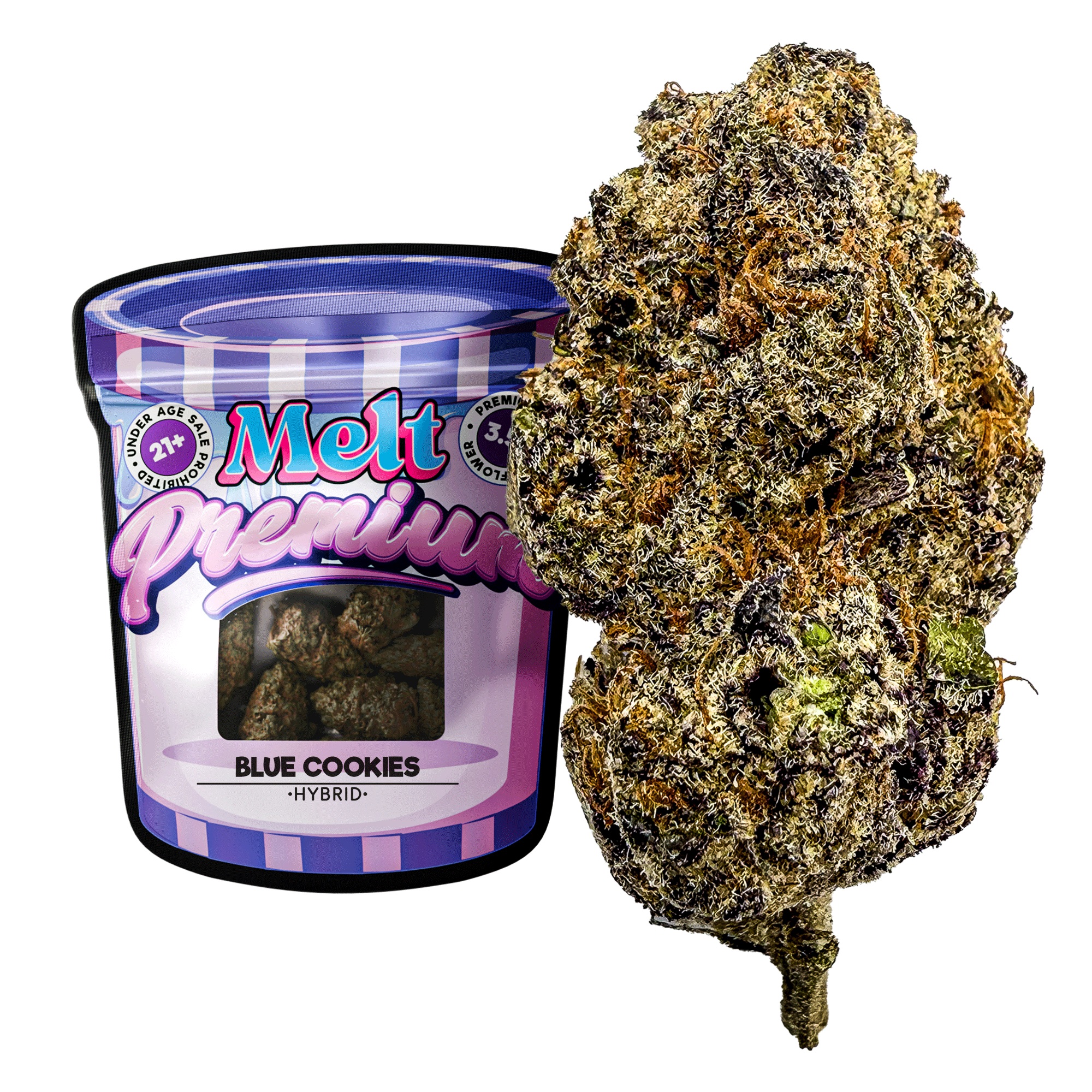
Indoor craft flower may preserve a layered aroma that includes pinene alongside many minor compounds. Sun-grown THCA flower can offer a different expression of the same broad terpene family because cultivation and post-harvest handling affect volatile compounds. A terpene-forward disposable may deliver a more concentrated flavor impression, but concentrated flavor doesn't automatically mean a better or clearer experience.
Edibles require a separate mindset. Digestion and metabolism make them unlike inhalable products, and adding a familiar terpene name to an edible doesn't recreate the sensory timing of flower or vapor. Consumers should compare the product's complete lab information, cannabinoid content, ingredient list, and route rather than assuming that “pinene” behaves identically in every format.
A useful comparison: A strain name is like a recipe title. The COA is the ingredient list for the batch you're actually holding.
Start with the aroma you enjoy, then verify the current batch report. If a product doesn't disclose α-pinene, β-pinene, total terpenes, and cannabinoid results clearly, its marketing language deserves less weight.
A certificate of analysis, or COA, gives you a better basis for comparison than a strain name alone. Start by finding the terpene panel, then look for separate entries for α-pinene and β-pinene. Some reports may group related compounds or provide limited detail, so note exactly what the laboratory tested and how it names each result.
A lab report measures chemical content. It doesn't guarantee that you'll feel focused, calm, euphoric, or less impaired. The 2025 human study is especially relevant here because an identified dose of inhaled α-pinene didn't reduce THC-related cognitive impairment. Use the COA to understand what's present, not to convert a terpene percentage into a promised experience.
Pinene safety depends heavily on concentration and route. Food or fragrance exposure isn't equivalent to inhaling a concentrated terpene mixture, and a cannabis flower's natural profile isn't the same as direct inhalation of undiluted essential oil. The respiratory data makes that distinction concrete.
A 2005 inhalation toxicology study found that the (+) enantiomer of α-pinene caused upper-respiratory sensory irritation in mice at a threshold near 70 parts per million, with a no-effect level in humans of about 40 parts per million. Significant airflow limitation appeared at 200 parts per million and higher. The (−) enantiomer was less irritating at low concentrations, but it still produced measurable tidal-volume decreases from around 400 parts per million, with consistent airflow limitation at approximately 2,000 parts per million and sudden death reported above 2,600 parts per million. These findings are detailed in the inhalation toxicology study record.
Those figures aren't a dosing guide for cannabis consumers. They come from controlled toxicology work involving specific enantiomers, exposure conditions, and test subjects. They do establish an important principle: pinene's respiratory effects are concentration-dependent and can become severe at high airborne levels.
Human and animal inhalation data also show stereochemical differences and dose-dependent irritation. The PubMed summary of the respiratory research reports upper-airway irritation and airflow limitation patterns for the two α-pinene enantiomers, while acute human exposure to turpentine mixtures containing α-pinene and β-pinene produced throat irritation and increased airway resistance.
Use caution if a product causes burning, persistent coughing, throat tightness, wheezing, chest discomfort, dizziness, or unusual shortness of breath. Stop using it rather than trying to push through the irritation, and seek medical care for severe or persistent breathing symptoms.
Safer practice: Don't inhale undiluted terpene additives or essential oils. Choose regulated, tested products, avoid unusually harsh vapor, and use the lowest effective temperature and amount for your device.
People with asthma, chronic respiratory disease, known fragrance sensitivity, or other medical concerns should speak with a qualified clinician before using inhaled terpene products. A “natural” label doesn't remove the need for dose awareness.
Choose by format, lab transparency, and personal response, not by the word “pinene” alone. A disposable may suit someone who wants a portable inhalable format, while THCA flower or a Duo preroll offers a different combustion or heating experience. An edible is a separate route entirely, so its timing and subjective effects shouldn't be compared directly with inhaled flower.
For a pinene-forward purchase, check whether the current COA identifies α-pinene and β-pinene, shows the broader terpene profile, and matches the exact batch. Melt offers disposables, THCA flower, Duo prerolls, and edibles, with product information and third-party lab reporting intended to help buyers evaluate cannabinoid and terpene content. The company also states that its online orders include discreet shipping and that free shipping applies over $50, as described in its publisher information.
Start with a product whose aroma you enjoy and a less concentrated option if you're unfamiliar with terpene-heavy inhalation. Record the format, batch profile, amount, onset, and whether you experienced irritation or impairment. Visit Melt to compare available products and their testing information, then choose based on documented chemistry rather than the promise that pinene will automatically make THC feel clear.
Your cart is currently empty.