



Free Shipping All Orders Over $95
Eco-friendly packaging is designed to reduce environmental impact across its full life cycle, from raw materials to end-of-life recovery. The sustainable packaging market was estimated at USD 248.5 billion in 2022 and projected to reach USD 412.8 billion by 2030, with a 6.6% compound annual growth rate, according to this sustainable packaging market estimate.
But what is eco friendly packaging when a package must also protect a product, survive shipping, satisfy a regulator, and give customers clear disposal instructions? A recyclable box that damages its contents may create more waste than a sturdier alternative. A compostable pouch may sound ideal but fail if no suitable composting facility accepts it.
The useful answer isn't a list of “green” materials. Eco-friendly packaging is a design approach that weighs material sourcing, manufacturing, product protection, transport, customer use, and disposal together. That distinction matters most in regulated categories such as cannabis, where child-resistance, tamper evidence, freshness, and labeling requirements can narrow the available choices.
What makes packaging eco-friendly when it must also protect a product, meet customer expectations, and work within real disposal systems?
Eco-friendly packaging reduces environmental harm across its life cycle while still performing its required job. The phrase describes a system of decisions, not one universally superior material. A package can use recycled content and still create problems through energy-intensive production, difficult transport, or an end-of-life route customers cannot access.
The full journey starts when a company extracts, grows, or recovers raw materials. It continues through processing, converting, printing, filling, storage, and transport. After opening, the package enters another stage. The customer may reuse, recycle, compost, dispose of, or abandon it.

A practical evaluation starts with three questions:
That makes “recyclable” an incomplete definition. A package may be technically recyclable yet difficult to collect, sort, or sell into a viable end market. A lightweight format may reduce material use but create problems when its layers cannot be separated by recycling facilities.
Consumer expectations also shape the category. In McKinsey's 2025 research, 39% of respondents globally said environmental impact was extremely or very important, compared with 20% in 2020, and recyclability ranked as the top packaging factor across the countries surveyed.
For regulated products such as cannabis, the same evaluation must include child-resistance, freshness, tamper evidence, and labeling requirements. Sustainability has to fit those safeguards, not compete with them.
Practical rule: A credible eco-friendly claim should describe the package's material, function, and realistic end-of-life route together.
Paper and paperboard are leading options because they can use renewable or recycled fiber and often fit established recycling systems. Their limits appear when products need moisture, grease, or strong barrier protection. Coatings and plastic components can provide that performance, while making recovery harder.
Recycled plastic, including rPET, retains the strength, clarity, and barrier properties required for many packages while reducing reliance on virgin resin. Results depend on the quality and availability of recycled feedstock, the package format, and whether customers can place the finished item into a suitable collection stream.
Bioplastics such as PLA come from bio-based feedstocks and can suit selected applications. Bio-based does not automatically mean compostable. Compostable formats need a compatible industrial composting route, along with disposal guidance that customers can follow.
Glass provides strong barrier performance and may support reuse or recycling. Its weight and fragility increase transport and handling demands. Aluminum is durable and often valuable in established recycling systems, although producing primary metal requires substantial resource input.
Mushroom- and seaweed-based materials remain more specialized. They may replace conventional foams or support new package formats, but buyers should check availability, moisture resistance, manufacturing scale, and local recovery pathways before treating them as a default choice.
| Material | Main Strength | Main Trade-off |
|---|---|---|
| Paper and paperboard | Renewable or recycled fiber, familiar recycling pathways | Coatings, wet strength, and mixed components can hinder recovery |
| Recycled plastic, including rPET | Lightweight, durable, and useful for barrier packaging | Depends on recycled feedstock and collection infrastructure |
| PLA and other bioplastics | Bio-based alternatives for selected applications | May require industrial composting and clear disposal guidance |
| Glass | Strong barrier and potential for reuse or recycling | Heavy, fragile, and transport-intensive |
| Aluminum | Durable and often valuable in recycling systems | Primary production has significant resource and energy demands |
| Mushroom or seaweed materials | Innovative alternatives for selected protective uses | Limited availability and application-specific performance |
The package format can matter as much as the resin or fiber. A mono-material package uses one primary material family, which can simplify sorting and recycling. A multi-layer laminate may protect against oxygen or moisture more effectively, yet its bonded layers can be difficult to separate after use.
That trade-off becomes sharper for regulated products such as cannabis. A package may need child-resistance, freshness protection, tamper evidence, and compliant labeling. Paper, recycled plastic, or a compostable component can support a sustainability goal only if the complete format still performs those jobs and fits a realistic recovery route.
Start with the product's protection requirements, then compare materials against local collection and processing systems. A material that looks less impressive in a marketing comparison may work better because customers can dispose of it correctly.
Sustainability labels help buyers verify specific attributes, but they don't turn a package into an all-purpose environmental solution. Read each mark as an answer to a narrow question: What has been certified, under which conditions, and for which disposal route?
FSC generally addresses responsibly sourced forest fiber and chain of custody. It can help a buyer verify that paper or wood-based material comes through documented sourcing systems. It doesn't prove that the package uses recycled content, requires minimal material, or will be recycled after use.
PCR, or post-consumer recycled content, describes material recovered after consumers have used and discarded it. A PCR claim can be valuable because it creates demand for recovered feedstock, but it doesn't guarantee that the finished package is recyclable or that every component contains recycled material. Ask whether the claim applies to the entire package or only one part.
How2Recycle provides standardized recycling instructions intended to make disposal clearer. Its presence can improve communication, but the actual outcome still depends on the collection and sorting system available to the customer.
BPI certification is associated with commercially compostable products in North America. OK Compost markings address compostability under the applicable certification conditions, commonly distinguishing industrial composting from home composting. Neither label means a customer can place the item in a backyard compost pile or any municipal organics bin.

Before approving a supplier claim, check:
Labels verify attributes. They don't replace a disposal plan.
A careful buyer also asks for technical documentation, certification scope, component details, and evidence that the supplier's description matches the package customers will receive. That process reduces the risk of greenwashing without dismissing useful certifications.
Recyclability is important, but recyclable doesn't automatically mean eco-friendly. A life-cycle assessment, or LCA, evaluates the package from raw-material extraction through processing, manufacturing, transport, use, and end-of-life treatment. It compares packages using a defined functional unit and can examine climate change, virgin resource use, ecotoxicity, and human-health impacts.

A package might reduce material weight but require a difficult coating. Another might use recycled content but travel farther to a converting facility. A compostable package might offer a useful end-of-life route in one city and go to landfill in another because no industrial composting collection exists.
An LCA of recycled PET trays offers a concrete example. For 1 kilogram of trays containing 85% recycled content, the cradle-to-grave footprint was 1.538 kilograms of CO2e. The raw-material stage contributed 45% of life-cycle greenhouse gases, while manufacturing contributed 38%. The same analysis estimated that moving from 85% to 100% recycled content could reduce the tray carbon footprint by 24%, as reported in this LCA of recycled PET trays.
The lesson isn't that every package should maximize recycled content at any cost. It is that the largest improvement may sit upstream, in feedstock selection, rather than in a front-of-pack recycling symbol.
For compostable and biodegradable formats, the boundary must include realistic disposal routes such as recycling, incineration, landfill, and industrial composting. Research on packaging life-cycle assessment explains why geography, functional unit, and recovery pathway need to be specified before comparing materials.
A useful LCA also connects to supply-chain visibility. Brands evaluating supplier claims can review supply chain transparency practices alongside material specifications, manufacturing details, and recovery assumptions.
The following video offers another visual way to understand how packaging impacts accumulate across its journey.
A good packaging decision starts with the product, not the material trend. A buyer should first define what the package must prevent: moisture pickup, oxygen exposure, breakage, leakage, tampering, light exposure, or loss of freshness. Removing protection that the product needs isn't sustainability. It can lead to damaged goods, replacement shipments, and wasted contents.

Use this sequence:
Ask for the material specification, recycled-content documentation, certification scope, coating details, and end-of-life assumptions. Request the package's recommended disposal instruction in plain language. If the supplier can't explain what happens to the label, adhesive, liner, or cap, the claim is incomplete.
Mono-material construction can simplify recovery, but it isn't always appropriate. A multi-layer barrier may be justified when it prevents product spoilage or protects a regulated formulation. The decision should compare the environmental cost of added complexity with the consequences of inadequate protection.
Cost also needs a wider lens. Review material price, packing labor, storage, freight, breakage, returns, and disposal communication together. A lower unit price doesn't necessarily produce a lower total cost if the format is bulky, slow to pack, or prone to failure.
For shipping operations, consider how packaging choices affect fulfillment and delivery without treating carbon claims as automatic. A focused review of carbon-neutral shipping options can sit alongside package-level assessment, but it can't substitute for material and end-of-life analysis.
Cannabis packaging demonstrates why “greenest” can't be separated from legal and functional requirements. A package may need child-resistance, tamper evidence, freshness protection, opacity, accurate labeling, and secure closure before sustainability enters the decision. Those requirements vary by product and jurisdiction, so a material that works for a simple consumer good may not work for cannabis flower, edibles, or vape products.
Child-resistant bags can use lightweight flexible structures, but their layers, zipper systems, and tear features may complicate recycling. Glass jars can provide strong barriers and a premium presentation, yet their weight and breakage risk influence transport. Opaque tubes or rigid containers can shield light-sensitive products, while their closures and mixed components may create a more complicated recovery profile.
Freshness creates another constraint. THCA flower and edibles need packaging that protects product quality during storage and delivery. A thinner or less protective package isn't automatically better if it allows moisture exchange, crushing, contamination, or degradation that makes the contents unusable.
The practical sequence is:
Cannabis compliance guidance can help brands organize those obligations, but packaging claims still require product-specific and market-specific review.
For regulated products, eco-friendly packaging means lower impact within a compliant system. It doesn't mean sacrificing child safety, freshness, or legal labeling for a simpler material story. The strongest approach documents the trade-offs and communicates them.
Packaging is moving toward systems that measure circularity, greenhouse-gas reduction, and leakage prevention together, rather than treating a single label as proof of sustainability. Industry guidance increasingly points to producer-responsibility rules and recovery performance, as discussed in the 2025 sustainable packaging trends report.
Paper and paperboard have become leading material categories, while recyclable formats lead by type in recent market summaries. One 2025 market estimate placed sustainable packaging at USD 292.71 billion in 2024 and projected USD 423.56 billion by 2029, showing continued expansion across major markets in the industry market overview.
The most actionable developments are practical rather than flashy. Brands can redesign multi-layer formats into recoverable mono-material structures, reduce unnecessary components, pilot refill or reuse systems where reverse logistics make sense, and test bio-based feedstocks without assuming that “plant-based” solves end-of-life challenges. Extended producer responsibility rules will also push companies to understand what happens after sale, not just what appears on the package.
Consumer priorities add a necessary reality check. McKinsey's 2025 research found that environmental impact ranked among the bottom three packaging attributes across 11 countries, while price and shelf life often ranked higher, as reported in McKinsey's packaging sustainability analysis. A greener package still has to protect the product, fit the budget, and give customers a disposal route they can use.
For founders and buyers, the durable advantage is disciplined evaluation. Choose packaging based on evidence, test it in the markets where customers live, and update the specification as recovery systems and regulations change.
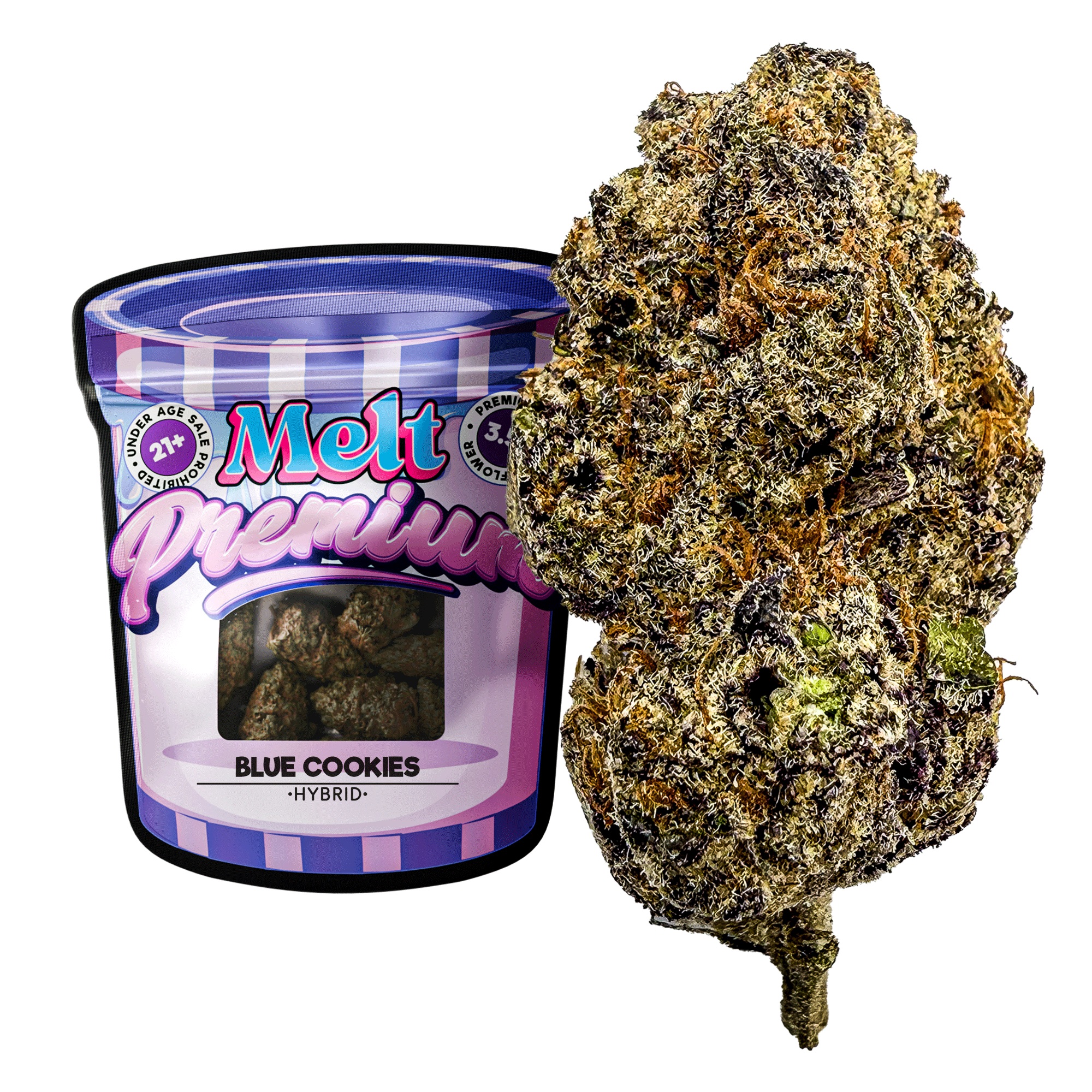
Melt offers premium hemp-derived cannabinoid products, including THCA flower, edibles, disposables, and Duo prerolls, supported by third-party testing, transparent lab reports, discreet shipping, and an age-gated shopping experience. Visit Melt to explore product formats and learn how a California cannabis brand balances quality, compliance, and responsible packaging decisions.
Your cart is currently empty.