



Free Shipping All Orders Over $95
Indoor cannabis isn't automatically better. Artificial light can produce dense, uniform flowers, but sun-grown cannabis brings a different set of strengths, especially in aroma, environmental efficiency, and chemical diversity. The meaningful question isn't which method wins every time. It's whether the grower managed the plant well and whether the finished flower's lab report supports what the label promises.
Sunlight exposes cannabis to a broad, changing spectrum that indoor fixtures may reproduce only in part. That variation can influence terpene development, harvest timing, and the character of the final flower. At the same time, outdoor cultivation introduces weather, pests, humidity, and seasonal constraints. Quality depends on how skillfully the cultivator manages those variables.
The idea that indoor flower is always premium usually comes from visible consistency. Indoor buds often look compact, heavily coated, and nearly identical from one batch to another. Those traits can be appealing, but appearance alone doesn't tell you how complex the aroma will be, how well the flower was cured, or whether the plant developed a broad secondary-metabolite profile.
A paired comparison of genetically identical commercial cannabis samples found that outdoor, sun-grown flowers had less oxidized and degraded cannabinoids and significantly higher levels of several terpenes than the matched indoor material. The study reported higher levels of limonene, β-myrcene, β-caryophyllene, α-humulene, α-bergamotene, α-guaiene, and germacrene B, with each listed comparison meeting the study's statistical threshold of p<0.05 (the Columbia-linked comparison).
That doesn't mean every outdoor harvest will outperform every indoor harvest. Genetics, harvest maturity, drying, curing, storage, and testing all matter. It does mean the old assumption that outdoor cannabis is inferior doesn't match the available evidence.
Sun-grown flower can show broader aroma expression, with citrus, earth, spice, floral, or herbal notes appearing together rather than presenting as one dominant scent. Natural variation also gives each harvest a regional identity. Soil, sunlight, temperature shifts, water management, and local humidity can influence how a cultivar expresses itself.
Indoor production still offers real advantages. A skilled indoor team can control temperature, humidity, light timing, airflow, and feeding with precision. That control helps growers repeat a target profile and maintain predictable production regardless of outdoor weather.
The strongest sun-grown products therefore belong in a separate premium category, not in a bargain bin. They're made through agricultural judgment rather than by placing plants outside. Buyers who care about flavor, cultivation impact, and chemical diversity should evaluate outdoor flower on its own terms.
A useful rule: Don't ask whether flower was grown indoors or outdoors first. Ask whether the cultivation method produced clean, aromatic, properly cured flower, then verify the answer through testing and sensory inspection.
Sun-grown cultivation uses natural sunlight as the plant's primary light source and follows an outdoor or substantially outdoor seasonal cycle. The method begins before planting, because the grower has to prepare a site that can support healthy roots, drainage, airflow, and water access while matching the cultivar to the local climate.

A practical outdoor cycle usually follows this sequence:
Indoor cultivation resembles a laboratory where many variables are set by the operator. Sun-grown cultivation resembles farming with a powerful but changing natural engine. The grower can guide the plant, but can't command every cloud, temperature shift, or humidity change.
The term terroir describes how place affects an agricultural product. In cannabis, it can include soil composition, sunlight, seasonal temperature patterns, water quality, wind, and microbial conditions around the roots. Terroir shouldn't be treated as a guarantee of quality, but it helps explain why the same genetics can express differently in different regions.
Outdoor growers also have to solve practical problems that indoor teams can isolate. They may use irrigation when rainfall is insufficient, physical barriers or approved pest-management methods when insects appear, and canopy spacing to keep air moving through the crop. Good sun-grown production isn't passive. It's a continuous process of reading the environment and adjusting the plant's conditions without replacing sunlight with a complete artificial climate.
Sun-grown terpene quality is not merely a reward for giving cannabis more light. It reflects how light intensity, ultraviolet exposure, genetics, plant health, and post-harvest handling work together. Terpenes are volatile aromatic compounds that shape cannabis scent and flavor. They belong to a wider group of secondary metabolites, substances the plant produces beyond the structures required for basic growth. Sunlight supplies energy and acts as a changing chemical signal.
As noted above, the published comparison found that outdoor flowers had a richer secondary-metabolite profile and less cannabinoid oxidation and degradation. Its value here is interpretive: the findings support evaluating sun-grown flower by its overall chemical profile, not THC percentage alone.

Controlled research found that higher irradiance increased terpene potency under the tested conditions. As canopy PPFD increased from 120 to 1,800 μmol·m^-2·s^-1, total terpene potency rose from 8.85 to 12.7 mg/g of dry inflorescence (the controlled light study). The result supports a practical lesson for buyers: a strong terpene result is meaningful when the report also identifies the tested flower and its batch.
Ultraviolet exposure requires more restraint. The same research found that increasing UV-PFD reduced total terpene content by 24% to 41% in two cultivars and reduced yield in one cultivar. Cultivar, canopy structure, plant health, and the intensity and duration of exposure all shape the response.
A careful grower therefore aims for strong, usable light rather than maximum UV. Excessive stress can alter individual terpene fractions while reducing yield or weakening the finished flower.
A lab report gives the chemical snapshot. Your nose checks whether that chemistry survived drying and storage. Limonene often contributes citrus notes, myrcene earthy or herbal character, and caryophyllene spice. These descriptions help orient the buyer, but they do not guarantee a particular effect. For a plain-language explanation, see how terpenes work.
Heat, oxygen, light, and unsuitable packaging can reduce aroma after harvest. When reviewing sun-grown flower, compare the terpene profile with the harvest and testing information, then assess freshness by aroma, appearance, and storage quality. Good sunlight-grown cultivation creates potential. Careful handling determines how much reaches the package.
Each cultivation method trades certain advantages for others. Sun-grown cannabis relies on natural light and accepts more environmental variation. Indoor cannabis replaces outdoor uncertainty with artificial lighting and tightly managed climate conditions. Greenhouse cannabis uses sunlight while adding more protection and control than an exposed field. The practical differences appear in aroma, consistency, appearance, control, and resource use.

| Factor | Sun grown | Indoor | Greenhouse |
|---|---|---|---|
| Light source | Natural sunlight with seasonal variation | Artificial lighting on a controlled schedule | Primarily sunlight, often with added environmental protection |
| Aroma potential | Can express broad, regionally influenced terpene profiles | Can target repeatable profiles with precise controls | Can combine natural light with greater protection |
| Consistency | More variation between harvests is possible | High environmental repeatability | Depends on climate systems, structure, and local conditions |
| Appearance | May be less uniformly compact or manicured | Often highly uniform and dense | Can vary according to light and environmental management |
| Control | Weather and seasonal conditions remain important | Strong control over light, humidity, temperature, and airflow | More control than open-field production, less isolation than indoor |
| Environmental profile | Avoids artificial lighting demand | Requires substantial lighting and climate infrastructure | Usually reduces dependence on fully indoor systems |
Indoor cultivation suits buyers who value repeatability. Growers can adjust the environment closely and work toward a consistent flower structure or chemical target. That control also requires more infrastructure and energy.
Greenhouses offer a middle arrangement. The structure can reduce exposure to rain, wind, pests, and temperature swings while keeping sunlight central. Readers seeking a closer look at greenhouse cultivation methods can compare how structure, ventilation, and climate management shape the result.
Sun-grown flower suits consumers who prioritize natural light, terpene complexity, and lower cultivation energy demand. Its buds may vary more in structure and aroma from harvest to harvest. That variation is not automatically a quality problem. A smaller or airier flower can still be clean, resinous, aromatic, and well cured.
For buyers, the lab report should support the sensory check. Compare cannabinoid and terpene results across batches, then inspect the flower for intact resin, clean trimming, and an aroma that matches the reported profile. A strong terpene percentage cannot compensate for stale storage or poor curing.
Choose by priority: Indoor fits precision, sun grown fits natural variation and environmental efficiency, and greenhouse offers more protection while retaining sunlight as the main light source.
The environmental case for sun-grown cannabis starts with electricity. Indoor facilities need artificial lighting, ventilation, heating or cooling, and humidity control. Those systems allow precise cultivation, but they also create a substantial energy burden, particularly in regions where electricity production carries a high carbon intensity.
An independent comparison documented outdoor cultivation at roughly 62 to 111 kilograms of CO2 per kilogram of cannabis, while indoor production created much higher emissions. The comparison characterized sun-grown production as roughly 50 times less carbon-intensive than indoor growing in the conditions examined (the outdoor and indoor climate comparison). A separate industry summary cited by the same discussion described indoor cultivation as emitting about four times more carbon dioxide per kilogram than outdoor cultivation, reinforcing the broad direction found across lifecycle assessments.

Outdoor cultivation can reduce dependence on artificial light, but responsible sustainability requires more than moving plants outside. Growers still need to protect soil, avoid unnecessary runoff, manage water carefully, and prevent cultivation practices from damaging nearby habitats.
Rainfall can sometimes support outdoor irrigation, although relying on rain isn't practical in every climate or season. Some producers use water storage, drip irrigation, mulches, cover crops, compost, or other soil-management practices to improve efficiency. These choices vary by farm, so buyers shouldn't assume that every outdoor label represents the same environmental standard.
Outdoor cultivation also has a long history in enforcement records. In the United States, 94% of the 8,013,308 cannabis plants eradicated nationwide in 2008 were found at outdoor sites, equal to 7,562,322 plants (the historical federal enforcement dataset). That historical record reflects the dominance of outdoor production in enforcement activity, not product quality, but it provides context for how long sun-grown cultivation has existed at scale.
Commercial regulated production has expanded beyond that historical baseline. In a Canadian market snapshot, licensed outdoor cultivation capacity increased from 344 hectares in October 2019 to 576 hectares in October 2020, an increase of 148%, while licensed outdoor production reached about 62 million square feet, compared with about 22 million square feet indoors (the federal dataset and market snapshot).
For environmentally conscious buyers, the practical choice is to look for transparent cultivation descriptions and credible testing rather than relying on a green-colored package or vague sustainability language.
A sun-grown label tells you how the plant received its light. It doesn't prove that the flower is safe, fresh, potent, or aromatic. Use the certificate of analysis, or COA, as the first checkpoint, then confirm its findings with the flower's appearance, smell, texture, and packaging.
A useful lab report should identify the tested product clearly and show a testing date or batch connection. Compare the package label with the report so you know the document belongs to the flower you're considering.
Look for these categories:
For a closer walkthrough of these fields, use this guide to reading a certificate of analysis.
Outdoor flower may be less perfectly spherical, less tightly packed, or more varied in color and size than indoor flower. Those traits don't automatically indicate poor cultivation. Focus on trichome visibility, intact structure, clean aroma, and an appropriate cure.
Flower should smell distinct rather than dusty, musty, or chemically harsh. It shouldn't feel wet, spongy, or brittle. A good cure preserves aroma while giving the flower a stable texture that breaks apart without turning to powder.
Buyer's test: Read the COA before you let a frosty appearance make the decision. A beautiful bud with weak documentation is a gamble, while naturally structured flower with clean testing and a vivid terpene profile may be the more informed purchase.
Compare products by batch, not by marketing claim. If one report lists cannabinoids but no terpene panel, while another provides both cannabinoid and contaminant data, the second gives you more information for judging the product. Keep your priorities clear, whether that's citrus aroma, earthy depth, moderate potency, or confidence in safety screening.
Sun-grown cannabis and sun-grown THCA flower can fall under different rules depending on the product's cannabinoid content, source, labeling, and the state where it's sold or delivered. Federal hemp rules are only one part of the analysis. State-specific restrictions can be stricter, and some jurisdictions restrict THCA products or prohibit shipment even when a product is marketed as hemp-derived.
Start with the package. A legitimate product should identify the product type, batch or lot information, net contents, manufacturer or brand details, age restrictions, and required cannabinoid disclosures for the market. A QR code can be useful, but it shouldn't replace a readable COA or clear business information.
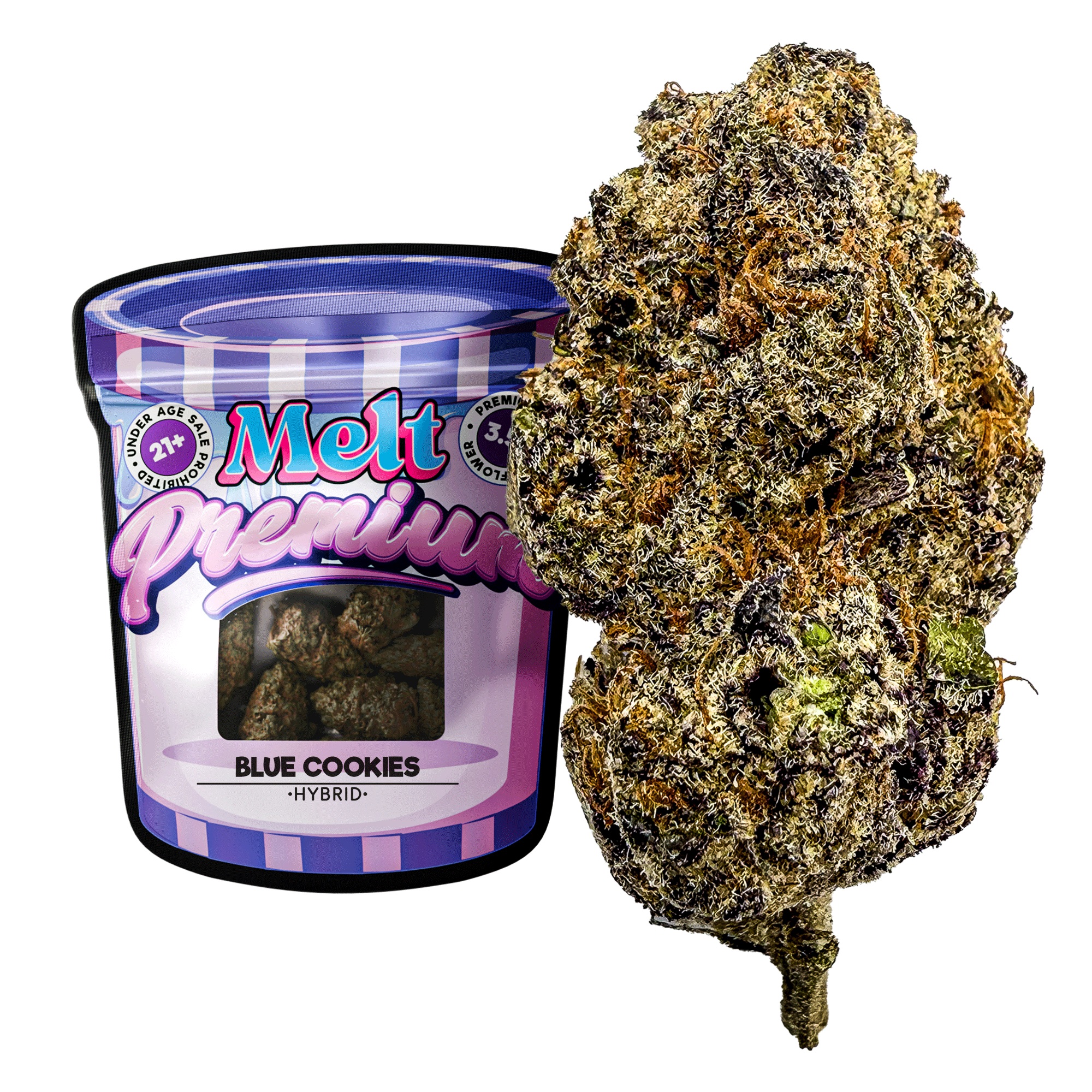
Melt offers both premium sun-grown THCA flower and indoor craft flower, along with third-party lab reporting and age-gated online purchasing. Its product range includes sun-grown options such as Purple Kush THCA Flower, Indica, Sun Grown 3.5g, but buyers should still check the current product page, COA, and delivery restrictions before ordering.
Packaging and testing help separate a carefully produced product from an anonymous listing. The cultivation method can shape the flower, but the COA and post-harvest handling tell you whether the producer protected that potential.
If you're ready to compare terpene-forward outdoor flower with more controlled indoor options, visit Melt to explore its sun-grown THCA collection, review available lab reports, and confirm delivery eligibility for your location. Choose the product that matches your preferred aroma, potency, and cultivation values, then start with a responsible serving approach.
Your cart is currently empty.