



Free Shipping All Orders Over $95
When you dive into the world of hemp-derived cannabinoids, two names—THCA and THCP—pop up constantly, but for completely different reasons. They might sound alike, but their effects, potency, and overall experience are worlds apart.
The easiest way to think about it is this: THCA is the raw, non-psychoactive precursor that turns into classic THC when you heat it, while THCP is an intensely psychoactive cannabinoid known for being significantly stronger than traditional THC. Your choice boils down to a simple question: are you looking for a familiar, timeless high (THCA) or a powerful, long-lasting journey (THCP)?
Getting this distinction right is key to finding an experience that matches your goals and tolerance level.

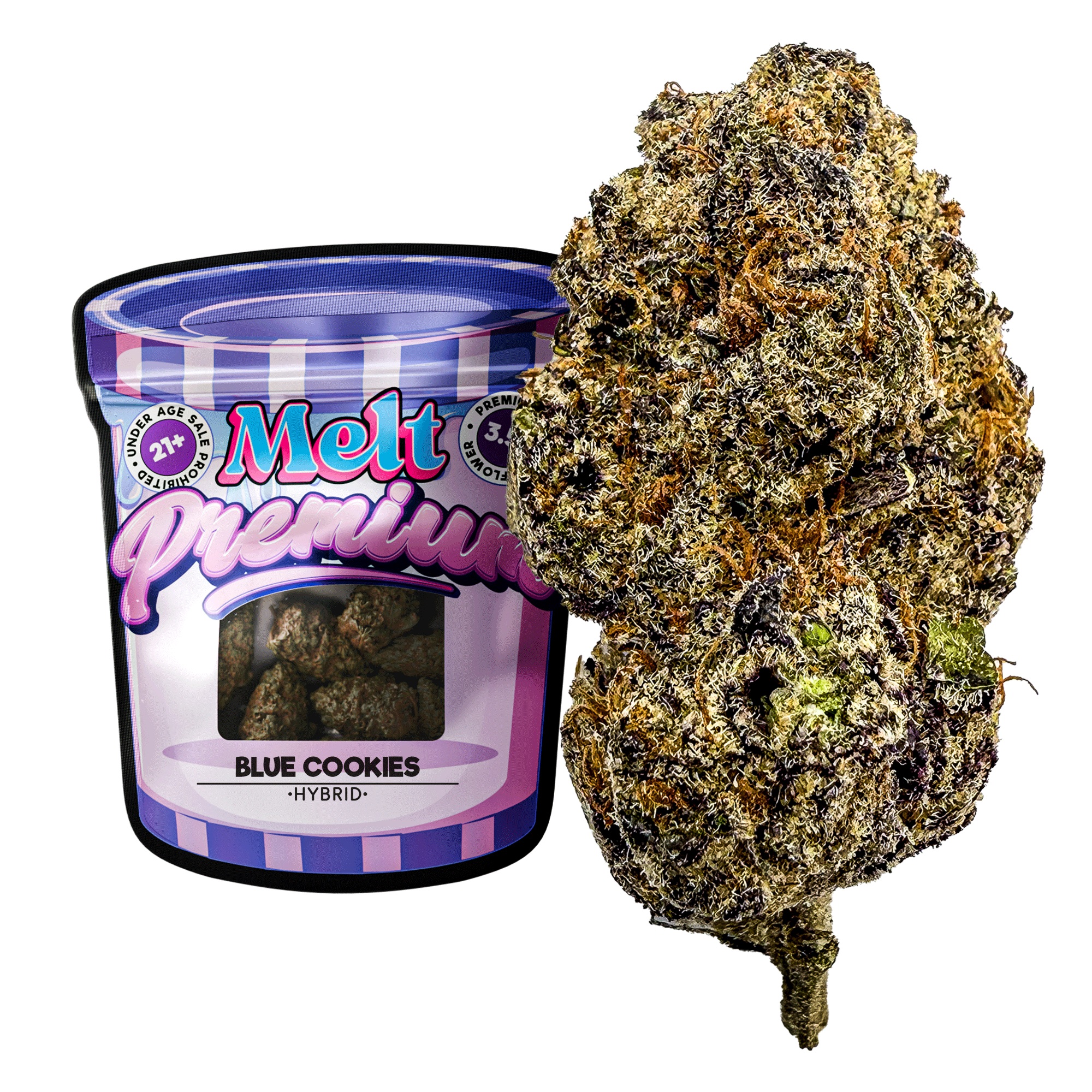
As the visual above illustrates, THCA is all about potential—it's non-intoxicating on its own but converts into something familiar. THCP, on the other hand, is defined by its raw, unadulterated power from the start.
To make it even clearer, let's break down the fundamental traits of each cannabinoid. This table gives you a quick side-by-side view to instantly see how THCA and THCP stack up in terms of effects, potency, availability, and who they’re best for.
| Characteristic | THCA (Tetrahydrocannabinolic Acid) | THCP (Tetrahydrocannabiphorol) |
|---|---|---|
| Psychoactivity | Non-psychoactive in its raw state. Becomes psychoactive (converts to Delta-9 THC) when heated. | Highly psychoactive in its natural state. No heat required for activation. |
| Potency | When converted to THC, it provides a standard, classic cannabis high familiar to most users. | Exceptionally potent. Binds to CB1 receptors up to 33 times more effectively than THC, leading to a much stronger experience. |
| Availability | Abundant in raw and live cannabis and hemp plants. Widely available in products like flower and pre-rolls. | Occurs naturally in only trace amounts. Most commercial products use THCP converted from other cannabinoids like CBD. |
| Primary Use Case | Ideal for users seeking a traditional THC experience from a federally compliant product by smoking or vaping. | Suited for experienced users with high tolerance seeking profound, intense, and long-lasting effects. |
Ultimately, THCA delivers a predictable, classic high that many know and love, while THCP is reserved for those who are well-versed in cannabinoids and are looking for something with a much bigger impact.
At a glance, THCA and THCP sound like they’re in the same family, but a closer look at their molecular blueprints reveals two totally different stories. These aren't just minor chemical tweaks—they're the exact reason one is non-psychoactive in its raw form while the other is one of the most potent cannabinoids ever discovered. Getting a handle on this chemistry is central to the THCA vs THCP debate.
The main difference comes down to a small but mighty component attached to each molecule. THCA, or Tetrahydrocannabinolic Acid, has a carboxylic acid group (COOH). You can think of this as a bulky protective cap on a key. This molecular "cap" physically blocks THCA from fitting into the brain's CB1 receptors, which are the binding sites that trigger the euphoric "high" everyone associates with cannabis.
Because of this structural roadblock, raw THCA is completely non-psychoactive. It can’t produce the effects cannabis is known for until that acid group is removed. The process that makes this happen is called decarboxylation.
Decarboxylation sounds technical, but it’s really just a simple chemical reaction caused by heat. When you smoke, vape, or cook cannabis flower, the heat makes the carboxylic acid group break off and release as carbon dioxide.
Once that group is gone, THCA instantly converts into the famous psychoactive compound, Delta-9 THC. The key is now "uncapped" and can bind perfectly with CB1 receptors to deliver its classic effects. For a deeper dive into how this all works, you can read our guide on how THCA works.
This is exactly why munching on raw cannabis flower won't get you high, but lighting it up will. The heat is the catalyst that turns potential into reality.
Key Takeaway: THCA is the non-psychoactive precursor to THC. Its molecular structure includes a carboxylic acid group that must be removed by heat (decarboxylation) before it can produce any intoxicating effects.
Now, let's switch gears to THCP, or Tetrahydrocannabiphorol. Unlike THCA, THCP doesn't have a carboxylic acid group getting in its way. It’s psychoactive from the start. Its real claim to fame lies in a different part of its structure: its alkyl side chain.
Most cannabinoids, including Delta-9 THC, have a five-carbon alkyl side chain. THCP, on the other hand, boasts a longer, seven-carbon side chain. That small two-carbon extension has a massive impact on how it interacts with our endocannabinoid system.
This longer chain allows THCP to "grip" CB1 receptors with far greater strength and efficiency. When Italian researchers first identified it in 2019, they found its unique structure gave it an incredible advantage. Lab studies show it binds to CB1 receptors up to 33 times more effectively than Delta-9 THC. This molecular tweak is why users often report effects that feel 5-10 times stronger, where a tiny 1mg dose of THCP can feel like a full 10mg of traditional THC.
When you put THCA and THCP side-by-side, their differences in potency, psychoactive feel, and overall timeline are impossible to miss. They really define the experience. Choosing between them comes down to what you're looking for, as they sit at opposite ends of the cannabinoid spectrum. One gives you a classic, well-known high, while the other takes you on a journey that's both intense and incredibly long-lasting.

This split in their effects isn't random—it's tied directly to their molecular structures and how each one interacts with your body's endocannabinoid system.
When you smoke or vape THCA flower, like the premium indoor-grown strains we offer at Melt, you aren’t feeling the effects of THCA itself. The heat instantly converts it into Delta-9 THC, delivering that timeless cannabis high people have known and loved for generations.
The experience is pretty straightforward:
For most people, this makes THCA products—like pre-rolls or vapes—a predictable and solid choice. It's perfect for hanging out with friends, working on a creative project, or just kicking back after a long day. The high is strong but manageable, and its duration fits neatly into an evening or afternoon.
THCP is a completely different beast. Its unique molecular shape allows it to bind to your CB1 receptors with an almost shocking level of affinity, creating an experience often described as 5 to 10 times stronger than regular THC. And it's not just a more powerful high; it's a different kind of high altogether.
THCP is for the experienced user with a high tolerance who is looking for an exceptionally powerful and long-lasting effect. It is not recommended for beginners or anyone sensitive to THC's psychoactive properties.
User reports consistently point to a few key characteristics that make THCP stand out:
That extended timeline is a critical point. A THCA session winds down in a few hours, but a THCP experience can easily take over your entire day. It's definitely not something you want to use when you need to be productive or clear-headed.
To put it into practical terms, here’s how the timelines for each cannabinoid stack up when you're inhaling them.
| Timeline Feature | Heated THCA (as Delta-9 THC) | THCP |
|---|---|---|
| Onset of Effects | Almost immediate (1-5 minutes) | Slower, often delayed (15-45 minutes) |
| Peak Effects | Reached within 30-60 minutes | Can take 1-2 hours to fully develop |
| Total Duration | Typically 2-4 hours | Can last 8-12+ hours |
This psychoactive showdown reveals just how different these two are, and it all comes back to science. THCP’s claim to fame is its 33-fold superior binding to CB1 receptors compared to Delta-9 THC, which is what delivers that slow-building but incredibly long-lasting euphoria and relaxation. In contrast, THCA is non-psychoactive until you heat it, making it the go-to for anyone seeking a classic high. You can dive deeper into the science by exploring the full findings on cannabinoid receptor affinity.
The delayed onset of THCP is a really important safety note. If you're used to the fast-acting effects of THC, you might be tempted to take more THCP before the first dose has even fully kicked in. That's a recipe for an overwhelmingly intense experience. With THCP, patience isn't just a virtue—it's essential for a good time.
Before you buy any cannabinoid, it's smart to understand the legal maze you're stepping into. When you look at THCA vs THCP, both exist in a tricky legal gray area, mostly thanks to the 2018 Farm Bill. That’s the big piece of legislation that made hemp and its derivatives federally legal, as long as the final product has less than 0.3% Delta-9 THC by dry weight.
Since THCA isn't actually Delta-9 THC in its raw state, products like THCA flower usually slide in under that federal limit. THCP is a bit different—it’s typically made from federally legal CBD, which allows it to be sold under the same rules. This loophole is why you can legally buy cannabinoids that would otherwise be off-limits.
But federal law is only part of the puzzle. The real confusion comes from the patchwork of state laws, which can be a lot stricter.
While the Farm Bill set a federal baseline, states have the final say and can regulate or ban specific hemp products. Some states have passed "total THC" laws, which account for the fact that THCA turns into Delta-9 THC when you heat it. In those places, THCA products are often illegal, no matter what their initial Delta-9 THC level is.
This means a product that's completely legal in one state might be banned right across the border. If you want to get into the nitty-gritty of THCA's legal standing, you can find a deeper dive in our guide on THCA and its legal status. The bottom line: always check your local laws before you click "buy."

In an industry that’s largely unregulated, your safety really comes down to the brand you choose and your own due diligence. The most important tool you have is the Certificate of Analysis (CoA)—a document from an independent, third-party lab. A reputable brand like Melt will always have these CoAs easy to find for every single product.
A CoA is more than just paperwork; it’s your proof of what’s in the product. It confirms that the label is accurate and protects you from shady products and potentially harmful junk.
When you’re looking at a CoA for either THCA or THCP, you’re checking for two main things: cannabinoid potency and contaminant screening. This is non-negotiable.
Consumer Safety Tip: Never, ever buy a cannabinoid product from a brand that doesn’t provide current, comprehensive third-party lab reports. Transparency is the number one sign of a company you can trust.
Looking at a CoA for the first time can feel a little intimidating, but it's pretty straightforward once you know where to look. Zero in on these key sections to make sure you're getting a safe, quality product.
1. Cannabinoid Potency Profile:
2. Contaminant Analysis:
By taking a minute to read the CoA, you’re taking control of your experience. It's the best way to ensure your time with THCA or THCP is not only awesome but also safe.
So, how do you actually decide between THCA and THCP? It really boils down to your own goals, tolerance, and what you’re looking for in an experience. One cannabinoid delivers a familiar, classic high that fits neatly into daily life, while the other offers a seriously intense journey that’s best saved for special occasions. The right choice starts with being honest about what you want.

This is about more than just potency—it's about matching the right cannabinoid to the right moment. Let's walk through the ideal scenarios for each one to help you line up your desired vibe with the perfect product.
THCA is the go-to for anyone who wants a traditional cannabis experience from a federally compliant product. When you heat it up by smoking or vaping, it converts right into Delta-9 THC, giving you those familiar effects people have loved for generations. It’s reliable, predictable, and incredibly versatile.
You might want to grab a THCA product for situations like these:
Basically, THCA is for anyone who wants the classic effects of THC. It provides a balanced high that easily fits into all parts of your life, from social events to quiet nights in.
THCP is in a totally different league. This is a high-octane cannabinoid built for seasoned cannabis users with a high tolerance or anyone looking for exceptionally powerful, long-lasting effects. This is definitely not the cannabinoid for a casual Tuesday night.
Critical Warning: THCP is not recommended for beginners or anyone with a low THC tolerance. Its effects are way stronger and last much longer, which can easily turn into an uncomfortable, overwhelming experience if you're not ready for it.
THCP is best reserved for very specific moments:
Choosing THCP requires some serious planning and a healthy respect for its power. It’s a specialized tool for reaching a level of intensity that other cannabinoids simply can’t match. Ultimately, the decision between THCA and THCP is a practical one: are you looking for a versatile boost to your day, or a powerful, all-encompassing event? Your answer will point you straight to the right cannabinoid.
Navigating the market for THCA and THCP takes a sharp eye for quality and transparency. With so many options out there, knowing what to look for is the key to a safe and enjoyable experience. The best products always come from reputable brands that prioritize rigorous testing and clear communication, so you know exactly what you’re getting.
When comparing THCA vs THCP, the product formats you find often reflect their different use cases. Each product type is designed to highlight the cannabinoid's unique strengths—whether it's the classic, familiar experience of THCA or the intense journey of THCP. Your choice really boils down to your desired effects and how you prefer to consume it.
For anyone seeking that traditional cannabis experience, THCA products offer a direct and familiar path. The most popular format by far is high-quality THCA flower, which delivers the rich terpene profiles and classic ritual that so many people appreciate.
When you're shopping for THCA flower, keep these points in mind:
Because of its incredible potency, you’ll rarely see THCP sold as a standalone flower. Instead, it’s carefully formulated into blended products to deliver its powerful effects in a more controlled and predictable way. This precision is absolutely essential for a good experience.
Here’s what to prioritize when choosing THCP products:
Expert Insight: Always start with the lowest possible dose of a THCP product—often just 1-2 mg. Its delayed onset and long-lasting effects mean you should wait at least two hours (for edibles) before even thinking about taking more.
Ultimately, the single most important factor for both cannabinoids is third-party lab verification. A comprehensive Certificate of Analysis (CoA) is your best friend for confirming a product's purity, potency, and safety. Trustworthy brands make these lab reports easy to find for every product they sell, giving you confidence that what’s on the label is what’s in the package. Always check the CoA to verify the cannabinoid content and make sure the product is free from nasty contaminants like pesticides, heavy metals, and residual solvents.
When you’re digging into cannabinoids like THCA and THCP, a few key questions always come up. Let's clear the air on some of the most common ones to help you make smarter, safer choices.
Almost certainly, yes. As soon as you heat THCA by smoking, vaping, or cooking it, the compound converts directly into Delta-9 THC. Standard drug tests are designed to pick up THC metabolites, meaning your body processes it exactly like traditional cannabis.
Even if you consume a lot of raw, unheated THCA, you could still risk a positive result. This is because there might be trace amounts of THC present, or your body could metabolize it in a way that triggers the test. If you're subject to drug testing for any reason, the safest bet is to avoid all THCA products.
Here's where it gets a little nuanced. THCP is a naturally occurring cannabinoid found in cannabis plants, but it’s only present in tiny, trace amounts. It's not commercially viable to extract it directly from the plant.
Because of this, the THCP you find in consumer products is almost always created in a lab. The process usually involves converting a more abundant cannabinoid, like CBD, into THCP. This makes it what’s often called "semi-synthetic." This is precisely why you should only buy THCP products from transparent brands that back up their purity and safety with comprehensive third-party lab reports.
The Takeaway: While THCP exists in nature, the products you buy rely on lab conversion. Always check the Certificate of Analysis (CoA) to make sure what you’re getting is clean and free from any residual solvents or other junk.
With THCP's intense potency, the golden rule is to start low and go slow. Seriously. For someone completely new to THCP, a good starting point is between 0.5mg and 1mg. To give you some context, a standard THC edible dose is typically 10mg.
After you take that first small dose, you have to be patient. Wait at least two hours for edibles or a good 30 minutes for vapes to see how you feel before you even think about taking more. Even if you're a seasoned cannabis user, approach THCP with caution—its effects are powerful and can stick around for a long time.
Yes, you absolutely can. Just like with Delta-9 THC, regular THCP use will lead to a higher tolerance. In fact, because THCP binds so efficiently to your CB1 receptors, some people report that their tolerance builds even faster than it does with less potent cannabinoids.
If you use it frequently, you’ll probably find that you need larger doses to get the same effects. Taking a tolerance break—stepping away for a few days or weeks—is a great way to help reset your endocannabinoid system and bring your sensitivity back down.
Ready to see what clean, high-quality cannabinoids are all about? Melt has a curated lineup of expertly crafted THCA flower and other premium products designed for a pure, consistent, and flavorful experience.
Your cart is currently empty.