



Free Shipping All Orders Over $95
So, what exactly is Delta 11? Think of it as a rare cannabinoid that’s finally getting the attention it deserves. For years, it was a background player in the cannabis plant, but now it’s stepping into the spotlight for consumers seeking a fresh experience.

Delta 11, or Delta-11-Tetrahydrocannabinol (Δ11-THC), is a minor cannabinoid found naturally in hemp and cannabis. Its recent rise in popularity isn't because it's new to science, but because it's finally accessible on the market. That’s a key distinction when comparing it to its famous relatives, Delta 9 and Delta 8.
The buzz is happening now for two main reasons: legal shifts and scientific progress. The 2018 Farm Bill cracked open the door for hemp-derived products, creating a federal framework for cannabinoids as long as they contain less than 0.3% Delta 9 THC. This move sparked a massive wave of interest in exploring the other compounds hidden in the hemp plant.
While Delta 11 might feel like a new discovery, it’s been on the scientific radar for decades. Researchers first mentioned it in studies way back in the 1970s, but it was largely ignored. With natural levels often below 0.1%, it simply wasn't practical to extract for commercial products until modern lab techniques made it possible.
You can dig into its history by checking out some of the early findings on Delta 11, which show it was identified among more than 100 other cannabinoids.
Key Takeaway: Delta 11 isn't a synthetic designer drug. It's a naturally occurring compound that science has learned to isolate and concentrate from legally grown hemp, making it available to everyone for the first time.
This process is critical. Because it's found in such tiny amounts, the Delta 11 you see in products today is almost always converted from more plentiful cannabinoids like CBD. This scientific workaround is what allows brands to create consistent, high-quality products that deliver a reliable experience.
To give you a better idea of where Delta 11 fits in, here’s a quick high-level comparison against its more well-known counterparts.
This table offers a straightforward look at how Delta 11, Delta 8, and Delta 9 THC stack up on key attributes like potency, effects, and legal status.
| Cannabinoid | Common Potency | Typical Effects | Federal Legal Status (Hemp-Derived) |
|---|---|---|---|
| Delta 11 | Moderate | Uplifting, Body-Focused, Clear-Headed | Legal under the 2018 Farm Bill |
| Delta 9 | High | Intense, Psychoactive, Euphoric | Federally controlled substance |
| Delta 8 | Mild-Moderate | Calming, Relaxing, Less Intense High | Legal under the 2018 Farm Bill |
As you can see, Delta 11 carves out its own unique space, offering a different profile from the more relaxing Delta 8 and the more intense Delta 9.
If Delta-11 is so rare in nature, how does it end up in vapes and edibles? The answer isn't extraction—it's transformation. Chemists have found a way to convert more common cannabinoids into Delta-11, making this once-obscure compound widely available.
The starting material is usually Cannabidiol (CBD), the non-psychoactive compound found abundantly in legal hemp. Since directly extracting Delta-11 isn't practical, scientists use a process called isomerization to rearrange the molecular structure of CBD and turn it into something new.
Think of it like this: a chemist starts with a CBD molecule, which is like a specific shape made of Lego bricks. Using a controlled process, they carefully take that structure apart and reassemble the exact same bricks into a new shape—the Delta-11 molecule. Nothing new is added; the original pieces are just put together in a different order.
This molecular shuffle is what matters. By changing the location of a single chemical bond, the compound's properties are completely altered, turning non-intoxicating CBD into the unique Delta-11 cannabinoid.
The most common method for this is acid-catalyzed isomerization. While it sounds technical, the idea is simple. Scientists use an acid as a catalyst, which triggers the CBD molecules to rearrange themselves into the Delta-11 structure.
This technique is a huge leap forward for cannabinoid science. As explained in a breakdown of hemp-derived innovation from 3CHI, modern lab methods have become incredibly efficient since the 2018 Farm Bill passed. Today, labs can produce Delta-11 isolate with purities between 90-99%, driving down costs and making it accessible to everyone.
The entire process relies on three key steps:
Because this journey starts with federally legal hemp (containing less than 0.3% Delta-9 THC), the finished Delta-11 product is also compliant under the 2018 Farm Bill. This clever chemistry is exactly why a cannabinoid that was once nearly impossible to find is now showing up on the mainstream market.
Alright, let's get to the question on everyone's mind: what does a Delta-11 experience actually feel like? Forget the vague marketing terms—here’s what you can really expect. Based on a growing collection of user reports, the high is consistently described as clear-headed, uplifting, and focused on full-body relaxation.
Unlike some cannabinoids that leave you in a heavy mental fog, Delta-11 is known for delivering a functional, cerebral buzz. Many people compare it to a “Sunday morning” vibe—relaxed and totally at ease, but still mentally sharp enough to be creative or social. It’s a popular choice for unwinding after a long day without the intense, couch-locking sedation that can come with other THC analogs.
This unique profile makes Delta-11 a compelling option for anyone seeking balance. It’s the kind of high that complements your activities instead of overpowering them, making it well-suited for daytime use or social settings where you want to stay present and engaged.
How quickly the effects hit and how long they stick around comes down to how you take it. This is a critical detail for managing your experience and making sure it fits your schedule.
This infographic breaks down the typical journey of a cannabinoid, from its natural state all the way to a finished consumer product.

As you can see, the process involves transforming the raw plant material through molecular conversion in a lab before it becomes a finished product you can vape or eat.
The high itself typically lasts between two to four hours, but this can vary depending on your personal metabolism, tolerance level, and the dose you take. Vaped effects tend to have a shorter duration, while edible experiences often last much longer.
Ultimately, knowing these practical details gives you the power to decide if Delta-11’s functional buzz is the right fit for your lifestyle. Its growing reputation for providing a gentle lift with soothing body effects makes it an appealing standout in the ever-expanding world of hemp-derived cannabinoids.
Trying to understand all the different cannabinoids can feel overwhelming. They’re all related, but each one has its own distinct personality. Knowing how Delta 11 stacks up against its more famous cousins—Delta 9, Delta 8, and THCA—is the key to finding the exact experience you're looking for.
Let's break down the real differences in their effects, potency, and even how they work in your body. This will give you a clear picture of where Delta 11 fits in and help you make a more confident choice.
When most people say "THC," they’re talking about Delta 9 THC. It’s the most famous cannabinoid in cannabis and sets the standard for psychoactive effects. Delta 9 is known for its powerful high and strong cognitive shift. So, where does Delta 11 stand in comparison?
Based on user reports and early studies, Delta 11 seems to be less potent than traditional Delta 9. While it definitely produces a noticeable buzz, the effects are often described as more manageable and less intense. This makes it a great option for anyone who finds Delta 9 a bit too much or anxiety-inducing.
Key Difference: Delta 9 delivers that classic, heavy-hitting high that can feel overwhelming for some. Delta 11 offers a gentler, more functional experience that many find is better for staying clear-headed while still enjoying the effects.
Delta 8 THC has earned a reputation for its deeply calming and relaxing properties, often described as “indica-like” for the way it settles you into your body. Both Delta 8 and Delta 11 are considered milder than Delta 9, but they offer two very different kinds of mellow.
Here’s how their vibes differ:
Think of it like this: Delta 8 is for when you want to melt into the couch and zone out. Delta 11 is for when you want to feel relaxed but stay present and engaged. This unique profile has helped Delta 11 carve out its own space, with its market trajectory projected to become a $1 billion niche in the U.S. by 2027. Analysts at NuggMD attribute this growth to the rising demand for gentler alternatives to Delta 9.
Finally, let’s compare Delta 11 to THCA (Tetrahydrocannabinolic acid). This comparison is a bit different because THCA is a non-psychoactive cannabinoid in its raw, unheated form. It only converts into psychoactive Delta 9 THC when you apply heat through smoking, vaping, or cooking.
Delta 11, on the other hand, is psychoactive right out of the gate—no heat necessary. When you take a Delta 11 edible or tincture, it’s already in an active state that your body can use to produce effects. This makes it a completely different compound from THCA, which is essentially a precursor waiting to be transformed. If you want to learn more about this conversion process, check out our guide on the differences between THCA and Delta 9. Because of this fundamental difference, their uses are entirely distinct.
When it comes to new cannabinoids, the biggest question is always about legality. So, let's get straight to it. The rules for Delta 11 are a patchwork of federal permissions and state-level restrictions, making it crucial to know what’s what before you buy.
On a federal level, it all starts with the 2018 Farm Bill. This landmark legislation made hemp and its derivatives federally legal, as long as they contain less than 0.3% Delta 9 THC by dry weight. Since the Delta 11 you see in products is made from legal, hemp-derived CBD, it technically falls under this federal green light.
But federal compliance is only half the story. Things get complicated because of the Federal Analogue Act and, more importantly, individual state laws. While the Analogue Act could theoretically be used against THC isomers, it hasn't been a major issue for hemp-derived cannabinoids so far.
The more immediate concern is what your state says. Even if Delta 11 is federally compliant, many states have passed their own laws banning or restricting synthesized THC isomers. That means a product can be perfectly legal in one state but completely illegal just across the border.
The Golden Rule: Always check your local and state regulations before purchasing any Delta 11 product. The legal status can change fast, and what’s okay today might not be tomorrow.
Because the rules vary so much from place to place, doing your own research is a must. This isn't a new situation—other cannabinoids have faced similar legal hurdles. For a good comparison, you can read about the evolving legal status of THCA to see how these situations often play out.
To make sure you’re staying on the right side of the law, always ask yourself:
Navigating this maze requires you to be an informed consumer. By understanding these different legal layers, you can make responsible choices and enjoy Delta 11 with confidence.

As new cannabinoids like Delta 11 hit the scene, the market quickly fills with products of all stripes—some great, some not so much. Finding a safe, high-quality product means looking past the flashy marketing and focusing on transparency. Your best tool for this is third-party lab testing.
Any reputable brand will make these test results, called a Certificate of Analysis (COA), easy for you to find. If a company won't show you a recent, comprehensive COA for the exact batch you're buying, that's a huge red flag. This document is the only way to prove what’s on the label is what’s actually in your product.
A COA might look intimidating at first, but it's simple once you know what to look for. Think of it as a report card for your Delta 11 product. There are a few key sections you should check every single time.
First, confirm the cannabinoid potency. The amount of Delta 11 THC on the COA should line up with what’s advertised on the package. This is how you know you're getting the dose you paid for.
Crucial Check: The COA must also show that the Delta 9 THC level is at or below the federal legal limit of 0.3%. This is non-negotiable for any hemp product to be compliant.
Next, you absolutely have to check the contaminant screening. These tests confirm the product is free from nasty stuff that can sneak in during cultivation or extraction. Always look for these panels:
By taking a moment to review the COA, you can spot trustworthy brands and steer clear of the risks in an unregulated market. It’s the best way to ensure your Delta 11 experience is both effective and, more importantly, safe. If you're interested in learning more about sourcing clean cannabinoids, check out our guide on finding high-quality Delta 8 flower.
As you get to know Delta-11, a few questions naturally pop up. We’ve gathered the most common ones here to give you clear, direct answers and help you feel confident about what to expect.
Yes, you should assume it absolutely will. Standard drug tests are built to find THC metabolites in your system, but they aren't smart enough to tell the difference between Delta-9, Delta-8, or Delta-11.
To put it simply, your body breaks them all down in a similar way. If you’re subject to any kind of drug testing, the safest bet is to steer clear of all THC products, including Delta-11.
It's a little of both, which can be confusing. Delta-11 is a cannabinoid that occurs naturally in hemp and cannabis, but only in trace amounts—far too little to extract for commercial use. It's not a compound created from scratch using harsh, artificial chemicals.
The Delta-11 you'll find in vapes and edibles is best described as semi-synthetic. It starts as a natural, plant-derived compound like CBD and is then converted into Delta-11 in a lab through a safe process called isomerization.
This method is what allows brands to create a pure, consistent, and potent Delta-11 experience that would be impossible to get straight from the plant.
With any new cannabinoid, the golden rule is always start low and go slow. This is non-negotiable, especially while you're still learning how your body responds to Delta-11's unique effects.
Here’s a good starting point based on the product you’re using:
Your body knows best. Listen to it, and you’ll find the perfect dose for your ideal experience.
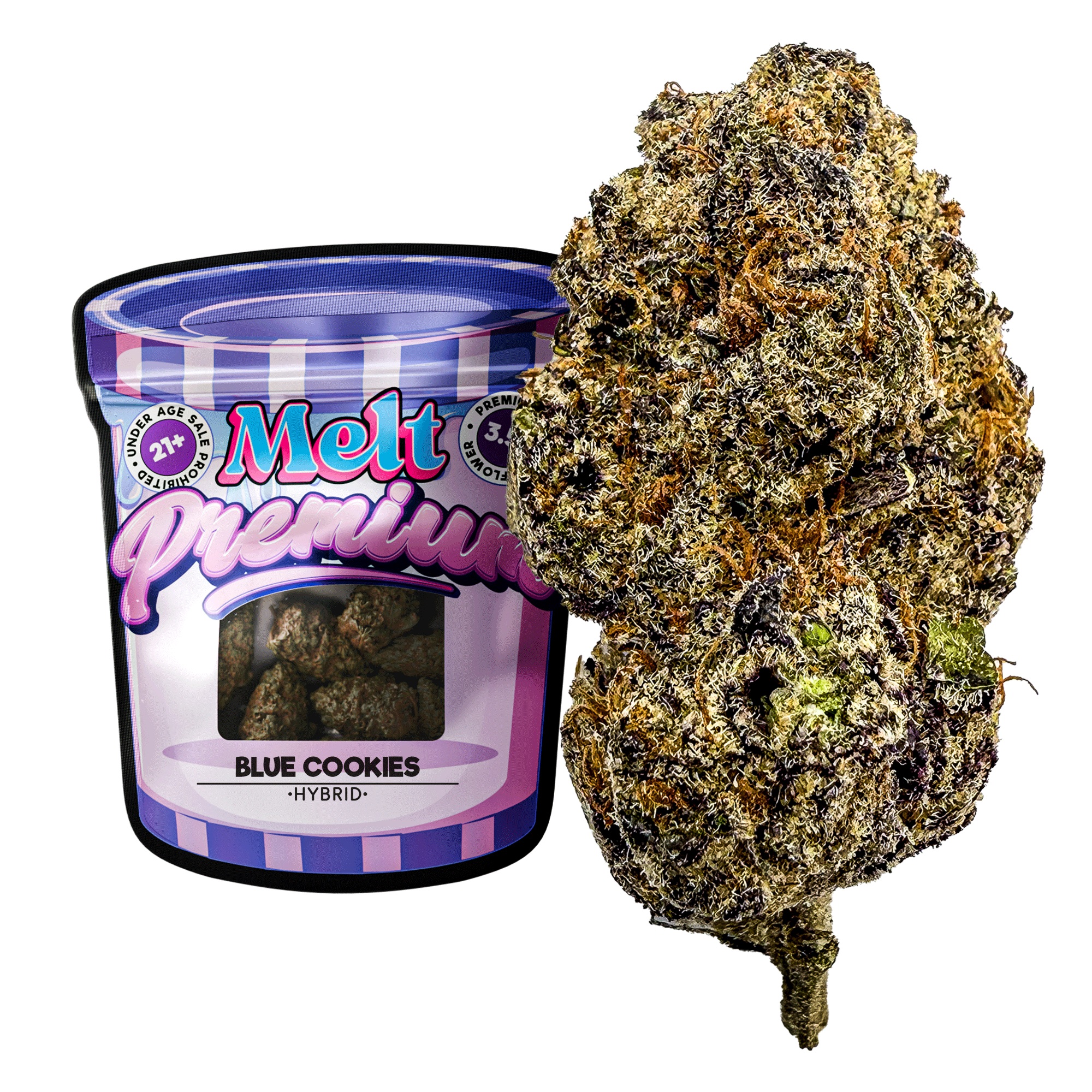
Ready to experience a premium, functional buzz? The artisans at Melt have perfected their craft, offering a curated lineup of high-quality, lab-tested products. Explore their collection of disposables, flower, and potent edibles to find your perfect California-crafted high. Check out the full selection at https://meltofficial.com.
Your cart is currently empty.