



Free Shipping All Orders Over $95
Let's get straight to it: THCP (tetrahydrocannabiphorol) is a fascinating, naturally occurring cannabinoid that’s making waves for one big reason—its intensity. If you think of traditional THC as a familiar light switch for your body's endocannabinoid system, THCP is more like a dimmer dial you can crank way up.

So, what is THCP, and what’s all the buzz about? Discovered by a team of Italian researchers back in 2019, THCP is a close chemical cousin to Delta-9 THC, the compound most people associate with the classic cannabis high. The magic lies in a tiny difference in its molecular structure, which allows it to bind to our body’s cannabinoid receptors with incredible strength.
This structural tweak is the secret to its supercharged potency. While THCP does exist naturally in the cannabis plant, it's only found in trace amounts. Because it's so rare, most of the THCP you’ll find on the market is actually converted from more common, hemp-derived cannabinoids like CBD. This process ensures a consistent and reliable product for consumers.
To really get what makes THCP so different, it helps to see it compared directly with its famous relative. This table gives you a quick snapshot of the key differences in potency, structure, and the kind of experience you can expect.
| Feature | THCP (Tetrahydrocannabiphorol) | Delta-9 THC (Tetrahydrocannabinol) |
|---|---|---|
| Reported Potency | Exceptionally high; research suggests it binds to receptors up to 33x more strongly than Delta-9 THC. | The gold standard for cannabis potency that everyone knows. |
| Origin | Occurs naturally in tiny amounts; almost always isomerized from hemp-derived CBD for commercial products. | Found in abundance in many cannabis strains. |
| User Experience | Often described as a more intense, profound, and significantly longer-lasting psychoactive experience. | The familiar, traditional high associated with cannabis. |
| Legal Status | Federally permissible if it's derived from hemp with less than 0.3% Delta-9 THC by dry weight. | Federally illegal, though legal in many states for medical or recreational use. |
This table lays the foundation, but the takeaway is simple. Both cannabinoids interact with the same systems in your body, but the intensity and duration of that interaction are what set THCP far apart. Its powerful nature is exactly why responsible use and careful dosing are non-negotiable for a good experience.
The incredible strength of THCP isn't just hype; it's pure chemistry. Its secret lies in a small but critical difference in its molecular structure—a feature that allows it to interact with your body’s endocannabinoid system far more powerfully than traditional THC.
Think of it like this: your body's cannabinoid receptors are locks, and cannabinoids are keys. Delta-9 THC has a key that fits well and reliably unlocks the door. THCP, on the other hand, has a longer, more intricate key that not only fits perfectly but turns the lock with much greater force. The result is a more dramatic and intense effect.
This difference all comes down to its alkyl side chain, a tail-like part of the molecule that dictates how well it binds to your receptors.
Delta-9 THC has a five-carbon chain, which has been the gold standard for psychoactive effects for decades. But THCP is built differently, boasting a longer, seven-carbon alkyl side chain. Those two extra carbons make all the difference.
This extended chain allows THCP to anchor itself more securely to the CB1 receptors found in your brain and central nervous system. This tighter bond is the direct cause of its amplified potency, leading to effects that feel more intense and last much longer. When Italian scientists first identified this unique structure in 2019, it was a huge breakthrough in cannabinoid science.
The seven-carbon "heptyl" side chain in THCP binds to CB1 receptors with a staggering 1.2 nM affinity. For comparison, Delta-9 THC’s five-carbon "pentyl" chain has a 40 nM affinity. That makes THCP’s bond roughly 33 times stronger, which explains why even tiny doses can produce such powerful psychoactive experiences.
Despite its power, THCP is only found in tiny, trace amounts in the cannabis plant. Trying to extract it directly for commercial products would be incredibly impractical and expensive, creating a huge challenge for producers.
The solution was found in the lab. Most THCP on the market today isn't extracted directly. Instead, it’s converted from more abundant, hemp-derived cannabinoids like CBD through a safe and precise chemical process.
This semi-synthetic approach is what makes THCP widely accessible. It allows for pure, consistent, and potent products that are compliant with the 2018 Farm Bill, so long as the original material is legal hemp. This method ensures you can experience this unique cannabinoid safely and reliably.
If you’re curious about how it stacks up against other popular compounds, check out our guide on THCA vs THCP. Understanding these differences provides the foundation for appreciating why THCP feels so distinct.
All the science is great, but what does THCP actually feel like? For anyone familiar with cannabis, the experience is often described as similar to traditional THC, just amplified. Think a more intense euphoria, deeper body relaxation, and a high that sticks around for a lot longer.
This is exactly why the golden rule of potent cannabinoids is an absolute must here: start low and go slow. A tiny amount of a THCP product can pack a serious punch, so it's critical to begin with a microdose to see how your body reacts. Taking too much too soon is the number one reason for an uncomfortable time, and it's easily avoided with a little patience.
This image shows why THCP binds so much more effectively than standard THC.

As you can see, that longer seven-carbon chain allows THCP to lock onto your body's cannabinoid receptors with a much stronger grip, turning up the volume on its overall effects.
But the cannabinoid is only half the story. The vibe of your session is also shaped by terpenes—the aromatic compounds in cannabis responsible for its signature flavors and scents. Different terpene profiles can steer the effects of THCP in completely different directions.
This synergy between cannabinoids and terpenes is what’s known as the entourage effect, where all the compounds work together to create a more complete and nuanced high. To get a better handle on this awesome interaction, you can learn more about the entourage effect in our detailed guide.
Understanding these details lets you be more intentional with your choices. By picking specific terpene profiles, you can align the potential effects with what you’re actually trying to achieve, whether that’s daytime focus or evening chill.
At the end of the day, your personal body chemistry, tolerance, and the specific product you choose will all define your THCP experience. By starting small and paying attention to terpenes, you can navigate this powerful cannabinoid safely and find the perfect session for your needs.
With great potency comes great responsibility. Since THC-P is such a recent discovery, formal human trials are still a ways off. For now, our understanding comes from a mix of early research, its chemical relationship to Delta-9 THC, and a growing mountain of anecdotal reports from people who've tried it.
This cannabinoid's powerful nature makes responsible consumption an absolute must. The single most important rule for anyone exploring THC-P is to start with a microdose. That means taking a much, much smaller amount than you would with a normal THC product, then waiting patiently to see how it lands. For edibles, that can mean up to two hours.
Think of it like adding a ghost pepper to a recipe for the first time. You wouldn’t start with a whole one; you’d add the tiniest sliver to see how hot it really is. The same principle applies here.
A good starting point for a THC-P edible might be as low as 0.5 mg to 1 mg. For vapes, a single, short puff is more than enough for your first time. This conservative approach helps you find your personal sweet spot without accidentally overdoing it and having a bad time.
Because THC-P hits the same receptors as regular THC, its potential side effects are similar—they can just be a lot more intense, especially if you take too much. Knowing what to expect can help you stay grounded if they pop up.
Potential side effects include:
Remember, the goal is a positive experience. Overconsumption is the number one reason people have a negative reaction. Starting low and going slow is the best strategy to ensure you remain in control and enjoy what THC-P has to offer.
This is also where lab testing becomes non-negotiable. A reliable Certificate of Analysis (COA) confirms the exact potency of your product, which lets you dose accurately and make informed choices. Without it, you’re just flying blind.
The legal status of THCP can feel a bit like a maze, but it all comes back to a single piece of federal legislation: the 2018 Farm Bill. This law created a legal category for hemp and its derivatives, which means cannabinoids like THCP are federally permitted as long as they come from hemp that contains less than 0.3% Delta-9 THC by dry weight.
But that’s just the federal side of things. State laws are a whole different ballgame. Many states have passed their own rules, with some outright banning or restricting cannabinoids like THCP. This means its availability can change dramatically from one state to another, so it's always smart to check your local laws before buying.
In such a confusing legal environment, transparency is everything. The most important tool you have as a consumer is a Certificate of Analysis (COA), which is a detailed report from an independent, third-party lab. Think of it as your proof that a product is safe, legal, and actually contains what the label says it does.
Good brands make these reports easy to find, usually with a QR code on the package or on their website. If a company doesn't provide a recent, complete COA, that's a major red flag. Don't buy from them.
A Certificate of Analysis isn't just a nice-to-have; it's a non-negotiable standard for safety. It separates trustworthy brands from sketchy ones and gives you the power to know exactly what you’re about to consume.
A proper COA is packed with information, but there are a couple of key sections you should always check:
Taking a minute to review the COA ensures the product you're buying is both high-quality and safe. To see what a transparent report looks like, you can explore our comprehensive lab reports and see how we put safety first.

Now that you know how potent this stuff is, you’re probably wondering how to try THCP for yourself. It’s available in a few different formats, each with its own unique onset time and experience. The key to navigating the market is knowing what to look for and how to spot a good brand.
Because THCP is so powerful, you’ll almost never find it sold as a pure isolate. Instead, it’s usually blended with other cannabinoids to give products a serious kick.
You'll typically see THCP in these popular forms:
When you’re dealing with a cannabinoid this strong, product quality is everything. The market is flooded with options, but not all of them are safe or effective. Use this checklist to tell the good from the bad.
A trustworthy brand operates with complete transparency. They don’t just tell you their products are great—they provide the proof to back it up, making it easy for you to verify their quality and safety claims.
Here’s what to look for when you're shopping for THCP:
Even after diving into the details, it’s normal to have a few more questions about a powerful cannabinoid like THCP. Let’s clear up some of the most common ones so you can feel confident and informed.
Almost certainly, yes. Standard drug tests aren’t designed to tell the difference between various THC cannabinoids—they just look for THC metabolites.
Since your body breaks down THCP in a way that’s nearly identical to regular Delta-9 THC, it creates the same metabolites that trigger a positive result. If you’re subject to drug testing for any reason, your safest bet is to steer clear of THCP and all other THC-related compounds.
Bottom line: Drug tests look for THC metabolites. Since THCP produces them, you will fail. There’s no way around it.
It's easy to mix them up, but THCP and THCA are worlds apart. Knowing the difference is crucial for understanding what you’re actually consuming.
So, while you might see products blending them for a specific kind of experience, they are fundamentally different players. THCA needs heat to get you high; THCP is ready to go on its own.
Here’s the interesting part: THCP is both. It’s a naturally occurring cannabinoid that researchers first discovered in cannabis back in 2019. The catch is that it exists in such tiny, trace amounts that extracting it directly from the plant just isn't practical on a large scale.
Because of this, the THCP you find in vapes and edibles is created in a lab. Scientists take a more common hemp-derived cannabinoid, like CBD, and convert it into THCP. This process makes it "semi-synthetic," but it’s what allows brands to produce pure, potent, and consistent products that still fall under federal hemp guidelines.
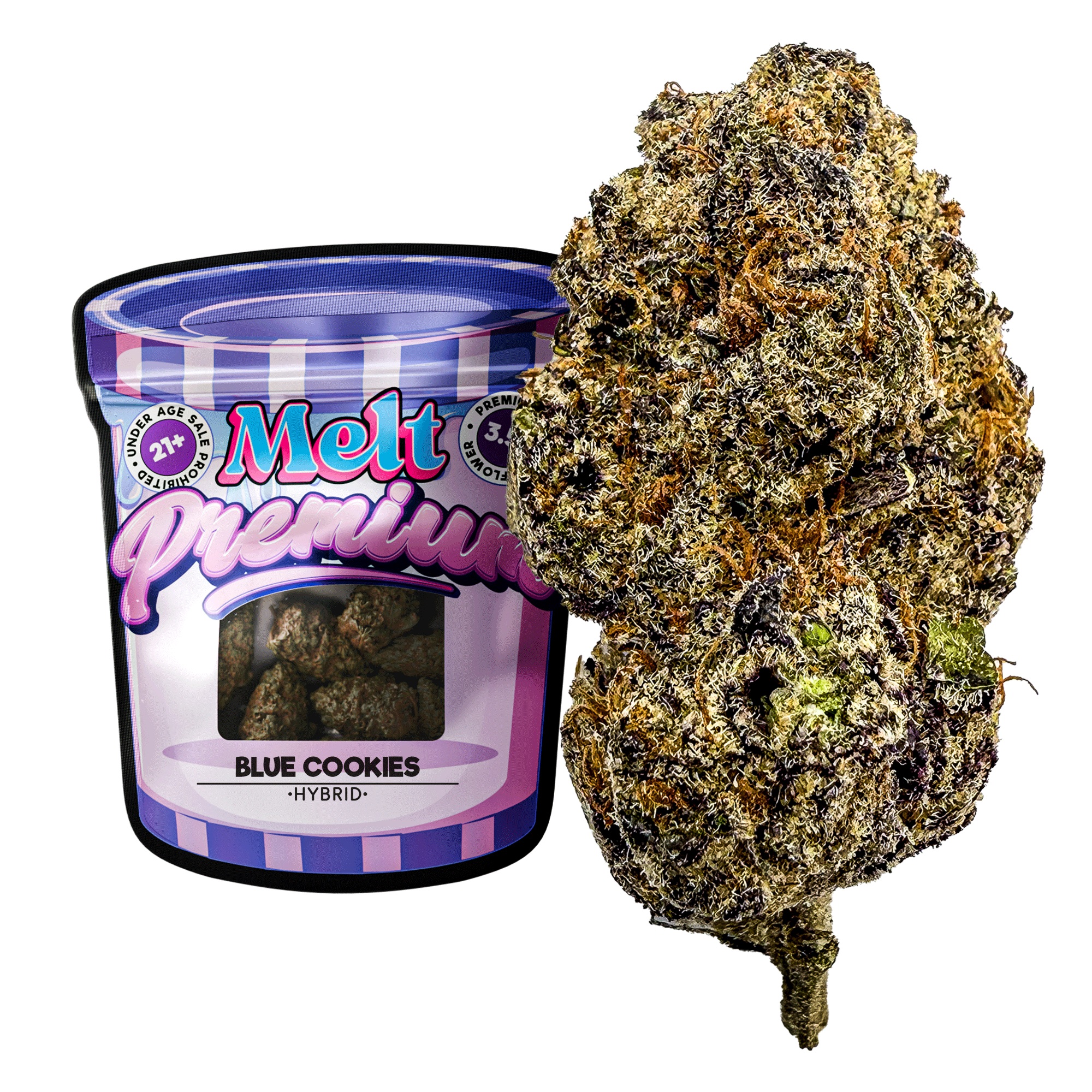
Ready to explore premium, lab-tested cannabinoids with California flair? At Melt, we offer a curated collection of high-potency vapes, edibles, and flower crafted for an exceptional experience. Discover your new favorite at https://meltofficial.com.
Your cart is currently empty.