



Free Shipping All Orders Over $95
Yes, you can sometimes take Delta 9 on a plane, but only if it's hemp-derived and contains no more than 0.3% Delta-9 THC by dry weight. Even then, you still face real risk from airline rules, federal air travel enforcement, and the laws where you land.
If you're packing for a trip right now, this is probably the exact moment you paused. The gummies are on the counter, your carry-on is half zipped, and you're wondering whether bringing Delta 9 is legal, risky, or just a bad idea.
The frustrating answer is that all three can be true at once. A product can look federally compliant, pass one checkpoint, and still create problems later. That's why a simple yes-or-no answer doesn't help much. The smarter question is this: what kind of risk are you taking?
For air travel, I'd break it into three layers:
If you understand those three layers, you can make a much better decision than someone relying on a Reddit thread or a friend who flew once without getting stopped.
You're not confused because the rule is simple. You're confused because different authorities use different rulebooks.
At the most basic level, the answer to “can you take Delta 9 on a plane” is yes, sometimes. But that only applies in a narrow lane. The product has to be hemp-derived, and it has to stay under the legal 0.3% Delta-9 THC by dry weight threshold. If it doesn't, federal law treats it as marijuana, not hemp.
That sounds straightforward until real travel enters the picture. TSA has one role. Airlines have another. State law kicks in when you land. So a person can follow one rule and still break another.
Before you pack anything with Delta 9, ask three questions:
Practical rule: Don't ask only whether you can get through TSA. Ask whether you can legally board, fly, and land with the product.
Most travelers make one of two mistakes.
Some assume all Delta 9 is illegal because it's psychoactive. Others assume all hemp products are safe to fly with because they bought them legally online or in a store. Neither assumption is reliable.
The better approach is to treat travel with Delta 9 like a compliance question, not a convenience question. The product itself matters. The paperwork matters. The airline matters. The destination matters.
That may sound annoying, but it's better than finding out at security, at the gate, or after landing.
The most important legal distinction has nothing to do with how strong the product feels. It has to do with how the law classifies it.
Under the 2018 Farm Bill, hemp-derived Delta-9 THC is federally legal for air travel only if it contains ≤0.3% Delta-9 THC by dry weight. Products above that threshold are treated as federally illegal marijuana under the Controlled Substances Act, regardless of state legality, as explained in this guide on flying with Delta-9 THC.

Understandably, people get annoyed. Chemically, Delta 9 is Delta 9. But legally, the source and concentration decide everything.
A simple analogy helps. Picture two drinks that both contain caffeine. One is labeled and sold within the rules. The other crosses a legal limit and gets regulated differently. The active ingredient may be familiar, but the legal category changes based on the standard the law uses.
That's what happens here. Hemp-derived Delta 9 and marijuana-derived Delta 9 can feel similar, but the law sorts them into different boxes.
If you travel with Delta 9, the Certificate of Analysis, or CoA, is your proof that the product falls on the legal side of the line. The verified guidance says compliance depends entirely on the CoA verifying the dry-weight concentration.
Without that documentation, you're relying on packaging alone. If an officer, airline employee, or law enforcement contact questions the product, unclear labeling can put you in a bad position fast.
A smart traveler keeps:
If you've ever wondered why hemp brands put so much emphasis on testing, this is one reason. In travel, the lab report isn't marketing. It's documentation.
For a broader cannabinoid comparison, this breakdown of THCA vs. Delta 9 helps clarify why similar-looking cannabis products can fall under very different rules.
TSA is the part people focus on first, and that makes sense. It's the checkpoint standing between you and the plane.
Under the 2018 Farm Bill, hemp-derived products containing no more than 0.3% Delta-9 THC by dry weight are federally legal in the United States. The verified data for this article states that TSA explicitly permits passengers to bring these products on airplanes, based on TSA guidelines updated for 2026 travel. But if a product goes over that limit, it's treated as marijuana and can lead to law enforcement referral.
TSA's main job is aviation security. Officers are screening for threats to the aircraft and passengers. They are not there to run a lab analysis on your gummies.
That said, if they find something they believe may be illegal, that doesn't end with a shrug. They can escalate the situation to law enforcement. That's the part people often miss. TSA may not be trying to catch cannabis products, but if your item raises questions, you can still end up delayed, questioned, or referred.
If your bag gets pulled, the issue usually becomes presentation and clarity.
A sealed, labeled product with accessible testing documents is easier to explain than a handful of loose gummies in an unmarked pouch. The second scenario invites doubt. Doubt causes delays.
Keep the product in its original packaging and keep the CoA ready. You're trying to reduce ambiguity, not win an argument.
A few practical habits help:
If you want a deeper look at airport screening, this article on whether TSA can detect edibles adds useful context.
There's another wrinkle. Verified data also notes a conflict described in guidance discussing federal airspace and whether you can fly with Delta 8, which says air travel remains a high-risk gray area because airports and aircraft operate under federal jurisdiction, and it cites 14 CFR §91.19 as part of that conflict. In plain English, even where hemp rules appear permissive, federal air travel is not a simple green light.
That's why I don't frame this as “TSA allows it, so you're safe.” TSA is only one part of the story.
A lot of travelers stop their research too early. They confirm that a hemp-derived product appears federally compliant, then assume the trip is cleared.
It isn't.
Airlines are private carriers, and they can set rules that are stricter than the federal baseline. So even if a product falls inside the Farm Bill definition of hemp, your airline can still ban it from carry-on or checked baggage.
Verified data states that Delta Air Lines explicitly prohibits all cannabis products, including CBD and hemp-derived Delta-9, from being transported on its flights. That policy appears on Delta's official baggage guidelines page and creates a carrier-specific restriction that overrides the federal allowance for compliant hemp products.
That matters because it changes the practical answer for anyone flying Delta. If you're on that airline, the question isn't whether federal law may allow a compliant product. The question is whether Delta allows it. According to the verified data, it doesn't.
Even if you're not flying Delta, the lesson is the same. You have to comply with both sets of rules:
| Layer | What it controls | Why it matters |
|---|---|---|
| Federal | Hemp legality and TSA screening standards | A noncompliant product can trigger referral |
| Airline | What the carrier allows on board | A compliant product can still violate airline policy |
| Destination | Possession after landing | Local law can create problems after the flight |
This is why “TSA said hemp is okay” is never the whole answer.
A boarding pass doesn't erase an airline's prohibited-items policy.
Use the airline's own baggage or prohibited-items page. Don't rely on a blog summary if you can check the carrier directly.
Focus on these points:
If the airline language is broad, don't try to out-argue it with cannabinoid chemistry at the gate. Gate agents are enforcing policy, not debating the Farm Bill.
A lot of people think the hard part is getting through security. In reality, the bigger legal blind spot can be what happens after the flight.
That's the interstate legality gap. You leave with a product that appears federally compliant, board a domestic flight, land, and then find out your destination treats that product very differently.

Verified data states that over 14 states have banned or restricted hemp-derived Delta-9 as of 2025, which means a traveler can depart from a legal state, pass through TSA, and still face criminal charges for possession after arrival. That risk is discussed in this overview of whether you can fly with Delta 9 gummies.
That's the part many travel guides skip. Federal travel compliance does not guarantee destination legality.
A simple example: you buy a hemp-derived Delta 9 gummy in one state where it's openly sold, keep it in original packaging, and board a domestic flight. Nothing may happen in the airport. But once you land, state law controls ordinary possession on the ground. If that state restricts or bans the product, your legal position changes.
Don't stop at “cannabis is legal there.” That phrase is too broad to help.
Check whether the destination state treats hemp-derived intoxicating cannabinoids differently from state-licensed marijuana products. Some states are stricter with hemp products than travelers expect.
If you need an example of how state-by-state variation can matter, this article on whether Delta 9 is legal in South Carolina shows how local law can be narrower than people assume.
For international flights, the practical answer is simple. Don't bring Delta 9.
You're no longer dealing only with TSA, a U.S. airline, and one destination state. You're dealing with customs, border enforcement, and another country's drug laws. The hemp-versus-marijuana distinction that matters in U.S. federal law may not matter at all elsewhere.
If your trip crosses an international border, leave Delta 9 at home.
That's the safest answer because the downside can be much bigger than a delay or confiscation.
Not all Delta 9 products create the same level of travel risk. A gummy, a vape, and flower may all contain cannabinoids, but they raise very different problems in an airport.

For domestic travelers, gummies are usually the easiest product type to manage from a packaging and handling standpoint.
Why?
That doesn't make them risk-free. If the packaging is missing or the product looks homemade, they can still create questions. But compared with other formats, gummies are usually the cleanest travel case.
Delta-9 vapes are trickier because they combine cannabinoid rules with battery rules.
Verified data states that FAA regulations require lithium batteries to be in carry-on luggage, and that TSA officers are increasingly asking for printed CoAs to distinguish legal hemp vapes from illegal THC products. The same verified data says 2025 TSA enforcement reports showed a 30% rise in vape-related delays when travelers lacked these lab reports, as noted in this discussion of domestic travel with a Delta-9 vape.
That means vape travelers face two separate questions at once:
| Product type | Main travel issue | Practical concern |
|---|---|---|
| Gummies | Proof of hemp compliance | Packaging and CoA |
| Vapes | Hemp compliance plus battery rules | Carry-on only, plus paperwork |
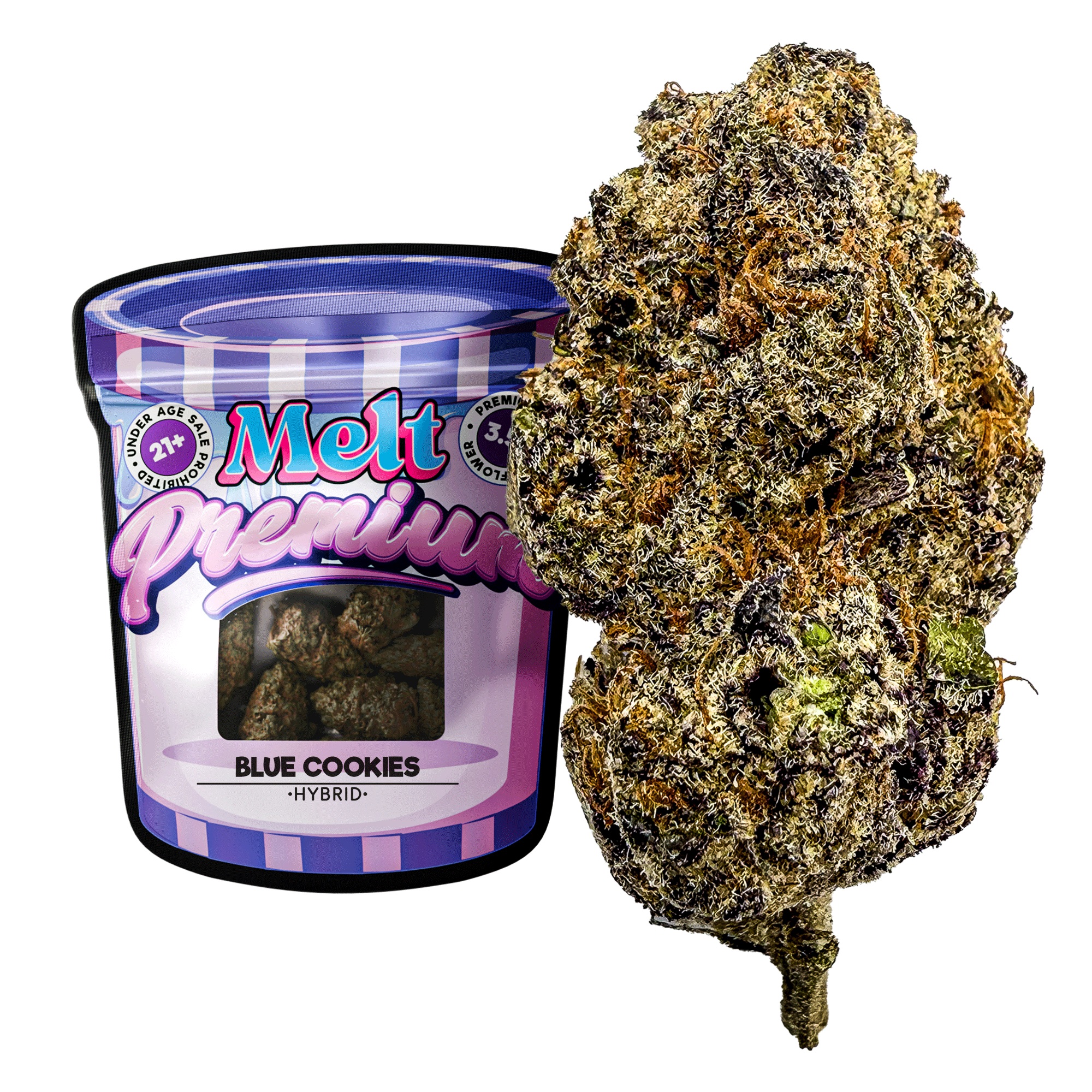
| Flower | Appearance and odor | Highest chance of scrutiny |
Flower creates the most obvious risk, even without getting into legal nuance.
It smells like cannabis. It looks like cannabis. To airport staff or law enforcement, it invites immediate questions. Hemp flower and marijuana flower can look nearly identical, and that's not a debate you want to have in a rushed airport setting.
For most travelers, flower is the least practical product to bring. Even if someone believes it's compliant, the burden of explanation is much higher.
If your goal is reducing hassle, flower is usually the worst format to travel with.
By this point, the answer is clear. The issue isn't just “can you take Delta 9 on a plane.” The issue is whether your specific product, airline, and destination all line up at the same time.
Use this checklist before you leave for the airport.

Treat Delta 9 travel as a risk-management decision, not a loophole hunt.
If any one layer is unclear, the safest call is to leave the product behind. That's especially true if you're flying Delta Air Lines, traveling internationally, or heading to a state with restrictive hemp rules.
One last point matters. Buying something legally doesn't guarantee traveling with it will be simple. Air travel compresses federal law, private policy, and local enforcement into one trip. That's why informed adults can still get caught off guard.
If you want hemp-derived products backed by third-party testing and transparent lab reports, browse Melt. Clear labeling and accessible documentation can make a big difference when you're evaluating travel risk, even if the final decision should always start with your airline's rules and the laws where you're going.
Your cart is currently empty.