



Free Shipping All Orders Over $95
You're standing at a familiar dispensary-style fork in the road. In one hand, there's a sleek vape cartridge that promises a quick, discreet session. In the other, there's fragrant flower that smells loud before it's even opened. Both can get you high. They just don't get you high in the same way.
That's where a lot of people get stuck with the cart high vs bud high question. They assume it's only about convenience versus tradition. It's not. You're really choosing between different delivery speeds, different chemical profiles, different flavor experiences, and even different throat sensations.
A cart can feel precise and immediate. Flower can feel layered and immersive. One may fit a busy evening better. The other may suit a slow session where the ritual matters as much as the effects.
The confusion makes sense because product menus often flatten everything into THC percentage and strain names. But the experience depends on more than potency alone. The way cannabinoids are delivered, whether the product is closer to a distillate or a fuller-spectrum extract, and which terpenes are present all shape what you feel.
A customer walks into a dispensary after work with a simple goal: feel good without picking the wrong product. The menu offers a vape cart and a jar of flower that both list strong THC. On paper, they can seem close. In practice, they often serve very different nights.
The better question is not which one gets you higher. It is which one fits the experience you want from the first inhale to the comedown.
A cartridge usually appeals to someone who wants a quick, contained session with less odor and less setup. Flower often suits someone who enjoys the full sensory side of cannabis, including aroma, flavor, body feel, and the ritual of grinding, packing, and smoking. That difference matters because the high is shaped by more than speed. It is also shaped by what is in the product besides THC, how complete the cannabinoid and terpene profile is, and how the inhale feels in your throat and lungs.
Here's a goal-based comparison that helps frame the choice.
| If your priority is... | Cartridge (Vape) may fit better | Bud (Flower) may fit better |
|---|---|---|
| A quick session before bed or after errands | Fast, convenient, easy to pick up for a short window | Better if you want the session itself to feel slower and more deliberate |
| Discretion | Lower smell, less lingering odor on clothes or in a room | Stronger cannabis aroma before, during, and after use |
| Flavor control | Can taste clean, sweet, or strain-inspired, depending on whether the oil is distillate or more terpene-rich | Usually gives a fuller plant taste with more natural variation from strain to strain |
| Throat comfort | Often feels smoother, but some oils can feel dry, sharp, or perfumey depending on additives and terpene load | Can feel warmer and heavier, though many people prefer the more familiar smoke texture |
| A layered, full-plant feel | Some carts offer this, but many feel narrower if they are built around THC distillate | More likely to feel rounded because the flower naturally carries a wider mix of cannabinoids and terpenes |
| Ritual and sensory enjoyment | Minimal setup, little ceremony | Stronger connection to smell, texture, preparation, and the session itself |
One simple way to understand it is to compare a cart to a concentrated espresso shot and flower to a full cup of coffee made from fresh-ground beans. Both contain the ingredient you came for. The texture, aroma, pacing, and overall feel can still be very different.
That is why THC percentage alone can mislead shoppers. A cart with stripped-down distillate may hit hard but feel flatter in flavor or body sensation. A jar of flower with a rich terpene profile may feel more expressive, even if the label shows a lower THC number.
People also get tripped up by broad categories. “Cart” can mean a basic distillate formula, a live resin extract, or something in between. “Bud” can mean a bright daytime cultivar with a citrus nose or a dense evening flower that feels heavier in the body. The choice isn't modern versus classic. It is precision versus fullness, convenience versus ritual, and isolated potency versus a more complete plant profile.
Choose based on the kind of session you want to have, the flavor you enjoy, and how your body responds to the inhale. That approach leads to better decisions than chasing the biggest number on the label.
Two people can inhale cannabis through the lungs and still end up with very different experiences. The reason is not just speed. It starts with what is in the inhale.

A standard cart often uses THC distillate, which is a highly refined extract built to deliver THC efficiently. Many flower products, by contrast, preserve a broader mix of the plant's original compounds, including minor cannabinoids and native terpenes. That difference changes more than intensity. It changes the character of the high, the flavor on the inhale, and even how comfortable the session feels in your throat and chest.
A simple way to frame it is this. Distillate is a narrowed formula. Flower is the whole orchestra playing together.
THC drives the core psychoactive effect, but it does not work in isolation. Terpenes contribute aroma and flavor, and they can also shape how the experience feels. A cart with added botanical terpenes may taste bright and recognizable, but it can still feel more linear than flower from the same strain name. Flower carries those compounds in their natural plant context, so the effect often feels more layered from the start.
This helps explain a common point of confusion. Two products can both say "Gelato" or "Blue Dream" and still feel noticeably different. The label gives you a direction. The chemical makeup decides how close the experience gets to that expectation.
The body notices formulation right away. Vapor from a distillate cart can feel light in volume but concentrated in effect. Some people experience that as clean and convenient. Others notice a sharper throat sensation, especially with terp-heavy formulas or repeated pulls. Flower smoke is denser and more aromatic, and while it is not automatically smoother, the sensation is often fuller and more familiar because you are inhaling the plant in a less stripped-down form.
Technique matters here too. Short, controlled draws usually create a better experience than long, hard pulls, especially if you are still learning how to vape weed properly.
People often describe cart highs as focused, direct, or cerebral. Flower gets described as richer, heavier in the body, or more complete. Those are informal words, but they point to a real pattern. A THC-forward extract tends to spotlight the main active ingredient. Flower more often delivers a blended effect where aroma, body sensation, mood, and mental shift arrive together.
Coffee is a useful comparison here. Distillate works like a strong shot built around the main stimulant. Flower feels more like the full brew, where aroma, oils, and subtle notes change the overall experience, not just the strength.
That is why choosing between cart and bud is really a chemistry question as much as a convenience question. If you want a cleaner, more targeted effect, a cart may fit. If you want the plant's fuller flavor and a more textured high, flower usually makes more sense.
A cartridge high usually starts with one defining trait. Speed.

The concentrated THC distillate in carts, often 70–90% THC, combines with fast pulmonary absorption to create a steeper concentration-time curve than flower. That leads to a sharper peak effect and a shorter duration, typically in the 1–2 hour range, which is why dose titration matters more, according to Marijuana Packaging's explanation of cannabis cart effects.
For many users, a cartridge high is cerebral first. You may feel it behind the eyes, in your thoughts, or as a quick change in mood and perception. That can be great if you want a compact, efficient session without setting aside much time.
It can also catch people off guard. Because the puff feels light and the hardware looks simple, beginners sometimes assume the effect will be mild. Then the THC lands quickly, and suddenly they've overshot the experience they wanted.
If you're still dialing in your comfort zone, fewer and smaller puffs matter more with carts than people expect. A short wait between pulls is often smarter than chasing the high immediately.
Not all cartridges are built alike. Consequently, product labels start to matter.
Distillate carts usually focus on THC as the main event. They can feel clean, potent, and direct, but sometimes less layered in flavor and effect.
Full-spectrum or live resin style carts tend to preserve more of the plant's original terpene character. People often choose them when they want a vape that feels less flat and tastes more like actual cannabis.
A useful rule of thumb:
After you understand those categories, cart menus become easier to read. You stop shopping only by strain name and start asking better questions about extraction style and terpene retention.
A quick visual walkthrough can make that easier.
Flower still has loyal fans for a reason. It doesn't just deliver THC. It delivers a more complete plant experience.
Raw cannabis flower naturally contains THCA, which isn't intoxicating in the same way until heat changes it. When you smoke flower or vaporize it in a dry herb device, that heat converts THCA into THC. That's the chemical switch that makes the psychoactive effects show up.
The science matters, but the practical takeaway is simple. Flower isn't just “less concentrated cart material.” It's a whole plant format with its own chemistry and sensory character.
Flower carries a broader profile of compounds, including cannabinoids beyond THC and a natural terpene mix. Many consumers describe that combination as a more balanced or full-bodied experience. Instead of only getting a fast head effect, they notice a wider spread across mood, body, and sensory enjoyment.
That's also why THC percentage alone can be misleading with flower. Two jars can sit near each other on the shelf, yet one feels calm and heavy while the other feels bright and social. The terpene profile and the plant's overall composition help drive that difference.
Flower often rewards slow consumption. The aroma, taste, buildup, and body feel are part of the session, not just extras around it.
People sometimes dismiss ritual as irrelevant, but it shapes how the high lands. Grinding flower, packing it, smelling it before ignition, and taking measured pulls can make the session feel more intentional.
That ritual can help some users pace themselves better. It's harder to absentmindedly chain-hit flower the way people sometimes do with a battery-powered vape in their pocket.
Here are a few reasons people keep returning to bud:
The classic bud high isn't automatically better than a cart high. It's just different. If carts are the shortcut, flower is the scenic route.
The cart high vs bud high conversation gets more interesting. While plenty of articles stop at onset and duration, real consumers also care about taste, smell, and how the inhale feels on the throat and chest.

A standard distillate cart can taste simple. Sometimes that's a clean, lightly botanical note. Sometimes it's a more stylized flavor profile shaped by reintroduced terpenes. Either way, the taste can feel narrower than flower.
Flower usually offers a more natural spread of aroma and taste. Depending on the cultivar, users may notice earthy, gassy, citrusy, piney, fruity, or herbal notes that evolve during the session. That complexity comes from the plant's terpene profile, not just from THC.
Many consumers start preferring one format over the other. Some want that stripped-down, efficient inhale. Others want the full sensory signature of the plant.
Many people assume vaping is automatically easier on the throat than flower. Sometimes it feels that way, especially because you're avoiding combustion. But “smoother” doesn't mean irritation-free.
According to this terpene and inhalation review in the National Library of Medicine, concentrated THC distillate can still cause local airway irritation, while certain cannabis terpenes such as myrcene and limonene may modulate inflammation and bronchodilation. In practical terms, the formulation and terpene profile can influence whether a cart or flower feels sharp, dry, peppery, soft, or easygoing on the inhale.
That explains a common real-world experience. One cart may feel smooth for a quick draw but leave a dry throat after repeated hits. A terpene-rich flower may smell louder and hit warmer, yet still feel more comfortable to some users than a thin, high-THC oil with little complexity.
A better way to judge harshness is to think in layers.
| Attribute | Cartridge (Vape) | Bud (Flower) |
|---|---|---|
| Flavor profile | Often isolated or terpene-rebuilt | Natural and more complex |
| Smoothness and throat feel | Often perceived as smoother, but formulation matters | Can feel harsher because of combustion |
| Aroma | More subtle | More pungent and unmistakable |
A few practical factors matter more than people think:
Your lungs don't read marketing words like “smooth” or “premium.” They respond to temperature, formulation, and how much you inhale.
If you care most about discretion and minimal smell, a cart often wins. If you care most about authentic flavor and aromatic detail, flower usually has the edge.
If throat comfort is your deciding factor, don't reduce the choice to “vape good, smoke bad.” A terpene-poor cart can feel surprisingly sharp. A carefully selected flower can feel manageable for someone who values a slower, gentler puffing rhythm.
This is why the best decision-making framework is holistic. Ask not only, “How hard does it hit?” Also ask, “How does it taste, smell, and sit in my body while I'm using it?”
The biggest practical difference between these formats isn't just the high itself. It's how easy it is to overdo it.
Cartridges are convenient. That's part of the appeal, but it can also become the trap. A fast, discreet device makes repeated use effortless, and high potency means each small inhale carries more weight than many people assume.
With flower, the ritual naturally slows some users down. With carts, there's less friction between “one puff” and “a few more.” That's why people who switch to carts sometimes find that their tolerance creeps up faster than expected.
Pharmacokinetic evidence suggests that the rapid peak and high THC concentrations in cartridges, often 70–90%+, may promote more frequent use to maintain effects, potentially accelerating CB1 receptor down-regulation and tolerance compared with lower-potency flower in the 15–25% range, according to this cannabinoid tolerance review in the National Library of Medicine.
That doesn't mean every cart user will build tolerance quickly, and it doesn't mean flower users are exempt. It means the delivery pattern of high-potency oils may make tolerance management more important.
A few common-sense habits help:
Flower and carts each come with different concerns. Flower involves combustion when smoked, which can feel harsher and create byproducts associated with burning plant material. Cartridges avoid combustion, but they introduce another variable: the quality of the oil and hardware.
That's why sourcing matters so much. A well-made, properly tested cartridge is a different category from an unknown vape with unclear ingredients or hardware quality. The same principle applies to flower. Better cultivation and clean handling produce a better experience than mystery product with weak transparency.
Buy for transparency first. Potency comes second.
By this point, the cart high vs bud high decision should feel less abstract. You're not choosing the “best” cannabis format. You're choosing the format that matches the session you want.

A cartridge usually fits best if your priorities are convenience, discretion, and a high that arrives quickly. It's often the easier choice for short sessions, for people who don't want lingering smell, or for experienced users who prefer a more direct, cerebral effect.
It also makes sense if you like controlled hardware and less prep. Pull, wait, assess. That style works well for adults who want cannabis to fit around their schedule rather than become a whole event.
Flower makes more sense if you enjoy the ritual, value strain-specific aroma, and want a high that feels broader and more expressive. It tends to suit consumers who treat cannabis as a sensory experience, not just a delivery system for THC.
If you like smelling the jar, noticing flavor changes on each pull, and feeling a session build in a more organic way, flower usually gives you more of that. It often appeals to people who want the inhale itself to be part of the pleasure.
If you're stuck, use this:
The smartest buyers don't ask which product is stronger. They ask which one best fits the mood, setting, timing, and physical feel they want from the session.
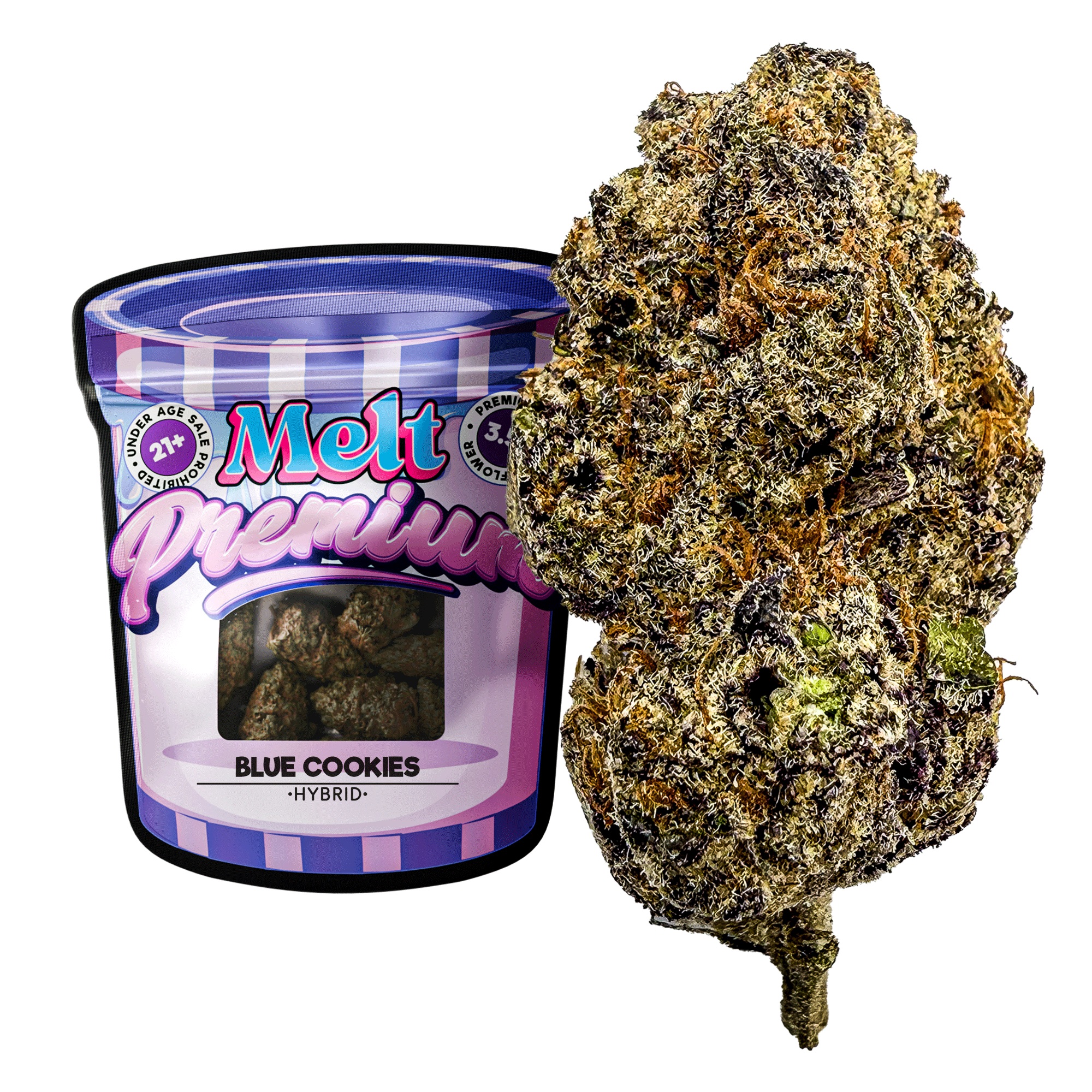
If you want lab-tested options on either side of that choice, Melt offers a California-crafted lineup that includes THCA flower, terpene-forward disposables, Duo prerolls, and potent edibles, all backed by transparent testing and a clean, premium presentation. Whether you're after the ritual of flower or the speed and discretion of a vape, Melt gives adult consumers a reliable place to shop for the high that fits.
Your cart is currently empty.