



Free Shipping All Orders Over $95
You've got a jar of flower on the counter, a bottle of high-proof alcohol in the freezer, and a simple choice to make. You can turn that cannabis into a dark, grassy tincture that hits hard and tastes rough, or you can make a cleaner, golden bottle that keeps more of the plant's character and goes down with far less bite.
A good Green Dragon tincture recipe should aim for more than extraction alone. The best batches pull cannabinoids efficiently while limiting chlorophyll, excess waxes, and that bitter edge that ruins sublingual use. Color is not the whole story, but it tells you a lot. A clearer gold or light amber tincture usually means the process stayed controlled.
I treat premium flower with the same respect I give fresh-pressed olive oil or a well-roasted coffee. If the cultivar has a sharp citrus top note, a deep fuel finish, or a soft floral nose, the method should preserve as much of that as possible. Fast, careless soaking can fill a jar with potency, but it also strips out compounds that make the final bottle harsher than it needs to be.
The old-school version of Green Dragon still has its place, especially for cooking or heavy extraction. For a tincture you want to keep under the tongue, precision matters more. Cold material, the right soak time, proper decarboxylation, and patient filtration make the difference between a muddy green extract and a polished golden one you'll reach for again.
When making a tincture for the first time, they aim for potency and get hit with a different lesson instead. Potency without restraint often means too much chlorophyll, too much plant wax, and a finish that burns hot and tastes rough. You can still use it, but you won't reach for it with much enthusiasm.
A better goal is a tincture that looks more golden than swampy. That doesn't mean weak. It means you're making choices that favor cannabinoids and terpenes over everything else the alcohol could strip out of the plant.
A strong tincture starts long before the jar gets filled. Flower quality matters. Decarboxylation matters. Alcohol choice matters. Temperature discipline matters even more than most home recipes admit.
When people say they want a “powerful” tincture, they usually mean one of two things:
Those are not the same target, and they shouldn't use the exact same process.
Practical rule: If you want a tincture you'll actually enjoy taking under the tongue, treat chlorophyll like the enemy from the start.
The nice part is that this isn't difficult kitchen work. It's careful kitchen work. Once you understand the handful of decisions that shape the final bottle, the process becomes repeatable.
Older tincture traditions often leaned on long soaks and patience. Modern home methods are much more deliberate. Some makers still prefer extended infusions, while others use short freezer washes to keep the final liquid cleaner and clearer.
That shift matters because repeatable methods give you control. Instead of hoping the jar “gets there,” you're managing decarb, solvent strength, contact time, and filtration on purpose. That's the difference between a serviceable homemade tincture and one that feels polished.
A clean tincture starts with a short list. Every item on it has a job, and cutting corners usually shows up in the glass.

The base recipe is straightforward. A standard home ratio is about 1 gram of cannabis per 30 milliliters of alcohol, and a common batch uses 14 grams of decarboxylated flower with 8 ounces of high-proof grain alcohol at 151 to 190 proof, as outlined by Weedmaps' Green Dragon tincture recipe.
That ratio gives you a practical starting point. It's concentrated enough to be useful, but still workable for filtering and bottling.
What you need:
You don't need lab gear, but you do need a few basics:
| Tool | Why it matters |
|---|---|
| Digital scale | Keeps your ratio honest |
| Oven | Handles decarboxylation |
| Baking sheet and parchment | Spreads flower evenly |
| Mason jars with lids | Safe glass container for extraction |
| Fine-mesh strainer | Removes larger plant matter |
| Cheesecloth or coffee filters | Refines the tincture |
| Dropper bottles | Makes dosing and storage easier |
A thermometer is also useful if you plan to use warmth during infusion. The biggest quality drop I see in homemade tinctures comes from people “eyeballing” temperature and accidentally cooking flavor out of the batch.
Use glass, not plastic. High-proof alcohol is a serious solvent, and glass stays neutral.
A lot of first-timers reach for vodka because it's available. It's convenient, but convenience isn't the same as performance. This recipe rewards the strongest suitable ethanol you can legally access.
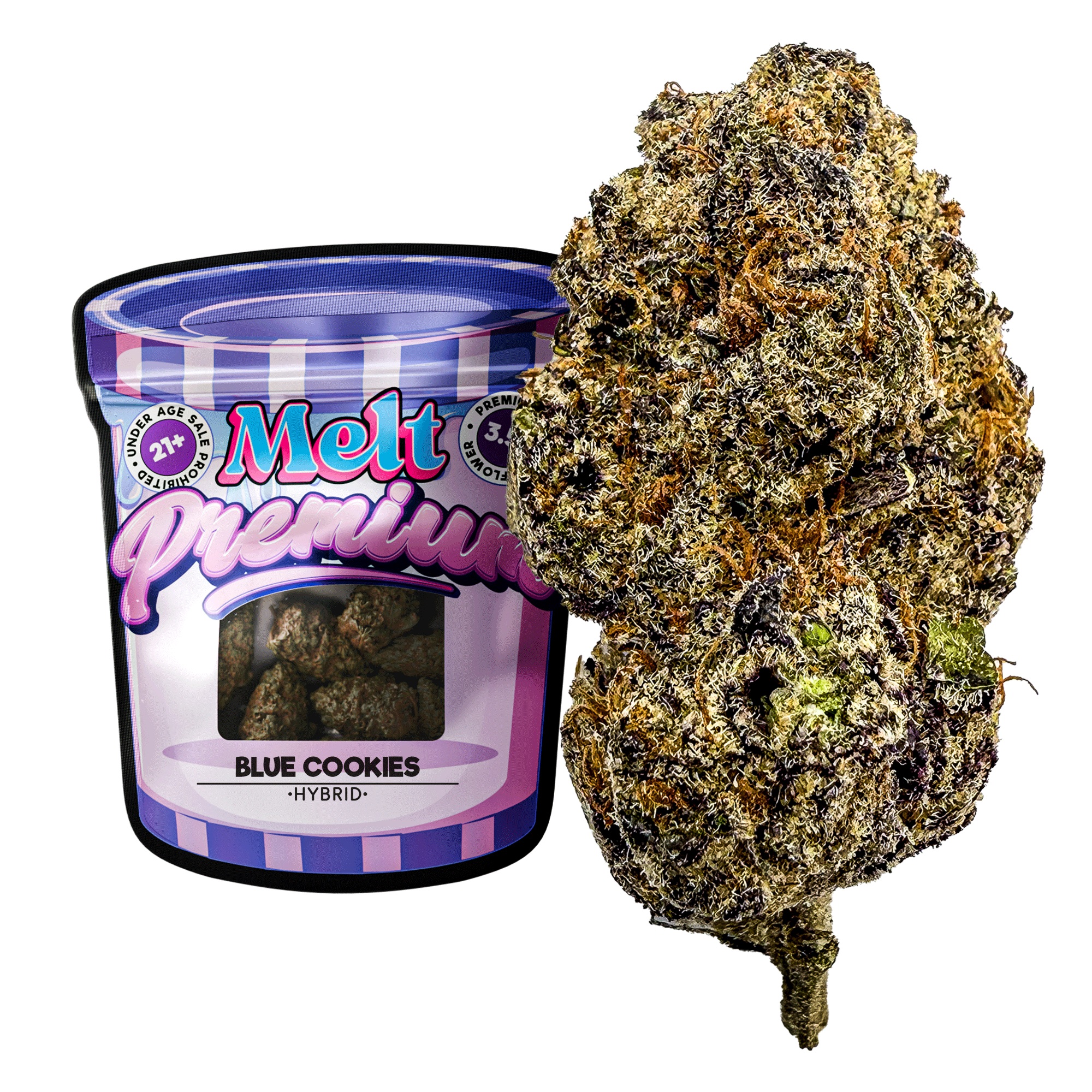
Skip dusty old trim if your goal is a smooth, premium result. It can make tincture, but it rarely makes a tincture that feels elegant. If your target is a bottle with clarity, aroma, and a less bitter finish, start with flower that still smells alive.
If your tincture feels weak, flat, or confusingly inconsistent, decarb is the first place to look. This step converts THCA into active THC, and a sloppy decarb can undercut everything that happens later.
A strong practical target is to heat cannabis to 110°C (230°F) for 40 minutes to fully activate it, while later infusion temperatures above 200°F (93°C) can pull unwanted chlorophyll and waxes into the tincture and hurt flavor.
Early in the process, keep this visual handy:

Break the flower up coarsely. Don't grind it into powder. Fine particles make later filtration harder and can encourage more plant taste in the final bottle.
Then follow this sequence:
The flower should dry out, darken slightly, and smell more toasted than fresh. You're not trying to roast it. You're trying to activate it without driving off more aroma than necessary.
For a simple visual walk-through, this video is a useful companion:
This is the place where “close enough” stops being good enough. Too cool or too short, and you leave potency on the table. Too hot or too aggressive, and you start sacrificing the character of the flower.
A lot of people treat decarb like a throwaway prep step. It isn't. It sets the tone for the entire tincture. If your flower enters the jar properly activated and evenly dried, the alcohol has a much cleaner job to do.
If you want a simple refresher on the chemistry behind activation, this explanation of the difference between THCA and THC gives the core distinction without overcomplicating it.
Look for a few sensory checks:
Don't rush the cooling stage. Warm flower meeting alcohol can push the extraction in a harsher direction before you even begin.
That cooling window is easy to overlook. It matters because heat doesn't stop acting the second the tray leaves the oven. Let the flower settle, then move on.
Here, the batch takes on its personality. Both methods can make a strong tincture. They just prioritize different outcomes.
If your goal is a golden, cleaner-tasting bottle, the cold route usually wins. If your goal is a faster, heavier extraction, warm infusion has a place, but only if you control it carefully.

Using 95%+ high-proof grain alcohol is critical, and lower-proof solvents can cause a 50% reduction in cannabinoid yield. For cold infusions, multi-stage freezing can remove up to 95% of unwanted chlorophyll and lipids compared with single-pass filtration, which is why the clearest home tinctures usually start cold.
Cold infusion is the best choice when flavor matters. Freeze the alcohol. Freeze the decarboxylated flower. Freeze the jar if you want to be extra disciplined. Cold keeps waxes and chlorophyll less eager to jump into solution, which helps the final tincture stay brighter and smoother.
My preferred cold workflow is simple:
That short contact time is what keeps the result from turning murky. You're aiming to pull the compounds you want before the alcohol starts dragging in the compounds you don't.
A cold tincture often looks lighter and behaves better under the tongue. It also tends to carry more of the flower's pleasant aromatic edge instead of tasting like wet stems.
The closer your tincture looks to gold or pale amber, the more likely you managed contact time and temperature well.
Warm infusion is useful when you want a tincture in hours instead of waiting through repeated cold handling or a longer steep. It can work well, but home makers frequently become careless.
Keep the infusion in a sealed jar, and keep the jar in a gently heated water bath. The target range is 170°F to 190°F. Once you drift above 200°F, you increase the odds of extracting more chlorophyll and waxes, which shows up in both flavor and appearance.
A practical warm method looks like this:
Warm extraction gives you a broader pull, but broader isn't always better if your priority is elegance. The bottle often gets darker faster, and the taste can move from pleasantly herbal to aggressively green if you overshoot the bath temperature.
Use cold infusion if you want:
Use warm infusion if you want:
Here's the simplest decision table:
| Goal | Better method |
|---|---|
| Clean taste | Cold infusion |
| Golden appearance | Cold infusion |
| Fast turnaround | Warm infusion |
| Recipe use where flavor is masked | Warm infusion |
For a lot of home makers, the sweet spot is not choosing one camp forever. It's understanding that the first wash can be your “golden” run, and anything more aggressive belongs in a separate bottle for cooking or mixed use.
A tincture can test your patience right here. The extraction may be done, but this stage decides whether the bottle pours clear and golden or settles into a dark, grassy green that burns under the tongue.
If the goal is a premium result, filtration needs restraint. Chasing every last drop usually costs more in flavor than it pays back in yield. I treat the first clear run as the keeper batch, especially after a cold wash, and I would rather lose a little volume than drag fine plant dust, waxes, and bitter compounds into the bottle.

Start with a coarse strain while the tincture is still cold. A fine-mesh strainer or a few layers of cheesecloth will catch the larger plant material without slowing everything to a crawl.
Then chill the strained liquid again until it is very cold. This helps heavier waxes and suspended particles tighten up so the next filter can catch them more easily. After that, run it through an unbleached coffee filter or lab-style paper filter into a clean jar. If the flow stalls, replace the filter instead of stirring the sludge through.
A practical sequence looks like this:
Go easy on the spent flower. A light press is fine. Hard squeezing forces out the murkiest part of the extraction, and that is usually where the sharp, chlorophyll-heavy taste comes from.
Transfer the finished tincture into dark glass as soon as it is filtered. Amber dropper bottles are practical because they limit light exposure and make repeatable dosing easier later.
Label each bottle with the date, strain, wash style, and any notes that matter, such as first wash or warm bath batch. That habit saves a lot of confusion if you keep both a clean golden tincture for sublingual use and a darker bottle for cooking.
For day-to-day storage, keep it:
If you want a quick refresher on shelf life and storage habits, read this guide on whether THC oil expires.
A well-made batch usually lands in the clear gold, green-gold, or light amber range, depending on the cultivar and method. It should look bright, not swampy. Some haze can happen straight from the fridge, but heavy sediment and an opaque dark green color usually point to overhandling, excess heat, or filtration that stopped too early.
That bottle may still be strong. It just will not drink as cleanly.
For a high-end result, judge the tincture on three things at once: clarity, aroma, and finish. If it smells fresh, shows a clean golden cast in the light, and leaves only a mild herbal bite, the process stayed controlled from wash to bottle.
A homemade tincture only becomes useful when you can work with it confidently. That starts with conservative dosing and good note-taking.
If you know the labeled potency of your flower, you can make a rough estimate of strength per milliliter after filtering. Since home extraction always involves some uncertainty, treat any estimate as just that. An estimate. The practical answer is still the old reliable rule: start low and go slow.
For a first trial, use a very small measured amount. Hold it under the tongue if you're testing it as a sublingual tincture, or add it to a small drink or food if you prefer an edible-style experience.
Then wait. Don't stack doses because you're impatient. Homemade tinctures vary by flower, method, filtration, and final volume, so your own response matters more than guessing from the bottle color.
A sensible first-use routine looks like this:
That last step matters more than people think. If a batch is especially clean and well-filtered, it can feel easier to dose consistently because each dropperful is less loaded with random sediment.
A good Green Dragon tincture recipe gives you options beyond dropping it straight under the tongue.
You can use it in:
If you went with a cleaner, colder extraction, it's especially nice for direct use. If you made a darker, heavier batch, reserve that one for recipes where stronger flavors hide the rougher edge.
A tincture doesn't need to be brutally strong to be useful. It needs to be consistent enough that you trust it.
Keep the bottle clearly labeled and out of reach of anyone who shouldn't use it. Don't treat homemade extraction casually around heat because high-proof alcohol is flammable. And always stay aware of local laws before making or possessing any cannabis preparation.
The best homemade tincture makers aren't the ones who chase the darkest bottle. They're the ones who can make a bottle, taste it, use it, and know exactly why it turned out the way it did.
If you want starting material that gives a tincture a real chance to taste clean and expressive, explore Melt for premium, California-crafted hemp-derived products with strain-specific terpene character and a connoisseur's eye for quality.
Your cart is currently empty.