



Free Shipping All Orders Over $95
You're probably here because you saw hemp pre-rolls online or in a shop and had the same reaction a lot of adults have right now: wait, is this just CBD flower, is it basically weed, or is it one of those legal gray-area products nobody explains clearly?
That confusion makes sense. A package might say hemp, another says THCA, another says CBD, and all three can be sold in formats that look almost identical. From the outside, they're just cones or joints. What changes is what's inside, how it behaves once you light it, and whether the seller gives you enough information to trust it.
That matters because pre-rolls aren't some tiny side category anymore. In August 2023, pre-rolls captured 15.3% of total cannabis sales in the U.S., making them the third-largest product category after flower and vapor pens, and the leading category by unit sales, according to Headset's pre-roll category report. When something gets this common this fast, shoppers need better education than “it's legal hemp.”
Hemp pre-rolls now sit in a spot that used to be simple and no longer is. The format looks familiar, but the experience can vary a lot depending on the cannabinoid inside. A CBD pre-roll may feel mild and non-intoxicating. A THCA pre-roll can feel much closer to traditional cannabis once it's heated.

That gap is where shoppers get tripped up.
The problem usually is not the roll itself. It is the label. Two products can use similar strain names, similar packaging, and the same word, hemp, while delivering very different effects. If you only check whether the product is federally compliant, you miss the question that matters in real life. What is this likely to feel like, and do the test results support what the package claims?
Pre-rolls fit the way people shop. They are familiar, ready to use, and easy to compare against each other on a menu. For someone who does not want to buy flower, a grinder, papers, and a tray, a pre-roll is the simple version of the same idea. It works like ordering a prepared espresso instead of buying whole beans and a grinder first.
That convenience carried over from the wider cannabis market into hemp retail. Once shoppers got used to pre-rolls as a category, hemp brands had a format people already understood. The confusion started after that, because the outside stayed simple while the chemistry got more complicated.
Practical rule: Start with the cannabinoid, not the word hemp.
That one shift helps you make better decisions. It separates a mellow CBD smoke from a THCA product that may be intoxicating after you light it. It also points you toward the next smart question, which is whether the seller gives you current lab results you can read and trust.
A hemp-derived pre-roll is hemp flower that has been ground, rolled, and packaged so it is ready to smoke. The part that causes confusion is not the format. It is the definition of hemp.
Under federal law, hemp is cannabis that contains no more than 0.3% delta-9 THC by dry weight before sale. That definition sorts products into a legal category. It does not tell you whether every pre-roll sold as hemp will feel mild, strongly noticeable, or somewhere in between once heat enters the picture.
That distinction matters.
Hemp and marijuana both come from the cannabis plant. The legal label depends on measured delta-9 THC in the product as sold, not on the strain name, package design, or how familiar the pre-roll looks in your hand.
So if a pre-roll is labeled hemp, you should read that as a classification first. It tells you how the product is categorized under the law. It does not automatically describe the effect.
That is why two hemp-derived pre-rolls can sit next to each other on a menu and belong in very different mental buckets.
If you want a plain-language explanation of how THCA behaves once heated, this guide to what THCA is and how it works helps clarify the chemistry.
At the physical level, a hemp-derived pre-roll is still flower in paper or a cone. It is not a separate class of product with its own unique consumption method. If you have seen a pre-roll in a dispensary, the hemp version looks very familiar because the format is the same.
The better way to evaluate it is to separate three layers that often get blurred together:
That last point changes how people use them. With inhaled products, effects usually show up quickly enough that pacing matters. A careful first session is less about bravery and more about observation. Take a puff or two, pause, and let the product introduce itself.
A common mistake is treating the word hemp as a promise of one specific outcome. It is closer to a filing label than an effects label.
That is why experienced shoppers start with the cannabinoid content and the lab report, then use the word hemp as supporting context. Once you do that, the category gets much easier to read. You stop asking only, “Is this hemp?” and start asking the smarter question: “What is in this roll, and what is it likely to feel like?”
THCA changes the entire buying decision.
A lot of confusion starts with one simple mistake. Shoppers see the word hemp and assume the experience will be mild or non-intoxicating. That assumption falls apart with THCA flower. In raw cannabis, THCA is one form of the cannabinoid. Once you light a pre-roll, heat converts THCA into delta-9 THC, which is the cannabinoid associated with the classic intoxicating cannabis effect.
That single detail explains why a product can test as hemp before sale yet feel much closer to what a new consumer would associate with regular THC flower after smoking.

The key is to separate the product in two moments. First, there is the flower before you smoke it. Second, there is the chemistry after you apply heat. The legal category is based on the first moment. Your experience comes from the second.
If you want a clearer plain-language explanation of that conversion, this guide to what THCA is and how it works is a useful companion read.
That gap between label and effect is why THCA deserves its own category in your mind. Filing it next to a CBD pre-roll just because both are sold as hemp is how beginners end up buying the wrong product.
A CBD pre-roll usually appeals to someone who wants the ritual of smoking flower without a strong high. A THCA pre-roll asks for a different level of respect, because once it is lit, the expected effects can shift toward intoxication.
Here is the practical takeaway:
That is the part many quick guides skip. They stay at the legality question and never get to the consumer-safety question, which is what the session is likely to feel like in your body.
Later in your research, it also helps to hear the chemistry explained visually:
A THCA pre-roll should be approached like a product with real psychoactive potential, not like a harmless technical loophole. If your tolerance is low, start slowly. One or two small puffs, then wait. Give the product time to show you its character before deciding you need more.
The safest mindset is simple. Read the hemp label, then verify the cannabinoids, and trust the chemistry over the marketing words.
THCA confuses shoppers because the legal label describes the product before heating, while the effects show up after heating.
That is why smart buying starts with understanding what THCA does, not just whether the package says hemp.
A shopper walks into a store, sees two pre-rolls with nearly identical flower and nearly identical aroma, then notices one is labeled THCA hemp and the other is labeled marijuana. The labels suggest a wide gap. In actual use, that gap can be smaller than people expect.
That confusion starts with category names. "Hemp" describes how the product is classified before sale. It does not reliably describe how strong the session will feel after the flower is lit. For a buyer, the more useful question is simple: what cannabinoids are in the cone, and what experience do those cannabinoids usually produce?
A THCA hemp pre-roll and a marijuana pre-roll can overlap in effect because both may involve flower with meaningful psychoactive potential once heated. The difference often starts with regulation, retail channel, and labeling language, not with a guaranteed difference in intensity.
| Attribute | THCA Hemp Pre-Roll | Marijuana Pre-Roll |
|---|---|---|
| Legal source | Sold under the federal hemp framework if it remains under the delta-9 THC threshold before sale | Sold through state-regulated cannabis programs where marijuana is legal |
| Primary cannabinoid before heating | Often THCA-dominant | Usually sold within the marijuana category, with THC-focused labeling or strain positioning |
| What happens when lit | Heat can convert THCA into delta-9 THC | Intended for intoxicating use from the start |
| Psychoactive potential | Can feel intoxicating once heated | Intoxication is generally expected |
| Typical retail context | Often found online, in hemp shops, or in retailers handling hemp products where allowed | Licensed dispensaries in legal cannabis states |
| Buyer assumption that causes trouble | “It's hemp, so it must be mild” | “It's marijuana, so I should dose carefully” |
One way to frame it is to compare grape juice and wine labels to what is in the glass. The category matters, but the contents matter more. With pre-rolls, the cannabinoid profile is what gives you the clearest preview of effects.
If you are comparing two cones on a table, one labeled THCA hemp and one labeled marijuana, do not assume the hemp option will be softer or more beginner-friendly. That is where shoppers get surprised.
The smarter filter is potency, intended use, and proof. A CBD-forward hemp pre-roll belongs in a different effects conversation than a THCA hemp pre-roll. A THCA hemp pre-roll may belong in the same caution category as marijuana because the experience can be meaningfully intoxicating after combustion.
Ask a few direct questions before you buy:
That third question matters more than many buyers realize. A clean-looking label can still leave out the information that protects you. If you want help checking a report, this guide to reading a certificate of analysis gives you a useful starting point.
In practice, hemp versus marijuana is not the safest shortcut. Effects and safety are easier to judge when you read the cannabinoids first, then confirm the testing, then decide whether the product fits your tolerance.
It's when a smart buyer separates a polished product page from a trustworthy product.
A lot of hemp pre-roll marketing leans on words like natural, smooth, clean, or craft. Those words may describe branding. They don't tell you whether the flower was screened for contaminants or whether the cannabinoid numbers match the label. That gap matters because, as this discussion of hemp pre-roll safety and testing gaps points out, “natural” does not equal “risk-free” when a product is combusted and inhaled.

A Certificate of Analysis, or COA, is the lab report attached to a batch. If a seller can't show one, that's your signal to slow down or walk away. If you want help decoding one, this guide to reading a certificate of analysis covers the basics clearly.
When you open a COA, focus on three buckets.
Some brands make you hunt for the lab report. Others hide it behind vague promises. A cleaner setup is one where the product page gives you direct access to batch-specific testing and clear language about what you're buying.
Look for these trust signals:
Don't reward mystery. If a brand can't explain what's in the pre-roll and show testing for it, they haven't earned your inhale.
Lab reports matter most, but your senses still tell you a lot after purchase.
A quality hemp pre-roll should smell like flower, not stale paper or artificial fragrance. It should feel packed evenly, not lumpy or hollow. The roll should look intentional. Too tight and it may draw poorly. Too loose and it may burn hot or unevenly.
A few practical checks help:
| What to inspect | What you want to see |
|---|---|
| Aroma | A clear flower aroma, not musty or synthetic-smelling notes |
| Roll quality | Even fill and a stable twist or crutch |
| Packaging | Sealed packaging that protects freshness |
| Label detail | Cannabinoid type, batch info, and access to testing |
A smart purchase starts before checkout. The easiest mistake is buying based on strain name, flashy packaging, or a legal claim alone. A better approach is to shop like someone who expects proof.
A reliable retailer usually makes four things easy to verify.
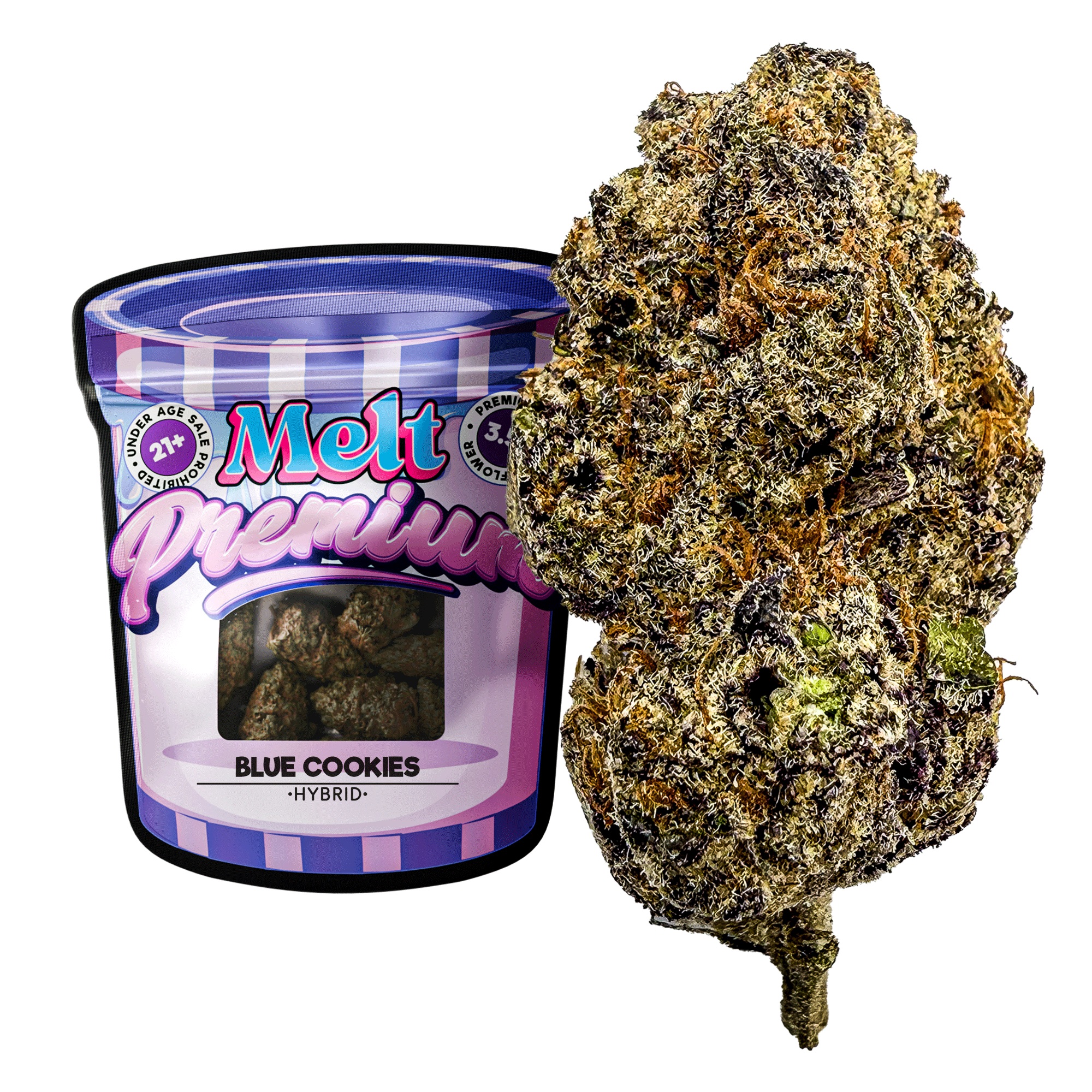
For example, Melt's online buying guide reflects the kind of information transparent brands should give shoppers, including practical buying considerations around online cannabis-adjacent purchases.

Hemp pre-rolls aren't just convenient. They also function as a real delivery system for cannabinoids and terpenes. A PubMed-indexed aerosol characterization study found measurable per-pre-roll aerosolized amounts including 19.4 mg CBG, 0.48 mg CBC, and 0.40 mg delta-9-THC, along with terpenes such as 352.7 µg of (-)-α-bisabolol and 194.3 µg of guaiol. The same study measured fine emitted aerosol particles at 0.77 µm and 0.54 µm, supporting the idea that these products deliver inhalable compounds in a meaningful way, as reported in this PubMed-indexed hemp pre-roll aerosol study.
That doesn't mean risk-free. It means the format is effective, so your buying standards should be high.
Once the pre-rolls are in your hands, use some common sense. Otherwise, a lot of people either waste a good product or make their first session harsher than it needs to be.
Buy the boring brand over the mysterious one. Clear testing, clear labeling, and clear shipping rules are more valuable than clever marketing.
They can. If a product contains cannabinoids that lead to THC metabolites after use, that may create drug-testing risk. THCA products deserve extra caution here because heating changes the chemistry. If drug testing matters to you, the safest approach is to avoid assuming any smokable hemp product is “safe” for screening.
Be careful. Even if a product is sold as hemp, travel adds layers of risk involving local law, airport policy, and how law enforcement may interpret the product. Don't assume a compliant online purchase automatically travels cleanly across state lines or into every setting.
In everyday use, people often mean the same thing. “Pre-roll” usually emphasizes that it comes ready-made from a brand or retailer rather than rolled by hand at home.
No. That's one of the biggest sources of confusion in this category. CBD pre-rolls are usually chosen for a non-intoxicating session. THCA pre-rolls can feel intoxicating once heated.
If you want hemp products from a brand that emphasizes clear product information, third-party testing, and hemp-compliant cannabinoid formats, you can explore Melt. It's a Los Angeles-based option focused on legal hemp-derived products, including THCA flower and prerolls, with educational resources that help shoppers make more informed decisions.
Your cart is currently empty.